Antazoline with Xylometazoline Eye Drops for Allergies and Red Eyes
Effectiveness of Antazoline with Xylometazoline Eye Drops
Antazoline with xylometazoline eye drops have shown great effectiveness in relieving allergies and red eyes. These eye drops combine the antihistamine properties of antazoline with the vasoconstrictor effects of xylometazoline, providing a dual-action relief for allergic symptoms and redness in the eyes.
Antazoline works as an antihistamine by blocking histamine receptors in the eyes, which reduces itching and redness caused by allergic reactions. Xylometazoline, on the other hand, constricts the blood vessels in the eyes, reducing redness and swelling.
Usage Instructions for Antazoline with Xylometazoline Eye Drops
When using antazoline with xylometazoline eye drops, it is important to follow the recommended usage instructions:
- Wash your hands thoroughly before administering the eye drops.
- Tilt your head back and gently pull down your lower eyelid to create a small pocket.
- Squeeze the prescribed number of drops into the pocket created by the lower eyelid. Be careful not to let the dropper touch your eye or any other surface.
- Close your eyes gently and press lightly on the inner corners of your eyes with your fingers for 1-2 minutes. This helps prevent the eye drops from draining out of the eyes.
- Wait for at least 5 minutes before using any other eye medications.
- If you are wearing contact lenses, remove them before using the eye drops and wait at least 15 minutes before reinserting them.
- Use the eye drops as prescribed by your eye care professional and do not exceed the recommended dosage.
It is important to consult with your eye care professional before using antazoline with xylometazoline eye drops, as they can provide personalized advice on the proper usage and dosage based on your individual needs and the severity of your allergies or red eyes.
Source: Mayo Clinic
Antihistamine Eye Drops for Red Eyes
When allergies strike, one of the most common symptoms is red, itchy eyes. Fortunately, there are antihistamine eye drops available that can provide relief from these uncomfortable symptoms. Antihistamine eye drops work by blocking the action of histamine, a chemical in the body that is released during an allergic reaction. By blocking histamine, these eye drops can help alleviate redness and itchiness in the eyes.
Types of Antihistamine Eye Drops
There are several types of antihistamine eye drops that are available over the counter. Some popular brands include:
- Zaditor – This brand contains the active ingredient ketotifen, which is known for its effectiveness in relieving itchy eyes caused by allergies.
- Alaway – Alaway also contains ketotifen and provides long-lasting relief from itching and redness caused by allergies.
- Claritin Eye – Claritin Eye contains the active ingredient ketotifen fumarate and is specifically formulated to relieve itching due to allergic conjunctivitis.
- Visine-A – Visine-A combines the antihistamine pheniramine with a vasoconstrictor called naphazoline. This combination helps reduce redness and itching caused by allergies.
These antihistamine eye drops are generally safe for use, but it’s important to follow the recommended dosage and usage instructions provided on the packaging. It’s also important to note that antihistamine eye drops may cause temporary stinging or burning upon application, but this usually subsides quickly.
Choosing the Best Antihistamine Eye Drops
When choosing antihistamine eye drops, it’s important to consider your specific needs and preferences. Here are a few factors to consider:
- Efficacy – Look for eye drops that have been proven effective in relieving the specific symptoms you’re experiencing. Reading customer reviews and seeking recommendations from eye care professionals can provide valuable insights.
- Allergies and Sensitivities – Check the ingredients list to ensure that you are not allergic to any of the components. If you have sensitivities to certain ingredients or preservatives, opt for preservative-free eye drops.
- Additional Benefits – Some antihistamine eye drops also provide lubrication, hydration, or protection against environmental irritants. Consider whether you would benefit from these additional features.
It’s worth noting that while antihistamine eye drops can provide relief from red, itchy eyes caused by allergies, they may not be suitable for everyone. If you have underlying eye conditions, such as glaucoma or dry eye syndrome, it’s important to consult with an eye care professional before using any over-the-counter eye drops.
Overall, antihistamine eye drops can be a beneficial solution for those suffering from red, itchy eyes caused by allergies. By choosing the right eye drops based on your individual needs and following the proper usage instructions, you can find relief and enjoy clear, comfortable eyes.
Menthol Eye Drops for Cooling and Soothing Itchy Eyes
Menthol eye drops are a popular choice for individuals seeking relief from itchy eyes. These drops provide a cooling and soothing effect, offering quick relief from discomfort and irritation. Here, we will discuss the benefits of menthol eye drops, how they work, and provide recommendations for safe and effective options.
The Benefits of Menthol Eye Drops
Menthol, a natural compound derived from mint plants, has long been used for its cooling and soothing properties. When used in eye drops, menthol provides a refreshing sensation to relieve itching, redness, and discomfort caused by a variety of factors such as allergies and dryness.
The primary benefits of using menthol eye drops include:
- Quick relief: Menthol eye drops provide immediate relief from itching and discomfort, allowing individuals to feel more comfortable in no time.
- Cooling effect: The cooling sensation provided by menthol can help reduce any inflammation or irritation in the eyes.
- Soothing properties: Menthol eye drops have a soothing effect on the eyes, helping to alleviate any discomfort or redness.
How Menthol Eye Drops Work
Menthol works by stimulating the cold-sensitive receptors in the skin and mucous membranes, including the eyes. When applied as eye drops, menthol triggers these receptors, which then send signals to the brain that produce a cooling sensation. This sensation helps to alleviate itching, redness, and discomfort in the eyes.
It’s important to note that while menthol eye drops provide temporary relief, they do not address the underlying cause of itchy eyes. If you experience chronic or persistent itching, it is recommended to consult with an eye care professional to determine the underlying cause and appropriate treatment.
Safe and Effective Menthol Eye Drops
When selecting menthol eye drops, it’s crucial to choose a product that is safe and effective for regular use. Here are a few recommendations:
| Product | Key Features |
|---|---|
| MintyCool Eye Drops | Contains natural menthol for a cooling effect, preservative-free |
| Refresh Cooling Eye Drops | Provides long-lasting relief, soothes dry and itchy eyes |
| Arctic Relief Eye Drops | Infused with natural menthol, reduces redness and irritation |
It’s essential to follow the usage instructions provided with the specific eye drop product. If you have any concerns or questions, consult with an eye care professional for personalized advice.
In conclusion, menthol eye drops offer a convenient and effective solution for individuals experiencing itchy eyes. The cooling and soothing properties of menthol provide quick relief from discomfort and irritation. Remember to choose a safe and reputable brand, follow proper usage instructions, and consult with an eye care professional if needed. By taking proactive steps to maintain eye health, individuals can enjoy clear and comfortable vision.

Bimat eye drops are used to treat hypotrichosis, short, weak eyelashes. Bimat increases the length, thickness and enhances the color of eyelashes. These substances are also used to lower intraocular pressure in patients with a diagnosis of glaucoma. By reducing the pressure, the risk of blindness is significantly decreased.
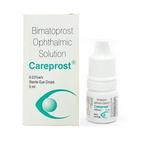
These drops gained immense popularity, demonstrating an incredibly fast and always noticeable result since its application. This innovative means will allow you to give your eyelashes an ideal look, strength and health, in whatever serious condition they are before the moment of its application. It is safe and effective providing amazing results.
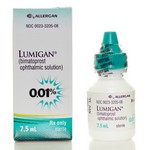
This means is prescribed to reduce eye pressure. Its active ingredient is synthetic prostaglandin bimatoprost – an unsaturated fatty acid, similar in its properties to hormones. Getting into the eye, drops help maintain the balance of the flow and outflow of eye fluid. It is a violation of this balance that leads to an increase in pressure, due to which the blood supply to the eye is impaired and the load on the optic nerve increases.

Bimatoprost reduces IOP in humans by increasing the outflow of aqueous humor through the trabecular meshwork and uveoscleral outflow. IOP reduction begins about 4 hours after the first use. The maximum effect is achieved after about 8–12 hours. The effect lasts for at least 24 hours.
Eye Drops for Itchy Eyes: Identifying the Underlying Causes
Itchy eyes can be quite bothersome and can be caused by a variety of factors, including allergies, dryness, and eye infections. Identifying the underlying cause of your itchy eyes is crucial in choosing the appropriate eye drops for relief. Here, we will discuss the common causes of itchy eyes and provide tips on how to determine the cause and when to seek medical advice.
Common Causes of Itchy Eyes
1. Allergies: Allergies, such as hay fever or pet dander allergies, can trigger itchy and watery eyes. When exposed to an allergen, the immune system releases histamines, which cause itching, redness, and inflammation in the eyes.
2. Dryness: Dry eyes occur when there is a lack of sufficient moisture and lubrication on the surface of the eyes. This can be due to various factors, including environmental conditions, prolonged screen time, or certain medications.
3. Eye Infections: Eye infections, such as conjunctivitis (pink eye), can cause itching along with other symptoms like redness, discharge, and blurred vision. These infections can be bacterial or viral in nature.
Determining the Cause of Itchy Eyes
If you are experiencing persistent or severe itching in your eyes, it is recommended to consult an eye care professional for a proper diagnosis. They can examine your eyes and ask about your symptoms and medical history to determine the underlying cause of your itchy eyes.
During the examination, the eye care professional may perform various tests, such as:
- Allergy testing: This can help identify potential allergens that may be triggering your allergic reactions.
- Fluorescein staining: This test involves using special eye drops and a blue light to detect any irregularities on the surface of the eye.
- Swab test: If an eye infection is suspected, a swab may be taken from the affected area to determine the type of infection.
Based on the diagnosis, the eye care professional can recommend the appropriate eye drops to alleviate the itching and address the underlying cause.
When to Seek Medical Advice
It is important to seek medical advice if your itchy eyes persist for an extended period, worsen over time, or are accompanied by other concerning symptoms like pain, discharge, or vision changes. An eye care professional can provide the necessary guidance and treatment options to address your specific condition.
Remember, self-diagnosis and self-medication may not always be accurate or effective. Consulting a healthcare professional is essential for proper diagnosis and treatment.
In conclusion, identifying the underlying cause of itchy eyes is crucial in choosing the right eye drops for relief. Whether it’s allergies, dryness, or an eye infection, consulting an eye care professional and following their guidance ensures proper diagnosis and treatment. Take care of your eye health by seeking professional advice and using suitable eye drops for various eye conditions.
Choosing the Right Eye Drops for Itchy Eyes
If you are suffering from itchy eyes, finding the right eye drops can provide much-needed relief. There are different types of eye drops available on the market, each with its own benefits and effectiveness.
1. Antihistamine Eye Drops
Antihistamine eye drops are a popular choice for alleviating red eyes caused by allergies. These eye drops work by blocking the histamine receptors in the eyes, reducing itching, redness, and swelling. Some commonly used antihistamine eye drops include:
- Ketotifen: This antihistamine eye drop is highly effective in relieving allergy symptoms and can provide long-lasting relief for itchy eyes.
- Olopatadine: Olopatadine eye drops are known for their strong antihistamine properties, making them an ideal option for reducing itchiness and redness caused by allergies.
- Azelastine: Azelastine eye drops are recommended for seasonal allergic conjunctivitis and can provide fast relief from itchy eyes.
It’s essential to read the product labels and consult with your healthcare professional to determine the most suitable antihistamine eye drops for your specific needs.
2. Lubricating Eye Drops
If your itchy eyes are caused by dryness, lubricating eye drops can help provide relief. These drops work by moisturizing the eyes and alleviating dryness and irritation. Some popular lubricating eye drops include:
- Preservative-free artificial tears: These eye drops mimic natural tears and are suitable for individuals with sensitive eyes.
- Gel-based lubricants: Gel-based lubricating eye drops provide longer-lasting relief for dry eyes and are particularly beneficial for individuals with persistent dryness.
- Ointments: Eye ointments are recommended for overnight use, as they provide extended lubrication and soothe dry eyes throughout the night.
It’s important to choose lubricating eye drops that are preservative-free and suitable for your specific dry eye condition. Consulting with an eye care professional can help you determine the best option for you.
3. Anti-Inflammatory Eye Drops
If your itchy eyes are due to inflammation, such as with conjunctivitis or blepharitis, using anti-inflammatory eye drops may be beneficial. These eye drops help reduce redness, swelling, and discomfort. Some commonly used anti-inflammatory eye drops include:
- Cromolyn sodium: Cromolyn sodium eye drops help relieve the symptoms of allergic conjunctivitis by preventing the release of histamines.
- Loteprednol etabonate: Loteprednol etabonate eye drops are prescribed for inflammation and may be used to treat conditions such as conjunctivitis and uveitis.
- Rimexolone: Rimexolone eye drops are recommended for reducing inflammation caused by allergies and can provide relief from itchy eyes.
It’s crucial to use anti-inflammatory eye drops as directed by your healthcare professional and only for the prescribed duration.
Choosing the Right Eye Drops
When selecting eye drops for itchy eyes, it’s important to consider the underlying cause of your symptoms. If you are unsure, it’s recommended to consult with an eye care professional for a proper diagnosis.
Additionally, consider the following factors when choosing eye drops:
- Symptom relief: Consider the specific symptoms you are experiencing and choose eye drops that target those symptoms.
- Allergies or sensitivities: Determine if you have any known allergies or sensitivities to certain ingredients in eye drops to avoid any adverse reactions.
- Preventive measures: If you frequently suffer from itchy eyes due to allergies, consider using preventive eye drops before the allergy season begins to minimize symptoms.
- Dosage and treatment duration: Follow the recommended dosage instructions and treatment duration provided by your healthcare professional or as stated on the product label.
Remember, it’s always recommended to consult with an eye care professional before using any eye drops, especially if you have pre-existing eye conditions or are unsure of the underlying cause of your itchy eyes.
By choosing the right eye drops based on the underlying cause and individual preferences, you can effectively alleviate itchy eyes and maintain optimal eye health.
The Importance of Safely Using Eye Drops
Proper usage of eye drops is essential to ensure their safety and effectiveness. Using eye drops incorrectly can lead to discomfort, ineffective results, and potential harm to your eyes. Here are some important tips on how to use eye drops safely:
- Wash your hands: Before applying eye drops, make sure to wash your hands thoroughly with soap and water. This helps prevent the transfer of any dirt, bacteria, or other contaminants to your eyes.
- Read the label: Always read and follow the instructions provided on the eye drop packaging. Each type of eye drop may have specific usage instructions, including dosage, frequency, and any precautions or warnings.
- Tilt your head back: Gently tilt your head back and look up towards the ceiling. This position helps create a clear pathway for the eye drops to enter your eyes.
- Pull down your lower eyelid: Using your index finger, gently pull down your lower eyelid to create a small pocket. This is where you will place the eye drops.
- Administer the eye drops: Carefully squeeze the prescribed number of eye drops into the pocket created by your lower eyelid. Be careful not to touch your eye or eyelashes with the tip of the eye drop bottle to avoid contamination.
- Close your eyes: After administering the eye drops, close your eyes gently. This helps distribute the medication evenly over your eyes and prevents the drops from immediately draining out.
- Wipe away excess: If there is any excess eye drop solution around your eyes, use a clean tissue or cloth to gently wipe it away. Avoid rubbing your eyes, as this can further irritate them.
- Wait before using other eye drops: If you need to use multiple eye drops or other eye medications, wait at least 5-10 minutes between each application. This allows sufficient time for each medication to be absorbed properly.
- Store eye drops properly: Follow the storage instructions provided on the eye drop packaging. Some eye drops need to be refrigerated, while others should be stored at room temperature. Ensure that the bottle is tightly closed after each use.
- Consult with an eye care professional: If you are unsure about how to use eye drops or have any concerns, it is always best to consult with an eye care professional. They can provide personalized advice and guidance based on your specific eye condition.
By following these tips, you can safely use eye drops and maximize their effectiveness in providing relief for various eye conditions.
Choosing the Right Eye Drops for Itchy Eyes
When it comes to finding the best eye drops for itchy eyes, it is important to consider the underlying cause of the itching and choose a suitable eye drop that targets that specific issue. Here are some key factors to consider when selecting the right eye drops for itchy eyes:
1. Antihistamine Eye Drops
Antihistamine eye drops are a popular choice for relieving itchy eyes caused by allergies. These eye drops work by blocking the release of histamine, a chemical that triggers allergic reactions, to reduce itching and redness. Some effective antihistamine eye drops for itchy eyes caused by allergies include:
- Olopatadine hydrochloride (Pataday) – a prescription-strength antihistamine eye drop that provides long-lasting relief for allergy symptoms.
- Ketotifen fumarate (Zaditor) – an over-the-counter antihistamine eye drop that offers quick relief for itchy eyes caused by allergies.
- Azelastine hydrochloride (Optivar) – a prescription antihistamine eye drop that is effective in relieving itchy eyes caused by seasonal allergies.
It is important to consult with an eye care professional or pharmacist to determine the most suitable antihistamine eye drop based on your specific allergies and medical conditions.
2. Lubricating Eye Drops
If dryness is the underlying cause of your itchy eyes, lubricating eye drops can provide the relief you need. These eye drops help to hydrate and moisturize the eyes, reducing discomfort and itching. Some recommended lubricating eye drops for itchy eyes caused by dryness include:
- Artificial tears – over-the-counter lubricating eye drops that mimic your natural tears and provide quick relief for dry and itchy eyes.
- Gel-based lubricating eye drops – a thicker formulation that provides longer-lasting relief for severe dryness and itching.
- Preservative-free lubricating eye drops – a good option for individuals with sensitive eyes and those who need to use eye drops frequently.
Be sure to choose lubricating eye drops that are suitable for your specific type of dryness and consult with an eye care professional if you have persistent symptoms.
3. Anti-inflammatory Eye Drops
If your itchy eyes are accompanied by inflammation, such as in cases of conjunctivitis or uveitis, anti-inflammatory eye drops may be recommended by your eye care professional. These eye drops work to reduce inflammation and provide relief from itching. Some commonly prescribed anti-inflammatory eye drops include:
- Difluprednate (Durezol) – a prescription-strength corticosteroid eye drop used to treat inflammation and symptoms of allergic conjunctivitis.
- Loteprednol etabonate (Lotemax) – a corticosteroid eye drop that helps to reduce inflammation and itching caused by various eye conditions.
- Rimexolone (Vexol) – another corticosteroid eye drop that is effective in reducing inflammation and itching in the eyes.
It is important to only use anti-inflammatory eye drops as prescribed by your eye care professional and be aware of any potential side effects or contraindications.
Conclusion:
Choosing the right eye drops for itchy eyes depends on the underlying cause and individual preferences. Whether it’s antihistamine eye drops for allergies, lubricating eye drops for dryness, or anti-inflammatory eye drops for inflammation, it is important to consult with an eye care professional to ensure the right choice for your specific needs. Take proactive steps in maintaining your eye health by using suitable eye drops and seeking professional advice when necessary.