The Benefits and Uses of Natural Eye Drops
Natural eye drops can provide relief for a variety of eye issues, including dryness, discomfort, redness, and irritation. These natural remedies offer a gentle and soothing approach to improving eye health and can be a beneficial addition to your daily eye care routine.
Relieving Dryness and Discomfort
One of the main benefits of natural eye drops is their ability to relieve dryness and discomfort in the eyes. Dry eyes can be caused by a variety of factors, such as environmental conditions, prolonged screen time, allergies, or aging. Natural eye drops provide lubrication and moisture to the eyes, relieving dryness and reducing discomfort.
Unlike synthetic eye drops, which can sometimes cause a temporary stinging or burning sensation, natural eye drops are typically gentle and soothing to the eyes. They mimic the natural tear film of the eyes, providing instant relief without any harsh side effects.
Soothing Redness and Irritation
In addition to relieving dryness, natural eye drops can also help soothe redness and irritation in the eyes. Redness and irritation can be caused by various factors, such as allergies, eye strain, or exposure to harsh environmental conditions.
Natural eye drops containing ingredients like chamomile or calendula have anti-inflammatory properties that can help reduce redness and inflammation in the eyes. These ingredients have been used for centuries in traditional medicine to treat eye conditions and promote overall eye health.
Promoting Healthier and Clearer Eyes
Using natural eye drops regularly can promote healthier and clearer eyes. The lubricating and moisturizing properties of natural eye drops help to keep the eyes hydrated and nourished, preventing dryness and discomfort.
In addition, the anti-inflammatory properties of certain natural eye drops can help reduce the risk of eye infections and maintain the overall health of the eyes. By reducing redness and inflammation, natural eye drops can also improve the appearance of the eyes, making them appear brighter and more refreshed.
It’s important to note that while natural eye drops can provide relief and promote eye health, they may not be a substitute for professional medical advice. If you have any concerns or persistent eye issues, it’s always best to consult with an eye care professional.
Different Types of Natural Eye Drops Available
Chamomile Eye Drops
Chamomile eye drops are made from the flowers of the chamomile plant, which is known for its soothing properties. These eye drops are often used to relieve redness and irritation caused by dry eyes or allergies. Chamomile has anti-inflammatory and antimicrobial properties, making it effective in reducing inflammation and preventing infection in the eyes. It can also help in soothing tired eyes and reducing eye strain. Chamomile eye drops are commonly used as a natural remedy for conjunctivitis or pink eye.
Calendula Eye Drops
Calendula eye drops are derived from the calendula flower, also known as marigold. Calendula is rich in antioxidants and has anti-inflammatory properties, making it a popular ingredient in natural eye drops. These drops are often used to alleviate redness, dryness, and irritation of the eyes, especially caused by conditions like conjunctivitis or blepharitis. Calendula eye drops can also help in promoting the healing of minor eye injuries or scratches.
Aloe Vera Eye Drops
Aloe vera is well-known for its soothing and healing properties, and aloe vera eye drops are no exception. These eye drops are made from the gel of the aloe vera plant and are commonly used to relieve dryness, redness, and itching of the eyes. Aloe vera eye drops can also help in reducing inflammation and promoting the overall health of the eyes. They are often used as a natural remedy for conditions like dry eye syndrome and allergic conjunctivitis.
Green Tea Eye Drops
Green tea eye drops are made from the extract of green tea leaves and are known for their antioxidant and anti-inflammatory properties. These drops can help in reducing redness and irritation of the eyes caused by allergies, dryness, or fatigue. Green tea eye drops are also believed to have a protective effect on the eyes, helping to prevent age-related eye diseases such as cataracts and macular degeneration. They can be used as a natural remedy for various eye conditions or as a preventive measure for maintaining healthy eyes.
How to Choose the Right Natural Eye Drops
When it comes to choosing the right natural eye drops, it’s important to consider the specific issue you’re targeting, such as dryness, redness, or general discomfort. Different natural eye drops provide different benefits, so understanding your needs is key to finding the right product.
Consider the Specific Issue You’re Targeting
Before choosing natural eye drops, it’s important to identify the specific issue you’re experiencing with your eyes. This will help you select the most appropriate product for your needs. Here are some common eye issues and the natural eye drops that may be beneficial:
- Dryness: If you’re experiencing dry eyes, look for natural eye drops that are specifically formulated to provide relief from dryness. These eye drops typically contain ingredients like chamomile, calendula, aloe vera, or green tea, which have soothing and moisturizing properties.
- Redness: If your eyes are red and irritated, look for natural eye drops that are designed to reduce redness and soothe irritation. Ingredients like chamomile and calendula are known for their anti-inflammatory properties, which can help calm redness and discomfort.
- General Discomfort: If you’re experiencing general discomfort or eye fatigue, there are natural eye drops available that can provide relief. Look for eye drops that contain ingredients like chamomile or aloe vera, which have soothing and calming effects on the eyes.
By choosing natural eye drops that target your specific issue, you can maximize the benefits and find relief for your eyes.
Additional Considerations
In addition to considering the specific issue you’re targeting, there are a few other factors to keep in mind when choosing natural eye drops:
- Ingredients: Take a close look at the ingredients in the natural eye drops you’re considering. Ensure that they are derived from natural sources and free from additives or artificial chemicals.
- Quality: Look for natural eye drops that are made by reputable brands or companies known for their high-quality products. Reading reviews or checking customer feedback can help you gauge the quality of the product.
- Usage: Consider how frequently you’ll need to use the eye drops and if there are any specific instructions for usage. Some natural eye drops may need to be used multiple times a day, while others may have different recommended usage guidelines.
It’s always a good idea to consult with your healthcare professional or ophthalmologist before starting any new eye drops, especially if you have any underlying eye conditions or are taking other medications.
Conclusion
Choosing the right natural eye drops can help provide relief from various eye issues and promote healthier, clearer eyes. By considering the specific issue you’re targeting and taking into account factors like ingredients and quality, you can find the most suitable natural eye drops for your needs. Remember to always follow the usage instructions and consult with a healthcare professional if needed.

Bimat eye drops are used to treat hypotrichosis, short, weak eyelashes. Bimat increases the length, thickness and enhances the color of eyelashes. These substances are also used to lower intraocular pressure in patients with a diagnosis of glaucoma. By reducing the pressure, the risk of blindness is significantly decreased.
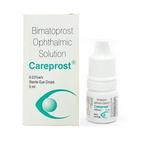
These drops gained immense popularity, demonstrating an incredibly fast and always noticeable result since its application. This innovative means will allow you to give your eyelashes an ideal look, strength and health, in whatever serious condition they are before the moment of its application. It is safe and effective providing amazing results.
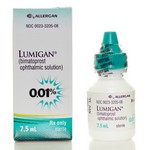
This means is prescribed to reduce eye pressure. Its active ingredient is synthetic prostaglandin bimatoprost – an unsaturated fatty acid, similar in its properties to hormones. Getting into the eye, drops help maintain the balance of the flow and outflow of eye fluid. It is a violation of this balance that leads to an increase in pressure, due to which the blood supply to the eye is impaired and the load on the optic nerve increases.

Bimatoprost reduces IOP in humans by increasing the outflow of aqueous humor through the trabecular meshwork and uveoscleral outflow. IOP reduction begins about 4 hours after the first use. The maximum effect is achieved after about 8–12 hours. The effect lasts for at least 24 hours.
4. Tips for using natural eye drops effectively
Using natural eye drops can be a great way to alleviate various eye issues and promote healthier and clearer eyes. However, to ensure maximum effectiveness, it is important to use them correctly. Here are some tips for using natural eye drops effectively:
Follow the instructions
Always read and follow the instructions provided with the natural eye drops. Each brand may have slightly different usage instructions, so it is important to familiarize yourself with them. The instructions will typically include information on dosage, frequency of use, and any specific precautions or warnings.
Wash your hands before application
Before applying the eye drops, make sure to wash your hands thoroughly with soap and water. This will help prevent any dirt or bacteria from entering your eyes, which could potentially cause further irritation or infection.
Administer the drops properly
When applying the eye drops, tilt your head back slightly and gently pull down your lower eyelid to create a small pocket. Hold the eye dropper above the eye and squeeze the recommended number of drops into the pocket. Be careful not to touch your eye or eyelid with the dropper tip to avoid contamination.
Close your eyes and blink
After administering the drops, close your eyes gently and blink a few times to help spread the solution evenly across the surface of your eyes. This will ensure that the drops reach all areas that need treatment.
Avoid touching your eyes
Try to avoid touching your eyes or rubbing them after applying the eye drops. This can potentially introduce bacteria or irritants into your eyes and reduce the effectiveness of the drops.
Store the eye drops correctly
Proper storage is important to maintain the effectiveness of the eye drops. Follow the storage instructions provided with the product, which may include keeping them at room temperature, away from direct sunlight, and keeping the bottle tightly closed when not in use.
By following these tips, you can ensure that you are using natural eye drops effectively and getting the most out of their benefits. However, if you have any concerns or the symptoms worsen, it is always a good idea to consult with an eye care professional for further guidance.
5. Tips for using natural eye drops effectively and safely
Using natural eye drops can be a great option for maintaining your eye health and addressing common eye problems. Here are some tips to help you use natural eye drops effectively and safely:
5.1 Follow the instructions
It is important to carefully read and follow the instructions provided with the natural eye drops. Each type of eye drop may have specific instructions for usage, dosage, and frequency. Make sure to use the drops as directed to maximize their benefits and minimize any potential risks.
5.2 Cleanliness is key
Prior to applying natural eye drops, it is essential to wash your hands thoroughly with soap and water to avoid introducing any dirt or bacteria into your eyes. In addition, make sure the eye dropper or bottle tip is clean and free from any contaminants.
5.3 Avoid touching the dropper tip to the eye
When applying the eye drops, avoid touching the dropper tip to your eye or any other surfaces. This can help prevent the transfer of bacteria or other microorganisms into the bottle, which can cause contamination and increase the risk of eye infections.
5.4 Use one drop at a time
Most natural eye drops require only one drop per eye. Squeeze the bottle gently to dispense a single drop, and try to aim it directly into the eye. Avoid blinking or rubbing your eyes immediately after applying the drops to allow them to fully coat the surface.
5.5 Follow the recommended schedule
Depending on the specific eye problem you are addressing, natural eye drops may need to be used multiple times a day or at specific intervals. Follow the recommended schedule provided with the eye drops to ensure that you are using them effectively and consistently.
5.6 Store the eye drops properly
Proper storage is important to maintain the effectiveness and safety of natural eye drops. Follow the storage instructions provided with the product, such as storing them at room temperature or in the refrigerator. Avoid exposing the drops to direct sunlight or extreme temperatures.
Remember, if you experience any unusual or worsening symptoms after using natural eye drops, it is important to consult with an eye care professional for further evaluation and guidance.
6. Tips for using natural eye drops safely and effectively
While natural eye drops can provide relief and promote healthier eyes, it’s important to use them safely and effectively. Here are some tips to keep in mind:
1. Consult with your eye doctor
Before using any new eye drops, it’s always a good idea to consult with your eye doctor. They can provide guidance on whether natural eye drops are suitable for your specific eye condition and can help you choose the right product.
2. Follow the instructions
Read and follow the instructions provided by the manufacturer of the natural eye drops. Each product may have specific guidelines for usage, dosage, and frequency of application. It’s important to adhere to these instructions to ensure maximum effectiveness and avoid any potential side effects.
3. Use clean hands and equipment
Before applying natural eye drops, wash your hands thoroughly with soap and water. This helps prevent the transfer of dirt and bacteria to your eyes. Additionally, make sure the dropper or applicator is clean and free from any debris.
4. Use the proper technique
When applying the eye drops, tilt your head back slightly and pull down your lower eyelid to create a small pocket. Gently squeeze the recommended number of drops (usually 1-2) into the pocket without touching your eye or eyelashes. Blink a few times to spread the eye drops evenly across the surface of your eye.
5. Store properly
Follow the storage instructions provided by the manufacturer. Some natural eye drops may need to be stored in a cool, dry place or refrigerated. Avoid exposing the eye drops to excessive heat or sunlight, as it may affect their potency.
6. Avoid sharing eye drops
Eye drops should not be shared with others, as it can increase the risk of spreading infections or contaminating the product. Each person should have their own bottle of eye drops to ensure proper hygiene.
By following these tips, you can safely and effectively use natural eye drops to relieve discomfort, soothe irritation, and promote healthier eyes. Remember, if you experience any adverse effects or if your symptoms persist or worsen, it’s important to seek medical attention from your eye doctor.
7. How to Preserve and Store Natural Eye Drops Properly
Proper storage and preservation of natural eye drops are essential to maintain their effectiveness and safety. Here are some important tips to consider:
1. Read the Instructions: Always read the instructions provided with the natural eye drops. Different brands may have specific storage recommendations.
2. Check the Expiry Date: Natural eye drops, like any other medication, have an expiry date. Make sure to check the bottle for the date and discard any eye drops that have expired.
3. Store in a Cool and Dry Place: Most natural eye drops should be stored in a cool and dry place away from direct sunlight. This helps to maintain the potency and integrity of the ingredients.
4. Avoid Contamination: To prevent contamination, it is crucial to handle the eye drops with clean hands. Make sure the bottle’s tip does not come into contact with any surfaces, including the eyes.
5. Close the Bottle Tightly: After each use, make sure to close the bottle tightly to prevent air, moisture, and impurities from entering. This can help extend the shelf life of the eye drops.
6. Avoid Sharing Eye Drops: Sharing eye drops, even natural ones, can spread infections and lead to cross-contamination. It is essential to use your own eye drops and not share them with others.
7. Do Not Use Expired Eye Drops: Using expired eye drops can be ineffective and potentially harmful. Always check the expiration date and replace the eye drops as needed.
8. Follow Storage Guidelines for Refrigerated Eye Drops: Some natural eye drops may require refrigeration for optimum freshness and effectiveness. If refrigeration is needed, follow the instructions provided by the manufacturer.
Proper storage and handling of natural eye drops are crucial to ensure their quality and effectiveness. By following these guidelines, you can maximize the benefits of natural eye drops and maintain good eye health.