Autologous Serum Eye Drops: A Breakthrough Treatment for Various Eye Conditions
Autologous serum eye drops, made from a patient’s own blood serum, have emerged as a revolutionary treatment for a range of eye conditions. These specialized eye drops are gaining popularity for their potential benefits in treating severe dry eye, corneal disorders, and ocular surface diseases.
But what exactly are autologous serum eye drops, and how are they made using a patient’s own blood serum? Let’s delve into the details.
What are Autologous Serum Eye Drops?
Autologous serum eye drops are a personalized treatment option for various eye conditions. They are made by diluting a patient’s own blood serum with a preservative-free saline solution and then processed into eye drops. The blood serum contains essential growth factors, nutrients, and proteins that can help promote healing and reduce inflammation in the eyes.
These eye drops have gained attention in recent years due to their natural composition and potential benefits in improving tear film stability, reducing ocular surface inflammation, and enhancing corneal healing.
Benefits of Autologous Serum Eye Drops
The use of autologous serum eye drops has shown promising results in the treatment of severe dry eye, corneal disorders, and ocular surface diseases. Some of the main benefits include:
- Increased tear film stability: Autologous serum eye drops provide the necessary components to enhance tear production and maintain tear film stability, improving symptoms of dry eye.
- Reduced inflammation: The growth factors and anti-inflammatory proteins present in autologous serum eye drops help reduce ocular surface inflammation and irritation.
- Promoted corneal healing: Autologous serum eye drops can accelerate the healing process of corneal wounds and injuries.
- Improved ocular surface health: By supplying essential nutrients and growth factors, autologous serum eye drops aid in maintaining a healthy ocular surface.
These benefits make autologous serum eye drops an attractive treatment option for patients with conditions that have not responded well to other conventional therapies.
As research in this field continues to expand, the potential applications of autologous serum eye drops are also widening. Studies have shown positive effects in conditions like graft-versus-host disease, dry eye associated with Sjögren’s syndrome, and persistent corneal epithelial defects.
Prescription Requirements for Autologous Serum Eye Drops
In order to obtain autologous serum eye drops, a prescription from an eye care professional is required. This is because autologous serum eye drops are a specialized treatment that needs to be carefully tailored to each individual patient’s needs.
The Importance of a Thorough Eye Examination and Evaluation
Before prescribing autologous serum eye drops, an eye care professional will typically conduct a thorough eye examination and evaluation. This is to determine the specific condition and severity of the patient’s eye condition, as well as to rule out any underlying causes or contraindications for autologous serum eye drops.
During the examination, the eye care professional may perform tests such as:
- Visual acuity tests to measure the patient’s ability to see clearly at various distances
- Slit-lamp examination to evaluate the health of the cornea and other structures of the eye
- Tear film evaluation to assess the quantity and quality of tears
- Conjunctival and corneal staining to detect any damage or abnormalities
Additionally, the eye care professional may ask the patient about their medical history, current medications, and any previous treatments they have tried for their eye condition.
Blood Sample Collection
Once the eye care professional determines that autologous serum eye drops are a suitable treatment option, a blood sample will need to be collected from the patient. This blood sample is used to create the autologous serum eye drops.
The process of collecting a blood sample typically involves a simple blood draw, similar to when a patient gives blood for other medical tests. The blood sample is then sent to a specialized compounding pharmacy, where it is processed and prepared to create the autologous serum eye drops.
It is important for patients to understand that the blood sample collection and processing should be done under sterile conditions to ensure the safety and efficacy of the autologous serum eye drops.
Ensuring Proper Use and Monitoring
Once the autologous serum eye drops are prescribed and prepared, the eye care professional will provide detailed instructions to the patient on how to use them properly. This may include information on storage, administration techniques, and the recommended frequency and duration of treatment.
It is crucial for patients to follow the prescribed treatment plan and diligently use the autologous serum eye drops as instructed. Regular follow-up visits may also be necessary to monitor the progress of the treatment and make any necessary adjustments.
If any side effects or concerns arise during the use of autologous serum eye drops, patients should contact their eye care professional immediately for guidance and support.
In conclusion, autologous serum eye drops require a prescription from an eye care professional due to their specialized nature. This ensures that patients receive the appropriate treatment for their specific eye condition and helps to minimize the risk of complications. By undergoing a thorough eye examination and evaluation, as well as following the prescribed treatment plan and monitoring, patients can maximize the benefits of autologous serum eye drops for their eye health.
Where to get autologous serum eye drops
If you have been prescribed autologous serum eye drops by your eye care professional, you may be wondering where you can obtain this specialized treatment. Autologous serum eye drops are not typically available at your local pharmacy and are instead produced by specialized compounding pharmacies. These compounding pharmacies have the capability to process and prepare the eye drops using your own blood serum, ensuring that the treatment is tailored specifically to you.
It’s important to note that not all compounding pharmacies are equipped to produce autologous serum eye drops, so it’s essential to find a reputable and experienced one. Your eye care professional may have a list of recommended compounding pharmacies that they work with, or they can help guide you in finding a suitable one.
When searching for a compounding pharmacy, look for one that is registered and accredited. This ensures that they meet the necessary standards for producing safe and effective medications. You can also check for reviews and testimonials from other patients who have used the pharmacy’s services to get an idea of their reputation and the quality of their products.
The availability of autologous serum eye drops may vary depending on your location. In some regions and cities, there may be a limited number of compounding pharmacies that offer this specific treatment. However, with the growing popularity and success of autologous serum eye drops, more pharmacies are starting to provide this service.
To find a compounding pharmacy that offers autologous serum eye drops, you can consult with your eye care professional or do an online search using keywords such as “autologous serum eye drops + [your location]” or “compounding pharmacy + autologous serum eye drops”. This can help you narrow down your options and find a pharmacy that is convenient for you to access.
It’s important to remember that autologous serum eye drops are only available by prescription from an eye care professional. This is because proper evaluation and examination of your eyes are necessary to determine if autologous serum eye drops are the appropriate treatment for your specific condition. Your eye care professional will assess your symptoms, perform tests, and review your medical history to determine if autologous serum eye drops are the best course of action.
In conclusion, autologous serum eye drops can be obtained from specialized compounding pharmacies. Finding a reputable and accredited compounding pharmacy is crucial to ensure the quality and safety of the product. Consulting with your eye care professional and following their prescribed treatment plan is essential for optimal results. Remember to always seek professional medical advice before starting or changing any treatment for your eye conditions.

Bimat eye drops are used to treat hypotrichosis, short, weak eyelashes. Bimat increases the length, thickness and enhances the color of eyelashes. These substances are also used to lower intraocular pressure in patients with a diagnosis of glaucoma. By reducing the pressure, the risk of blindness is significantly decreased.
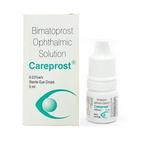
These drops gained immense popularity, demonstrating an incredibly fast and always noticeable result since its application. This innovative means will allow you to give your eyelashes an ideal look, strength and health, in whatever serious condition they are before the moment of its application. It is safe and effective providing amazing results.
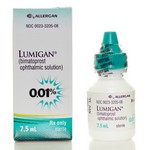
This means is prescribed to reduce eye pressure. Its active ingredient is synthetic prostaglandin bimatoprost – an unsaturated fatty acid, similar in its properties to hormones. Getting into the eye, drops help maintain the balance of the flow and outflow of eye fluid. It is a violation of this balance that leads to an increase in pressure, due to which the blood supply to the eye is impaired and the load on the optic nerve increases.

Bimatoprost reduces IOP in humans by increasing the outflow of aqueous humor through the trabecular meshwork and uveoscleral outflow. IOP reduction begins about 4 hours after the first use. The maximum effect is achieved after about 8–12 hours. The effect lasts for at least 24 hours.
How to Obtain a Prescription for Autologous Serum Eye Drops
Obtaining a prescription for autologous serum eye drops involves a process that begins with a consultation with an eye care professional. Here are the key steps to follow:
- Schedule an appointment with an eye care professional: To obtain a prescription for autologous serum eye drops, it is important to consult with a qualified eye care professional. This may be an ophthalmologist or optometrist who specializes in the treatment of various eye conditions.
- Evaluation and examination: During the consultation, the eye care professional will conduct a thorough evaluation and examination of the eyes. This is important to determine the specific condition or disorder that requires treatment with autologous serum eye drops. The eye care professional will assess the severity of the condition and identify any underlying causes or contributing factors.
- Blood sample collection: If autologous serum eye drops are deemed suitable for the treatment of the eye condition, the eye care professional will collect a blood sample from the patient. This blood sample is necessary to prepare the autologous serum eye drops. The collection procedure is typically quick and relatively painless.
- Prescription formulation: Once the blood sample is collected, it is sent to a specialized compounding pharmacy that has the necessary equipment and expertise to prepare autologous serum eye drops. The pharmacy will process the blood sample to extract the serum and then formulate it into eye drops that are tailored to the individual patient’s needs.
- Prescription and treatment plan: Once the prescription is prepared, the eye care professional will provide the patient with detailed instructions on how to properly use the autologous serum eye drops. The eye care professional will also establish a treatment plan, which may include the frequency and duration of use, as well as any precautions or potential side effects to be aware of. It is important for the patient to follow the prescribed treatment plan and consult with the eye care professional if any issues or concerns arise.
Getting a prescription for autologous serum eye drops requires a comprehensive evaluation and examination by an eye care professional. It is important to understand that autologous serum eye drops are not available over-the-counter and can only be obtained with a prescription. This ensures that the treatment is tailored to the individual patient’s needs and that proper monitoring can be conducted to ensure its effectiveness.
If you are experiencing severe dry eye, corneal disorders, or ocular surface diseases, it is recommended to consult with an eye care professional to determine if autologous serum eye drops are a suitable option for your specific needs.
For more information about autologous serum eye drops and their prescription requirements, you can refer to these authoritative sources:
- American Academy of Ophthalmology (AAO)
- American Association for Pediatric Ophthalmology and Strabismus (AAPOS)
- National Center for Biotechnology Information (NCBI)
Treatment Options for Eye Conditions: Alternatives to Autologous Serum Eye Drops
While autologous serum eye drops are a beneficial treatment option for various eye conditions, there are alternatives available for those who may not have access to or prefer not to use this specific treatment method. It’s important to consult with an eye care professional to determine the best option for your specific needs.
1. Over-the-Counter Lubricating Eye Drops
One alternative to autologous serum eye drops is over-the-counter lubricating eye drops. These drops are readily available in most pharmacies and can provide temporary relief for mild to moderate dry eye symptoms. They work by adding moisture and lubrication to the eyes.
It’s important to read the labels carefully and choose preservative-free eye drops to minimize the risk of irritation or sensitivity. However, it’s worth noting that overreliance on these drops may not be suitable for long-term management of severe dry eye.
2. Prescription Eye Drops with Preservatives
If over-the-counter eye drops are not providing sufficient relief, your eye care professional may prescribe prescription eye drops with preservatives. These drops are stronger and typically more effective in treating eye conditions such as severe dry eye.
However, it’s important to note that long-term use of eye drops with preservatives can cause irritation and allergic reactions in some individuals. Your eye care professional will carefully monitor your usage and recommend the best course of treatment for your specific condition.
3. Surgical Interventions
For certain eye conditions that cannot be effectively managed with eye drops alone, surgical interventions may be necessary. These could include procedures such as punctal plugs, which help to retain tears on the ocular surface, or surgeries to correct underlying issues causing dry eye or other ocular surface problems.
It’s important to discuss surgical options with an experienced eye care professional to understand the potential risks and benefits involved. Surgical interventions are typically considered when other treatment methods have failed or when the eye condition is severe or progressive.
Pros and Cons of Alternatives to Autologous Serum Eye Drops
Here is a comparison of the pros and cons of alternative treatment options:
| Alternative Treatment | Pros | Cons |
|---|---|---|
| Over-the-Counter Lubricating Eye Drops | – Easily accessible – Temporary relief for mild to moderate dry eye – Cost-effective |
– May not provide sufficient relief for severe dry eye – Overuse may lead to dependency |
| Prescription Eye Drops with Preservatives | – Stronger and more effective – Prescribed by an eye care professional |
– Potential for irritation or allergic reactions – Long-term use may have side effects |
| Surgical Interventions | – Can provide long-lasting relief – Corrects underlying issues causing eye conditions |
– Invasive procedures with potential risks – Requires careful consideration and evaluation before opting for surgery |
It’s important to discuss these alternatives with your eye care professional and weigh the potential benefits and risks to determine the best course of treatment for your specific eye condition. Always follow your eye care professional’s recommendations and attend regular follow-up visits to monitor your progress.
Remember, every individual’s eye condition is unique, and what works for one person may not work for another. Your eye care professional is the best source of guidance and can provide personalized recommendations based on your specific needs and medical history.
Tips for Using Autologous Serum Eye Drops Effectively
Using autologous serum eye drops can be an effective way to treat various eye conditions. Here are some tips to keep in mind when using them:
Proper Storage and Administration
It’s crucial to store autologous serum eye drops properly to maintain their efficacy. The drops should be stored in the refrigerator at a temperature between 2-8 degrees Celsius (35.6-46.4 degrees Fahrenheit). This helps to preserve the growth factors and other beneficial components present in the serum. Avoid freezing the drops as it can damage their properties.
When it comes to administration, follow the instructions provided by your eye care professional or the compounding pharmacy. Generally, the drops are applied by placing one or two drops into the eye using a sterile dropper or a small syringe.
Frequency and Duration of Treatment
The frequency of using autologous serum eye drops depends on the severity of your eye condition and the recommendations of your eye care professional. In most cases, the drops are used multiple times a day, typically ranging from 4 to 8 times. However, individualized instructions may vary, so it’s important to follow the specific guidelines given to you.
The duration of treatment can also vary depending on the underlying condition and its response to the autologous serum eye drops. Some individuals may see improvement within a few weeks, while others may require longer treatment periods. Regular follow-up appointments with your eye care professional can help monitor the progress and make necessary adjustments to the treatment plan.
Precautions and Side Effects
While autologous serum eye drops are generally safe, it’s important to be aware of potential precautions and side effects. Common precautions include avoiding using the drops if you have an active eye infection or if you are allergic to any components in the drops. It’s crucial to discuss any existing medical conditions or medications you are taking with your eye care professional before starting the treatment.
As for side effects, they are typically rare but can include temporary stinging, burning, or irritation upon application. If you experience any persistent or severe side effects, it’s important to contact your eye care professional for further guidance.
Follow the Prescribed Treatment Plan
To maximize the benefits of autologous serum eye drops, it’s crucial to follow the prescribed treatment plan. This includes using the drops as instructed, attending follow-up appointments, and communicating any concerns or changes in your eye condition with your eye care professional.
Keep in mind that autologous serum eye drops are a specialized treatment and may not be suitable for everyone. Your eye care professional will evaluate your condition, consider other treatment options, and determine if autologous serum eye drops are the right choice for you.
In conclusion, autologous serum eye drops can be a valuable treatment option for various eye conditions. By properly storing and administering the drops, following the recommended frequency and duration of treatment, and being aware of precautions and side effects, you can effectively use autologous serum eye drops to improve your eye health and alleviate symptoms.
Remember to consult with your eye care professional to determine if autologous serum eye drops are appropriate for your specific needs and to receive personalized instructions for their use.
Conclusion and Final Thoughts
In conclusion, autologous serum eye drops have shown great promise in the treatment of various eye conditions. Made from a patient’s own blood serum, these drops provide unique benefits that can help alleviate symptoms and improve ocular health.
The benefits of autologous serum eye drops include their ability to provide natural lubrication, nutrients, and growth factors to the eyes. They can effectively treat severe dry eye, corneal disorders, and ocular surface diseases that may not respond well to other treatments.
To obtain autologous serum eye drops, a prescription from an eye care professional is required. This is because a thorough eye examination and evaluation are necessary to determine if these drops are suitable for the patient’s specific needs. Additionally, the prescription ensures that the treatment plan is followed and any potential side effects are monitored.
Specialized compounding pharmacies can produce autologous serum eye drops using the patient’s blood sample. These pharmacies adhere to strict quality control measures to ensure the safety and effectiveness of the drops.
It is important to consider alternative treatment options for eye conditions if autologous serum eye drops are not available or suitable. Over-the-counter lubricating eye drops and prescription eye drops with preservatives can provide temporary relief, but may not address the underlying cause of the condition. Surgical interventions may be necessary for more severe cases.
When using autologous serum eye drops, it is important to store them properly and follow the prescribed treatment plan. Adherence to dosage instructions, frequency of use, and duration of treatment is crucial for optimal results. It is also important to be aware of any potential precautions or side effects that may arise.
In conclusion, autologous serum eye drops offer a unique and effective treatment option for various eye conditions. Consultation with an eye care professional is necessary to determine if autologous serum eye drops are a suitable option for individual needs. Their benefits in providing natural lubrication, nutrients, and growth factors make them a valuable addition to the treatment arsenal for conditions such as dry eye, corneal disorders, and ocular surface diseases. Trustworthy compounding pharmacies can provide autologous serum eye drops, ensuring safety and effectiveness. Overall, autologous serum eye drops provide a personalized approach to eye care and can greatly improve patient outcomes.
Further reading:
– American Academy of Ophthalmology: https://www.aao.org/
– National Institute of Health: https://www.nih.gov/
– PubMed: https://pubmed.ncbi.nlm.nih.gov/