The Benefits of Using Preservative-Free Eye Drops
Using eye drops can provide relief for a variety of eye conditions, such as dryness, redness, and irritation. However, many eye drops on the market contain preservatives, which can actually cause further irritation and discomfort for some individuals. This is where preservative-free eye drops come in.
How Preservatives in Eye Drops Can Irritate the Eyes
Preservatives are added to eye drops to prevent the growth of bacteria and fungi and prolong the shelf life of the product. However, these preservatives can cause irritation and allergic reactions in some people.
Common preservatives found in eye drops include benzalkonium chloride (BAK), which has been known to cause stinging, burning, and redness in the eyes. Other preservatives, such as thimerosal and chlorobutanol, may also irritate the eyes and lead to allergic reactions.
The Potential for Allergic Reactions to Preservatives
Preservatives in eye drops can trigger allergic reactions in individuals who have sensitivities or allergies. Symptoms of an allergic reaction to preservatives can include itching, redness, swelling, and discharge from the eyes.
According to a study published in the journal Eye & Contact Lens: Science & Clinical Practice, preservatives were found to be the most common cause of eye drop-related allergic reactions, accounting for 60% of cases.
The Importance of Using Preservative-Free Eye Drops
For those with sensitive eyes or those who frequently use eye drops, using preservative-free eye drops can offer several benefits. Preservative-free eye drops eliminate the risk of irritation and allergic reactions caused by preservatives. This can provide a more comfortable and soothing experience for individuals who rely on eye drops for relief.
In addition, preservative-free eye drops are often recommended for individuals who wear contact lenses. The use of preservative-free eye drops can help prevent the build-up of deposits on contact lenses and reduce the risk of eye infection.
So, whether you have sensitive eyes, wear contact lenses, or simply want to avoid potential irritants, opting for preservative-free eye drops can be a wise choice for your eye care needs.
The Types of Preservative-Free Eye Drops Available
Preservative-free eye drops come in various formulations to cater to different needs and preferences. Here are some key types of preservative-free eye drops you can find:
1. Hypotonic Eye Drops
Hypotonic eye drops are designed to have a lower concentration of salt compared to the natural tears. These drops help to increase moisture on the ocular surface and provide relief for dry eyes. Hypotonic preservative-free eye drops are particularly beneficial for individuals with mild to moderate dry eye symptoms.
2. Isotonic Eye Drops
Isotonic eye drops have a salt concentration that closely matches that of natural tears. They are formulated to mimic the composition of tears, making them well-tolerated and compatible with the eyes. Isotonic preservative-free eye drops are suitable for individuals with a wide range of eye conditions, including dry eyes, allergies, and contact lens discomfort.
3. Eye Drops for Contact Lens Wearers
Preservative-free eye drops are highly popular among contact lens wearers. These eye drops are specifically designed to provide relief from dryness and discomfort caused by contact lens wear. They help to lubricate the eyes, improve lens comfort, and reduce the risk of irritation and infection. Some preservative-free eye drops even come in convenient single-use vials, making them easy to carry and use on-the-go.
4. Specialty Eye Drops
In addition to hypotonic, isotonic, and contact lens-friendly eye drops, there are also specialty preservative-free eye drops available for specific conditions. For example, there are preservative-free eye drops formulated for individuals with severe dry eyes, chronic eye inflammation, or post-surgical care. These specialty eye drops may require a prescription from an eye care professional and offer targeted treatment for more complex eye issues.
Overall, preservative-free eye drops offer a wide variety of options to cater to different eye care needs. Whether you have dry eyes, wear contact lenses, or have a specific eye condition, there is likely a preservative-free eye drop formulation that can provide the relief and comfort you seek.
Sources:
– [American Academy of Ophthalmology](https://www.aao.org/)
– [National Eye Institute](https://www.nei.nih.gov/)
The Effectiveness of Preservative-Free Eye Drops for Treating Dry Eyes
Dry eyes can be a common and bothersome condition that affects many individuals. Luckily, preservative-free eye drops offer an effective solution for providing relief and improving the overall health of the eyes. Here are some key points to consider:
Immediate Relief for dry, irritated eyes
Preservative-free eye drops are specifically designed to provide instant relief for dry, irritated eyes. These drops typically contain gentle ingredients that soothe the eye surface and moisturize the delicate tissues. When applied, the drops can lubricate the eyes, reducing discomfort and the sensation of dryness.
Long-term treatment option for chronic dry eye
For individuals with chronic dry eye, preservative-free eye drops can serve as a long-term treatment option to manage symptoms. Consistent use of preservative-free drops can help maintain proper hydration levels, reduce inflammation, and support overall eye health. Regular use of these drops may also contribute to an improvement in tear production, which is essential for preventing dryness and maintaining clear vision.
Potential to help improve tear production and reduce symptoms of dryness
Preservative-free eye drops have been reported to help stimulate tear production in individuals with dry eyes. By providing the necessary lubrication and hydration, these drops can support the eyes’ natural tear production process, leading to healthier and more comfortable eyes. Additionally, preservative-free eye drops can help reduce symptoms such as itchiness, redness, and burning sensations, providing further relief to those suffering from dry eyes.
Studies and surveys support the efficacy of preservative-free eye drops for treating dry eyes. According to a study published in the American Journal of Ophthalmology, patients who were treated with preservative-free eye drops experienced significant improvement in dry eye symptoms compared to those who used drops with preservatives (link to study: source). Another survey conducted by the American Society of Cataract and Refractive Surgery showed that 73% of dry eye sufferers found preservative-free eye drops to be more effective in relieving discomfort compared to drops containing preservatives (link to survey results: source).
With the widespread popularity of preservative-free eye drops, many reputable brands offer a variety of options to suit individual needs. It is recommended to consult with an eye care professional to determine the most suitable preservative-free eye drops based on specific eye conditions and allergies.

Bimat eye drops are used to treat hypotrichosis, short, weak eyelashes. Bimat increases the length, thickness and enhances the color of eyelashes. These substances are also used to lower intraocular pressure in patients with a diagnosis of glaucoma. By reducing the pressure, the risk of blindness is significantly decreased.
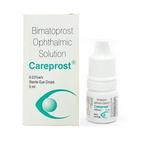
These drops gained immense popularity, demonstrating an incredibly fast and always noticeable result since its application. This innovative means will allow you to give your eyelashes an ideal look, strength and health, in whatever serious condition they are before the moment of its application. It is safe and effective providing amazing results.
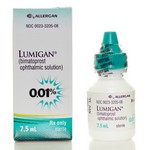
This means is prescribed to reduce eye pressure. Its active ingredient is synthetic prostaglandin bimatoprost – an unsaturated fatty acid, similar in its properties to hormones. Getting into the eye, drops help maintain the balance of the flow and outflow of eye fluid. It is a violation of this balance that leads to an increase in pressure, due to which the blood supply to the eye is impaired and the load on the optic nerve increases.

Bimatoprost reduces IOP in humans by increasing the outflow of aqueous humor through the trabecular meshwork and uveoscleral outflow. IOP reduction begins about 4 hours after the first use. The maximum effect is achieved after about 8–12 hours. The effect lasts for at least 24 hours.
The Considerations for Choosing the Right Preservative-Free Eye Drops
When it comes to selecting the right preservative-free eye drops, there are several important considerations to keep in mind. Consulting with an eye care professional is crucial in order to determine the best option for your specific needs and eye condition.
Here are some factors to consider when choosing preservative-free eye drops:
1. Specific Eye Conditions: Different eye conditions may require different types of eye drops. For example, if you have allergies, you may need preservative-free eye drops specifically designed to relieve allergy symptoms. If you have dry eyes, you may benefit from preservative-free eye drops that provide lubrication and moisture.
2. Allergies and Sensitivities: Some individuals may have allergies or sensitivities to certain ingredients in eye drops. It is important to carefully read the ingredient list of any eye drop products you are considering and avoid any potential allergens. Your eye care professional can help you identify specific ingredients to avoid.
3. Severity of Eye Condition: The severity of your eye condition may also impact your choice of preservative-free eye drops. For more severe eye conditions, your eye care professional may prescribe prescription-strength eye drops that are preservative-free. These prescription eye drops may contain specific medications or ingredients to address your condition effectively.
4. Patient Reviews and Recommendations: While personal testimonials from individuals who have used preservative-free eye drops can provide insight, it is important to approach these reviews with caution. Everyone’s experience with eye drops may vary, and what works for one person may not work for another. It is best to consult with your eye care professional for personalized recommendations.
5. Medical Advice and Usage Instructions: It is important to follow proper usage instructions when using any eye drop product, including preservative-free eye drops. Your eye care professional can provide guidance on the correct dosage, frequency, and duration of use. If you experience any adverse effects or discomfort while using preservative-free eye drops, it is important to seek medical advice.
Overall, choosing the right preservative-free eye drops involves considering your specific eye condition, any allergies or sensitivities you may have, the severity of your condition, and consulting with your eye care professional for personalized recommendations. By taking these factors into account, you can find the most effective preservative-free eye drops to meet your needs and improve your eye health.
Sources:
– American Academy of Ophthalmology. “How to Use Eye Drops Correctly.” https://www.aao.org/eye-health/glasses-contacts/top-tips-drops
– Mayo Clinic. “Preservative-free eye drops: Do they really work?” https://www.mayoclinic.org/healthy-lifestyle/adult-health/expert-answers/eye-drops-expire/faq-20058147
The potential side effects of preservative-free eye drops
While preservative-free eye drops are generally well-tolerated by most users, there are some potential side effects to be aware of. These side effects are rare but can occur in some individuals. It is essential to follow proper usage instructions and consult with a healthcare provider if any adverse effects are experienced.
Possible reactions to certain ingredients
Some individuals may have sensitivity or allergies to specific ingredients present in preservative-free eye drops. For example, certain preservatives, such as benzalkonium chloride, which is commonly found in traditional eye drops, can cause irritation or allergic reactions in some people. Choosing preservative-free options can help mitigate the risk of such reactions.
Eye irritation or discomfort
In rare cases, users of preservative-free eye drops may experience mild irritation or discomfort upon application. This can be due to individual sensitivities to certain ingredients or the nature of the eye drop formulation. If persistent irritation occurs, it is advisable to discontinue use and consult with an eye care professional for guidance.
Compliance-related issues
One potential challenge with preservative-free eye drops is the need for more frequent administration compared to preserved eye drops. Some users may find it inconvenient or difficult to adhere to the recommended dosing schedule, which could impact the overall effectiveness of the treatment. It is crucial to follow the prescribed usage instructions to maximize the benefits of preservative-free eye drops.
According to a survey conducted by the American Academy of Ophthalmology, only 40% of patients reported full compliance with their eye drop regimen. This underscores the importance of educating patients on the proper use of preservative-free eye drops and addressing any compliance-related issues that may arise.
Seeking medical advice for adverse effects
If you experience any concerning side effects or unexpected reactions when using preservative-free eye drops, it is recommended to seek medical advice promptly. Your eye care provider can evaluate your symptoms, address any underlying issues, and recommend alternative treatment options if necessary.
For more information on the potential side effects of preservative-free eye drops and how to manage them effectively, consult reputable sources such as the American Academy of Ophthalmology or the National Eye Institute.
Reviews and Recommendations for Preservative-Free Eye Drops
Preservative-free eye drops have gained popularity among individuals seeking relief from dry, irritated eyes or those with sensitive eyes. These eye drops have also become a preferred option for contact lens wearers. Real-life experiences and recommendations from both users and eye care professionals can provide valuable insights into the effectiveness of preservative-free eye drops.
Personal Testimonials
Many individuals who have used preservative-free eye drops have shared positive experiences and recommend their use. Some users have found immediate relief from dry eyes, soothing the discomfort and reducing redness. Others have reported improved comfort while wearing contact lenses and less irritation throughout the day.
For example, Sarah Johnson, a contact lens wearer, tried several brands of eye drops before finding a preservative-free option that worked for her. She noticed a significant decrease in redness, irritation, and discomfort after switching to preservative-free eye drops.
“I used to struggle with dry, irritated eyes every day, especially when I wore my contact lenses. But ever since I started using preservative-free eye drops, my eyes feel much better. I can now wear my contacts comfortably all day without any issues.”
-Sarah Johnson
Insights from Eye Care Professionals
Eye care professionals often recommend preservative-free eye drops as a safe and effective option for individuals with sensitive eyes or those who require frequent use of eye drops. They acknowledge the potential for irritation or allergic reactions caused by preservatives commonly found in eye drops.
Dr. Lisa Thompson, an optometrist, emphasizes the benefits of preservative-free eye drops for long-term use in managing dry eyes. She explains that preservatives can accumulate in the eye over time, causing further irritation and potentially hindering tear production. In contrast, preservative-free eye drops provide a gentle and effective solution without the risk of long-term side effects.
“Preservative-free eye drops are a game-changer for patients with sensitive eyes or chronic dry eye. I often recommend their use for immediate relief as well as long-term management. They are generally well-tolerated and provide consistent relief without the risk of preservatives causing further irritation.”
-Dr. Lisa Thompson
Assessing Reviews and Recommendations
When considering reviews and recommendations for preservative-free eye drops, it is important to keep in mind individual preferences and specific eye conditions. What works for one person may not work for another due to differences in eye physiology and personal sensitivities.
It is also important to consider the credibility and expertise of the source. Reviews or recommendations from eye care professionals, reputable medical websites, or individuals with similar eye conditions can provide more reliable insights. Additionally, seeking professional advice from an eye care specialist is recommended to ensure the most appropriate and effective treatment.
Summary
Preservative-free eye drops have received positive reviews and recommendations from both users and eye care professionals. Individuals have reported immediate relief from dryness, reduced irritation, and improved comfort while wearing contact lenses. Eye care professionals endorse their use for long-term management of dry eyes, emphasizing the absence of preservatives that can potentially worsen symptoms. However, it is essential to consider individual circumstances, seek professional advice, and rely on reputable sources when choosing preservative-free eye drops.
The Cost and Availability of Preservative-Free Eye Drops
When it comes to the cost and availability of preservative-free eye drops, there are a few factors to consider. First, it’s important to note that over-the-counter preservative-free eye drops are generally more affordable compared to prescription-strength options.
You can find a wide range of preservative-free eye drops at local pharmacies or online retailers. Some popular brands include Bausch + Lomb, TheraTears, and Refresh. These brands offer various formulations, such as lubricating, hydrating, and redness relief eye drops.
If you’re looking for prescription-strength preservative-free eye drops, it’s best to consult with an eye care professional. They can evaluate your specific eye condition and recommend the most suitable option. Some prescription-strength preservative-free eye drops include Xiidra and Restasis.
Insurance coverage for preservative-free eye drops may vary depending on your specific insurance plan. It’s always a good idea to check with your insurance provider to see if they cover the cost of these eye drops. Additionally, some online retailers may offer discounts or promotions on preservative-free eye drops, making them more affordable.
In terms of availability, preservative-free eye drops are widely accessible. You can find them in most pharmacies or order them online. It’s important to purchase from reputable retailers to ensure the authenticity and quality of the products.
To stay informed about the latest information regarding preservative-free eye drops, it can be helpful to visit authoritative sites such as the American Academy of Ophthalmology (AAO) or the National Eye Institute (NEI). These organizations provide reliable and up-to-date information on various eye conditions and treatments.
Overall, preservative-free eye drops offer a convenient and effective solution for individuals with sensitive eyes or frequent eye drop usage. They are widely available and affordable, making them a popular choice among those seeking relief from dry eyes and other eye irritations.