Introduction to Polyvinyl Alcohol Eye Drops and Their Benefits
Polyvinyl alcohol eye drops are a popular choice for treating various eye conditions due to their effectiveness and numerous benefits. These eye drops are designed to provide lubrication and protection for dry eyes, making them a valuable option for those experiencing discomfort or irritation in their eyes.
One of the key advantages of polyvinyl alcohol eye drops is their ability to lubricate the eyes, providing relief from dryness and reducing the symptoms associated with this condition. Dry eyes can be caused by a variety of factors, including environmental conditions, prolonged screen time, or certain medications. By using polyvinyl alcohol eye drops, individuals can quickly alleviate discomfort and restore moisture to their eyes.
Another benefit of polyvinyl alcohol eye drops is their low risk of causing allergic reactions. Unlike some other eye drop formulations that contain preservatives or other potential allergens, polyvinyl alcohol eye drops are designed to be gentle on the eyes and minimize the risk of adverse reactions. This makes them suitable for individuals with sensitive eyes or a history of allergies.
Using Polyvinyl Alcohol Eye Drops with Contacts: What You Need to Know
When it comes to managing various eye conditions, polyvinyl alcohol eye drops have proven to be a popular choice for many individuals. These eye drops provide lubrication and protection, making them an effective solution for dry eyes. Additionally, they have a low risk of causing allergic reactions, making them suitable for those with sensitive eyes.
If you’re a contact lens wearer and considering using polyvinyl alcohol eye drops, you may be wondering about their compatibility with your lenses. The good news is that polyvinyl alcohol eye drops are typically safe to use with contact lenses. This is due to the absence of preservatives that can potentially damage your lenses.
When using polyvinyl alcohol eye drops with contacts, it is important to follow the proper guidelines to ensure the best possible experience:
- 1. Remove your contact lenses before applying the eye drops: Before applying polyvinyl alcohol eye drops, it is recommended to remove your contact lenses. This allows the eye drops to fully interact with your eyes without any interference.
- 2. Administer the recommended dosage: The dosage of eye drops can vary depending on the brand and your specific needs. Always follow the instructions provided by your eye care professional or the packaging of the eye drops.
- 3. Wait before reinserting your lenses: After applying polyvinyl alcohol eye drops, it is advisable to wait at least 15 minutes before reinserting your contact lenses. This ensures that the eye drops have had enough time to fully absorb into your eyes.
While polyvinyl alcohol eye drops are generally safe for contact lens wearers, it’s important to consult your eye care professional for personalized advice. They can provide guidance based on your specific needs and may recommend alternative solutions if needed.
Comparing Polyvinyl Alcohol Eye Drops to Other Types of Eye Drops
When it comes to choosing the right eye drops for your contact lenses, it’s important to understand the differences between various types of eye drops. One popular option is polyvinyl alcohol eye drops, but how do they compare to other commonly used eye drops, such as ciclosporin eye drops?
Polyvinyl Alcohol Eye Drops
Polyvinyl alcohol eye drops, also known as PVA eye drops, are a preservative-free option that provide lubrication and relief for dry eyes. They work by forming a protective layer over the surface of the eye, helping to retain moisture and reduce discomfort.
Some of the benefits of polyvinyl alcohol eye drops include:
- Lubrication for dry eyes: Polyvinyl alcohol eye drops help to alleviate dryness and provide long-lasting relief for individuals with dry eyes.
- Protection for the eyes: These eye drops create a barrier on the surface of the eye, shielding it from irritants and pollutants.
- Low risk of allergies: Polyvinyl alcohol eye drops have a low risk of causing allergic reactions, making them suitable for individuals with sensitive eyes.
Overall, polyvinyl alcohol eye drops are a reliable and effective option for managing dry eyes and providing comfort.
Comparing to Other Eye Drops
One common comparison made is between polyvinyl alcohol eye drops and ciclosporin eye drops. While both are used to treat dry eyes, there are some key differences between the two.
Ciclosporin eye drops, also known as cyclosporine eye drops, work by reducing inflammation in the eyes. They are typically used to treat chronic dry eye conditions, such as those caused by autoimmune disorders. Ciclosporin eye drops may require a prescription and are usually used in a more targeted and specific manner compared to polyvinyl alcohol eye drops.
However, one advantage of polyvinyl alcohol eye drops over ciclosporin eye drops is that they are preservative-free. Some preservatives found in eye drops can cause damage to contact lenses over time, leading to discomfort or even lens deterioration. Polyvinyl alcohol eye drops do not contain preservatives, making them compatible with contact lenses.
It’s important to note that the best eye drops for you may vary depending on your specific eye condition and the recommendations of your healthcare professional. If you are unsure which type of eye drops to use, it is always best to consult with an eye care professional for personalized advice.
When to Choose Polyvinyl Alcohol Eye Drops
If you wear contact lenses and are experiencing dry eyes, polyvinyl alcohol eye drops are an excellent choice. They provide lubrication, protection, and are compatible with contact lenses. Additionally, their low risk of causing allergic reactions makes them suitable for individuals with sensitive eyes.
While polyvinyl alcohol eye drops are effective for managing dry eyes, it is important to address the underlying cause of your dry eye symptoms. If you consistently experience dry eyes despite using eye drops, it may be beneficial to consult with an eye care professional to rule out any underlying conditions or to explore additional treatment options.

Bimat eye drops are used to treat hypotrichosis, short, weak eyelashes. Bimat increases the length, thickness and enhances the color of eyelashes. These substances are also used to lower intraocular pressure in patients with a diagnosis of glaucoma. By reducing the pressure, the risk of blindness is significantly decreased.
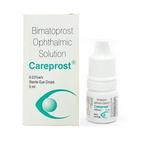
These drops gained immense popularity, demonstrating an incredibly fast and always noticeable result since its application. This innovative means will allow you to give your eyelashes an ideal look, strength and health, in whatever serious condition they are before the moment of its application. It is safe and effective providing amazing results.
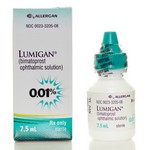
This means is prescribed to reduce eye pressure. Its active ingredient is synthetic prostaglandin bimatoprost – an unsaturated fatty acid, similar in its properties to hormones. Getting into the eye, drops help maintain the balance of the flow and outflow of eye fluid. It is a violation of this balance that leads to an increase in pressure, due to which the blood supply to the eye is impaired and the load on the optic nerve increases.

Bimatoprost reduces IOP in humans by increasing the outflow of aqueous humor through the trabecular meshwork and uveoscleral outflow. IOP reduction begins about 4 hours after the first use. The maximum effect is achieved after about 8–12 hours. The effect lasts for at least 24 hours.
How to Use Polyvinyl Alcohol Eye Drops for Red Eyes
Red eyes can be a common and uncomfortable condition that can be caused by a variety of factors such as allergies, dryness, or irritation. Polyvinyl alcohol eye drops can provide relief for red eyes by lubricating and soothing the eyes. Here are step-by-step instructions on how to use polyvinyl alcohol eye drops to relieve redness:
1. Start by washing your hands thoroughly with soap and water to ensure cleanliness.
2. Remove the cap from the polyvinyl alcohol eye drop bottle, being careful not to touch the tip of the bottle with your fingers to avoid contamination.
3. Tilt your head back slightly and gently pull down your lower eyelid with one hand to create a small pocket.
4. Hold the eye drop bottle upside down with the other hand, and carefully squeeze one or two drops into the pocket created by the lower eyelid. Be sure to aim the drops towards the center of your eye and avoid touching the tip of the bottle to your eye.
5. Release your lower eyelid and close your eye gently. Do not blink or rub your eye immediately after applying the eye drops to allow them to spread evenly over the surface of your eye.
6. If needed, you can use a clean tissue or cloth to gently wipe away any excess eye drops that may have dripped onto your eyelids or cheeks.
7. Repeat these steps for your other eye if necessary, following the same precautions.
It’s important to note that if your red eyes persist or worsen after using polyvinyl alcohol eye drops, it is recommended to consult a healthcare professional. They can provide further guidance and determine if additional treatment or evaluation is needed.
Remember, this information is provided as a general guideline and may not be suitable for everyone. Consult with your eye care professional for personalized advice on using eye drops for red eyes and any other eye concerns you may have.
Sources:
– American Academy of Ophthalmology. (n.d.). Red Eye. Retrieved from https://www.aao.org/eye-health/symptoms/red-eye
– Mayo Clinic. (2020, September 20). Eye Drops: How to Put in Eye Drops and Ointment. Retrieved from https://www.mayoclinic.org/diseases-conditions/eye-herpes/multimedia/ how-to-put-in-eye-drops/vid-20084691
The Best Preservative-Free Eye Drops for Contacts
Comparing Different Brands
When it comes to choosing the best preservative-free eye drops for contacts, there are several options available in the market. It is important to select a brand that is not only effective in providing relief but also safe for your contact lenses. Here, we compare some of the top brands and highlight their features and benefits:
| Brand | Features | Benefits |
|---|---|---|
| Bausch + Lomb Preservative-Free Lubricant Eye Drops | – Contains hyaluronate sodium for long-lasting relief – Clinically proven to provide immediate and long-lasting hydration – Compatible with all types of contact lenses |
– Provides soothing relief for dry eyes – Does not cause irritation or discomfort – Suitable for daily use |
| Refresh Optive Preservative-Free Eye Drops | – Dual-action formula lubricates and hydrates the eyes – Contains carboxymethylcellulose sodium and glycerin for long-lasting relief – Clinically proven to protect and restore the natural tears |
– Relieves dryness and discomfort – Refreshes and moisturizes the eyes – Ideal for sensitive eyes |
| Systane Ultra Preservative-Free Eye Drops | – High-performance lubrication and extended protection – Contains polyethylene glycol and propylene glycol – Clinically proven to reduce dry eye symptoms |
– Provides long-lasting relief – Reduces inflammation and irritation – Suitable for moderate to severe dry eyes |
Recommended Eye Drops based on Customer Reviews
Based on customer reviews and effectiveness, here are some of the most recommended preservative-free eye drops for contacts:
- Bausch + Lomb Preservative-Free Lubricant Eye Drops – Customers rave about the immediate and long-lasting relief they experience with these eye drops. Many users with dry eyes have found them to be highly effective in providing hydration and comfort.
- Refresh Optive Preservative-Free Eye Drops – These eye drops have received positive feedback for their dual-action formula that lubricates and hydrates the eyes. Users appreciate the refreshing and moisturizing effect, especially those with sensitive eyes.
- Systane Ultra Preservative-Free Eye Drops – These eye drops have been praised for their high-performance lubrication and extended protection. Users with moderate to severe dry eyes have reported significant reduction in symptoms and improved comfort.
Eye Drops and Contact Lens Compatibility
When using eye drops with contact lenses, it is crucial to choose preservative-free options to avoid any potential lens damage. The brands mentioned above are all preservative-free and therefore considered safe for use with contact lenses.
It is important to note that while these eye drops are generally compatible with contact lenses, it is recommended to remove your lenses before application. This allows for better absorption and prevents any potential interaction between the eye drops and the lens material.
Additional Tips for Using Eye Drops with Contacts
To ensure proper usage and avoid any complications, here are some additional tips for using eye drops with contact lenses:
- Wash your hands thoroughly before handling your contact lenses or applying eye drops.
- Follow the instructions provided with the eye drops, including dosage and frequency of use.
- Avoid touching the tip of the eye drop bottle to prevent contamination.
- Wait at least 15 minutes after applying the eye drops before reinserting your contact lenses.
- Store your eye drops in a cool, dry place and avoid exposing them to excessive heat or sunlight.
- Ensure proper contact lens hygiene by cleaning and disinfecting them regularly.
- Consult with your eye care professional if you experience any persistent or severe eye symptoms.
Remember, the information provided here is based on customer reviews and general recommendations. It is always best to consult with a healthcare professional for personalized advice on using eye drops with contact lenses.
Addressing Common Concerns About Using Eye Drops with Contact Lenses
Choosing Contact Lens-Friendly Eye Drops
When it comes to using eye drops with contact lenses, it is essential to select products that are compatible with your lenses. Contact lens-friendly eye drops are formulated to be gentle on the eyes and safe to use without causing discomfort or lens damage. When choosing eye drops for use with contacts, consider the following:
- Look for eye drops specifically labeled as safe for use with contact lenses.
- Opt for preservative-free eye drops, as they are less likely to cause irritation or allergic reactions.
- Read product labels and look for ingredients that are known to be compatible with contact lenses, such as polyvinyl alcohol.
By selecting eye drops designed for contact lens wearers, you can minimize the risk of discomfort and potential issues with your lenses.
Addressing Concerns and Misconceptions
Some people may have concerns about using eye drops with their contact lenses, but many of these concerns can be addressed with the right information and proper use. Here are a few common concerns and the facts to set the record straight:
“Will eye drops cause discomfort with my contact lenses?”
While some eye drops may cause temporary mild discomfort when first applied, selecting contact lens-friendly eye drops can minimize this risk. Choosing preservative-free and lubricating eye drops can help alleviate any potential discomfort.
“Can eye drops damage or dislodge my contact lenses?”
When used correctly, eye drops should not damage or dislodge contact lenses. It is crucial to follow the recommended instructions for use and avoid touching the tip of the eye drop bottle to the surface of your lenses to prevent any potential damage.
“Are there any specific tips or precautions for using eye drops with contact lenses?”
Yes, there are a few additional tips to keep in mind when using eye drops with contact lenses:
- Remove your contact lenses before applying eye drops to avoid any potential interaction between the drops and your lenses.
- Wait at least 15 minutes after applying the eye drops before reinserting your contact lenses to ensure the drops have had enough time to absorb and provide the desired effect.
- Always consult with your eye care professional or healthcare provider if you have any specific concerns about using eye drops with your contact lenses.
Ensuring Eye Health and Safety with Contacts
Using eye drops with contact lenses is just one aspect of maintaining eye health and safety. Here are a few additional tips to keep in mind:
- Follow proper contact lens hygiene practices, such as washing your hands before handling your lenses and using only approved solutions for cleaning and storing them.
- Avoid wearing your contact lenses for longer than the recommended duration to minimize the risk of discomfort, dryness, and potential eye infections.
- Schedule regular check-ups with an eye care professional to ensure your eyes and contact lenses remain in optimal condition.
Remember, when in doubt or for personalized advice about using eye drops with your contact lenses, it’s always best to consult with a healthcare professional.
Conclusion and Final Tips for Using Eye Drops with Contact Lenses
In conclusion, using eye drops with contact lenses can provide relief and support for various eye conditions. However, it’s important to choose the right eye drops that are compatible with your contacts and promote overall eye health. Here are some final tips to keep in mind:
1. Consult with a healthcare professional: If you have any concerns or specific eye conditions, it’s always best to consult with an eye care professional. They can provide personalized advice and recommendations based on your individual needs.
2. Proper contact lens hygiene: Prioritize proper hygiene when it comes to your contact lenses. Make sure to thoroughly clean and disinfect your lenses as instructed by your eye care professional. This will help prevent any potential complications or discomfort when using eye drops.
3. Regular check-ups: Schedule regular check-ups with your eye care professional to monitor your eye health and address any issues or concerns. They can also provide necessary adjustments to your contact lens prescription if needed.
4. Choose contact lens-friendly eye drops: Look for eye drops specifically designed for use with contact lenses. These eye drops are typically preservative-free and safe for use with contacts. Avoid using any eye drops that contain preservatives, as they can potentially damage your lenses.
5. Follow proper application instructions: Always follow the instructions on the eye drop packaging for proper application. This may include removing your contact lenses before applying the drops and waiting a specific amount of time before reinserting them.
Remember, the health and comfort of your eyes should always be a priority. By following these tips and seeking guidance from a healthcare professional, you can effectively use eye drops while wearing contact lenses and maintain optimal eye health.
For more information on eye drops and contact lens care, you can visit the following authoritative sources:
– American Academy of Ophthalmology: [https://www.aao.org/](https://www.aao.org/)
– American Optometric Association: [https://www.aoa.org/](https://www.aoa.org/)