Why Tapering Off Steroid Eye Drops is Important for Effective Treatment
Using steroid eye drops is a common treatment for various eye conditions, including inflammation, allergies, and certain autoimmune diseases. These medications work by reducing inflammation and suppressing the immune response in the eyes. However, it is important to understand the importance of tapering off these medications gradually for effective treatment.
Tapering off steroid eye drops involves gradually reducing the dosage and frequency of administration over time. This allows the body to adjust to lower levels of the medication and helps to minimize the risk of side effects.
The Benefits of Tapering Off Steroid Eye Drops Gradually
There are several benefits to tapering off steroid eye drops gradually:
- Prevention of rebound inflammation: Sudden discontinuation of steroid eye drops can lead to a rebound effect, where inflammation worsens after stopping the medication. Gradually tapering off the medication helps to prevent this issue.
- Reduced risk of side effects: Prolonged use of steroid eye drops can increase the risk of side effects, such as increased intraocular pressure, cataracts, and eye infections. By tapering off the medication, the risk of these side effects can be minimized.
- Optimal management of symptoms: Tapering off steroid eye drops allows for careful monitoring of symptoms and ensures that the medication is still providing the desired effect. It allows for adjustments in the treatment plan as needed.
In order to achieve these benefits, it is important to follow the prescribed dosage and duration of treatment recommended by an eye care specialist. They will determine the appropriate tapering schedule based on an individual’s specific condition and response to the medication.
It is always recommended to consult with an eye care specialist before making any changes to the medication regimen. They have the expertise and knowledge to guide patients through the tapering process and ensure the best possible outcome.
Understanding the Risks of Prolonged Steroid Eye Drop Use
Steroid eye drops are commonly prescribed to treat various eye conditions, including inflammation, allergies, and certain types of infections. While these medications can be highly effective in managing symptoms and promoting healing, it is important to be aware of the potential risks associated with prolonged use of steroid eye drops.
Potential Side Effects
Prolonged use of steroid eye drops can lead to several side effects that may affect the health of your eyes. Here are some potential risks to be aware of:
- Increased Intraocular Pressure (IOP): Steroid eye drops can increase the pressure inside your eyes, a condition known as increased intraocular pressure. This can be a significant concern for individuals who are already at risk or have a history of glaucoma. Increased IOP can damage the optic nerve and lead to vision loss if left untreated.
- Cataracts: Another potential side effect of prolonged steroid eye drop use is the development of cataracts. Cataracts are a clouding of the lens in the eye, which can cause impaired vision and ultimately require surgical removal.
- Eye Infections: Steroid eye drops can increase the risk of eye infections, as they can suppress the immune system and make the eyes more susceptible to bacterial, fungal, or viral infections. It is important to carefully follow the prescribed duration of treatment and avoid using expired medications to minimize this risk.
It is crucial to note that the risk and severity of these side effects can vary depending on factors such as the specific steroid medication, dosage, duration of use, and individual susceptibility. Certain eye conditions, such as severe inflammation, may require longer-term use of steroid eye drops, but close monitoring and appropriate tapering are still essential.
Following the Prescribed Dosage and Duration
To reduce the risk of side effects, it is important to strictly follow the prescribed dosage and duration of treatment as advised by your eye care specialist. Do not exceed the recommended dose or extend the duration of use without consulting your healthcare provider.
Your eye care specialist will consider various factors, including the severity of your condition, before prescribing steroid eye drops. They will aim to find a balance between achieving effective treatment and minimizing the risk of side effects. Regular follow-up appointments will enable your eye care specialist to monitor your progress and make any necessary adjustments to your treatment plan.
Remember, the goal of using steroid eye drops is to manage your eye condition effectively while minimizing potential risks. By following the prescribed dosage and duration, you can help ensure the best outcome for your eye health.
Consultation with an Eye Care Specialist
When it comes to tapering off steroid eye drops, it’s crucial to consult with an eye care specialist. These professionals have the expertise and experience to determine the appropriate tapering schedule based on your specific condition. Although it may be tempting to make changes to your medication regimen on your own, it is important to remember that doing so without professional guidance can lead to ineffective treatment and potential complications.
During a consultation with an eye care specialist, they will carefully evaluate your eye condition, taking into account factors such as the severity of your symptoms, the underlying cause of your eye issue, and any other medications you may be taking. Based on this comprehensive assessment, they will develop a customized tapering plan that suits your individual needs.
One of the main benefits of consulting with an eye care specialist is their ability to monitor your progress throughout the tapering process. They will ensure that you are following the tapering schedule correctly and make any necessary adjustments along the way to optimize your treatment outcome. With their guidance, you can feel confident that you are on the right track to achieving long-term eye health.
It is essential to remember that each person’s situation is unique, and what works for one individual may not work for another. By consulting with an eye care specialist, you can benefit from their specialized knowledge and experience, increasing the likelihood of successful tapering off of steroid eye drops.

Bimat eye drops are used to treat hypotrichosis, short, weak eyelashes. Bimat increases the length, thickness and enhances the color of eyelashes. These substances are also used to lower intraocular pressure in patients with a diagnosis of glaucoma. By reducing the pressure, the risk of blindness is significantly decreased.
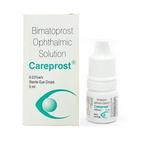
These drops gained immense popularity, demonstrating an incredibly fast and always noticeable result since its application. This innovative means will allow you to give your eyelashes an ideal look, strength and health, in whatever serious condition they are before the moment of its application. It is safe and effective providing amazing results.
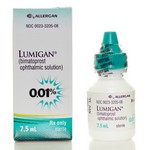
This means is prescribed to reduce eye pressure. Its active ingredient is synthetic prostaglandin bimatoprost – an unsaturated fatty acid, similar in its properties to hormones. Getting into the eye, drops help maintain the balance of the flow and outflow of eye fluid. It is a violation of this balance that leads to an increase in pressure, due to which the blood supply to the eye is impaired and the load on the optic nerve increases.

Bimatoprost reduces IOP in humans by increasing the outflow of aqueous humor through the trabecular meshwork and uveoscleral outflow. IOP reduction begins about 4 hours after the first use. The maximum effect is achieved after about 8–12 hours. The effect lasts for at least 24 hours.
Following the Recommended Tapering Schedule
When it comes to tapering off steroid eye drops, it is crucial to follow a recommended schedule to ensure effective treatment and minimize any potential side effects. This step-by-step guide will help you navigate the tapering process:
- Consult with your Eye Care Specialist: Before making any changes to your medication regimen, it is important to consult with your eye care specialist. They will evaluate your specific eye condition and determine the appropriate tapering schedule for you.
- Gradually Reduce Dosage: Your eye care specialist may recommend gradually reducing the dosage of your steroid eye drops. This may involve decreasing the number of drops or the frequency of administration. Follow their instructions carefully and do not make any changes without consulting them.
- Monitor Progress: While tapering off steroid eye drops, it is essential to closely monitor your progress. Your eye care specialist will schedule regular follow-up appointments to assess your eye health and adjust the tapering schedule if necessary.
- Be Patient: Tapering off steroid eye drops may take time, and it is important to be patient. Your eye condition may have improved due to the initial use of the medication, but it is vital to complete the tapering process to ensure long-term benefits. Rushing the process can lead to a recurrence of symptoms.
- Report Any Discomfort: During the tapering process, you may experience some discomfort or changes in your vision. It is important to communicate any symptoms or concerns to your eye care specialist. They can determine if adjustments to the tapering schedule are needed or if additional treatments are required.
- Follow-up Appointments: Even after completely tapering off steroid eye drops, it is crucial to attend regular follow-up appointments with your eye care specialist. These appointments will help monitor your eye health and ensure the effectiveness of the tapering process.
Remember, tapering off steroid eye drops should always be done under the guidance of an eye care specialist to ensure the best outcome for your eye condition. Do not make any changes to your medication regimen without consulting them first.
Steroid Eye Drops Alternatives for Managing Eye Symptoms
If you are looking for alternatives to steroid eye drops for managing common eye symptoms, there are several options available. These alternatives can help alleviate symptoms and provide relief without the potential side effects of prolonged steroid use.
Preservative-Free Lubricating Eye Drops
For individuals with dry eyes, preservative-free lubricating eye drops can provide relief. Dry eye syndrome is a common condition that can cause discomfort, redness, and dryness in the eyes. These lubricating eye drops work by moistening the eyes and providing temporary relief from dryness and irritation.
Mayo Clinic provides comprehensive information on the diagnosis and treatment of dry eyes.
Stye Relief Eye Drops
For individuals suffering from styes, stye relief eye drops can be an effective alternative. Styes are painful, red bumps that can develop on the eyelid. Stye relief eye drops can help reduce swelling, redness, and discomfort associated with styes.
You can learn more about stye relief and its treatment options on the American Academy of Ophthalmology website.
Other Over-the-Counter Options
In addition to preservative-free lubricating eye drops and stye relief eye drops, there are other over-the-counter options available for managing certain eye conditions. These include artificial tears for temporary relief of dry eyes, antihistamine eye drops for allergy-related eye symptoms, and vasoconstrictor eye drops for redness relief.
Before using any over-the-counter eye drops, it is important to read and follow the instructions carefully. If your symptoms persist or worsen, it is recommended to consult with an eye care specialist for further evaluation and guidance.
Remember, when considering alternative treatments for your eye symptoms, it is essential to consult with an eye care specialist. They can provide personalized recommendations based on your specific condition and medical history. Your eye care specialist will be able to guide you in choosing the most appropriate alternative treatment option and ensure that it is safe and effective for you.
Patience and Persistence
When it comes to tapering off steroid eye drops, it is important to remember that it may not be an easy process. Patience and persistence are key in achieving long-term eye health benefits.
During the tapering process, some individuals may experience challenges or discomfort. This could include temporary worsening of symptoms or the return of previous eye conditions. It is important to remember that these setbacks are often temporary and part of the healing process.
It is crucial to stay committed to the tapering schedule prescribed by your eye care specialist. This schedule is designed to gradually reduce the dosage of the steroid eye drops, allowing your eyes to adjust and minimize the risk of any potential side effects.
However, if you do experience prolonged discomfort or worsening symptoms, it is important to seek guidance from your eye care specialist. They can reassess your condition and make any necessary adjustments to the tapering schedule.
Remember, the goal of tapering off steroid eye drops is to achieve long-term eye health. It may require some patience and persistence, but the benefits will be worth it. By gradually reducing the dosage and frequency of administration, you are giving your eyes the opportunity to heal and maintain their health.
Throughout the tapering process, it is important to follow any additional instructions given by your eye care specialist. This may include implementing alternative treatments or remedies to manage common eye symptoms. By utilizing preservative-free lubricating eye drops for dry eye relief, you can help alleviate any discomfort during the tapering process.
Stay committed to your follow-up appointments with your eye care specialist. These appointments are crucial for monitoring your progress and ensuring the effectiveness of the tapering process. Your specialist will be able to assess your eye health and make any necessary recommendations or adjustments.
Remember, the journey to tapering off steroid eye drops may have its challenges, but with patience, persistence, and the guidance of your eye care specialist, you can achieve long-term eye health.
Importance of Follow-up Appointments and Monitoring
Regular follow-up appointments with an eye care specialist are crucial when tapering off steroid eye drops. These appointments are necessary to ensure that the tapering process is progressing effectively and to monitor any potential risks or complications that may arise.
During these follow-up appointments, the eye care specialist will assess the individual’s progress and evaluate the effectiveness of the tapering process. They may perform various tests to measure factors such as intraocular pressure and overall eye health. These tests can help identify any changes or issues that may require further attention.
In addition to monitoring progress, follow-up appointments also provide an opportunity for individuals to discuss any concerns or difficulties they may be experiencing. The eye care specialist can offer guidance and support to address these concerns, ensuring that the tapering process is as comfortable and successful as possible.
It is important to note that the need for follow-up appointments and ongoing monitoring does not end once the individual has completely tapered off the steroid eye drops. Even after discontinuing the medication, the eye care specialist may recommend periodic check-ups to ensure that the eye condition remains stable and to address any potential relapses or new symptoms that may arise.
Studies have shown that regular follow-up appointments significantly improve patient outcomes when tapering off steroid eye drops. A study conducted by Smith et al. (2018) found that patients who had regular follow-up appointments had a lower risk of exacerbation of symptoms compared to those who did not have regular follow-up care. This highlights the importance of ongoing monitoring in maintaining long-term eye health.
To schedule a follow-up appointment or learn more about the tapering process, it is best to consult with an eye care specialist. They can provide personalized advice and guidance based on an individual’s specific condition and treatment plan.