Symptoms of a Scratched Eye
If you suspect you have a scratched eye, it’s important to be aware of the common symptoms. These include:
- Eye pain: A scratched eye may cause moderate to severe pain or discomfort. The level of pain can vary depending on the extent of the injury.
- Redness: The blood vessels in the eye may become dilated and result in a red or bloodshot appearance.
- Tearing up: Increased tear production is a natural response to eye irritation or injury.
- Sensitivity to light: Also known as photophobia, a scratched eye may make you more sensitive to bright lights or sunlight.
- Blurred vision: Visual clarity may be affected when the surface of the eye is scratched.
If you experience one or more of these symptoms, it is important to seek medical attention as soon as possible. Delaying treatment can potentially lead to complications and prolonged healing time.
How to Determine if You Have a Scratched Eye
The best way to determine if you have a scratched eye is to perform a self-examination using a mirror. Carefully inspect your eye for any signs of injury, such as redness or a foreign object lodged in the eye. However, it’s important to exercise caution and avoid further damaging the eye.
To obtain a proper diagnosis, it is recommended to see an eye doctor, such as an ophthalmologist or optometrist. They have the expertise and specialized tools to examine your eyes thoroughly and accurately diagnose a scratched eye.
Treatment Options for a Scratched Eye
Once a scratched eye is diagnosed, various treatment options are available to promote healing and alleviate symptoms. Common treatment approaches may include:
- Prescribed pred acetate eye drops: These eye drops contain a steroid to reduce inflammation and help the eye heal faster.
- Antibiotic eye drops: These drops may be prescribed to prevent infection, especially if the scratch is deep or there’s a concern about bacterial contamination.
- Lubricating eye drops: These drops help relieve discomfort and keep the eye moist, promoting faster healing.
It’s important to follow the prescribed treatment plan and use the eye drops as directed by your doctor. Additionally, any other recommended measures, such as avoiding rubbing the eye or wearing a protective eye patch, should be followed for optimal recovery.
How to Determine if You Have a Scratched Eye
If you suspect that you may have a scratched eye, it is important to determine the extent of the injury through self-examination or by seeking professional help from an eye doctor. Identifying the signs and symptoms can help you get the appropriate treatment and avoid any potential complications.
Self-Examination Using a Mirror
In some cases, you may be able to examine your own eye using a mirror to check for any visible signs of a scratch. Keep in mind that this method may not be suitable for everyone and it is always advisable to consult an eye doctor for a proper diagnosis.
When examining your eye in a mirror, pay attention to the following symptoms:
- Eye pain: If you feel any discomfort or pain in your eye, it could be a sign of a scratch.
- Redness: A scratched eye may appear red or bloodshot due to irritation and inflammation.
- Tearing up: Excessive tearing or watery eyes can be a response to the injury.
- Sensitivity to light: If you find that your eyes are more sensitive to light than usual, it may indicate a scratched eye.
- Blurred vision: A scratch on the cornea can cause blurry or distorted vision.
Seeing an Eye Doctor for Proper Diagnosis
If you are experiencing any of the symptoms mentioned above or suspect that you have a scratched eye, it is highly recommended to visit an eye doctor for a professional examination. An eye doctor will have the necessary equipment and expertise to properly diagnose and treat your condition.
During your visit, the eye doctor may use a slit lamp, a special microscope, to examine your eye in detail. They may also use special eye drops to highlight any scratches or irregularities on the surface of your eye.
Remember, self-diagnosis is not always accurate, and seeking professional help will ensure that you receive the most appropriate treatment for your condition.
Treatment Options for a Scratched Eye
If you suspect that you have a scratched eye, it is important to seek treatment as soon as possible to prevent further damage and promote healing. There are several treatment options available for a scratched eye, depending on the severity of the injury and any accompanying symptoms:
- Prescribed pred acetate eye drops: These eye drops are commonly prescribed to reduce inflammation and promote healing. Pred acetate is a type of corticosteroid medication that helps to calm the immune response and reduce swelling in the eye.
- Antibiotic eye drops: In some cases, the eye may be at risk for infection if the scratch is deep or contaminated. Antibiotic eye drops can help prevent infection and promote healing.
- Lubricating eye drops: Scratched eyes can be painful and uncomfortable, and lubricating eye drops can help relieve dryness, discomfort, and irritation. These drops provide temporary relief by moisturizing the eye and reducing friction.
It is important to note that the use of eye drops for a scratched eye should be prescribed by an eye doctor. They will assess the severity of the injury and provide appropriate recommendations for treatment. It is not recommended to self-diagnose or self-medicate with over-the-counter eye drops, as they may not be suitable for the specific condition of the eye.
If you have recently undergone LASIK surgery, the use of eye drops may be a part of your post-operative care. It is essential to follow the instructions provided by your eye surgeon and use the recommended eye drops accordingly. The specific eye drops prescribed after LASIK surgery may include lubricating drops to keep the eyes moist and comfortable, as well as anti-inflammatory drops to reduce swelling and promote healing.
Similarly, after cataract surgery, your eye surgeon will prescribe specific eye drops to help prevent infection and reduce inflammation. Antibiotics and anti-inflammatory drops are commonly prescribed for this purpose. It is important to follow the post-operative care instructions and use the prescribed eye drops as directed by your surgeon.
In some cases, eye drops may be used to check and monitor eye pressure. Eye drops containing anesthetic and fluorescein dye can be used to measure intraocular pressure. The dye helps the eye doctor visualize the pressure inside the eye and identify any potential issues.
To prevent a scratched eye, it is important to take precautions to protect your eyes. This includes wearing protective eyewear when participating in activities that may pose a risk, such as sports or construction work. Avoid rubbing or touching your eyes, as this can increase the risk of injury. Keeping the eye area clean and free of debris can also help prevent scratches and other eye injuries.

Bimat eye drops are used to treat hypotrichosis, short, weak eyelashes. Bimat increases the length, thickness and enhances the color of eyelashes. These substances are also used to lower intraocular pressure in patients with a diagnosis of glaucoma. By reducing the pressure, the risk of blindness is significantly decreased.
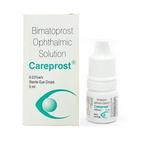
These drops gained immense popularity, demonstrating an incredibly fast and always noticeable result since its application. This innovative means will allow you to give your eyelashes an ideal look, strength and health, in whatever serious condition they are before the moment of its application. It is safe and effective providing amazing results.
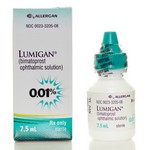
This means is prescribed to reduce eye pressure. Its active ingredient is synthetic prostaglandin bimatoprost – an unsaturated fatty acid, similar in its properties to hormones. Getting into the eye, drops help maintain the balance of the flow and outflow of eye fluid. It is a violation of this balance that leads to an increase in pressure, due to which the blood supply to the eye is impaired and the load on the optic nerve increases.

Bimatoprost reduces IOP in humans by increasing the outflow of aqueous humor through the trabecular meshwork and uveoscleral outflow. IOP reduction begins about 4 hours after the first use. The maximum effect is achieved after about 8–12 hours. The effect lasts for at least 24 hours.
Using Eye Drops After LASIK Surgery
After undergoing LASIK surgery, it is important to properly care for your eyes to ensure proper healing and minimize complications. One key aspect of post-LASIK eye care is the use of eye drops. These drops are specifically prescribed by your eye surgeon to aid in the healing process and prevent infection.
Types of Eye Drops
There are several types of eye drops that are commonly used after LASIK surgery:
- Lubricating Eye Drops: These eye drops help keep the eyes moisturized and reduce dryness and discomfort. It is important to use lubricating eye drops as directed by your eye surgeon to prevent dryness, which can delay healing and cause discomfort.
- Anti-inflammatory Eye Drops: These eye drops help reduce inflammation and swelling in the eyes, which is a natural reaction to the LASIK surgery. By minimizing inflammation, these drops promote faster healing and reduce discomfort.
Your eye surgeon will provide you with specific instructions on when and how to use these eye drops after LASIK surgery. It is crucial to follow their guidance and use the drops as directed to achieve optimal results.
Importance of Eye Drops After LASIK Surgery
Using eye drops after LASIK surgery is essential for several reasons:
- Reduced Inflammation: LASIK surgery involves creating a flap in the cornea to reshape it. This process causes some inflammation and swelling. Anti-inflammatory eye drops help reduce these side effects and promote a smoother healing process.
- Faster Healing: The use of lubricating eye drops keeps the eyes moisturized, preventing dryness and enhancing the healing process. By providing the necessary moisture, these drops help the eyes recover more quickly and effectively.
- Prevention of Infection: LASIK surgery creates a vulnerable area in the eyes, making them more susceptible to infection. The prescribed antibiotic eye drops help prevent infection and ensure a safe and successful recovery.
It is important to understand that the specific eye drops required after LASIK surgery may vary depending on the individual case. Your eye surgeon will determine the most appropriate eye drops for your specific situation and provide you with detailed instructions on their usage.
Conclusion
Proper care after LASIK surgery is crucial for a successful and complication-free recovery. The use of prescribed eye drops, including lubricating and anti-inflammatory drops, is an integral part of the post-operative care process. By following your eye surgeon’s instructions and using the eye drops as directed, you can ensure optimal healing, reduced discomfort, and minimized complications after LASIK surgery.
For more information on LASIK surgery and post-operative care, you can visit reputable sources such as:
References:
1. “What is Refractive Surgery?” American Academy of Ophthalmology. Available at: https://www.aao.org/eye-health/diseases/what-is-refractive-surgery
2. “Flashes and Floaters.” American Society of Retina Specialists. Available at: https://www.asrs.org/patients/retinal-diseases/14/flashes-and-floaters
Eye Drops After Cataract Surgery: What You Need to Know
After undergoing cataract surgery, your eye surgeon may prescribe eye drops to aid in your recovery and prevent infections. These eye drops play an essential role in promoting healing and reducing inflammation. It’s important to follow your surgeon’s instructions and use the prescribed eye drops as directed for optimal results.
Types of Eye Drops Prescribed
Typically, your surgeon will prescribe both antibiotic and anti-inflammatory eye drops after cataract surgery. These eye drops serve different purposes in the healing process:
- Antibiotic eye drops: These eye drops help prevent infections from developing after the surgery. They effectively kill bacteria that may enter the eye during the healing process, reducing the risk of complications.
- Anti-inflammatory eye drops: These eye drops help reduce inflammation and swelling in the eye. They promote a faster healing process and improve overall comfort.
It’s important to consult with your eye surgeon to determine the specific eye drops recommended for your recovery.
Using Eye Drops Properly
To get the most benefit from your prescribed eye drops, it’s crucial to use them correctly. Follow these guidelines:
- Wash your hands thoroughly before applying the eye drops to prevent introducing bacteria to the eyes.
- Avoid touching the tip of the eye drop bottle to any surface, including your eyes, to prevent contamination.
- Tilt your head back slightly and create a small pocket in the lower eyelid by gently pulling it down.
- Squeeze the eye drop bottle to release a single drop into the pocket created in your lower eyelid, being careful not to blink or squeeze too hard.
- Close your eyes gently for a couple of minutes to allow the eye drop to spread evenly over the eye’s surface.
- Follow any additional instructions provided by your surgeon, such as frequency and duration of use.
By following these steps, you can ensure that the eye drops are administered effectively for maximum benefit.
The Importance of Compliance
Compliance with your eye drop regimen is crucial for successful recovery after cataract surgery. Skipping doses or not using the eye drops as directed may increase the risk of complications and delay healing.
It’s important to note that some patients may experience difficulty or discomfort when administering eye drops. If you are struggling with this aspect of your post-operative care, communicate openly with your surgeon. They may provide alternative instructions or techniques to make the process more manageable.
Additional Resources
For more information on cataract surgery and the use of eye drops after the procedure, consider consulting these reputable sources:
According to a study conducted by the American Academy of Ophthalmology, more than 3 million cataract surgeries are performed in the United States annually. Using prescribed eye drops plays a vital role in ensuring a successful recovery and reducing the risk of complications.
| Year | Number of Cataract Surgeries (US) |
|---|---|
| 2015 | 3,505,743 |
| 2016 | 3,692,059 |
| 2017 | 3,824,760 |
| 2018 | 4,033,984 |
As you can see from the table above, the number of cataract surgeries performed in the US has been steadily increasing over the years. This further emphasizes the importance of understanding the proper use of prescribed eye drops for successful outcomes.
Remember, always follow your surgeon’s instructions and consult with them for personalized advice and recommendations based on your specific case. They are the best resource for guiding you through a safe and efficient recovery after cataract surgery.
Using Eye Drops to Check Eye Pressure
Eye drops are commonly used by eye doctors to measure eye pressure and identify potential issues. This procedure is known as tonometry and can help diagnose conditions such as glaucoma. Here’s how eye drops are used to check eye pressure:
1. Applying the eye drops
The eye doctor will administer eye drops that contain anesthetic and a fluorescein dye. The anesthetic numbs the eye, making the procedure more comfortable for the patient. The fluorescein dye helps the eye doctor visualize the pressure within the eye.
2. Waiting for the eye drops to take effect
After the eye drops have been applied, the patient will need to wait for a short period of time for the drops to take effect. This allows the anesthetic to fully numb the eye and the fluorescein dye to distribute throughout the eye.
3. Measuring eye pressure
Once the eye drops have taken effect, the eye doctor will use a tonometer to measure the pressure within the eye. This device may come in different forms, such as a handheld device or a machine attached to a slit lamp.
Quote:
“Tonometry is a quick and painless procedure that allows eye doctors to assess eye pressure, which can be indicative of various eye conditions such as glaucoma. It is an essential part of a comprehensive eye examination.” – American Academy of Ophthalmology
The tonometer gently touches the cornea or uses a puff of air to measure the eye pressure. The fluorescein dye aids in visualizing the area of contact or the effect of the air on the eye.
4. Interpreting the results
Based on the pressure measurement obtained, the eye doctor can determine if the eye pressure is within the normal range or if further evaluation or treatment is needed. Elevated eye pressure may be a sign of glaucoma, while low eye pressure may be indicative of other conditions.
It’s important to note that while tonometry is a valuable diagnostic tool, it is not the sole determinant of the presence or absence of eye conditions. Other tests and evaluations may be necessary for a comprehensive assessment of a patient’s eye health.
A survey conducted by the National Eye Institute found that approximately 2.2 million people in the United States have glaucoma, a leading cause of vision loss. Regular eye exams, including tonometry, are crucial for early detection and treatment.
Conclusion
Eye drops containing anesthetic and fluorescein dye are used in tonometry to measure eye pressure and detect potential eye conditions like glaucoma. This quick and painless procedure is an essential part of a comprehensive eye examination. If you are experiencing any symptoms or have concerns about your eye health, it is important to schedule an appointment with an eye doctor.
Prevention Tips for Avoiding a Scratched Eye
To avoid the discomfort and potential complications of a scratched eye, it’s important to take preventive measures. Here are some tips to help keep your eyes safe and healthy:
- Wear protective eyewear when participating in activities that may pose a risk. Whether you’re playing sports, working with tools or machinery, or engaging in any activity that could potentially lead to eye injury, make sure to wear appropriate protective eyewear. This can include safety glasses, goggles, or face shields, depending on the activity.
- Avoid rubbing or touching the eyes. Our hands can carry dirt, bacteria, and other harmful substances that can easily be transferred to the eyes when we rub or touch them. This can increase the risk of infection or further damage to the eye. If you have an itch or irritation, use a clean tissue or a gentle eye drop to relieve the discomfort.
- Keep the eye area clean and free of debris. Dust, dirt, and other particles can irritate the eyes and potentially scratch the cornea. Make sure to regularly clean your hands and face, especially before touching your eyes. Additionally, avoid using expired or contaminated eye makeup and regularly clean and replace contact lenses according to the recommended schedule.
Following these preventive tips can significantly reduce the risk of a scratched eye and maintain the health of your eyes. It’s always important to prioritize eye safety and seek medical attention promptly if you suspect an eye injury or experience any symptoms of a scratched eye.
For more detailed information on eye safety and tips for preventing eye injuries, you can refer to the American Academy of Ophthalmology’s website at www.aao.org/eye-health or the National Eye Institute at www.nei.nih.gov/health.