Reasons for the worsening of pink eye symptoms despite using eye drops
Inadequate application technique
The improper application of eye drops can lead to the worsening of pink eye symptoms. It is important to ensure that the drops are administered correctly to effectively treat the condition.
Expiration of eye drops
Using expired eye drops can result in a decrease in their effectiveness. The chemical composition of the drops may change over time, making them less capable of treating pink eye symptoms.
Ineffective eye drops for specific type of pink eye
Not all eye drops are suitable for treating all types of pink eye. Different types of pink eye, such as viral, bacterial, and allergic conjunctivitis, may require specific medications. Using the wrong eye drops may not provide relief or could potentially worsen the symptoms.
Underlying health conditions complicating the treatment
Underlying health conditions, such as immune disorders, allergies, and diabetes, can impact the effectiveness of pink eye treatment. These conditions may weaken the body’s ability to fight off infections, increase sensitivity to irritants, and impair immune function and healing, respectively.
Importance of Proper Technique in Applying Eye Drops
When it comes to treating pink eye, proper technique in applying eye drops plays a crucial role in ensuring effective symptom relief. By following the correct steps, individuals can maximize the benefits of the eye drops and alleviate their discomfort. Here are some key points to keep in mind:
1. Ensure hands are clean before application
Before administering eye drops, it is essential to wash your hands thoroughly with soap and water. This step helps to prevent the introduction of any potential bacteria or contaminants into the eye.
2. Tilt head backwards and pull down the lower eyelid
To apply the eye drops properly, tilt your head backwards and gently pull down the lower eyelid to create a small pocket.
3. Administer the prescribed number of drops
Follow the instructions provided by your healthcare professional or the eye drop packaging to determine the correct number of drops to be applied. Be sure to squeeze the bottle gently to release the drops into the pocket formed by pulling down the lower eyelid.
4. Avoid touching the tip of the dropper to prevent contamination
It is important to avoid touching the tip of the dropper to any surface, including your eye, as this can introduce bacteria and contaminate the eye drops. Contamination may lead to further complications or delays in symptom relief.
Remember, each step in applying eye drops plays a role in ensuring their effectiveness. By following these techniques, you can improve your chances of experiencing relief from pink eye symptoms.
Impact of Expired Eye Drops on Pink Eye Symptoms
Using expired eye drops to treat pink eye can have negative effects on symptom relief and overall recovery. Here are some important considerations:
1. Chemical composition may change, reducing effectiveness
Expired eye drops may undergo chemical changes over time, leading to a decrease in their effectiveness. The active ingredients in the eye drops may no longer be at their full potency, making them less effective in treating pink eye symptoms. This can result in the symptoms persisting or worsening despite regular use of the expired eye drops.
2. Risk of contamination and potential for adverse reactions
As eye drops approach or exceed their expiration date, there is an increased risk of contamination. Bacteria or other microorganisms may start growing in the eye drop solution, which can further aggravate the pink eye symptoms or even lead to additional eye infections. Furthermore, expired eye drops may cause adverse reactions, such as irritation or allergic reactions, due to changes in the chemical composition.
3. Consult with a doctor or pharmacist for alternative options if eye drops have expired
If your eye drops have expired, it is important to consult with a healthcare professional, such as a doctor or pharmacist, for alternative options. They can provide guidance on suitable alternatives that are within their expiration date and appropriate for treating pink eye. They may recommend specific brands or types of eye drops based on the severity and type of pink eye you have.
It is important to note that using expired eye drops is not recommended and should be avoided whenever possible. The expiration date is there for a reason, indicating the period in which the eye drops are considered safe and effective to use. Using expired eye drops can lead to inadequate treatment and potential complications, so it is always best to use fresh eye drops or seek alternative options when necessary.

Bimat eye drops are used to treat hypotrichosis, short, weak eyelashes. Bimat increases the length, thickness and enhances the color of eyelashes. These substances are also used to lower intraocular pressure in patients with a diagnosis of glaucoma. By reducing the pressure, the risk of blindness is significantly decreased.
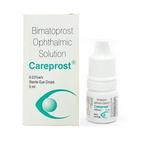
These drops gained immense popularity, demonstrating an incredibly fast and always noticeable result since its application. This innovative means will allow you to give your eyelashes an ideal look, strength and health, in whatever serious condition they are before the moment of its application. It is safe and effective providing amazing results.
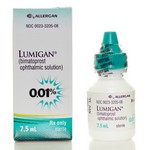
This means is prescribed to reduce eye pressure. Its active ingredient is synthetic prostaglandin bimatoprost – an unsaturated fatty acid, similar in its properties to hormones. Getting into the eye, drops help maintain the balance of the flow and outflow of eye fluid. It is a violation of this balance that leads to an increase in pressure, due to which the blood supply to the eye is impaired and the load on the optic nerve increases.

Bimatoprost reduces IOP in humans by increasing the outflow of aqueous humor through the trabecular meshwork and uveoscleral outflow. IOP reduction begins about 4 hours after the first use. The maximum effect is achieved after about 8–12 hours. The effect lasts for at least 24 hours.
Using Alternative Eye Drops During a Polytrim Eye Drops Shortage
During a polytrim eye drops shortage, it may be necessary to explore alternative options for treating pink eye. Here are some considerations to keep in mind when it comes to using alternative eye drops:
1. Discuss with a healthcare professional for suitable alternatives
When faced with a shortage of polytrim eye drops, it is essential to consult with a healthcare professional to determine suitable alternatives. They can provide guidance based on your specific condition and help identify other eye drops that may be effective in treating pink eye.
2. Research pregnancy-safe eye drop options if applicable
If you are pregnant or planning to become pregnant, it is crucial to consider the safety of alternative eye drops. Some eye drops may not be suitable during pregnancy, so it is important to research and discuss pregnancy-safe options with your healthcare provider.
3. Be aware of potential side effects or drug interactions
Before using alternative eye drops, it is essential to be aware of any potential side effects or drug interactions they may have. Some eye drops can cause irritation or other adverse reactions, so it is important to read the package insert or consult with a healthcare professional for proper usage guidelines.
Additionally, it is important to disclose any medications you are currently taking to ensure there are no potential interactions between the alternative eye drops and other drugs you are using.
It is always best to err on the side of caution and seek guidance from a healthcare professional when it comes to using alternative eye drops during a polytrim eye drops shortage. They can provide the necessary information and help you make an informed decision about the best course of treatment for your pink eye.
Options for Eye Drops Delivery During Shortages or Limited Access
During periods of eye drops shortage or limited access, it is important to explore alternative options for obtaining the necessary eye drops for the treatment of pink eye. Here are some options to consider:
1. Utilize Online Pharmacies and Delivery Services
Online pharmacies can be a convenient option for purchasing eye drops, especially during shortages or when local pharmacies may not have the specific eye drops in stock. It is important to ensure that the online pharmacy is reliable and reputable. Look for certifications and reviews to ensure the authenticity and quality of the products.
2. Contact Local Pharmacies for Availability and Delivery Options
Even during shortages, some local pharmacies may still have limited supplies of certain eye drops. Contacting them directly can help you determine their availability and inquire about their delivery options. Some pharmacies may offer home delivery services or allow you to place an order for pick up.
3. Explore Alternative Treatment Options
If it is difficult to access eye drops, there are alternative treatment options that can be considered. These include using ointments or compresses for symptom relief. Ointments can be applied to the affected eye(s) according to the instructions provided. Warm compresses can help reduce swelling, itching, and discomfort. It is important to remember that these alternative treatments may not provide the same level of relief as eye drops, so it is best to consult with a healthcare professional for guidance.
Conclusion
During periods of eye drops shortage or limited access, it is essential to explore various options for obtaining the necessary treatment for pink eye. Online pharmacies and delivery services can provide a convenient solution, while local pharmacies may have limited supplies available. Additionally, alternative treatment options such as ointments and compresses can be considered. Remember to consult with a healthcare professional for proper guidance and treatment recommendations.
Types of Pink Eye and Corresponding Treatments
Pink eye, also known as conjunctivitis, can be caused by different factors such as viral infections, bacterial infections, or allergies. The specific type of pink eye will determine the appropriate treatment. It is important to consult a healthcare professional to accurately diagnose the type of pink eye and receive the most effective treatment.
Viral Conjunctivitis
Viral conjunctivitis is typically caused by a virus, such as the common cold virus or the herpes simplex virus. It is highly contagious and can easily spread through hand-to-eye contact or contact with contaminated surfaces. Symptoms of viral conjunctivitis include redness, watery discharge, and itching.
There is no specific treatment for viral conjunctivitis, as it usually resolves on its own within 1-2 weeks. However, symptom relief can be achieved through the following methods:
- Applying a cool compress to the affected eye
- Using over-the-counter lubricating eye drops, such as artificial tears, to relieve dryness
- Avoiding contact lenses and eye makeup until the infection clears
Bacterial Conjunctivitis
Bacterial conjunctivitis is caused by bacteria such as Staphylococcus aureus or Streptococcus pneumoniae. It is highly contagious and can spread through direct contact with eye discharge from an infected person. Symptoms of bacterial conjunctivitis include redness, thick yellow or green discharge, and crusting of the eyelids.
The most common treatment for bacterial conjunctivitis is the use of antibiotic eye drops or ointments. These prescription medications help to eliminate the bacteria and reduce the duration and severity of the infection. It is important to use the prescribed medication for the entire course, even if symptoms improve before completing the treatment.
Allergic Conjunctivitis
Allergic conjunctivitis is caused by an allergic reaction to substances such as pollen, pet dander, or dust mites. Symptoms of allergic conjunctivitis include redness, itching, tearing, and swelling of the eyelids.
The main goal in treating allergic conjunctivitis is to reduce the allergy symptoms and inflammation. This can be achieved through the following methods:
- Using over-the-counter antihistamine eye drops, which help to relieve itching and redness
- Taking oral antihistamines, under the guidance of a healthcare professional
- Avoiding exposure to allergens by staying indoors during high pollen times or using air purifiers
In severe cases, a healthcare professional may prescribe stronger medications, such as corticosteroid eye drops, to reduce inflammation.
Overall, proper diagnosis of the type of pink eye is essential in order to determine the appropriate treatment and effectively manage the symptoms. Consulting a healthcare professional will ensure the most suitable course of action.
Underlying health conditions that may worsen pink eye symptoms
Pink eye, also known as conjunctivitis, can be exacerbated by various underlying health conditions. These conditions may weaken the body’s immune system, increase sensitivity to irritants, impair immune function, or slow down the healing process. It’s important to be aware of these factors when dealing with pink eye to ensure proper management and effective treatment.
1. Immune disorders:
Having an immune disorder, such as HIV/AIDS or an autoimmune condition, can weaken the body’s ability to fight off infections, including those causing pink eye. The compromised immune system may make it harder to control and eliminate the inflammation and infection associated with pink eye.
2. Allergies:
Individuals with allergies, such as hay fever or seasonal allergies, may experience more severe symptoms of pink eye. The heightened sensitivity to irritants, such as pollen or pet dander, can lead to increased redness, itching, and swelling in the eyes.
3. Diabetes:
Diabetes, especially when poorly controlled, can affect the body’s immune function. This can make it more difficult for the body to fight off infections, including those causing pink eye. Additionally, diabetes can also impair the healing process, prolonging the duration of pink eye symptoms.
It is essential for individuals with underlying health conditions to consult with a healthcare professional for proper management of these conditions when dealing with pink eye. Proper management may involve adjustments in medication, lifestyle modifications, or additional preventative measures to minimize the impact of these health conditions on pink eye symptoms.
It is important to note that this information is for educational purposes only and should not replace the advice of a healthcare professional. If you have concerns about your underlying health condition and its impact on pink eye, consult with a healthcare professional for personalized guidance and treatment options.
Sources:
– American Academy of Ophthalmology. (2019). Conjunctivitis PPP – 2019.
– Mayo Clinic. (2021). Conjunctivitis (pink eye).