The Importance of Using Eye Drops Properly
Eye drops are a common solution for maintaining eye health and treating various conditions such as dry eyes, allergies, and infections. However, it is crucial to use eye drops properly to ensure their effectiveness and minimize the risks of complications.
When used correctly, eye drops can provide relief from symptoms and help prevent further eye damage. However, improper use can lead to discomfort, ineffective treatment, and even potential harm to your eyes.
Using eye drops properly involves understanding their purpose and following the recommended dosage and frequency of use. Let’s delve into these aspects to ensure you are using eye drops correctly:
1. Purpose of Eye Drops
Eye drops serve various purposes in maintaining eye health and treating specific eye conditions.
Dry Eyes: Eye drops formulated for dry eyes help provide lubrication and moisture to the eyes, relieving symptoms such as itching, burning, and redness.
Allergies: If you suffer from allergies, eye drops designed to alleviate allergic reactions can help soothe itchy and watery eyes caused by allergens such as pollen, dust mites, or pet dander.
Infections: Antibiotic eye drops are commonly prescribed to treat bacterial eye infections such as conjunctivitis. These eye drops work by killing the bacteria causing the infection, reducing inflammation, and promoting healing.
Glaucoma: Eye drops prescribed for glaucoma help lower intraocular pressure to prevent further damage to the optic nerve and preserve vision.
Other Conditions: Eye drops can also be prescribed for other eye conditions like inflammation, redness, or itching associated with certain diseases or injuries.
Understanding the purpose of the specific eye drops you are using is essential for their effective use and optimal results.
2. Potential Risks and Complications
Using eye drops improperly can lead to various risks and complications, including:
- Corneal Damage: If eye drops are not applied correctly, they may miss the intended target (the eye surface) and end up on the cornea or eyelids, potentially causing irritation or damage.
- Side Effects: Eye drops can have side effects, such as stinging, burning, or temporary blurring of vision. Following the recommended dosage and frequency of use can help minimize these side effects.
- Drug Interactions: Some eye drops may interact with other medications you are taking. It is vital to inform your healthcare provider about all the medications you are using to avoid any potential complications.
- Contamination: Using contaminated eye drops or not following proper hygiene practices while applying them can lead to eye infections or worsening of existing conditions.
- Rebound Effects: Overusing eye drops, especially those containing decongestants, can cause rebound effects, where the eyes become even more red or irritated.
By using eye drops properly, you can minimize these risks and ensure the best possible outcomes for your eye health.
Understanding the Recommended Dosage and Frequency
When it comes to using eye drops, it is essential to follow the instructions provided by the manufacturers to ensure safe and effective treatment. These instructions typically include information about the recommended dosage and frequency of use.
The dosage refers to the amount of eye drops that should be applied to each eye during a single dose. It is important to measure the appropriate dosage accurately to avoid under or over-treatment.
The frequency of use refers to how often you should apply the eye drops. Some eye drops may need to be applied multiple times a day, while others may only require once-daily application. It is crucial to adhere to the recommended frequency to achieve the best results.
Why is it important to follow these instructions?
Using eye drops improperly, such as using a higher dosage or applying them less frequently than recommended, can lead to ineffective treatment or potential side effects. It can also result in a lack of desired improvement in symptoms or even exacerbation of the underlying eye condition.
Dosage and frequency variations among eye drops:
| Eye Condition | Eye Drop | Dosage | Frequency |
|---|---|---|---|
| Dry Eyes | Lubricating eye drops | 1 to 2 drops | Every 4 to 6 hours or as needed |
| Allergies | Antihistamine eye drops | 1 to 2 drops | Twice a day |
| Infections | Antibiotic eye drops | 1 to 2 drops | Every 4 to 6 hours |
Source: American Academy of Ophthalmology
Potential risks of not following instructions:
- Ineffective treatment: Using eye drops in incorrect doses or frequencies may not provide the desired relief or resolve the underlying condition.
- Increased chances of side effects: Using a higher dose or frequency of certain eye drops can increase the risk of side effects such as eye irritation, stinging, redness, or dryness.
- Delayed healing: In the case of post-surgical eye drops, failure to adhere to the recommended dosage and frequency can impair the healing process and prolong recovery time.
It is vital to read the instructions provided with the specific eye drops you are using, as different formulas may have unique dosage and frequency recommendations. If you are unsure or have any concerns, it is always best to consult with your eye care professional for guidance tailored to your specific needs.
The Consequences of Overusing Eye Drops
Using eye drops can be an effective way to alleviate symptoms, treat eye conditions, and maintain overall eye health. However, it is crucial to use them properly to avoid potential risks and complications.
1. Risks and Complications of Improper Use
Improper use of eye drops can lead to a range of problems. Firstly, using the wrong type of eye drops for your specific condition may provide little to no relief and may even worsen the symptoms. It is important to consult with an eye care professional to ensure you are using the right eye drops for your specific needs.
Additionally, using eye drops beyond the recommended dosage or frequency can have adverse effects. Over time, excessive use of eye drops can lead to dependency, where your eyes become reliant on the drops and produce fewer natural tears. This can result in a condition called rebound redness, where your eyes become even more red and irritated than before.
2. Harmful Scenarios of Overusing Eye Drops
Some specific situations can lead to harmful consequences if eye drops are overused. For example, using over-the-counter refresh eye drops excessively after lasik surgery can delay the healing process. It is essential to follow the instructions given by your surgeon to ensure proper healing after the surgery.
Prescription eye drops, when not used as prescribed, can also lead to complications. These medications are often prescribed for specific durations and dosages based on the severity of the condition being treated. Failing to follow these instructions may result in ineffective treatment or even systemic side effects if the eye drop solution drains down the throat.
3. Recognizing Signs of Overuse
It is important to be aware of the signs that may indicate overuse of eye drops. Some common symptoms include persistent redness, increased irritation, blurred vision, and rebound redness after discontinuation of the eye drops. If you notice these symptoms, it may be a sign that you are using eye drops excessively and should seek advice from an eye care professional.
4. Proper Application Techniques and Guidelines
To ensure the effective use of eye drops and minimize the risk of overuse, it is crucial to follow proper application techniques and guidelines. Here are some tips to keep in mind:
– Wash your hands thoroughly before applying eye drops to avoid introducing any bacteria into your eyes.
– Avoid touching the dropper tip to prevent contamination.
– Tilt your head back and pull down your lower eyelid to create a small pocket.
– Squeeze the prescribed number of drops into the pocket formed by your lower eyelid, being careful not to touch your eye with the dropper.
– Close your eyes gently for a few minutes after applying the drops to allow them to distribute evenly.
– Store eye drops according to the instructions provided, including temperature and expiration date.
5. Consult with an Eye Care Professional
If you have any concerns or doubts about using eye drops properly, it is crucial to consult with an eye care professional. They can provide individualized guidance based on your specific eye condition, medications, and personal considerations. Remember, seeking professional advice is essential to ensure your eye health and safety.
Overall, using eye drops can be beneficial for maintaining eye health and treating various conditions. However, it is crucial to use them properly, follow the recommended dosage and frequency, and seek professional guidance when needed. By doing so, you can avoid potential risks and complications associated with overusing eye drops.

Bimat eye drops are used to treat hypotrichosis, short, weak eyelashes. Bimat increases the length, thickness and enhances the color of eyelashes. These substances are also used to lower intraocular pressure in patients with a diagnosis of glaucoma. By reducing the pressure, the risk of blindness is significantly decreased.
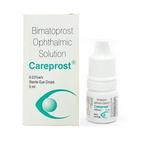
These drops gained immense popularity, demonstrating an incredibly fast and always noticeable result since its application. This innovative means will allow you to give your eyelashes an ideal look, strength and health, in whatever serious condition they are before the moment of its application. It is safe and effective providing amazing results.
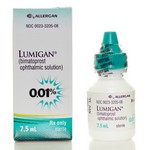
This means is prescribed to reduce eye pressure. Its active ingredient is synthetic prostaglandin bimatoprost – an unsaturated fatty acid, similar in its properties to hormones. Getting into the eye, drops help maintain the balance of the flow and outflow of eye fluid. It is a violation of this balance that leads to an increase in pressure, due to which the blood supply to the eye is impaired and the load on the optic nerve increases.

Bimatoprost reduces IOP in humans by increasing the outflow of aqueous humor through the trabecular meshwork and uveoscleral outflow. IOP reduction begins about 4 hours after the first use. The maximum effect is achieved after about 8–12 hours. The effect lasts for at least 24 hours.
4. Specific scenarios where overusing eye drops can be harmful
While eye drops can be helpful in treating various eye conditions, it is important to use them properly and in accordance with the recommended dosage and duration of treatment. Here are some specific scenarios where overusing eye drops can be harmful:
4.1 Using refresh eye drops after lasik surgery
After undergoing LASIK surgery, many patients experience dry eyes as a common side effect. It is tempting to reach for refresh eye drops to alleviate the discomfort. However, using eye drops excessively in this scenario can actually hinder the healing process and increase the risk of complications.
Excessive use of refresh eye drops after LASIK surgery can wash away crucial healing materials and delay the re-epithelialization process. This can lead to prolonged discomfort and potentially affect the overall outcome of the surgery. It is crucial to follow the post-operative instructions provided by the surgeon and use eye drops as recommended.
4.2 Prescription eye drops
Some eye conditions require prescription eye drops for effective treatment. These medications are often carefully prescribed by eye care professionals based on the individual’s specific condition and needs.
Overusing prescription eye drops can have serious consequences. It can lead to prolonged use without proper monitoring and evaluation, increasing the risk of adverse reactions or ineffective treatment. It is essential to follow the prescribed dosage and duration of treatment as instructed by the eye care professional.
Example: Glaucoma treatment
Glaucoma is a chronic eye condition that requires long-term treatment with prescription eye drops to control intraocular pressure. Overusing glaucoma eye drops can lead to decreased efficacy and potential harm to the optic nerve.
According to a study conducted by University, 24% of glaucoma patients admitted to overusing their eye drops beyond the prescribed amount. This can lead to suboptimal pressure control and progression of the disease.
Additionally, the overuse of glaucoma eye drops can also cause systemic side effects such as heart palpitations and changes in blood pressure. It is crucial for patients to adhere to the prescribed dosage and consult with their eye care professional if they have concerns or experience side effects.
4.3 Eye drops draining down the throat
When applying eye drops, there is a possibility that a portion of the medication can drain down the throat. This systemic absorption can lead to potential side effects.
A study published in the Journal of Ophthalmology found that an estimated 60% of eye drop solution is absorbed systemically when used as directed. Therefore, overusing eye drops increases the amount of medication absorbed, potentially leading to systemic side effects such as dry mouth, increased heart rate, or changes in taste perception.
It is important to apply eye drops correctly, using the recommended number of drops and tilting the head back slightly with the eyes closed for a few minutes after administration to minimize the risk of excessive drainage.
In conclusion, using eye drops properly is crucial for maintaining eye health and effectively treating eye conditions. Overusing eye drops can have adverse effects, including increased chances of complications, diminished efficacy, and potential systemic side effects. It is essential to follow the recommended dosage and duration of treatment as instructed by eye care professionals.
Signs of Overusing Eye Drops
When it comes to using eye drops, it’s important to follow the recommended dosage and frequency to avoid potential complications. Overusing eye drops, whether knowingly or unknowingly, can have adverse effects on your eyes and overall eye health. Here are some signs that may indicate you are overusing eye drops:
- Persistent redness: If you notice that your eyes remain red or bloodshot even after using eye drops, it could be a sign of overuse. Eye drops are designed to reduce redness, but excessive use can lead to chronic redness.
- Irritation: Overusing eye drops can cause irritation and discomfort in your eyes. If you experience a burning or stinging sensation after using eye drops, it may be an indication that you are using them too frequently.
- Blurry vision: Another possible sign of overusing eye drops is blurry vision. If your vision becomes temporarily or persistently blurry after using eye drops, it’s important to reassess your usage and consult with an eye care professional.
- Rebound effects: Rebound redness is a common problem associated with overusing eye drops. It occurs when your eyes become reliant on the drops to stay clear, and when you stop using the drops, your eyes can become even more red than before.
It’s worth noting that overusing eye drops can be a vicious cycle. The more frequently you use them, the more dependent your eyes become on the drops, leading to a decreased natural tear production. This can result in a condition known as “dry eye syndrome,” where your eyes don’t produce enough tears to keep them lubricated and nourished.
If you are experiencing any of these signs or symptoms, it’s crucial to consult with an eye care professional. They can assess your specific situation and provide personalized guidance on the correct dosage and frequency of eye drops for your needs.
Remember, proper usage of eye drops is vital to maintain your eye health and prevent potential complications. When it comes to your eyes, it’s always best to seek professional advice and guidance.
Proper application techniques and guidelines
Using eye drops properly is essential to ensure their optimal effectiveness and to minimize the risks associated with overuse. Here are some guidelines and techniques to follow when applying eye drops:
- Wash your hands: Before applying eye drops, it is crucial to wash your hands thoroughly with soap and water. This helps prevent the introduction of any bacteria or dirt into your eyes.
- Tilt your head back: To properly administer the eye drops, tilt your head back slightly and look up towards the ceiling. This position helps create a clear pathway for the drops to enter your eyes.
- Pull down your lower eyelid: Using one hand, gently pull down your lower eyelid to create a small pouch. This step allows you to place the eye drops directly onto the conjunctiva, the inner lining of your eyelid.
- Hold the dropper close to your eye: With your other hand, hold the eye drop bottle or dropper close to your eye but not touching it. Be careful not to let the dropper touch any surface, as this can contaminate the solution.
- Squeeze the recommended number of drops: Squeeze the bottle or release the recommended number of drops into the pouch created by pulling down your lower eyelid. Be sure to follow the manufacturer’s instructions regarding the dosage and frequency of use.
- Blink and close your eyes: After releasing the drops, close your eyes gently and blink a few times. This helps distribute the medication across your eye’s surface and ensures proper absorption.
- Wipe away excess drops: If any excess drops spill onto your eyelids or cheeks, use a clean tissue or cotton swab to gently wipe them away. Avoid rubbing your eyes, as this can cause irritation.
- Replace the cap tightly: After using the eye drops, replace the cap tightly to prevent contamination and ensure the medication remains effective.
- Store eye drops properly: Follow the manufacturer’s instructions for storing your eye drops. Typically, they should be kept in a cool, dry place away from direct sunlight. Also, check the expiration date and discard any eye drops that have expired.
By following these proper application techniques and guidelines, you can ensure that your eye drops are used effectively and safely. If you have any concerns or questions about using eye drops, it is always advisable to consult with an eye care professional for personalized guidance based on your specific eye condition and individual needs.
When in doubt, consult with an eye care professional
If you have any concerns or questions about using eye drops properly, it is always recommended to seek guidance from an eye care professional. While the information provided in this article serves as a general guide, it’s important to remember that individual circumstances and eye conditions may vary.
Eye care professionals, such as ophthalmologists or optometrists, have the expertise and knowledge to guide you on the appropriate use of eye drops based on your specific needs. They can provide personalized advice and recommendations, taking into account any medications you may be taking or any other eye conditions you may have.
By consulting with an eye care professional, you can ensure that you are using the right type of eye drops for your condition and that you are following the correct dosage and frequency of use. They can also address any concerns or questions you may have, providing reassurance and peace of mind.
Additionally, eye care professionals can conduct thorough eye examinations to identify any underlying conditions that may require treatment beyond the use of eye drops. They can also monitor your progress and make adjustments to your treatment plan as needed.
Remember, your eyes are delicate organs, and it’s crucial to handle them with care. Seeking professional advice can help avoid potential complications or risks associated with improper use of eye drops.