Importance of Proper Usage of Eye Drops
Using eye drops properly is crucial in order to achieve the desired results and maintain the health of your eyes. Incorrect usage can lead to inadequate relief, potential harm to the eyes, and inefficient treatment of various eye conditions.
To ensure that you are using eye drops correctly, it is important to follow these tips:
- Read the Instructions: Before using any eye drops, carefully read the instructions provided by the manufacturer. This will help you understand the dosage, application technique, and any specific precautions for that particular product.
- Clean Hands: Always wash your hands thoroughly with soap and water before using eye drops. This helps to prevent the introduction of bacteria or other contaminants into the eyes.
- Proper Dosage: Use the correct dosage of eye drops as indicated on the packaging or as prescribed by your healthcare professional. Overusing or underusing eye drops can affect their effectiveness.
- Application Technique: Tilt your head back slightly and pull down your lower eyelid to create a small pocket. Squeeze the prescribed number of drops into the pocket without touching your eye or eyelid with the dropper tip. Close your eye gently for a few seconds to allow the drops to spread across the surface of your eye.
- Avoid Contamination: To prevent contamination, avoid touching the dropper tip to any surface, including your eye or eyelashes. It is also advisable to use a separate bottle of eye drops for each individual to minimize the risk of spreading germs.
- Storage: Follow the storage instructions for your eye drops, as some may require refrigeration while others may need to be stored at room temperature. Ensure that the bottle is tightly closed when not in use.
- Discontinue Use if Necessary: If you experience any discomfort, redness, or worsening of symptoms after using eye drops, discontinue use and consult your healthcare professional.
By following these guidelines, you can ensure that you are using eye drops properly and effectively for optimal eye health and treatment outcomes.
Eye drops for corneal abrasion
A corneal abrasion is a scratch or injury to the cornea, which is the clear front surface of the eye. It can be caused by various factors such as foreign objects, contact lenses, or even rubbing the eyes vigorously.
Using the right eye drops can help provide relief and promote healing for corneal abrasions. Here are some types of eye drops that are commonly used:
1. Artificial tears:
Artificial tears are lubricating eye drops that can help soothe the discomfort caused by a corneal abrasion. They help to moisturize the surface of the eye and relieve dryness, redness, and irritation. It is recommended to use preservative-free artificial tears, as preservatives can sometimes irritate the eyes.
2. Antibiotic drops:
If a corneal abrasion becomes infected or if there is a high risk of infection, antibiotic eye drops may be prescribed. These drops can help prevent or treat bacterial infections. It is important to follow the prescribed dosage and duration of use for these eye drops to ensure effective treatment.
When using eye drops for corneal abrasions, it is essential to apply them correctly for maximum effectiveness:
- Wash your hands: Before using eye drops, make sure your hands are clean to avoid introducing any additional bacteria or dirt into your eyes.
- Tilt your head back: Tilt your head back slightly and look up, pulling down your lower eyelid to create a pocket for the eye drops.
- Apply the drops: Squeeze the prescribed number of drops into the lower eyelid pocket. Be careful not to touch the tip of the dropper to your eye or any other surface to prevent contamination.
- Blink or close your eyes: After instilling the eye drops, blink a few times or gently close your eyes for a minute to allow the drops to spread across the surface of the eye.
- Use as directed: Follow the instructions provided by your healthcare professional regarding the frequency and duration of using the eye drops. Do not exceed the recommended dosage.
If you experience any excessive pain, worsening of symptoms, or if the corneal abrasion does not improve within a few days, it is important to contact your healthcare professional for further evaluation and guidance.
Understanding Zymaxid Eye Drops: Usage, Conditions, and Side Effects
Zymaxid eye drops are a type of medication commonly prescribed to treat certain conditions affecting the eyes. Understanding their purpose, proper usage, and potential side effects is important for individuals who have been prescribed this medication.
What are Zymaxid Eye Drops?
Zymaxid eye drops, also known by their generic name gatifloxacin ophthalmic solution, are a type of antibiotic medication specifically formulated for use in the eyes. These eye drops are typically prescribed to treat certain types of bacterial infections such as bacterial conjunctivitis or corneal ulcers.
Conditions Treated with Zymaxid Eye Drops
Zymaxid eye drops are primarily used to treat bacterial infections in the eyes. These infections can include bacterial conjunctivitis, which is an inflammation of the conjunctiva (the clear, thin membrane covering the white part of the eye and the inner surface of the eyelids).
Corneal ulcers, which are open sores on the surface of the cornea (the clear front part of the eye), can also be treated with Zymaxid eye drops. These ulcers are typically caused by bacterial infections and can lead to pain, redness, and blurred vision if left untreated.
Proper Usage of Zymaxid Eye Drops
When using Zymaxid eye drops, it is essential to follow the instructions provided by your healthcare professional. The usual recommended dosage is one drop of Zymaxid solution applied to the affected eye(s) every 2 hours, while awake, for up to seven days.
Prior to applying the eye drops, make sure to wash your hands thoroughly with soap and water. To administer the drops, tilt your head back slightly and pull down the lower eyelid to create a small pocket. Gently squeeze the bottle to release one drop into the pocket. Avoid touching the tip of the dropper to any surfaces, including the eye itself, as it can lead to contamination.
After applying the eye drops, close your eyes for a few minutes to allow the medication to spread evenly across the eye. If you are using drops in both eyes, repeat the process for the second eye, following the same hygiene practices.
Potential Side Effects and Precautions
Like any medication, Zymaxid eye drops can potentially cause side effects. Common side effects may include eye irritation or discomfort, blurred vision, or a temporary bitter or metallic taste in the mouth. If you experience severe or persistent side effects, it is important to contact your healthcare professional immediately.
It is essential to inform your healthcare professional about any other medications you are currently taking, as Zymaxid eye drops may interact with certain medications. They may also have specific instructions or precautions for your individual case.
For further information on Zymaxid eye drops and the conditions they are prescribed for, speak to your healthcare professional or refer to the official prescribing information provided by the manufacturer. Consulting a healthcare professional is crucial before starting any treatment with Zymaxid eye drops, as they can provide personalized guidance based on your specific needs.

Bimat eye drops are used to treat hypotrichosis, short, weak eyelashes. Bimat increases the length, thickness and enhances the color of eyelashes. These substances are also used to lower intraocular pressure in patients with a diagnosis of glaucoma. By reducing the pressure, the risk of blindness is significantly decreased.
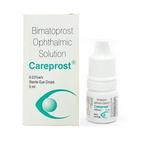
These drops gained immense popularity, demonstrating an incredibly fast and always noticeable result since its application. This innovative means will allow you to give your eyelashes an ideal look, strength and health, in whatever serious condition they are before the moment of its application. It is safe and effective providing amazing results.
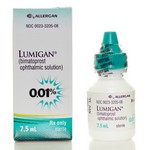
This means is prescribed to reduce eye pressure. Its active ingredient is synthetic prostaglandin bimatoprost – an unsaturated fatty acid, similar in its properties to hormones. Getting into the eye, drops help maintain the balance of the flow and outflow of eye fluid. It is a violation of this balance that leads to an increase in pressure, due to which the blood supply to the eye is impaired and the load on the optic nerve increases.

Bimatoprost reduces IOP in humans by increasing the outflow of aqueous humor through the trabecular meshwork and uveoscleral outflow. IOP reduction begins about 4 hours after the first use. The maximum effect is achieved after about 8–12 hours. The effect lasts for at least 24 hours.
Eye Drops for Dry Eyes: Relieving Discomfort and Promoting Eye Health
Dry eyes are a common condition that can cause discomfort, irritation, and blurred vision. It occurs when the eyes do not produce enough tears or when the tears evaporate too quickly. Eye drops can play a crucial role in managing dry eyes and providing relief from symptoms. Here is everything you need to know about using eye drops for dry eyes:
Understanding Dry Eyes
Dry eyes occur when the tears produced by the glands in the eyes are of inadequate quality or quantity. This can be caused by various factors, including aging, environmental conditions (such as dry air or wind), certain medications, hormonal changes, and underlying medical conditions like autoimmune diseases or hormonal imbalances.
Common symptoms of dry eyes include:
- Stinging or burning sensation in the eyes
- Redness or irritation
- Itchy eyes
- Sensitivity to light
- Feeling like there is something in the eye
- Blurred vision
The Role of Eye Drops
Eye drops designed for dry eyes contain lubricating or moisturizing ingredients. They work by replacing or supplementing the natural tears, providing relief from dryness and alleviating the associated symptoms. These drops help to keep the eyes moist, reduce irritation, and improve overall eye comfort.
There are several types of eye drops available for dry eyes:
- Lubricating drops: These drops are formulated to provide immediate relief and reduce dryness by lubricating the eyes. They usually come in the form of artificial tears or gel-like solutions.
- Preservative-free drops: These drops are suitable for individuals with sensitive eyes or those who need to use eye drops frequently. Preservatives present in some eye drops may cause irritation or allergic reactions in some people.
- Moisturizing drops: These drops typically contain ingredients like hyaluronic acid or glycerin, which help to restore moisture and improve the tear film stability.
- Anti-inflammatory drops: In some cases, dry eyes may be accompanied by inflammation. Anti-inflammatory eye drops may be prescribed to reduce inflammation and provide relief from symptoms.
Using Eye Drops for Dry Eyes
Proper usage of eye drops is crucial to achieve optimal results. Here are some guidelines to follow:
- Wash your hands thoroughly before applying eye drops to maintain hygiene.
- Tilt your head back or lie down and look up towards the ceiling.
- Gently pull down the lower eyelid to create a small pocket.
- Squeeze the bottle according to the recommended dosage or as instructed by your eye care professional.
- Hold the bottle close to your eye but avoid touching the eye or eyelashes with the dropper tip to prevent contamination.
- Squeeze the bottle, allowing a drop or two to fall into the pocket created by pulling down the lower eyelid.
- Blink your eyes gently a few times to spread the eye drops over the surface of the eye.
- Close your eyes gently for a minute to allow the eye drops to spread evenly.
- Wipe away any excess liquid around the eyes with a clean tissue.
- Replace the cap on the eye drops bottle and store it according to the instructions provided.
- Follow the recommended frequency of use for the eye drops. Some may be used multiple times a day, while others may be needed less frequently.
If you wear contact lenses, it is essential to consult with your eye care professional before using eye drops for dry eyes. Certain eye drops may not be compatible with contact lenses, while others may require you to remove your lenses before application. Your eye care professional can provide specific instructions based on the type of contact lenses you wear.
Consulting a Healthcare Professional
If you are experiencing persistent or severe dry eye symptoms, it is advisable to consult a healthcare professional, such as an optometrist or ophthalmologist. They can conduct a thorough examination of your eyes, determine the underlying cause of your dry eyes, and recommend the most appropriate eye drops or treatments for your specific needs.
By following the proper usage guidelines and seeking professional advice when needed, eye drops can effectively relieve discomfort, manage dry eyes, and promote overall eye health.
Eye Drops for Allergies: Alleviating Symptoms and Finding Relief
Allergies can wreak havoc on the eyes, causing redness, itching, and inflammation. Fortunately, there are eye drops available that can help alleviate these symptoms and provide much-needed relief. In this article, we will explore the different types of eye drops recommended for allergies and provide instructions on how to use them effectively.
Understanding Eye Drops for Allergies
Eye drops designed for allergies are specifically formulated to combat the common symptoms that affect the eyes during an allergic reaction. These symptoms may include redness, itching, watery eyes, and swelling.
The two main types of eye drops recommended for allergies are antihistamine drops and mast cell stabilizer drops. Antihistamine drops work by blocking histamine receptors in the eyes, which helps reduce symptoms like itching and redness. Mast cell stabilizer drops, on the other hand, work by preventing the release of histamine, thus reducing inflammation and allergic reactions.
Using Eye Drops for Allergies
When it comes to using eye drops for allergies, it is important to follow the instructions provided by your healthcare professional or read the package insert carefully. Here are some general guidelines:
- Wash your hands thoroughly before applying eye drops.
- Tilt your head back or lie down and look up towards the ceiling.
- Gently pull down your lower eyelid to create a small pocket.
- Hold the eye drop container close to your eye, but make sure it does not touch your eye or eyelid.
- Squeeze the container to release one drop into the pocket created by your lower eyelid. Be careful not to blink or squeeze the container too hard.
- Release your lower eyelid and close your eyes gently.
- Press your finger against the inside corner of your eye (near your nose) for about one minute. This helps prevent the eye drops from draining into your tear duct and being absorbed into the bloodstream.
- If using multiple eye drops, wait at least five minutes between each application to allow the previous drop to be absorbed.
- Repeat the above steps for the other eye if necessary.
It is important to note that some eye drops for allergies can cause temporary stinging or burning upon application. This is usually normal and should subside within a few minutes. However, if the discomfort persists or worsens, it is recommended to consult your healthcare professional.
Frequency of Use
The frequency of using eye drops for allergies may vary depending on the severity of your symptoms and your healthcare provider’s recommendations. Some individuals may find relief with using eye drops as needed, while others may require a more regular dosing schedule.
If you experience persistent or severe allergy symptoms, it is advisable to consult your healthcare professional for further guidance. They can help determine the most appropriate eye drop regimen based on your specific needs.
Conclusion
Eye drops for allergies can provide much-needed relief from the irritating and uncomfortable symptoms caused by allergic reactions. By understanding the different types of eye drops available and following proper usage techniques, you can effectively manage your allergy symptoms and improve your eye health. Remember to consult your healthcare professional for personalized advice and guidance regarding the use of eye drops for allergies.
Eye drops for contact lens wearers
Contact lens wearers may find themselves in need of eye drops to help with various issues related to their lenses or their eyes. Here are some important considerations and recommendations for using eye drops with contact lenses:
Types of eye drops for contact lens wearers
For contact lens wearers, it is crucial to choose eye drops specifically formulated for use with lenses. These may include rewetting drops or multipurpose solutions. These types of eye drops are designed to provide relief from dryness and discomfort while also helping to keep the lenses clean and comfortable to wear.
One popular brand of rewetting drops for contact lens wearers is Bausch + Lomb’s ReNu MultiPlus Lubricating & Rewetting Drops. These drops help to soothe dry and irritated eyes, improving comfort and lens wetting.
Proper application of eye drops with contact lenses
When using eye drops with contact lenses, it is important to follow the correct procedure to ensure safety and effectiveness. Here’s a step-by-step guide for applying eye drops with contact lenses:
1. Start by thoroughly washing your hands with soap and water. Dry them using a lint-free towel.
2. If you are wearing soft contact lenses, make sure they are properly positioned on your eyes before applying the eye drops. If necessary, gently adjust the position of the lenses.
3. Carefully remove one lens from your eye, taking care not to drop it or touch the inside surface. Place the lens in the palm of your hand.
4. Using the index finger of your other hand, dispense one or two drops of the eye drops onto the lens.
5. Gently rub the lens between your index finger and thumb, ensuring that the drops are evenly distributed across the surface of the lens.
6. Once the drops are evenly distributed, rinse the lens with sterile saline solution or multipurpose solution to remove any debris or contaminants.
7. Carefully reinsert the lens into your eye, making sure it is properly aligned and centered. Repeat the process for the other lens, if applicable.
It is important to follow the manufacturer’s instructions for the specific eye drops and contact lenses you are using, as different products may have slightly different application procedures.
Additional tips for contact lens wearers
– Avoid using eye drops that are not specifically formulated for use with contact lenses, as they may contain ingredients that can damage or discolor the lenses.
– If you experience persistent discomfort or irritation despite using eye drops, remove your contact lenses and consult your eye care professional for further guidance.
– Regularly clean and disinfect your contact lenses as directed by your eye care professional to maintain lens hygiene and minimize the risk of eye infections.
Using the right eye drops with contact lenses can help improve comfort, alleviate dryness, and maintain overall eye health for contact lens wearers. If you have any concerns or questions about using eye drops with your contact lenses, it is always best to consult with your eye care professional. They can provide personalized recommendations and address any specific needs or issues you may have.
Consulting a Healthcare Professional
When it comes to using eye drops, it is always important to consult a healthcare professional, such as an optometrist or ophthalmologist, before starting any new treatment. These professionals have the expertise and knowledge to guide you in selecting the appropriate eye drops for your specific condition and provide you with tailored instructions for their use.
There are several reasons why consulting a healthcare professional is essential when it comes to using eye drops:
1. Underlying Eye Conditions
A healthcare professional can assess your eye health and determine if there are any underlying conditions that need to be addressed. Certain eye conditions, such as glaucoma or severe dry eyes, may require specific types of eye drops that are not available over-the-counter. By consulting a professional, you can ensure that you are using the most appropriate eye drops for your individual needs.
2. Medication Interactions
If you are taking other medications, it is important to inform your healthcare professional about them. Some medications, such as certain antibiotics or corticosteroids, may interact with certain eye drops and affect their effectiveness or create unwanted side effects. Your healthcare professional can evaluate any potential interactions and recommend the most suitable eye drops for you.
3. Specific Usage Instructions
Not all eye drops are used in the same way. Different eye drops may have varying dosage instructions, frequency of use, or duration of treatment. A healthcare professional can provide you with clear and specific instructions on how to use the eye drops correctly to achieve the desired results. They can guide you on factors such as proper dosage, application technique, and hygienic practices to ensure optimal effectiveness and safety.
Remember, each person’s eye health is unique, and what works for one individual may not be suitable for another. It is crucial to follow the recommendations of a healthcare professional and ask any questions or express any concerns you may have about using eye drops. Their guidance will help you make informed decisions about your eye care and ensure the best possible outcomes.