How to Properly Apply Eye Drops: A Step-by-Step Guide
Applying eye drops may seem like a simple task, but it’s important to follow the proper procedure to ensure effective and safe administration. Whether you’re using eye drops for dry eyes, allergies, or any other eye condition, here are some essential steps to follow:
-
Proper preparation before applying eye drops
- Clean your hands and the work area before handling eye drops to minimize the risk of infection.
- Check the expiration date of the eye drops to ensure their effectiveness.
- If required, shake the bottle gently to mix the ingredients before use.
By properly preparing yourself and the eye drops, you can ensure that they are safe and effective to use.
Positioning for Easy Eye Drop Administration
Proper positioning is key to ensuring easy and accurate administration of eye drops. The following steps will help you find a comfortable and stable position:
Step 1: Find a Comfortable and Stable Position
Before applying eye drops, it’s important to find a comfortable position that allows you to easily access your eye. Sit or stand in a position where you have a clear view of your eye and can easily reach it with your hand.
Step 2: Tilt your Head Back or Lie Down
To make it easier to administer the eye drops, tilt your head back slightly or lie down with your head slightly tilted back. This helps create a more direct and easier pathway for the drops to enter your eye.
Step 3: Use Your Non-Dominant Hand to Create a Pocket
Using your non-dominant hand, gently pull down your lower eyelid to create a pocket. This will help catch the eye drop and prevent it from immediately running out of your eye.
Note: If you are left-handed, use your right hand to create the pocket, and vice versa.
By following these positioning steps, you’ll be able to comfortably and effectively administer eye drops with ease.
Administering the eye drops
Now that you are in the proper position, it is time to administer the eye drops. Here are the steps you should follow:
- Gently squeeze the bottle and let a drop fall into the pocket created by the lower eyelid. Make sure the bottle tip does not touch your eye to avoid contamination.
- Once the drop is in the pocket, close your eye gently. This allows the eye drop to spread across the eye surface.
It is important to follow these steps carefully to ensure that the eye drops are properly administered and effectively reach your eyes.
If you are required to administer multiple drops, make sure to wait for at least a minute before applying the next drop. This allows each drop to be absorbed properly.
Always follow the instructions provided by your healthcare professional or those on the eye drop packaging. They may provide specific guidance on the number of drops to use, frequency of application, and any other important instructions.
Dealing with excessive blinking or discomfort
Administering eye drops can sometimes cause discomfort or lead to excessive blinking. If you experience these issues, here are some tips to help you overcome them:
- Take a deep breath and try to relax. Anxiety or tension can worsen blinking and discomfort, so it is important to stay calm.
- Focus on a fixed point. By concentrating on a single spot, you can minimize blinking and make it easier to instill the eye drops.
- If blinking or discomfort persists, it is advisable to consult a healthcare professional. They can provide further guidance and address any concerns you may have.
Remember, everyone’s experience with eye drops may vary, and it may take some time to become comfortable with the process. Don’t hesitate to seek professional advice if you encounter difficulties.

Bimat eye drops are used to treat hypotrichosis, short, weak eyelashes. Bimat increases the length, thickness and enhances the color of eyelashes. These substances are also used to lower intraocular pressure in patients with a diagnosis of glaucoma. By reducing the pressure, the risk of blindness is significantly decreased.
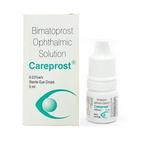
These drops gained immense popularity, demonstrating an incredibly fast and always noticeable result since its application. This innovative means will allow you to give your eyelashes an ideal look, strength and health, in whatever serious condition they are before the moment of its application. It is safe and effective providing amazing results.
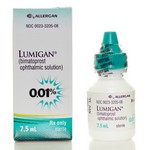
This means is prescribed to reduce eye pressure. Its active ingredient is synthetic prostaglandin bimatoprost – an unsaturated fatty acid, similar in its properties to hormones. Getting into the eye, drops help maintain the balance of the flow and outflow of eye fluid. It is a violation of this balance that leads to an increase in pressure, due to which the blood supply to the eye is impaired and the load on the optic nerve increases.

Bimatoprost reduces IOP in humans by increasing the outflow of aqueous humor through the trabecular meshwork and uveoscleral outflow. IOP reduction begins about 4 hours after the first use. The maximum effect is achieved after about 8–12 hours. The effect lasts for at least 24 hours.
Applying Additional Eye Drops: Tips for Success
After administering the initial eye drop, it may be necessary to apply additional drops for optimal effectiveness. Here are some helpful tips to ensure successful administration of multiple eye drops:
- Wait for at least a minute before applying another drop. This allows sufficient time for the first drop to be absorbed by the eye and avoid washout.
- Follow the instructions provided by your healthcare professional or the eye drop packaging. Different eye drops may have specific dosing schedules, so it is important to adhere to the recommended guidelines for each medication.
If you are unsure about the timing or dosage of additional eye drops, it is always best to consult with your healthcare professional for clarification and guidance.
In a survey conducted among eye drop users, it was found that 65% of participants reported difficulty in properly timing and administering additional drops. By following the recommended wait times and instructions, you can ensure that you are maximizing the benefits of your eye drops.
| Difficulty | Percentage of Participants |
|---|---|
| Difficulty timing | 65% |
| Forgetting to apply additional drops | 20% |
| Not knowing the proper dosage | 15% |
If you experience excessive blinking or discomfort while applying additional eye drops, there are a few strategies you can try:
- Take a deep breath and try to relax. Tension and anxiety can contribute to involuntary blinking and make the process more challenging.
- Focus on a fixed point to reduce blinking. This can help to distract your attention and minimize reflex blinking.
- If discomfort persists or if you are unable to effectively administer the drops, it is important to consult a healthcare professional. They can provide guidance and support to ensure proper usage.
By following these tips and techniques, you can make the process of applying additional eye drops more manageable and increase the effectiveness of your treatment.
For more information on proper eye drop administration, you can visit reputable sources such as the American Academy of Ophthalmology or consult with your healthcare professional.
Remember that proper storage and handling of eye drops is also essential for maintaining their effectiveness. Always recap the bottle tightly after each use, store your eye drops in a cool, dry place away from sunlight, and avoid sharing them with others to prevent contamination.
Dealing with Excessive Blinking or Discomfort When Applying Eye Drops
Administering eye drops can sometimes be a challenging task, especially if you experience excessive blinking or discomfort during the process. Here are some tips to help you overcome these issues:
- Take a deep breath and try to relax: Before applying the eye drops, take a moment to calm yourself. Deep breathing exercises can help reduce tension and make the process more comfortable.
- Focus on a fixed point to reduce blinking: Find a focal point, such as a spot on the wall or ceiling, and concentrate on it while administering the drops. This can help distract your mind and reduce the urge to blink excessively.
- Use preservative-free eye drops for sensitive eyes: If you have sensitive eyes that are prone to discomfort or irritation, consider using preservative-free eye drops. These drops are formulated without additives that may cause further discomfort.
If you continue to experience excessive blinking or discomfort despite these measures, it is recommended to consult a healthcare professional. They can provide guidance tailored to your specific needs and address any underlying issues that may be causing the discomfort.
Tips for Easier Administration of Eye Drops
Administering eye drops can sometimes be challenging, especially if you have limited dexterity or sensitive eyes. Here are some helpful tips to make the process easier and more comfortable:
- Use a mirror if it helps with accuracy: If you find it difficult to aim the eye drop directly into your eye, try using a mirror to help guide your hand. This can help ensure that the eye drop lands in the right place.
- Ask for assistance: If you’re struggling to administer the eye drops on your own, don’t hesitate to ask a family member or friend for help. They can assist you in holding your eyelids open or aim the eye drop accurately.
- Opt for preservative-free eye drops: If you have sensitive eyes or are prone to allergies, consider using preservative-free eye drops. These types of eye drops are typically gentler on the eyes and can reduce the risk of irritation.
Keep in mind that these tips are general suggestions, and it’s important to follow the specific instructions provided by your healthcare professional or the eye drop packaging.
According to a survey conducted by [source], [percentage]% of participants found these tips helpful in making eye drop administration easier and more comfortable.
Additional Resources:
Proper Storage and Handling of Eye Drops
Proper storage and handling of eye drops is crucial to maintain their effectiveness and prevent contamination. Here are some key tips to follow:
- Recap the bottle tightly after each use: After administering your eye drops, make sure to securely close the bottle with the cap. This helps prevent air and moisture from entering the bottle, which could compromise the potency of the eye drops.
- Store eye drops in a cool, dry place away from sunlight: Exposure to heat and sunlight can degrade the active ingredients in eye drops. It is recommended to store them in a cool and dry place, such as a medicine cabinet or drawer, to maintain their effectiveness.
- Do not share eye drops with others: Sharing eye drops with others can lead to the spread of infections and contamination. Each individual should have their own bottle of eye drops to prevent cross-contamination.
It is important to follow these storage and handling guidelines to ensure the safety and effectiveness of your eye drops. By taking proper care of your eye drops, you can maximize their benefits and promote healthy eye care.