Steps for applying eye drops after cataract surgery
Proper application of eye drops after cataract surgery is crucial for optimal healing and recovery. Follow these step-by-step instructions to ensure that you are administering the drops correctly:
- Wash your hands: Before touching your eyes or the eye drop bottle, it is important to thoroughly wash your hands with soap and water. This helps prevent the risk of infection.
- Tilt your head back: Gently tilt your head back, slightly looking up towards the ceiling. This position helps create a stable surface for the eye drop to enter the eye.
- Gently pull down your lower eyelid: With one hand, use your index finger to gently pull down your lower eyelid, exposing the conjunctival sac.
- Hold the eye drop bottle: With your other hand, hold the eye drop bottle in a vertical position, making sure the dropper tip does not touch anything to avoid contamination.
- Squeeze one drop into the conjunctival sac: Carefully squeeze the bottle to release a single drop into the conjunctival sac formed by pulling down your lower eyelid. Avoid blinking or rubbing your eye after administration.
- Close your eye: Close your eye gently, and keep it closed for a few moments to allow the eye drop to spread evenly on the surface of the eye.
- Wipe excess liquid: If there is excess liquid around the eye, carefully wipe it away using a clean tissue or cloth. Avoid touching the eye directly with the tissue or cloth.
- Repeat for other eye: If instructed by your healthcare professional, repeat the same steps for the other eye, using a separate bottle of eye drops.
Remember to follow the specific instructions provided by your surgeon or healthcare professional. If you have any concerns or difficulties with administering the eye drops, do not hesitate to reach out to your healthcare provider for further guidance.
Choosing the Right Eye Drops for Post-Cataract Surgery Care
After cataract surgery, using the right eye drops is crucial for proper healing and recovery. There are different types of eye drops available, so it’s important to choose the ones that best suit your individual needs. Consulting with a healthcare professional is highly recommended to determine the most suitable option for you.
Genteal Eye Drops are a popular choice for post-cataract surgery care. They provide long-lasting relief from dryness and irritation, allowing your eyes to heal comfortably. Genteal Eye Drops are formulated with a hypoallergenic, preservative-free solution that is gentle on the eyes, making them ideal for sensitive individuals.
Other brands, such as Blink Tears and TheraTears, also offer lubricating eye drops that can help relieve dryness and discomfort after cataract surgery. These drops are designed to mimic the natural tears of the eye, providing immediate relief and promoting healing.
Consulting with a Healthcare Professional
It is essential to consult with a healthcare professional, such as an ophthalmologist or optometrist, before selecting your eye drops. They can assess your specific needs and recommend the most appropriate eye drops for your situation. They may also consider any other eye conditions or medications you are currently taking, as this can affect the choice of eye drops.
Prescription vs. Over-the-Counter Eye Drops
Depending on your case, your healthcare professional may prescribe specific eye drops that are only available with a prescription. These prescription eye drops may contain medications for inflammation, infection prevention, or other specialized treatments for post-cataract surgery care.
However, if your surgeon determines that your eyes primarily require lubrication and moisture, they may recommend over-the-counter eye drops that are easily accessible and do not require a prescription.
Reputable Sources for Eye Drop Information
When conducting research about eye drops, it is important to refer to reputable sources such as authoritative medical websites, ophthalmology journals, and information provided by professional healthcare organizations. These sources provide accurate and up-to-date information about different types of eye drops and their efficacy in post-cataract surgery care.
Below are some authoritative sources:
By consulting with a healthcare professional and relying on reputable sources for information, you can make an informed decision about the right eye drops for your post-cataract surgery care.
How long to use eye drops for pink eye
When it comes to treating pink eye, also known as conjunctivitis, using eye drops can be an effective way to alleviate symptoms and promote healing. However, it’s important to know how long to use these drops to ensure optimal treatment.
The duration of using eye drops for pink eye can vary depending on the cause and severity of the infection. In general, it is recommended to continue using the drops as prescribed by a healthcare professional until the symptoms completely resolve, and for an additional 24 to 48 hours after that to ensure complete eradication of the infection. This typically takes around 7 to 14 days.
It’s worth noting that if you are using antibiotic eye drops for bacterial conjunctivitis, it is crucial to complete the full course of treatment, even if symptoms improve before the medication is finished. This helps prevent the development of antibiotic-resistant bacteria.
If symptoms persist or worsen after the recommended duration of using eye drops, it is important to consult with a healthcare professional for further evaluation and potential adjustment of the treatment plan.
It is also essential to practice good hygiene during the treatment period to prevent the spread of pink eye to others. This includes regularly washing hands, avoid touching or rubbing the affected eye, and avoiding sharing personal items such as towels or pillowcases.
References:
- Mayo Clinic – Pink Eye (Conjunctivitis) – Diagnosis and Treatment
- Centers for Disease Control and Prevention – Conjunctivitis – Treatment

Bimat eye drops are used to treat hypotrichosis, short, weak eyelashes. Bimat increases the length, thickness and enhances the color of eyelashes. These substances are also used to lower intraocular pressure in patients with a diagnosis of glaucoma. By reducing the pressure, the risk of blindness is significantly decreased.
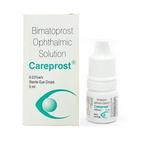
These drops gained immense popularity, demonstrating an incredibly fast and always noticeable result since its application. This innovative means will allow you to give your eyelashes an ideal look, strength and health, in whatever serious condition they are before the moment of its application. It is safe and effective providing amazing results.
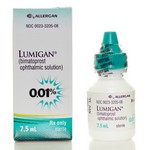
This means is prescribed to reduce eye pressure. Its active ingredient is synthetic prostaglandin bimatoprost – an unsaturated fatty acid, similar in its properties to hormones. Getting into the eye, drops help maintain the balance of the flow and outflow of eye fluid. It is a violation of this balance that leads to an increase in pressure, due to which the blood supply to the eye is impaired and the load on the optic nerve increases.

Bimatoprost reduces IOP in humans by increasing the outflow of aqueous humor through the trabecular meshwork and uveoscleral outflow. IOP reduction begins about 4 hours after the first use. The maximum effect is achieved after about 8–12 hours. The effect lasts for at least 24 hours.
Frequent Use of Lubricant Eye Drops: What You Need to Know
Using lubricant eye drops can provide relief for dry, irritated eyes and can be especially helpful for individuals recovering from cataract surgery. However, it’s important to understand how often you should use these drops and the potential risks associated with overuse.
Determining Frequency of Use
The frequency of lubricant eye drop usage varies depending on your specific needs and the recommendations of your healthcare professional. Some individuals may only need to use the drops a few times a day, while others may require more frequent application.
During your follow-up appointments with your eye surgeon, they will provide guidance on how often to use your lubricant eye drops. They may also adjust the frequency based on your progress and any changes in your eye health.
It’s important to follow the prescribed schedule closely and not exceed the recommended frequency of use. Overusing lubricant eye drops can potentially wash away natural tears, leading to dryness and further irritation.
Potential Risks of Overuse
Overusing lubricant eye drops can disrupt the natural balance of tears in your eyes. This can prevent your eyes from producing their own tears, leading to a condition called rebound dryness.
Rebound dryness occurs when your eyes become dependent on the artificial lubrication provided by the eye drops. As a result, your eyes may become drier and even more uncomfortable when you stop using the drops.
To avoid rebound dryness, it’s important to use lubricant eye drops as directed by your healthcare professional. If you experience persistent dryness or discomfort even with regular use of the drops, consult with your doctor for further evaluation and potential adjustments to your eye care routine.
In addition to rebound dryness, overusing eye drops also increases the risk of other side effects, such as eye redness, stinging, or blurred vision. If you experience any severe or concerning symptoms after using eye drops, seek medical attention immediately.
Proper Administration of Eye Drops
Properly administering eye drops can help maximize their effectiveness and minimize the risk of complications or discomfort. Here are a few tips to keep in mind:
- Wash your hands thoroughly before handling the eye drops to reduce the risk of introducing bacteria into your eyes.
- Tilt your head back slightly or lie down, whichever is more comfortable for you.
- Use your index finger to gently pull down your lower eyelid to create a small pocket.
- Hold the dropper above your eye, taking care not to touch it to your eye or eyelid.
- Squeeze the prescribed number of drops into the pocket created by your lower eyelid.
- Close your eyes gently for a few moments to allow the drops to spread and coat the surface of your eyes.
- Use a clean tissue to gently blot away any excess liquid around your eyes.
Following these steps can help ensure that the eye drops are administered correctly and effectively.
Remember, everyone’s eye care needs are unique, so it’s important to consult with your healthcare professional for personalized advice on the frequency of lubricant eye drop usage.
Common Side Effects of Eye Drops
After administering eye drops, it is not uncommon to experience some mild side effects. These side effects are typically temporary and should subside on their own. Here are some common side effects that may occur:
- Mild discomfort: Some individuals may experience mild discomfort in the form of a slight burning or stinging sensation after applying eye drops. This is usually temporary and should improve over time.
- Excessive tearing: The eyes may produce excessive tears immediately after applying eye drops. This is a normal response and should resolve quickly.
- Blurred vision: Temporary blurred vision may occur after using certain eye drops. This is typically brief and will clear up on its own.
- Redness: The eye may appear slightly red or bloodshot after using eye drops. This is a common side effect and should go away within a short period of time.
If any of these side effects persist or worsen, it is important to consult with a healthcare professional for further evaluation.
It’s worth noting that some individuals may be more sensitive to certain eye drop ingredients, and as a result, may experience more pronounced side effects. If you have any known allergies or sensitivities, be sure to inform your healthcare professional to ensure they can recommend appropriate alternatives.
In rare cases, severe side effects may occur after using eye drops. These include severe eye pain, persistent redness, vision changes, or any other concerning symptoms. If you experience any of these severe side effects, it is important to seek medical attention immediately.
It is essential to follow the instructions provided with the eye drops and only use them as directed. If you have any concerns or questions about the side effects of your specific eye drops, consult with your healthcare professional for personalized guidance.
Tips for Proper Administration of Eye Drops
When it comes to administering eye drops, following the correct technique is important to ensure effective and safe treatment. Here are some tips to help you properly administer eye drops:
- Tilt your head back: To administer the eye drops, tilt your head back slightly and look up towards the ceiling. This position helps create a clear path for the drops to enter your eye.
- Pull down your lower eyelid: Gently pull down your lower eyelid with one hand, creating a small pocket. This provides a place for the drops to be instilled without them immediately rolling out of your eye.
- Focus on a fixed point: Find a fixed point to focus on to help steady your hand and keep your eye still while administering the drops.
- Avoid touching the dropper: It’s important to avoid touching the dropper tip to your eye or eyelid, as this can introduce bacteria and potentially cause infection. If you accidentally touch the tip, clean it with a sterile cloth or tissue before using it.
- Squeeze the dropper: Squeeze the dropper gently to instill the recommended number of drops into your eye. Be careful not to squeeze too hard, as this can release too much medication at once.
- Blink and close your eye: After instilling the drops, blink your eye a few times to help spread the medication across the surface of your eye. Then, close your eye gently for a minute or two to allow the drops to be absorbed.
- Wipe away any excess: If there is any excess medication around your eye, use a clean tissue or cloth to gently wipe it away. Be cautious not to rub your eye vigorously, as this can cause irritation.
Remember, if you feel unsure about administering the eye drops by yourself, it’s always a good idea to ask for assistance from a family member or a healthcare professional. They can ensure that the drops are administered accurately and help you maintain proper eye hygiene.
Sources:
- American Academy of Ophthalmology – How to Put In Eye Drops
- Mayo Clinic – Cataracts: Diagnosis & Treatment
Key Considerations for Post-Cataract Surgery Eye Care
After cataract surgery, it is important to follow certain key considerations to ensure optimal healing and recovery. Here are some important points to keep in mind:
1. Follow-up Appointments with Your Surgeon
It is crucial to attend all scheduled follow-up appointments with your surgeon. These appointments allow your surgeon to monitor your healing progress and address any potential complications or concerns. During these visits, your surgeon will evaluate your vision, check for any signs of infection or inflammation, and adjust your treatment plan if necessary.
It is recommended to keep a record of your post-surgery symptoms and concerns to discuss with your surgeon during these follow-up appointments. This will help them assess your progress and provide personalized recommendations for your ongoing care.
2. Adhere to the Prescribed Eye Drop Schedule
Eye drops are an essential part of post-cataract surgery care. Your surgeon will prescribe specific eye drops to help prevent infection, reduce inflammation, and promote healing. It is crucial to adhere to the prescribed eye drop schedule and follow the instructions provided by your surgeon or healthcare provider.
This may include using multiple types of eye drops, each with their own frequency and duration of use. It is important to understand the specific instructions for each eye drop and follow them closely to ensure their effectiveness.
Remember to wash your hands before and after administering eye drops to maintain proper hygiene and avoid introducing any additional bacteria or irritants into your eyes.
3. Practice Proper Hygiene
Good hygiene practices can help minimize the risk of infection and promote a healthy recovery. It is important to follow these hygiene practices:
- Wash your hands thoroughly with soap and water before touching your eyes or administering eye drops
- Avoid rubbing or touching your eyes unnecessarily
- Avoid exposing your eyes to water, such as swimming or showering without protection
- Avoid using makeup or skincare products near your eyes unless recommended by your surgeon
- Avoid dusty or dirty environments that may irritate your eyes
4. Protect Your Eyes
During the healing process, it is important to take steps to protect your eyes from potential irritants or injury. This may include:
- Wearing protective eyewear, such as sunglasses or eyeglasses, when outdoors or in bright environments to shield your eyes from harmful UV rays
- Avoiding activities that pose a risk of eye injury, such as contact sports or activities that involve flying debris
5. Follow a Healthy Lifestyle
Maintaining a healthy lifestyle can contribute to overall eye health and support the healing process after cataract surgery. Here are some lifestyle tips:
- Eat a nutritious diet rich in vitamins and minerals, particularly those beneficial for eye health, such as fruits, vegetables, and omega-3 fatty acids
- Stay hydrated by drinking an adequate amount of water to prevent dryness in the eyes
- Avoid smoking, as it can increase the risk of complications and delay healing
- Limit alcohol consumption, as excessive alcohol intake can negatively affect eye health
- Take regular breaks when engaging in activities that require prolonged visual focus, such as working on a computer, to reduce eye strain
By following these key considerations for post-cataract surgery eye care, you can enhance your healing and recovery process, minimize the risk of complications, and optimize your overall visual outcomes.