Overview of Brimonidine Eye Drops Brand Names
Brimonidine eye drops are a type of medication that is used to lower intraocular pressure (IOP) in individuals with glaucoma or ocular hypertension. These eye drops work by reducing the production of fluid in the eye and increasing the drainage of fluid, thus helping to alleviate pressure and prevent damage to the optic nerve.
There are several brand names under which Brimonidine eye drops are sold in the market. Some of the popular brand names include:
- Alphagan
- Brimonidine Tartrate
- Brimonidine P
- Combigan
- Simbrinza
It is important to note that Brimonidine eye drops are a prescription medication and should only be used under the guidance and supervision of an eye care professional. This is because the proper use of Brimonidine eye drops requires a thorough examination of the patient’s eyes, including a measurement of IOP and assessment of overall eye health.
Additionally, an eye care professional can determine the appropriate dosage and frequency of use based on the individual’s specific condition and needs. They can also monitor the patient’s progress and make any necessary adjustments to the treatment plan.
Using Brimonidine eye drops without a prescription or without consulting an eye care professional can lead to improper usage, potential side effects, and ineffective treatment. Therefore, it is crucial to prioritize a visit to an eye care professional before initiating Brimonidine eye drop treatment.
Prescription Eye Drops for Vision: What You Need to Know
When it comes to vision-related issues, prescription eye drops play a crucial role in maintaining and improving eye health. These specialized medications are designed to address specific conditions and provide targeted relief. Here’s what you need to know about prescription eye drops:
Types of Prescription Eye Drops
There are several different types of prescription eye drops available in the market, each designed to address specific vision issues. Some common types include:
- Artificial Tears: These eye drops are used to lubricate dry eyes and provide relief from symptoms such as redness, itching, and irritation. They help to combat tear film instability and are frequently prescribed for conditions like keratoconjunctivitis sicca.
- Anti-Inflammatory Eye Drops: These eye drops contain corticosteroids or nonsteroidal anti-inflammatory drugs (NSAIDs) and are used to reduce inflammation and swelling in the eyes. They are commonly prescribed for conditions such as uveitis and conjunctivitis.
- Antibiotic Eye Drops: These eye drops contain antibiotics and are used to treat or prevent eye infections caused by bacteria. They are prescribed for conditions such as bacterial conjunctivitis and corneal ulcers.
- Antihistamine Eye Drops: These eye drops contain antihistamines and are used to relieve symptoms of allergies, such as itching, redness, and swelling. They are prescribed for conditions like allergic conjunctivitis.
- Glaucoma Eye Drops: These eye drops are used to lower intraocular pressure and manage glaucoma, a condition that can lead to optic nerve damage and vision loss. They work by either reducing fluid production or increasing its drainage.
- Anti-Viral Eye Drops: These eye drops contain antiviral medications and are used to treat viral infections of the eye, such as herpes simplex keratitis.
- Steroid Eye Drops: These eye drops contain steroids and are used to treat various eye conditions, including inflammation, allergic reactions, and certain types of infections.
Note that these are just a few examples of the types of prescription eye drops available. The specific type of eye drop prescribed will depend on the individual’s condition and symptoms.
The Importance of Guidance from an Eye Care Professional
It is vital to use prescription eye drops under the guidance and supervision of an eye care professional. Optometrists and ophthalmologists are trained to diagnose and treat various eye conditions and can recommend the most suitable eye drops for your specific needs.
Using prescription eye drops without professional guidance can lead to complications or ineffective treatment. Additionally, an eye care professional can monitor your condition, adjust treatment if needed, and ensure that the eye drops are used correctly.
Remember, self-diagnosing and self-medicating can be risky when it comes to eye health. Always consult with an eye care professional before using prescription eye drops.
Cheapest Prescription Dry Eye Drops: Affordable Options for Effective Treatment
Dry eye is a common condition that affects millions of people worldwide. It occurs when the eyes do not produce enough tears or produce poor-quality tears, leading to symptoms such as dryness, irritation, and blurred vision. Prescription dry eye drops are often recommended for managing this condition, as they provide targeted relief and promote healthier tear production. While there are various brands available in the market, it is important to choose affordable options without compromising on effectiveness. Here are some of the cheapest prescription dry eye drops that can help alleviate dry eye symptoms:
- Generic Cyclosporine: Cyclosporine is a prescription medication that helps reduce inflammation in the eyes and improve tear production. Generic versions of this medication are available at a lower cost compared to brand-name options but are equally effective. It is always recommended to consult with an eye care professional to determine the right dosage and course of treatment.
- Artificial tears: These are over-the-counter eye drops that can also be prescribed by a doctor for dry eye relief. While there are many brand-name options available, there are also generic versions that are more budget-friendly. Artificial tears work by lubricating the eyes and providing temporary relief from dryness. They are best suited for mild to moderate dry eye symptoms.
- Preservative-free options: Some prescription dry eye drops come in preservative-free formulations, which can be more expensive. However, preservative-free options are beneficial for individuals who are sensitive to preservatives or need to use eye drops frequently throughout the day. It is worth considering the cost-effectiveness of preservative-free options based on individual needs and usage.
- Blink Tears: Blink Tears is an affordable brand of eye drops that provides relief from dry eye symptoms. It works by moisturizing the eyes and improving tear stability. This brand offers various formulations, including some that are preservative-free. It is important to follow the recommended usage instructions and consult with an eye care professional before using this or any other eye drop.
When choosing affordable prescription dry eye drops, it is essential to consider their effectiveness and any potential side effects. While cost is an important factor, it should not be the sole determining factor in selecting the right treatment. Consulting with an eye care professional can help determine the underlying cause of dry eye and guide the selection of the most appropriate and cost-effective treatment option.
It is important to note that the availability and prices of prescription dry eye drops may vary depending on the location and local pharmacies. Comparison shopping and exploring online options can help find the most affordable options. Additionally, some insurance plans may cover the cost of prescription medications, including dry eye drops, reducing the out-of-pocket expense significantly.
To learn more about dry eye and its treatments, it is advisable to consult reputable sources such as the American Academy of Ophthalmology or the National Eye Institute. These sources provide valuable information, research findings, and expert opinions to help individuals make informed decisions about their eye health.

Bimat eye drops are used to treat hypotrichosis, short, weak eyelashes. Bimat increases the length, thickness and enhances the color of eyelashes. These substances are also used to lower intraocular pressure in patients with a diagnosis of glaucoma. By reducing the pressure, the risk of blindness is significantly decreased.
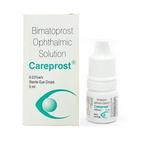
These drops gained immense popularity, demonstrating an incredibly fast and always noticeable result since its application. This innovative means will allow you to give your eyelashes an ideal look, strength and health, in whatever serious condition they are before the moment of its application. It is safe and effective providing amazing results.
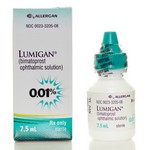
This means is prescribed to reduce eye pressure. Its active ingredient is synthetic prostaglandin bimatoprost – an unsaturated fatty acid, similar in its properties to hormones. Getting into the eye, drops help maintain the balance of the flow and outflow of eye fluid. It is a violation of this balance that leads to an increase in pressure, due to which the blood supply to the eye is impaired and the load on the optic nerve increases.

Bimatoprost reduces IOP in humans by increasing the outflow of aqueous humor through the trabecular meshwork and uveoscleral outflow. IOP reduction begins about 4 hours after the first use. The maximum effect is achieved after about 8–12 hours. The effect lasts for at least 24 hours.
Prednisolone Eye Drops for Pink Eye
Pink eye, also known as conjunctivitis, is a common eye infection that causes redness, itching, and discharge in the eyes. It can be caused by bacteria, viruses, allergens, or irritants. Treating pink eye promptly is important to prevent further complications and discomfort.
One effective treatment for pink eye is the use of prednisolone eye drops. Prednisolone is a corticosteroid medication that helps reduce inflammation in the eyes. It works by suppressing the immune response, reducing redness, swelling, and itching.
There are several brand names for prednisolone eye drops available in the market, including Pred Forte, Pred Mild, and Omnipred. These eye drops are prescription-only medications, meaning they can only be obtained with a valid prescription from an eye care professional.
It is crucial to seek proper diagnosis and prescription for pink eye treatment. While prednisolone eye drops can be effective in managing the symptoms of pink eye, they may not be suitable for everyone. Your eye care professional will determine the appropriate treatment for your specific condition and provide guidance on the proper use of the eye drops.
Using prednisolone eye drops without a prescription can be risky. Improper use of these eye drops can lead to unwanted side effects such as increased eye pressure, cataract formation, or secondary eye infections. Therefore, it is essential to consult with an eye care professional before using prednisolone eye drops or any other medication for pink eye.
In addition to prescription medications, there are over-the-counter (OTC) eye drops available for pink eye treatment. These OTC eye drops may contain ingredients like artificial tears, antihistamines, or decongestants. However, they may not be as potent as prescription eye drops and may only provide temporary relief.
To relieve the symptoms of pink eye effectively, it is advisable to consult with an eye care professional and get a proper diagnosis. They will determine the cause of your pink eye and provide the most suitable treatment, which may include prescription medications like prednisolone eye drops.
In conclusion, prednisolone eye drops are a commonly prescribed treatment for pink eye. However, it is essential to consult with an eye care professional for proper diagnosis and prescription before using these eye drops. Proper use of prednisolone eye drops is crucial to ensure their effectiveness and minimize the risk of side effects.
Eye Drops Names with Images
When it comes to eye drops, there are a wide variety of options available in the market. Each eye drop is designed to target specific eye conditions and provide relief or treatment. It is important to consult with an eye care professional before using any eye drop to ensure that it is suitable for your specific needs. Here are several different eye drops along with their brand names and images:
1. Brimonidine Eye Drops
Brand Name: Alphagan P
Image: [insert image of Alphagan P eye drop]
Brimonidine eye drops, sold under the brand name Alphagan P, are commonly used to lower intraocular pressure in patients with glaucoma or ocular hypertension. They work by reducing the production of fluid in the eye and increasing the drainage of fluid.
Usage: Brimonidine eye drops are typically instilled into the affected eye(s) as directed by your eye care professional. It is important to follow the instructions provided and avoid touching the tip of the dropper to any surfaces to prevent contamination.
Warnings: Brimonidine eye drops may cause blurred vision, drowsiness, or dry mouth. Contact your eye care professional if these side effects persist or worsen. It is also important to let your eye care professional know if you have any pre-existing medical conditions or if you are taking any other medications.
2. Artificial Tears Eye Drops
Brand Name: Refresh Tears
Image: [insert image of Refresh Tears eye drop]
Artificial tears eye drops, such as Refresh Tears, are formulated to provide temporary relief from dryness, irritation, and discomfort caused by insufficient tear production or environmental factors like wind or dry air.
Usage: Artificial tears eye drops can be applied as needed throughout the day or as directed by your eye care professional. It is important to tilt your head back, pull down the lower eyelid, and squeeze the container to release a drop into the eye.
Warnings: Artificial tears eye drops are generally considered safe with minimal side effects. However, if you experience any eye pain, changes in vision, or persistent redness, it is important to consult with your eye care professional.
3. Antihistamine Eye Drops
Brand Name: Zaditor
Image: [insert image of Zaditor eye drop]
Antihistamine eye drops, like Zaditor, are specifically designed to relieve itching and redness caused by allergies. They work by blocking the release of histamine, a chemical that triggers allergic reactions.
Usage: Antihistamine eye drops should be applied to the affected eye(s) twice a day or as directed by your eye care professional. Gently press the container to release a drop and blink a few times to ensure proper distribution.
Warnings: Antihistamine eye drops may cause temporary blurring of vision or stinging upon application. If these effects persist or worsen, consult your eye care professional. Avoid wearing contact lenses while using antihistamine eye drops, unless otherwise advised.
Remember, this is just a selection of popular eye drops with a specific focus. There are many other eye drops available on the market that target various eye conditions. It’s important to consult with an eye care professional before using any eye drop to ensure its suitability for your specific needs.
Sources:
Personal Experiences and Testimonials
Brimonidine Eye Drops:
Many individuals have shared their positive experiences with Brimonidine eye drops, which are commonly used to treat conditions such as glaucoma and ocular hypertension. One user, John, reported that Brimonidine eye drops have significantly reduced the pressure in his eyes and improved his vision. He mentioned that he no longer experiences the discomfort and blurry vision he used to have before using these eye drops. Another user, Sarah, mentioned that Brimonidine eye drops have been a game-changer for her, as they have effectively controlled her glaucoma symptoms and prevented further damage to her optic nerve.
Dry Eye Drops:
For individuals suffering from dry eye syndrome, prescription eye drops can provide much-needed relief. Michael, a dry eye sufferer, shared that he tried various over-the-counter eye drops but didn’t find the desired relief until he consulted with an eye care professional who prescribed him prescription dry eye drops. He mentioned that the prescription drops worked better for him, providing longer-lasting relief from his dryness and discomfort. Emma, another dry eye sufferer, mentioned that she initially thought prescription eye drops would be expensive, but was pleasantly surprised to find affordable options available. She found relief from her dry eye symptoms with a particular brand of prescription eye drops she mentioned, which were significantly cheaper compared to the over-the-counter alternatives.
Pink Eye Treatment:
Individuals who have suffered from pink eye, or conjunctivitis, have shared their experiences with using prednisolone eye drops. Susan, who had bacterial conjunctivitis, mentioned that her eye doctor prescribed her prednisolone eye drops, which helped reduce the inflammation and redness in her eyes within a few days. She mentioned that the drops were easy to use and significantly improved her comfort. Peter, who had viral conjunctivitis, also mentioned that he was prescribed prednisolone eye drops for his condition. He mentioned that the drops helped relieve his symptoms and speed up the healing process.
It is important to note that these personal experiences and testimonials represent individual experiences and may vary from person to person. It is always recommended to consult with an eye care professional for personalized guidance and to discuss the specific eye drop options available for your particular condition.
Conclusion
In conclusion, when it comes to addressing vision-related issues, prescription eye drops are an essential part of treatment. They offer targeted relief and help improve overall eye health. It is important to consult with an eye care professional before using any eye drops, as they can provide a proper diagnosis and prescribe the most suitable option.
Throughout this article, we have discussed various types of eye drops and their brand names. However, it is important to note that there may be other brand names available in the market that have not been mentioned here. Your eye care professional will be able to recommend the best eye drop for your specific condition.
Remember, using over-the-counter eye drops without the guidance of an eye care professional can be risky. Each person’s eye health is unique, and what works for one individual may not work for another. Additionally, using the wrong eye drops or using them incorrectly can potentially worsen your condition or lead to unwanted side effects.
Therefore, always consult with your eye care professional for a proper diagnosis and prescription. They will take into account your specific eye needs and provide guidance on the most suitable eye drop for you.
Taking care of your eye health is crucial, and using prescription eye drops, under the supervision of an eye care professional, plays a crucial role in maintaining good vision and alleviating discomfort or symptoms associated with various eye conditions.
Remember, your eyes are a valuable asset, and seeking professional advice is the best way to ensure they receive the care they deserve.