What are prescription eye drops for dry eyes?
Prescription eye drops for dry eyes are medications that are prescribed by a doctor to help alleviate the symptoms of dry eyes. Dry eye syndrome occurs when a person does not have enough tears or the quality of their tears is poor, leading to discomfort, redness, and irritation.
There are several types of prescription eye drops available for treating dry eyes, including:
- Cyclosporine eye drops: These eye drops help to increase tear production and reduce inflammation in the eyes. They are often prescribed for people with chronic dry eye disease.
- Lifitegrast eye drops: Lifitegrast eye drops work by reducing inflammation in the eyes and helping to increase tear production. They are prescribed for people with dry eyes caused by inflammation.
- Autologous serum eye drops: These eye drops are made from a person’s own blood serum and are used to provide lubrication and relieve dry eye symptoms.
- Steroid eye drops: Steroid eye drops are prescribed for severe cases of dry eyes or for short-term use to reduce inflammation and alleviate symptoms.
It’s important to note that prescription eye drops for dry eyes should only be used under the guidance of a medical professional. They can help to relieve symptoms and improve the overall quality of life for people with dry eyes.
How to Get a Child to Take Eye Drops for Dry Eyes
Getting a child to take eye drops can be a challenging task, especially if they are not comfortable with having liquid put into their eyes. However, with a few strategies and techniques, you can make the process easier and less stressful for both you and your child.
1. Explain the Purpose
Begin by explaining to your child why they need the eye drops. Use simple and age-appropriate language to help them understand that the drops will help relieve their dry eyes and make them feel better. This will help them feel more willing to cooperate.
2. Demonstrate
Show your child how to properly use the eye drops by demonstrating on yourself or another family member. Let them watch as you put the drops in your own eyes and explain each step. This visual demonstration can help alleviate any fears or anxieties your child may have.
3. Make it Fun
Find creative ways to make the process more enjoyable for your child. You can use stickers or a rewards chart to motivate them. You can also pretend to be a doctor or nurse and create a playful environment. The key is to turn it into a game so that your child feels more comfortable and willing to participate.
4. Use a Distraction
Children often find it easier to tolerate eye drops if they are distracted. You can play their favorite game or sing their favorite song while administering the drops. By diverting their attention, they will be more likely to cooperate and less focused on the drops themselves.
5. Opt for Preservative-Free Drops
Preservative-free eye drops are generally more comfortable and gentle on the eyes, making them a better option for children. These drops minimize the risk of irritation or discomfort, which can make the process smoother and less traumatic for your child.
6. Practice Patience
It’s important to approach the process with patience and understanding. Take breaks if needed and offer lots of praise and reassurance. It may take a few attempts before your child becomes comfortable with the eye drops, so be prepared for some resistance.
Remember, it’s essential to follow the instructions provided by your child’s healthcare provider and consult with them if you have any concerns or questions. With time, patience, and the strategies mentioned above, you can help your child feel more at ease with taking eye drops for their dry eyes.
What happens if you put eye drops in your nose?
Using eye drops for the nose might seem like a convenient solution, especially if you don’t have any nasal drops at hand. However, it’s important to note that eye drops are specifically formulated for the eyes and may not be suitable for use in the nose. Here’s what can happen if you put eye drops in your nose:
1. Irritation and discomfort
Eye drops contain ingredients that are specifically designed for the delicate tissues of the eyes. When applied to the nose, these ingredients can cause irritation and discomfort. The nose is lined with different tissues and mucous membranes compared to the eyes, and the eye drops may not be well-tolerated by these tissues.
2. Ineffectiveness
Eye drops are not formulated to address the specific issues that nasal drops are designed for. Nasal drops usually contain ingredients that help relieve nasal congestion, reduce inflammation in the nasal passages, or treat sinus infections. Using eye drops in the nose may not deliver the desired effects and may not provide relief for nasal symptoms.
3. Systemic absorption
When using eye drops as nasal drops, there is a risk of systemic absorption of the medication. The nasal tissues are highly vascularized, which means that substances applied in the nose can be absorbed into the bloodstream. This can lead to unintended systemic effects and potential side effects.
4. Risk of contamination and infection
Using eye drops in the nose can introduce microorganisms and contaminants into the nasal passages. Eye drops typically come in squeeze bottles or dropper bottles, which may come into contact with the eyes during application. If these bottles are then used in the nose, there is a risk of introducing bacteria or other pathogens into the nasal passages, potentially leading to infection.
In summary, it is not recommended to use eye drops in the nose. Eye drops and nasal drops are specifically formulated for their respective applications and should be used as directed. If you are experiencing nasal congestion or other nasal symptoms, it is best to consult with a healthcare professional who can recommend appropriate nasal drops or other treatments for your specific condition.

Bimat eye drops are used to treat hypotrichosis, short, weak eyelashes. Bimat increases the length, thickness and enhances the color of eyelashes. These substances are also used to lower intraocular pressure in patients with a diagnosis of glaucoma. By reducing the pressure, the risk of blindness is significantly decreased.
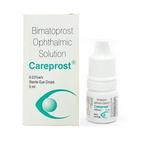
These drops gained immense popularity, demonstrating an incredibly fast and always noticeable result since its application. This innovative means will allow you to give your eyelashes an ideal look, strength and health, in whatever serious condition they are before the moment of its application. It is safe and effective providing amazing results.
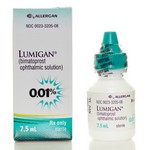
This means is prescribed to reduce eye pressure. Its active ingredient is synthetic prostaglandin bimatoprost – an unsaturated fatty acid, similar in its properties to hormones. Getting into the eye, drops help maintain the balance of the flow and outflow of eye fluid. It is a violation of this balance that leads to an increase in pressure, due to which the blood supply to the eye is impaired and the load on the optic nerve increases.

Bimatoprost reduces IOP in humans by increasing the outflow of aqueous humor through the trabecular meshwork and uveoscleral outflow. IOP reduction begins about 4 hours after the first use. The maximum effect is achieved after about 8–12 hours. The effect lasts for at least 24 hours.
The benefits and uses of NSAIDs eye drops for dry eyes
NSAIDs, or nonsteroidal anti-inflammatory drugs, are commonly used to treat various inflammatory conditions in the body, and they can also be used in the form of eye drops to alleviate the symptoms of dry eyes. These eye drops work by reducing inflammation and preventing the production of certain chemicals in the eye that can contribute to dryness and discomfort.
There are several benefits and uses of NSAIDs eye drops for dry eyes:
- Reduced inflammation: NSAIDs eye drops help reduce inflammation in the eyes, which is a common underlying cause of dryness. By reducing inflammation, these eye drops can help improve tear production and relieve the discomfort associated with dry eyes.
- Relief from dryness and discomfort: By targeting the root cause of dry eyes, NSAIDs eye drops provide relief from the symptoms of dryness, itchiness, burning, and redness. These eye drops help to restore the normal balance of tear production and keep the eyes properly lubricated.
- Treatment for chronic dry eyes: NSAIDs eye drops can be particularly effective for individuals with chronic dry eyes. This condition is often caused by underlying inflammation, and using these eye drops can provide long-term relief and improve overall eye health.
- Management of post-surgical dry eyes: After certain eye surgeries, such as LASIK or cataract surgery, the eyes can become dry and irritated. NSAIDs eye drops may be recommended by eye surgeons to manage post-surgical dry eyes and promote healing.
- Combination therapy: In some cases, NSAIDs eye drops may be used in combination with other medications or artificial tears to provide more comprehensive relief for dry eyes. Your eye doctor can determine the best treatment approach based on the severity and underlying cause of your dry eyes.
It’s important to note that NSAIDs eye drops are generally available only with a prescription, as they are a stronger form of treatment compared to over-the-counter artificial tears. Your eye doctor will assess your specific condition and recommend the appropriate medication and dosage for your needs.
When using NSAIDs eye drops, it’s essential to follow your doctor’s instructions carefully and be aware of any potential side effects. Common side effects may include temporary stinging or burning sensations, blurred vision, or sensitivity to light. If you experience severe or persistent side effects, it’s important to contact your eye doctor.
Overall, NSAIDs eye drops can be an effective treatment option for individuals with dry eyes, particularly those with chronic dryness or post-surgical dry eyes. Consulting with your eye doctor will help determine the best course of treatment and ensure optimal eye health.
Using Ciplox Eye Drops for Treating Dry Eyes
Dry eyes can be a frustrating and uncomfortable condition to deal with, but luckily there are several treatment options available. One popular option is the use of prescription eye drops, and Ciplox eye drops are an example of a medication that may be prescribed for treating dry eyes.
What is Ciplox eye drops?
Ciplox eye drops, also known by their generic name ciprofloxacin, belong to a class of medications called fluoroquinolone antibiotics. While these eye drops are commonly used for treating bacterial eye infections, they can also be effective in alleviating the symptoms of dry eyes.
How do Ciplox eye drops work?
The active ingredient in Ciplox eye drops, ciprofloxacin, works by inhibiting the growth and spread of bacteria. In the case of dry eyes, using Ciplox eye drops can help to reduce inflammation and discomfort caused by bacterial overgrowth or infection.
How to use Ciplox eye drops for dry eyes?
When using Ciplox eye drops for treating dry eyes, it is important to follow the instructions provided by your doctor or pharmacist. Generally, the recommended dosage is one to two drops in the affected eye(s), up to four times a day. It is important to wash your hands before administering the eye drops and to avoid touching the dropper tip to any surface to prevent contamination.
Precautions and potential side effects
While Ciplox eye drops can be an effective treatment for dry eyes, there are some precautions and potential side effects to be aware of. It is important to inform your doctor about any allergies or sensitivities you may have before using Ciplox eye drops. Common side effects may include mild stinging or burning in the eyes, but if you experience severe or persistent discomfort, it is important to seek medical attention.
Conclusion
Ciplox eye drops, or ciprofloxacin, can be a useful prescription medication for treating dry eyes. By inhibiting bacterial overgrowth and reducing inflammation, these eye drops can help alleviate the symptoms of dry eyes. However, it is important to use them as directed and consult with your doctor if you have any concerns or experience severe side effects.
Sources:
- WebMD – Ciprofloxacin Eye Drops
- PubMed Central – Ciprofloxacin 0.3% Ophthalmic Solution for Treatment of Bacterial Conjunctivitis
Precautions and potential side effects of prescription eye drops
While prescription eye drops can be an effective treatment for dry eyes, it’s important to use them with caution and be aware of potential side effects. Here are some precautions to keep in mind when using prescription eye drops:
1. Follow the instructions
Always follow the instructions provided by your doctor or included with the eye drops. They will usually give you specific instructions on how often to use the drops and how many drops to use each time. It’s important to follow these instructions carefully to ensure the medication is used correctly.
2. Don’t share eye drops
Eye drops should not be shared with others, even if they have similar symptoms or conditions. Using someone else’s eye drops can lead to contamination and the spread of infection.
3. Don’t touch the tip of the bottle
To prevent contamination, avoid touching the tip of the eye drop bottle with your fingers or any other surfaces. This can introduce bacteria into the bottle, which may cause an infection in your eyes.
4. Store eye drops properly
Make sure to store your prescription eye drops according to the instructions provided. Some eye drops need to be refrigerated while others should be stored at room temperature. Check the label or package insert for specific storage instructions.
5. Be aware of potential side effects
Like any medication, prescription eye drops can have side effects. Common side effects may include temporary blurred vision, stinging or burning sensation, sensitivity to light, and mild eye irritation. These side effects are usually temporary and will resolve on their own.
However, if you experience severe or persistent side effects such as eye pain, redness, swelling, or changes in vision, you should contact your doctor immediately. These could be signs of an allergic reaction or another underlying issue.
6. Inform your doctor of any other medications
If you are taking any other medications or have any underlying health conditions, it’s important to inform your doctor before using prescription eye drops. Some medications may interact with the eye drops, and your doctor may need to adjust the dosage or recommend an alternative treatment.
7. Regular follow-up appointments
Your doctor may schedule regular follow-up appointments to monitor your progress and adjust your treatment plan if necessary. It’s important to attend these appointments to ensure you are getting the most out of your prescription eye drops and to address any concerns or side effects.
While prescription eye drops can be a beneficial treatment for dry eyes, it’s important to use them responsibly and follow your doctor’s instructions. By doing so, you can effectively manage your dry eye symptoms and improve your overall eye health.
Conclusion
In conclusion, prescription eye drops for dry eyes are a valuable treatment option for those suffering from this condition. These eye drops work by providing lubrication and moisture to the eyes, relieving symptoms such as redness, irritation, and discomfort.
Getting a child to take eye drops can be challenging, but there are strategies that can help make the process easier. It is important to explain to the child why they need to take the eye drops and reassure them that it will help them feel better. Using a gentle and calm approach, along with distractions or rewards, can also be effective in encouraging cooperation.
Putting eye drops in the nose is not recommended as it can cause adverse effects and may not provide the intended benefits. It is crucial to follow the instructions provided by healthcare professionals and use eye drops only as directed.
NSAIDs eye drops have shown to be beneficial for treating dry eyes, reducing inflammation, and providing relief from discomfort. However, it is important to consult with a healthcare professional before using these eye drops, as they can have side effects and may not be suitable for everyone.
Ciplox eye drops are another effective option for treating dry eyes. These eye drops contain ciprofloxacin, an antibiotic that helps reduce bacterial growth and treat eye infections that may be contributing to dryness. Like any medication, precautions should be taken, and potential side effects should be discussed with a healthcare professional.
When using prescription eye drops, it is essential to take precautions and be aware of potential side effects. Some common side effects may include stinging, burning, itching, or redness in the eyes. If any severe or persistent side effects occur, it is important to seek medical attention.
In conclusion, prescription eye drops for dry eyes can provide much-needed relief for those suffering from this condition. Consultation with a healthcare professional is crucial to determine the best treatment approach, and following the instructions provided will help ensure the safe and effective use of these eye drops.
Sources:
– Mayo Clinic. (2021). Dry eyes. Retrieved from https://www.mayoclinic.org/diseases-conditions/dry-eyes/symptoms-causes/syc-20371863
– American Academy of Ophthalmology. (2021). Dry Eye. Retrieved from https://www.aao.org/eye-health/diseases/dry-eye