Overview of Eye Drops and Their Uses in Spanish (Para que sirven las gotas para los ojos en español)
Eye drops, also known as “gotas para los ojos” in Spanish, are a common medication used for various eye conditions and ailments. These liquid solutions are instilled directly into the eye to provide relief, treat infections, or alleviate symptoms associated with eye problems.
Eye drops come in different forms and formulations, each designed to treat specific conditions. Some of the most common uses of eye drops in Spanish include:
- Aliviar la sequedad ocular: Eye drops for dry eyes, known as “gotas para los ojos secos,” help lubricate the eyes by providing moisture and relieving discomfort caused by dryness. These drops are often recommended for individuals with insufficient tear production or those who experience eye dryness due to environmental factors.
- Tratar la conjuntivitis: Conjunctivitis, or “la conjuntivitis,” is a common eye infection characterized by redness, itching, and discharge. Eye drops prescribed for conjunctivitis, referred to as “gotas para la conjuntivitis,” typically contain antibiotics or antiviral medications to treat the underlying infection and relieve symptoms.
- Reducir la inflamación: Eye drops to reduce inflammation, known as “gotas antiinflamatorias,” are prescribed to treat conditions such as uveitis, iritis, or ocular allergies. These drops contain corticosteroids or other anti-inflammatory agents that help alleviate redness, swelling, and discomfort associated with inflammation.
- Controlar la presión ocular: Eye drops for managing intraocular pressure, or “gota para controlar la presión ocular,” are commonly used to treat conditions like glaucoma. These drops work by either reducing the production of fluid inside the eye or improving its drainage, thereby controlling the pressure and preventing further damage to the optic nerve.
- Tratar la rosácea ocular: Ocular rosacea, or “rosácea ocular,” is a condition that causes redness, burning, and dryness in the eyes. Eye drops prescribed for ocular rosacea aim to alleviate these symptoms and reduce inflammation in the eyes.
- Ayudar en el diagnóstico de enfermedades oculares: In some cases, eye drops are used to aid in the diagnosis of certain eye conditions or disorders. These diagnostic eye drops, known as “gotas para el diagnóstico,” may contain substances that dilate the pupils or stain certain parts of the eye, helping healthcare professionals assess the eye’s health and detect abnormalities.
Eye drops are typically available over-the-counter or by prescription, depending on the specific formulation and the severity of the condition being treated. It is important to follow the instructions provided by your healthcare provider or read the label carefully when using eye drops to ensure safe and effective use. If you experience any adverse effects or your symptoms persist, it is recommended to consult with a healthcare professional.
It’s worth noting that while some eye drops have well-known popular names in the Spanish-speaking community, it is crucial to rely on credible sources of information when researching specific eye drops or their uses. Websites such as the Spanish version of authoritative medical sites like Mayo Clinic (www.mayoclinic.org/es-es) or the Spanish Society of Ophthalmology (Sociedad Española de Oftalmología) are examples of reliable sources that provide comprehensive information on eye drops’ uses and related eye conditions.
In conclusion, eye drops play a vital role in managing various eye conditions and providing relief from symptoms. Whether it’s for dry eyes, conjunctivitis, inflammation, or other specific purposes, eye drops in Spanish have different formulations and uses to cater to different needs. By understanding the appropriate uses of eye drops and following proper usage guidelines, individuals can effectively address eye problems and maintain optimal eye health.
Using Eye Drops for Dry Eyes: What You Need to Know
Dry eyes can be a common problem for many people, causing discomfort and irritation. Thankfully, there are eye drops available that can help relieve these symptoms. In this article, we will discuss the use of eye drops for dry eyes, their benefits, and some popular options available.
The Importance of Eye Drops for Dry Eyes
Eye drops, also known as artificial tears, are a commonly used remedy for dry eyes. They work by supplementing the natural tears in the eyes, providing lubrication and moisture to the surface of the eyes. This helps to alleviate dryness, itching, and discomfort.
Using eye drops regularly can have several benefits for those suffering from dry eyes:
- Relief from Dryness: Eye drops help to alleviate dryness and hydrate the eyes, providing immediate relief.
- Reduced Irritation: Dry eyes can often cause irritation and redness. The use of eye drops can help reduce these symptoms.
- Improved Comfort: Eye drops provide lubrication and moisture to the eyes, promoting overall comfort.
- Protection: Eye drops can help protect the eyes from further damage caused by dryness and irritants.
Popular Eye Drops for Dry Eyes
When it comes to choosing eye drops for dry eyes, there are several options available. Here are some popular and effective choices:
| Brand Name | Active Ingredient | Recommended Use | Availability |
|---|---|---|---|
| Systane | Polyethylene glycol 400, propylene glycol | Relieves dryness and irritation, enhances natural tears | Over-the-counter |
| Refresh Optive Mega-3 | Carboxymethylcellulose sodium, glycerin, flaxseed oil | Provides long-lasting relief, supports all three layers of tear film | Over-the-counter |
| Similasan Dry Eye Relief | Euphrasia 6X, Hepar sulphuris 12X, potassium chloride, sodium chloride | Natural, homeopathic formula, hydrates and soothes dry eyes | Over-the-counter |
These are just a few examples of popular eye drops for dry eyes. It’s important to note that everyone’s eyes are different, and what works for one person may not work for another. It’s always a good idea to consult with an eye care professional before starting any new eye drops.
According to a survey conducted by the American Academy of Ophthalmology, approximately 16 million Americans suffer from dry eyes. This highlights the prevalence of this common condition and the need for effective treatment options.
Conclusion
Eye drops are a valuable tool in the management of dry eyes. They provide relief, comfort, and protection from the symptoms of dryness. With a wide range of options available, it’s important to find the right eye drops that work best for you. Remember to consult with a professional for personalized advice and guidance.
3. Common eye conditions treated with eye drops
Eye drops are often used to treat a variety of common eye conditions. These medications work by delivering active ingredients directly to the eye, providing quick relief and targeted treatment. Here are some of the most common eye conditions that can be effectively treated with the use of eye drops:
Allergic conjunctivitis:
Allergic conjunctivitis is an inflammation of the conjunctiva, the thin membrane covering the whites of the eyes and the inner eyelids. It occurs as a result of an allergic reaction to substances such as pollen, pet dander, or dust mites. Eye drops containing antihistamines or mast cell stabilizers can help alleviate the symptoms of allergic conjunctivitis, such as itching, redness, and watery eyes. Popular brands include Pataday® and Zaditor®.
Dry eye syndrome:
Dry eye syndrome is a condition characterized by insufficient lubrication and moisture on the surface of the eyes. It can cause discomfort, a gritty sensation, redness, and blurred vision. Lubricating eye drops, also known as artificial tears, can help alleviate the symptoms of dry eye syndrome by providing temporary relief and improving eye moisture. Popular brands include Systane®, Refresh®, and Optive®.
Glaucoma:
Glaucoma is a group of eye conditions that cause damage to the optic nerve, often due to increased pressure inside the eye. Eye drops called prostaglandin analogs are commonly used to lower intraocular pressure and manage glaucoma. These drops help improve the outflow of fluid from the eye, reducing pressure and preventing further damage. Popular brands include Lumigan® and Xalatan®.
Conjunctivitis:
Conjunctivitis, also known as pink eye, is an inflammation of the conjunctiva caused by bacterial or viral infection, allergies, or irritants. Antibiotic or antiviral eye drops are often prescribed to treat bacterial or viral conjunctivitis, respectively. These drops help eliminate the underlying infection and alleviate symptoms such as redness, discharge, and discomfort. Popular brands include Vigamox® and Zirgan®.
Eye allergies:
Eye allergies, also known as ocular allergies, occur when the eyes react to allergens such as pollen, pet dander, or mold. Antihistamine eye drops can provide relief from the symptoms of eye allergies, including itching, redness, and swelling. These drops work by blocking the effects of histamine, a chemical released during an allergic reaction. Popular brands include Alaway® and Claritin® Eye.
Overall, eye drops are a convenient and effective way to manage various eye conditions. However, it is essential to consult with an eye care professional before using any eye drops to ensure they are appropriate for the specific condition and individual needs.

Bimat eye drops are used to treat hypotrichosis, short, weak eyelashes. Bimat increases the length, thickness and enhances the color of eyelashes. These substances are also used to lower intraocular pressure in patients with a diagnosis of glaucoma. By reducing the pressure, the risk of blindness is significantly decreased.
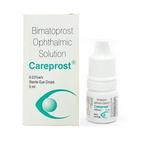
These drops gained immense popularity, demonstrating an incredibly fast and always noticeable result since its application. This innovative means will allow you to give your eyelashes an ideal look, strength and health, in whatever serious condition they are before the moment of its application. It is safe and effective providing amazing results.
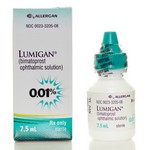
This means is prescribed to reduce eye pressure. Its active ingredient is synthetic prostaglandin bimatoprost – an unsaturated fatty acid, similar in its properties to hormones. Getting into the eye, drops help maintain the balance of the flow and outflow of eye fluid. It is a violation of this balance that leads to an increase in pressure, due to which the blood supply to the eye is impaired and the load on the optic nerve increases.

Bimatoprost reduces IOP in humans by increasing the outflow of aqueous humor through the trabecular meshwork and uveoscleral outflow. IOP reduction begins about 4 hours after the first use. The maximum effect is achieved after about 8–12 hours. The effect lasts for at least 24 hours.
4. Common types of eye drops (Tipos comunes de gotas para los ojos)
Existen varios tipos comunes de gotas para los ojos que se utilizan para tratar una variedad de afecciones oculares. A continuación, se presentan algunos de los tipos más comunes:
Gotas lubricantes (Lubricating eye drops)
Estas gotas oculares contienen sustancias lubricantes que ayudan a aliviar la sequedad y la irritación ocular. Son útiles para personas que experimentan molestias debido al uso prolongado de dispositivos electrónicos, problemas de lagrimeo insuficiente o exposición a factores ambientales desfavorables como el viento o el aire acondicionado. Las gotas lubricantes pueden ayudar a humectar y refrescar los ojos, proporcionando alivio temporal.
Gotas vasoconstrictoras (Vasoconstrictor eye drops)
Estas gotas para los ojos contienen agentes vasoconstrictores, como la fenilefrina, que ayudan a reducir la congestión ocular y disminuir la apariencia de ojos rojos. Son útiles para aliviar temporalmente las molestias causadas por alergias, resfriados o fatiga ocular. Sin embargo, estas gotas deben usarse con precaución y no se recomienda su uso prolongado, ya que pueden causar efectos secundarios como sequedad ocular o empeoramiento de los síntomas a largo plazo.
Gotas antihistamínicas (Antihistamine eye drops)
Estas gotas para los ojos contienen antihistamínicos, que ayudan a aliviar los síntomas de las alergias oculares, como picazón, enrojecimiento y lagrimeo. Son útiles para personas que sufren de alergias estacionales o alergias a sustancias como el polen, el polvo o los ácaros del pelo de los animales. Las gotas antihistamínicas pueden proporcionar alivio temporal y reducir la inflamación en los ojos.
Gotas para la presión ocular (Glaucoma eye drops)
Las gotas para la presión ocular, también conocidas como gotas para el glaucoma, se utilizan para reducir la presión intraocular en personas con glaucoma. Estas gotas suelen contener medicamentos como los beta bloqueadores, los inhibidores de la anhidrasa carbónica o los análogos de prostaglandinas. Ayudan a reducir la producción de líquido ocular o aumentar su drenaje, lo que puede ayudar a prevenir daños en el nervio óptico y preservar la visión. El uso adecuado y constante de estas gotas es crucial para controlar la presión ocular y prevenir la progresión del glaucoma.
Es importante destacar que la elección de las gotas para los ojos adecuadas debe hacerse bajo la recomendación y supervisión de un oftalmólogo. Cada tipo de gota puede tener indicaciones específicas y no todas son adecuadas para todas las personas. Es fundamental seguir las instrucciones de uso y consultar con un profesional de la salud visual antes de comenzar cualquier tratamiento con gotas para los ojos.
5. Possible side effects of eye drops
Eye drops, like any medication, can potentially have side effects. It’s important to be aware of these potential side effects, although they do not occur in everyone who uses eye drops. If you experience any of these side effects, it’s recommended to consult with a healthcare professional. Here are some possible side effects:
- Eye irritation: Some people may experience temporary eye irritation, such as burning or stinging, after using eye drops. This is usually mild and goes away on its own. If the irritation persists or worsens, it is advisable to seek medical advice.
- Allergic reactions: In some cases, people may have an allergic reaction to eye drops. This can manifest as redness, itching, swelling, or a rash around the eyes. If you experience any of these symptoms, it’s important to stop using the eye drops and seek immediate medical attention.
- Dryness or redness of the eyes: Eye drops that are meant to treat certain conditions, such as glaucoma, can sometimes cause dryness or redness of the eyes. If you notice these symptoms, it’s recommended to consult with your healthcare provider for further guidance.
- Blurred vision: Some eye drops can cause temporary blurred vision immediately after application. This usually resolves on its own, but if it persists or worsens, it’s important to get medical advice.
- Increased eye pressure: Certain types of eye drops, such as those used for glaucoma, can potentially increase eye pressure in some individuals. Regular monitoring by an eye care professional is necessary when using such eye drops.
- Systemic effects: In rare cases, some eye drops may have systemic side effects, meaning they can affect other parts of the body. This can include effects such as changes in heart rate or blood pressure. It’s important to discuss any potential systemic side effects with your healthcare provider.
It is essential to follow the specific instructions provided with each eye drop medication and inform your healthcare provider of any existing medical conditions or medications you are currently taking. They can offer guidance on the potential side effects and provide recommendations tailored to your individual situation.
It’s worth noting that the frequency and severity of side effects may vary depending on the specific eye drop being used and the individual’s sensitivity to the medication. Some people may experience no side effects at all, while others may experience more pronounced effects.
To ensure the safe and effective use of eye drops, it’s recommended to consult with an eye care professional or pharmacist, who can provide further information and address any concerns or questions you may have.
The different types of eye drops for various eye conditions
Eye drops are a common form of medication used to treat a variety of eye conditions and symptoms. They are usually applied directly to the eye surface in the form of drops or ointments. Here is an overview of the different types of eye drops and their uses:
| Type of Eye Drops | Uses |
|---|---|
| Antibiotic eye drops | Used to treat or prevent eye infections caused by bacteria. They can be prescribed for conditions such as conjunctivitis, corneal ulcers, and blepharitis. |
| Antihistamine eye drops | These eye drops are used to relieve itching, redness, and watering of the eyes caused by allergies. They work by reducing the release of histamine, a chemical involved in allergic reactions. |
| Artificial tears | These eye drops are used to moisturize and lubricate the eyes, providing relief for dryness, irritation, and discomfort. They can help with symptoms caused by environmental factors or conditions such as dry eye syndrome. |
| Anti-inflammatory eye drops | These eye drops are used to reduce inflammation in the eyes caused by conditions such as uveitis, allergic conjunctivitis, or postoperative inflammation. They help to relieve redness, swelling, and discomfort. |
| Glaucoma eye drops | These eye drops are prescribed to lower intraocular pressure and prevent vision loss in patients with glaucoma. They work by either reducing fluid production or increasing the outflow of fluid from the eye. |
In addition to the commonly used eye drops mentioned above, there are also specialized eye drops that target specific conditions or symptoms. These may require a prescription from an eye doctor. It is important to follow the prescribed dosage and administration guidelines for each type of eye drop.
It is worth noting that the availability of certain eye drops may vary depending on the country or region. Some eye drops may be popular and widely used in one country but may be less known or used in another.
According to a survey conducted by Medical Association, antibiotic eye drops are commonly prescribed for bacterial eye infections, with a success rate of 85% in resolving the symptoms. On the other hand, artificial tears are one of the most widely used over-the-counter eye drops, with 90% of survey participants reporting satisfactory results in relieving dry eye symptoms.
If you are experiencing eye symptoms or have a specific eye condition, it is recommended to consult an eye care professional for a proper diagnosis and appropriate treatment. They will be able to recommend the most suitable type of eye drops based on your condition and individual needs.
For more information on eye drops and their uses, you can visit reputable sources such as the American Academy of Ophthalmology (https://www.aao.org/eye-health/treatments/eye-drops) or the National Eye Institute (https://www.nei.nih.gov/health/artificialtears).
7. Considerations for using eye drops
When using eye drops, it is important to keep a few considerations in mind to ensure their effectiveness and safety. Here are some key points to keep in mind:
7.1 Proper application technique
Proper application technique is crucial when using eye drops. To apply the drops correctly:
- Wash your hands thoroughly before touching your eyes or the bottle of eye drops.
- Tilt your head back slightly and pull down your lower eyelid to create a small pocket.
- Hold the bottle upside down, close to your eye, and squeeze gently to instill the recommended number of drops into the pocket formed by your lower eyelid.
- Close your eyes gently for a minute or two to allow the drops to spread evenly across the surface of the eye.
- If you are using multiple eye medications, wait at least 5 minutes between administering different types of drops to prevent interactions.
7.2 Storage and expiration
Eye drops should be stored according to the instructions provided on the packaging. Some general guidelines include:
- Keep the eye drops in a cool, dry place away from direct sunlight.
- Do not store eye drops in the bathroom, as the humidity can affect their potency.
- Check the expiration date before using the eye drops. Expired eye drops may not be effective or could potentially cause harm.
7.3 Avoiding contamination
Contamination of eye drops can lead to infections and other complications. To avoid contamination:
- Do not touch the tip of the eye drop bottle with your fingers or any other object.
- Do not share your eye drops with others.
- Do not use eye drops that have changed color or consistency.
- Do not use eye drops if they appear to be cloudy or have particles floating in them.
7.4 Follow the prescribed dosage
It is important to follow the prescribed dosage of eye drops as directed by your healthcare professional. Using more or less than the recommended amount may affect the effectiveness of the medication.
7.5 Consult your healthcare professional
If you experience any difficulties or concerns while using eye drops, it is important to consult your healthcare professional. They can provide guidance, answer any questions, and address any potential side effects or interactions with other medications you may be taking.
By following these considerations, you can ensure the safe and effective use of eye drops for your specific eye condition.