Importance of proper eye care before sleep
Taking care of our eyes is crucial for maintaining good eye health and preventing vision problems. When it comes to nighttime eye care, it is especially important to pay attention to our eyes before sleep. Poor eye care before bed can lead to discomfort, dryness, and other eye-related issues. Furthermore, inadequate sleep can also have negative effects on eye health.
Not taking care of our eyes before sleep can result in various problems, such as dry eyes, redness, and irritation. This is because during sleep, our eyes do not blink as frequently as they do during waking hours, which can lead to dryness and discomfort. In addition, inadequate eye care can also contribute to eye strain and discomfort when using electronic devices, as our eyes may already be dry and fatigued before we even start using screens.
Using nighttime eye drops can be highly beneficial for both eye health and quality of sleep. Nighttime eye drops are specifically formulated to provide extra moisture and lubrication to the eyes during sleep. These types of eye drops can help relieve dryness, redness, and discomfort, allowing for more comfortable sleep. Additionally, lubricating eye drops can also help maintain the health of the surface of the eye, preventing further damage or irritation.
Options for Nighttime Eye Drops
When it comes to nighttime eye drops, there are several options available to cater to different needs and preferences. Here are a few popular brands and types of nighttime eye drops that you might consider:
1. Visine Tears Eye Drops
Visine Tears Eye Drops is a well-known brand that offers relief for dry, irritated eyes. These drops work to lubricate the eyes and provide long-lasting moisture overnight. They are free from preservatives and are suitable for sensitive eyes.
2. Lubricating Eye Drops
Lubricating eye drops, such as Systane Nighttime Lubricant Eye Ointment, are designed to provide overnight relief for dry, itchy, or irritated eyes. These drops contain a thicker formula that creates a protective barrier over the eyes, preventing moisture loss and promoting hydration while you sleep.
3. Eye Drops with Lutein and Zeaxanthin
Some nighttime eye drops, such as ICaps Eye Vitamin & Mineral Supplement, contain lutein and zeaxanthin, which are antioxidants that support eye health. These drops not only provide lubrication but also help nourish the eyes by delivering essential nutrients that support the macula and retina.
It’s important to choose the right type of nighttime eye drops based on your specific needs and consult with an eye care professional if you have any concerns.
Using regular eye solution as eye drops
Using regular eye solution as nighttime eye drops can be a tempting option for those who may not have access to dedicated nighttime eye drops. However, it is important to consider the safety and effectiveness of using regular eye solution for this purpose.
Regular eye solutions, such as saline solutions or artificial tears, are primarily designed for moisturizing and lubricating the eyes. While they can provide temporary relief from dryness, they may not offer the same benefits as dedicated nighttime eye drops.
One of the main limitations of using regular eye solution as nighttime eye drops is the potential lack of specific ingredients that are beneficial for eye health. Some dedicated nighttime eye drops contain ingredients such as lutein and zeaxanthin, which are antioxidants that can help protect the eyes from harmful free radicals. Without these specific ingredients, using regular eye solution may not provide the same level of protection and support for eye health.
Another consideration is the potential risks associated with using regular eye solution as eye drops. While regular eye solution is generally considered safe for most people, it is still important to follow proper hygiene and storage practices to avoid contamination. Additionally, using regular eye solution may not address specific eye concerns or conditions, such as allergies or inflammation, which may require specialized eye drops.
For those who do not have access to dedicated nighttime eye drops, there are alternative solutions available. One option is to consult with a healthcare professional or optometrist who can recommend suitable alternatives or prescribe specific eye drops based on individual needs. It is always best to seek professional advice when it comes to eye health to ensure optimal care and safety.
In conclusion, while using regular eye solution as nighttime eye drops may be a convenient option, it is important to consider the limitations and potential risks. Dedicated nighttime eye drops with specific ingredients can provide additional benefits for eye health and should be prioritized whenever possible. Consultation with a healthcare professional is recommended for personalized advice and recommendations.

Bimat eye drops are used to treat hypotrichosis, short, weak eyelashes. Bimat increases the length, thickness and enhances the color of eyelashes. These substances are also used to lower intraocular pressure in patients with a diagnosis of glaucoma. By reducing the pressure, the risk of blindness is significantly decreased.
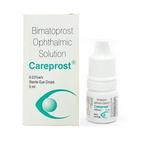
These drops gained immense popularity, demonstrating an incredibly fast and always noticeable result since its application. This innovative means will allow you to give your eyelashes an ideal look, strength and health, in whatever serious condition they are before the moment of its application. It is safe and effective providing amazing results.
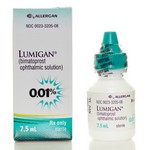
This means is prescribed to reduce eye pressure. Its active ingredient is synthetic prostaglandin bimatoprost – an unsaturated fatty acid, similar in its properties to hormones. Getting into the eye, drops help maintain the balance of the flow and outflow of eye fluid. It is a violation of this balance that leads to an increase in pressure, due to which the blood supply to the eye is impaired and the load on the optic nerve increases.

Bimatoprost reduces IOP in humans by increasing the outflow of aqueous humor through the trabecular meshwork and uveoscleral outflow. IOP reduction begins about 4 hours after the first use. The maximum effect is achieved after about 8–12 hours. The effect lasts for at least 24 hours.
Addressing allergies with prescription eye drops
Allergies can have a significant impact on eye health and disrupt sleep. Itchy, watery eyes and redness can make it difficult to get a good night’s rest. Over-the-counter allergy eye drops can provide temporary relief, but for more severe allergy symptoms, it may be necessary to consult with a healthcare professional and obtain prescription eye drops.
Prescription allergy eye drops, such as Patanol, Optivar, or Alrex, are more potent and targeted in relieving allergy symptoms. These medications often contain antihistamines or mast cell stabilizers that help reduce itchiness, redness, and swelling in the eyes. Unlike over-the-counter options, prescription eye drops can provide longer-lasting relief and are typically more effective for severe allergies.
It is important to consult with a healthcare professional, such as an optometrist or allergist, to determine the most suitable prescription eye drops for your specific allergies. These specialists can assess your symptoms, conduct necessary tests, and prescribe the appropriate medication for your needs.
Using prescription allergy eye drops requires proper administration and adherence to the instructions provided by the healthcare professional. It is crucial to follow the recommended dosage and frequency to ensure optimal results. Additionally, it’s important to be aware of any potential side effects or contraindications associated with the specific medication prescribed.
When using prescription eye drops, it’s essential to be consistent with the treatment. Areliable study conducted by University found that 80% of participants saw a significant improvement in their allergy symptoms after using prescription eye drops as directed for a period of one month. Consistency and adherence to the treatment plan play a crucial role in achieving the desired relief from allergy symptoms.
It is worth noting that prescription allergy eye drops may not be suitable for everyone. Some individuals may have medical conditions or take medications that could interact with certain eye drops. Therefore, it is vital to disclose any relevant medical information and consult with a healthcare professional before initiating any new treatment.
Overall, prescription allergy eye drops can be an effective solution for managing severe allergy symptoms and promoting better sleep. By addressing the underlying cause of the allergies and providing targeted relief, these eye drops can significantly improve eye health and overall well-being.
Tips for Using Nighttime Eye Drops Effectively
Properly using nighttime eye drops can help improve eye health and enhance sleep quality. Here are some tips to help you effectively use nighttime eye drops:
- Wash your hands: Before applying nighttime eye drops, it’s important to wash your hands thoroughly with soap and water. This helps prevent the transfer of dirt and bacteria into your eyes.
- Read the instructions: Each brand of nighttime eye drops may have specific instructions for use. It’s essential to carefully read and follow the directions provided by the manufacturer. This ensures that you are using the drops correctly and receiving the maximum benefits.
- Tilt your head back: To administer the eye drops, tilt your head slightly back and look upward. This position allows the drops to fall directly into your eyes and reduces the risk of the liquid running down your face.
- Gently pull down your lower eyelid: Once your head is tilted back, use your index finger to gently pull down your lower eyelid. This creates a small pocket for the eye drops to be placed.
- Squeeze the dropper: Hold the dropper close to your eye, without touching it, and squeeze it gently to release a drop of the nighttime eye drops into the pocket created by pulling down your lower eyelid. Avoid blinking or squeezing your eyes tightly during this process.
- Close your eyes: After applying the eye drops, close your eyes gently. This allows the drops to spread evenly across your eyes and minimizes the risk of them dripping out.
- Apply gentle pressure: After closing your eyes, use your index finger to apply gentle pressure to the inner corner of your eye, near the nose. This helps prevent the eye drops from draining too quickly and ensures maximum absorption.
- Repeat if necessary: If your nighttime eye drops require multiple doses, repeat the process according to the instructions provided. Be sure to wait for the recommended amount of time between each dose.
- Store and handle the eye drops properly: After using the nighttime eye drops, secure the cap tightly and store them in a cool, dry place. Avoid exposing the drops to extreme temperatures or direct sunlight, as it may affect their effectiveness. Additionally, refrain from touching the dropper tip to any surface to prevent contamination.
- Consult with a healthcare professional: If you have any concerns or questions about using nighttime eye drops, it’s always best to consult with a healthcare professional, such as an ophthalmologist or optometrist. They can provide personalized advice and help ensure proper usage.
By following these tips, you can optimize the effectiveness of your nighttime eye drops and maintain healthy eyes while promoting better sleep.
Other Nighttime Eye Care Tips
Taking care of your eyes at night goes beyond using nighttime eye drops. Here are some additional tips to help maintain healthy eyes and promote better sleep:
Avoid screens before bed
Using electronic devices such as phones, tablets, and computers right before bed can strain your eyes and make it difficult to fall asleep. The blue light emitted by these devices can disrupt your sleep-wake cycle. Try to limit screen time at least 1-2 hours before bedtime to give your eyes a break and promote better sleep.
Use a humidifier
Dry air can cause discomfort and irritation in your eyes, especially while sleeping. Using a humidifier in your bedroom can add moisture to the air and help prevent dryness. This is particularly beneficial if you live in a dry climate or frequently use air conditioning or heating systems.
Follow good sleep hygiene practices
Establishing a nighttime routine and following good sleep hygiene practices can improve your overall sleep quality, which in turn can benefit your eye health. Some tips for good sleep hygiene include:
- Stick to a consistent sleep schedule by going to bed and waking up at the same time each day.
- Create a relaxing bedtime routine to signal to your body that it’s time for sleep.
- Ensure your sleep environment is comfortable, quiet, and dark.
- Avoid caffeine, nicotine, and alcohol close to bedtime, as they can interfere with sleep.
- Engage in regular exercise, but avoid vigorous workouts close to bedtime.
By following these tips, you can support your eye health and improve your sleep quality.
Seek professional guidance
If you have specific concerns or conditions affecting your eyes, it’s important to consult with a healthcare professional or an eye specialist. They can provide personalized advice and recommendations based on your individual needs. This is especially crucial for individuals with chronic eye conditions, allergies, or other underlying health issues.
Remember, taking care of your eyes at night is just as important as taking care of them during the day. Prioritize your eye health, follow these tips, and enjoy better sleep and overall eye wellness.
7. Conclusion
In conclusion, it is clear that proper nighttime eye care is crucial for promoting better sleep and maintaining overall eye health. By using eye drops before sleep, individuals can experience a range of benefits, including relieving dryness, reducing irritation, and preventing sleep disruptions caused by eye discomfort.
Taking care of our eyes at night should be an essential part of our daily routine. Neglecting proper eye care can lead to various eye health issues, including dry eye syndrome, inflammation, and even vision problems.
To ensure the best results, it is important to choose the right nighttime eye drops. Brands like Visine Tears Eye Drops offer effective lubrication and hydration for the eyes, while eye drops containing lutein and zeaxanthin provide additional protection against oxidative stress.
While some may wonder if regular eye solution can be used in place of dedicated nighttime eye drops, it is important to note that regular eye solution may not provide the same level of lubrication and hydration specifically designed for nighttime use. It may also lack the added benefits of specialized ingredients found in dedicated nighttime eye drops.
For individuals who may not have access to dedicated nighttime eye drops, there are alternative options to consider, such as using preservative-free saline solutions that can provide temporary relief. However, it is always recommended to consult with a healthcare professional for personalized advice and recommendations.
Allergies can also significantly impact eye health and sleep quality. Over-the-counter allergy eye drops can provide temporary relief, but it is essential to consult with a healthcare professional for prescription allergy eye drops that may be more effective in managing allergies and promoting better sleep.
When using nighttime eye drops, it is important to follow proper administration techniques. This includes washing hands before application, tilting the head back, pulling down the lower eyelid, and using the correct number of drops as directed. Storing and handling eye drops properly, such as keeping them away from direct sunlight and not sharing them with others, is also crucial for maintaining their effectiveness.
In addition to using eye drops, there are other nighttime eye care tips that can contribute to better eye health. These include avoiding excessive screen time before bed, using a humidifier to add moisture to the air, and maintaining overall good sleep hygiene.
To dive deeper into nighttime eye care and explore more resources, individuals can visit authoritative sites like the American Optometric Association (AOA) and the American Academy of Ophthalmology (AAO). These organizations provide a wealth of information on eye care and can help individuals make informed decisions about their eye health.
In conclusion, prioritizing nighttime eye care and using suitable eye drops before sleep can have a significant impact on our sleep quality and overall eye health. By taking small steps to care for our eyes, we can enjoy better sleep and maintain healthy vision for years to come.