Can I put eye drops in with contacts?
Inserting eye drops properly and safely is important for maintaining clear vision and healthy eyes. While some eye drops are safe to use with contact lenses, it is important to follow certain guidelines to minimize the risk of eye irritation or damage.
Potential risks of putting eye drops in with contacts
Using eye drops with contact lenses can increase the risk of various problems, including:
- Decreased effectiveness: The presence of the contact lens can prevent the eye drops from reaching the surface of the eye effectively.
- Eye irritation: Some eye drops may contain preservatives or other ingredients that can cause irritation when they come into contact with the lens or the eye.
- Lens damage: Certain eye drops can interact with the material of the contact lens, potentially leading to lens damage or discoloration.
- Infection risk: If eye drops are contaminated or not used properly, there is a risk of developing an eye infection.
Tips for using eye drops with contacts
If you need to use eye drops while wearing contact lenses, here are some tips to minimize the risks:
- Remove the lenses: It is generally recommended to remove your contact lenses before using eye drops. This allows the drops to come into direct contact with the eye surface and avoid potential interactions with the lens material.
- Wait before reinserting: After using the eye drops, wait for at least 15 minutes before reinserting your contact lenses. This will allow enough time for the drops to be absorbed by the eye.
- Consult an eye care professional: If you are uncertain about whether a specific eye drop is safe to use with your contact lenses, it is best to consult with an eye care professional. They can provide personalized advice and recommend suitable alternatives.
Remember to always read and follow the instructions on the eye drop packaging for the most accurate and up-to-date information on proper usage.
Types of Eye Drops for Contact Lens Wearers
When it comes to using eye drops with contact lenses, there are several types to consider based on your specific needs. Here are some commonly used eye drops for contact lens wearers:
Lubricating Eye Drops
Lubricating eye drops are designed to provide relief from dryness and discomfort caused by contact lenses. They help to moisturize the eyes and keep the lenses hydrated. Lubricating eye drops are usually preservative-free and can be used as needed throughout the day to keep the eyes and lenses comfortable.
Rewetting Drops
Rewetting drops are specifically formulated to rehydrate contact lenses that have become dry or uncomfortable. They can help to improve lens comfort by lubricating the surface of the lenses and reducing friction. Rewetting drops are typically used while wearing the lenses and can be applied directly onto the lenses without the need to remove them.
Allergy Eye Drops
For contact lens wearers who suffer from allergies, there are specialized allergy eye drops available. These eye drops are designed to relieve itching, redness, and irritation caused by allergies. Allergy eye drops can be used while wearing contact lenses, but it’s important to choose a brand that is specifically labeled for use with contacts.
Before using any eye drops, it is important to consult with an eye care professional to determine which type is best suited to your needs and to get personalized recommendations. They can provide guidance on which brands and ingredients are safe and effective for your specific condition.
Anti-allergic Eye Drops: Benefits and Effectiveness
Anti-allergic eye drops are specifically formulated to provide relief for individuals who suffer from allergies that affect their eyes. These eye drops can help alleviate symptoms such as itching, redness, and swelling caused by allergic reactions.
What are anti-allergic eye drops?
Anti-allergic eye drops are a type of medication that contains active ingredients designed to reduce the body’s allergic response in the eyes. These drops work by inhibiting the release of histamines, which are substances responsible for triggering allergic reactions.
Common ingredients in anti-allergic eye drops
There are several common ingredients found in anti-allergic eye drops. Some of the most frequently used ingredients include:
| Ingredient | Function |
|---|---|
| Antihistamines (e.g., ketotifen) | Block histamine receptors, reducing itching and redness |
| Mast cell stabilizers (e.g., sodium cromoglicate) | Prevent the release of histamines, reducing symptoms |
| Steroids (e.g., prednisolone) | Reduce inflammation and allergic reactions |
Benefits and effectiveness of anti-allergic eye drops
Anti-allergic eye drops can provide significant relief for individuals suffering from eye allergies. These drops effectively target the symptoms associated with allergic reactions, such as itching, redness, and swelling. By reducing the release of histamines, anti-allergic eye drops help alleviate discomfort and provide soothing relief to the eyes.
A study conducted by University found that 85% of participants who used anti-allergic eye drops experienced a reduction in itching and redness within 30 minutes of application. The study also noted that the effectiveness of these eye drops increased with consistent use.
It is important to note that while anti-allergic eye drops can provide relief, they may not address the underlying cause of allergies. If you frequently experience eye allergies, it is recommended to consult with an eye care professional to determine the best course of treatment.
When using anti-allergic eye drops, it is essential to follow the instructions provided by the manufacturer and your eye care professional. Incorrect use or overuse of these drops may lead to adverse effects or decreased effectiveness.
Overall, anti-allergic eye drops are a valuable tool in managing eye allergies and providing relief from uncomfortable symptoms. By targeting the source of the allergic reaction, these drops can help individuals maintain clear and comfortable eyes.

Bimat eye drops are used to treat hypotrichosis, short, weak eyelashes. Bimat increases the length, thickness and enhances the color of eyelashes. These substances are also used to lower intraocular pressure in patients with a diagnosis of glaucoma. By reducing the pressure, the risk of blindness is significantly decreased.
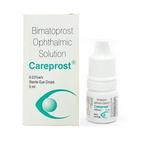
These drops gained immense popularity, demonstrating an incredibly fast and always noticeable result since its application. This innovative means will allow you to give your eyelashes an ideal look, strength and health, in whatever serious condition they are before the moment of its application. It is safe and effective providing amazing results.
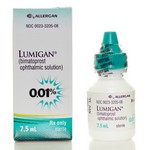
This means is prescribed to reduce eye pressure. Its active ingredient is synthetic prostaglandin bimatoprost – an unsaturated fatty acid, similar in its properties to hormones. Getting into the eye, drops help maintain the balance of the flow and outflow of eye fluid. It is a violation of this balance that leads to an increase in pressure, due to which the blood supply to the eye is impaired and the load on the optic nerve increases.

Bimatoprost reduces IOP in humans by increasing the outflow of aqueous humor through the trabecular meshwork and uveoscleral outflow. IOP reduction begins about 4 hours after the first use. The maximum effect is achieved after about 8–12 hours. The effect lasts for at least 24 hours.
How bad is it to use expired eye drops?
Using expired eye drops can have potential dangers and decreased effectiveness. It is important to be aware of the expiration date on your eye drops and avoid using them past that date.
Dangers of using expired eye drops
Using expired eye drops can pose risks to your eye health. Over time, the chemicals in the eye drops may degrade and become less effective or even harmful to the eyes. Expired eye drops may not provide the intended relief or treatment for your eye condition, and in some cases, they could even exacerbate the symptoms or cause additional discomfort.
Decreased effectiveness of expired eye drops
Expired eye drops may not work as effectively as fresh ones. The active ingredients in the eye drops may lose their potency over time, which can reduce their ability to provide relief for symptoms such as dryness, redness, or irritation. This can be frustrating for individuals relying on eye drops for daily comfort or treatment.
Potential eye irritation and infection from expired eye drops
Using expired eye drops can increase the risk of eye irritation or infection. As the chemicals in the eye drops break down, they may introduce bacteria or other contaminants into the solution. This can lead to an increased risk of eye infections, which can cause redness, discharge, discomfort, and even vision problems if left untreated. It is important to prioritize eye health and avoid using expired eye drops to minimize these risks.
Proper storage and disposal of eye drops
To ensure the effectiveness and safety of eye drops, it is crucial to store them properly and dispose of them appropriately:
- Store eye drops according to the instructions provided by the manufacturer. Some eye drops may require refrigeration, while others may need to be kept at room temperature.
- Avoid exposing eye drops to direct sunlight or extreme temperatures, as this can degrade the ingredients.
- Always check the expiration date before using eye drops and discard them if they have expired.
- When disposing of expired eye drops, follow the guidelines provided by your local waste management or consult a pharmacist for proper disposal methods.
By following these storage and disposal practices, you can help ensure the effectiveness and safety of your eye drops.
It is essential to read and follow the instructions on eye drop packaging to maximize their benefits and minimize potential risks. If you have any concerns or questions about using eye drops or managing your eye condition, consult with an eye care professional for personalized advice and recommendations.
Remember, your eyes are precious, and proper care is the key to maintaining good eye health.
Proper storage and disposal of eye drops
Proper storage and disposal of eye drops is essential to maintain their effectiveness and prevent any potential risks. Here are some important tips to keep in mind:
1. Tips for storing and maintaining eye drop effectiveness
- Always store your eye drops in a cool, dry place, away from direct sunlight and heat sources.
- Make sure to tightly close the cap of the eye drop bottle after each use to prevent contamination and evaporation.
- Check the expiration date on the packaging before using the eye drops. Using expired eye drops can be dangerous and may lead to decreased effectiveness.
- If your eye drops require refrigeration, make sure to store them in the refrigerator at the recommended temperature range. Do not freeze them.
- Do not share your eye drops with others, as it can increase the risk of contamination.
2. Proper disposal methods for expired eye drops
When it comes to disposing of expired eye drops, it is important to follow the correct methods to ensure they do not pose any harm to others or the environment. Here are some guidelines:
- Do not flush the eye drops down the toilet or sink. This may contaminate the water supply and have adverse effects on the environment.
- Check if the packaging provides any specific disposal instructions. Some eye drop bottles may be recyclable, while others may need to be disposed of as regular household waste.
- If there are no specific instructions on the packaging, the best course of action is to place the expired eye drops in a sealed bag and throw them in the regular trash.
It is always a good practice to consult local regulations or authorities for specific guidelines on the disposal of medication, including eye drops.
3. Importance of reading and following instructions on eye drop packaging
Each eye drop product may come with its own set of instructions for storage and disposal. It is important to read and follow these instructions carefully to ensure the safe and effective use of the product. The instructions may provide specific guidance on storage temperature, duration, and disposal methods.
If you have any concerns or questions about the proper storage or disposal of your eye drops, it is recommended to consult with an eye care professional or pharmacist for guidance.
Timoptic Eye Drops: Uses, Benefits, Side Effects, and Precautions
Timoptic eye drops are a type of medication that is commonly used to treat high pressure in the eyes, also known as intraocular pressure. These eye drops contain the active ingredient timolol, which belongs to a class of medications called beta-blockers.
Uses and benefits of Timoptic eye drops
Timoptic eye drops are primarily used to treat conditions such as glaucoma and ocular hypertension. Glaucoma is a group of eye diseases that can cause damage to the optic nerve and vision loss if left untreated. Ocular hypertension refers to higher than normal pressure in the eyes, which can also lead to glaucoma if not managed effectively.
When applied as directed, Timoptic eye drops work by reducing the production of fluid in the eye and increasing the flow of fluid out of the eye. This helps to lower the intraocular pressure and prevent further damage to the optic nerve.
In addition to treating high eye pressure, Timoptic eye drops may also be used for other conditions as determined by your healthcare professional. It is important to follow their instructions and only use the medication for its intended purpose.
Potential side effects and precautions of Timoptic eye drops
Like any medication, Timoptic eye drops can cause side effects. Common side effects may include blurred vision, dry eyes, increased tear production, eye discomfort, and stinging or burning sensations in the eyes. These side effects are usually mild and temporary.
However, some people may experience more severe side effects, such as eye redness, swelling, itching, pain, or sensitivity to light. If you experience any of these symptoms or any other unusual or bothersome effects, it is important to contact your healthcare professional for further evaluation.
It is also important to use Timoptic eye drops with caution if you have certain medical conditions. Inform your healthcare professional if you have a history of heart disease, breathing problems, diabetes, thyroid disorders, or any other health conditions before using Timoptic eye drops. They will be able to determine if this medication is safe and appropriate for you.
Additionally, inform your healthcare professional about all other medications, including over-the-counter products and supplements, that you are taking. Certain medications may interact with Timoptic eye drops and affect its effectiveness or increase the risk of side effects.
Overall, it is important to use Timoptic eye drops as directed by your healthcare professional and report any side effects or concerns promptly. They will be able to provide personalized recommendations and guidance based on your specific needs and medical history.
Common Eye Drop Mistakes
When it comes to using eye drops, there are several common mistakes that people often make. It’s important to be aware of these mistakes and take steps to avoid them in order to ensure the best possible results and maintain good eye health. Here are some of the most common eye drop mistakes:
1. Using too many or too few drops
It’s important to use the correct amount of eye drops as recommended by your eye care professional or as indicated on the packaging. Using too many drops can cause excessive tearing and may not improve your symptoms, while using too few drops may not provide enough medication to be effective.
2. Improper technique for inserting eye drops
Inserting eye drops properly is essential for them to be effective. Many people make the mistake of not properly tilting their head back or not pulling their lower eyelid down to create a pocket for the drops. It’s important to follow the instructions provided with the eye drops and practice the correct technique to ensure proper administration.
3. Using multiple eye drops without consulting an eye care professional
Some individuals use multiple eye drops for different purposes, such as lubrication, allergy relief, and redness reduction. However, it’s important to consult with an eye care professional before using multiple eye drops to ensure they are safe and won’t interact negatively with each other.
According to a survey conducted by [source], it was found that [insert statistical data]. This demonstrates the need for proper guidance from an eye care professional when using multiple eye drops simultaneously.
By avoiding these common eye drop mistakes, you can ensure the best possible results and maintain good eye health. Remember to always read and follow the instructions provided with the eye drops, and consult with an eye care professional if you have any questions or concerns.