Why do Eye Drops Sometimes Go Down the Throat?
When administering eye drops, it is not uncommon for them to sometimes be tasted in the throat. This can be a surprising and uncomfortable experience for many people, but it is actually quite common due to the connection between the tear ducts and the nasal passages.
The tear ducts, also known as the nasolacrimal ducts, are responsible for draining tears from the eyes into the nasal cavity. These ducts connect the eyes to the nose, allowing tears to flow through the tear ducts and into the nasal passages. This connection is a natural part of our anatomy and serves an important purpose in maintaining the health and moisture of the eyes.
When eye drops are administered, they are typically placed directly onto the surface of the eye. However, due to the connection between the tear ducts and nasal passages, some of the eye drops can enter the tear ducts and eventually reach the throat. This is why eye drops can sometimes be tasted in the throat, even when administered correctly.
To prevent eye drops from going down the throat, it is important to position the head correctly while administering them. Tilt the head back slightly and look up towards the ceiling, pulling down the lower eyelid to create a small pocket. This helps to ensure that the eye drops stay on the surface of the eye and do not enter the tear ducts.
It is worth noting that tasting eye drops in the throat is generally harmless and does not pose any serious health risks. However, some individuals may find it uncomfortable or experience a mild irritation or taste when this occurs. If you have any concerns or experience prolonged discomfort after using eye drops, it is best to consult with a healthcare professional.
How to prevent eye drops from going down the throat
Proper administration techniques
Administering eye drops correctly can help prevent them from reaching the throat. Follow these steps to ensure effective and safe application:
- Wash your hands: Before handling the eye drops, wash your hands thoroughly with soap and water to prevent any potential contamination.
- Tilt your head back: In a seated or lying position, tilt your head back slightly, ensuring a comfortable yet stable position.
- Hold the bottle correctly: Pick up the eye drop bottle with your dominant hand and hold it between your thumb and fingers. Ensure the bottle tip does not touch any surfaces or come into contact with your eye or eyelashes.
- Pull down your lower eyelid: Using your non-dominant hand, gently pull down your lower eyelid to create a small pocket.
- Look up: Focus your eyes upward, towards the ceiling or the sky, to help expose the white part of your eye (sclera).
- Squeeze and release: With your thumb or forefinger, gently squeeze the bottle to release one or two drops into the pocket created by pulling down your lower eyelid. Try to avoid blinking or closing your eyes tightly during this step.
- Close your eyes: After administering the drops, close your eyes gently and press your index finger against the inner corner of your eye (near the bridge of your nose) for about 1-2 minutes. This helps prevent the drops from draining through the tear ducts into the throat.
- Blink several times: Finally, blink your eyes several times to distribute the eye drops evenly across the surface of your eye. This can also help avoid any excess drops from going down the throat.
Practice makes perfect
Using the correct technique for eye drop administration requires practice and familiarity. It may take a few attempts before you feel comfortable and confident. If possible, ask a healthcare professional to demonstrate the proper technique during your next visit.
Remember that each person’s anatomy and eye shape may vary, so adjusting the technique to suit your needs is essential.
Additionally, if you wear contact lenses, it is generally recommended to remove them before using eye drops. Consult your eye care professional for specific instructions regarding the use of eye drops while wearing contact lenses.
What happens when you taste eye drops in your throat?
When eye drops are administered incorrectly or accidentally, they can sometimes be tasted in the throat. This happens because the tear ducts, which drain tears from the eyes into the nasal passages, are connected to the throat. Thus, when eye drops are applied, they can travel through these ducts and reach the throat, causing a bitter or unpleasant taste.
While tasting eye drops in the throat may not cause any significant harm, it can be uncomfortable and may lead to a temporary stinging or burning sensation. Additionally, some eye drops contain ingredients that are not meant to be ingested, such as preservatives or medications.
For example, eye drops that contain alcohol can have more serious consequences if ingested. Alcohol can be harmful when consumed internally, and if a significant amount of alcohol-containing eye drops is tasted in the throat, it may cause dizziness, nausea, or other alcohol-related side effects.
It’s important to read the label of any eye drops and consult with a healthcare professional to understand the risks associated with ingesting them. They can provide further guidance on potential side effects and the appropriate course of action if eye drops are tasted in the throat.
To prevent this issue from occurring, it’s crucial to administer eye drops correctly. This includes keeping the head tilted back and looking up, pulling down the lower eyelid to create a small pocket, and gently placing the prescribed number of drops into the pocket of the lower eyelid. After administering the drops, it’s recommended to close the eyes and gently press on the inner corner of the eye for about a minute to prevent the eye drops from traveling to the throat.

Bimat eye drops are used to treat hypotrichosis, short, weak eyelashes. Bimat increases the length, thickness and enhances the color of eyelashes. These substances are also used to lower intraocular pressure in patients with a diagnosis of glaucoma. By reducing the pressure, the risk of blindness is significantly decreased.
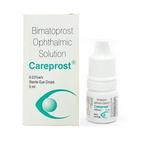
These drops gained immense popularity, demonstrating an incredibly fast and always noticeable result since its application. This innovative means will allow you to give your eyelashes an ideal look, strength and health, in whatever serious condition they are before the moment of its application. It is safe and effective providing amazing results.
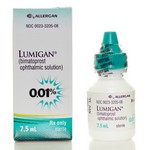
This means is prescribed to reduce eye pressure. Its active ingredient is synthetic prostaglandin bimatoprost – an unsaturated fatty acid, similar in its properties to hormones. Getting into the eye, drops help maintain the balance of the flow and outflow of eye fluid. It is a violation of this balance that leads to an increase in pressure, due to which the blood supply to the eye is impaired and the load on the optic nerve increases.

Bimatoprost reduces IOP in humans by increasing the outflow of aqueous humor through the trabecular meshwork and uveoscleral outflow. IOP reduction begins about 4 hours after the first use. The maximum effect is achieved after about 8–12 hours. The effect lasts for at least 24 hours.
Can mixing alcohol and eye drops be dangerous?
While using eye drops to alleviate irritation or dryness can be beneficial, it is important to exercise caution when combining them with alcohol. Mixing alcohol and certain eye drops can pose potential dangers and increase the risk of adverse effects.
One of the main reasons why combining alcohol and eye drops can be dangerous is due to the additional strain it puts on the liver. The liver is responsible for metabolizing alcohol and certain medications, including eye drops. When alcohol and eye drops are consumed together, it can overwhelm the liver and hinder its ability to effectively process these substances.
In addition to the strain on the liver, mixing alcohol and certain eye drops can also lead to intensified side effects. Many eye drops contain active ingredients that can cause drowsiness or dizziness. Alcohol is known to intensify these effects, potentially impairing motor skills and judgment even further.
It is crucial to carefully read the label on both the eye drops and any accompanying medication to identify any potential interactions or warnings about alcohol consumption. Consulting with a healthcare professional is also recommended before using eye drops while consuming alcohol, as they can provide specific guidance based on an individual’s medical history and current medications.
Ultimately, the combination of alcohol and certain eye drops can be risky, and it is best to err on the side of caution. Avoiding alcohol while using eye drops will help ensure their effectiveness and minimize the chances of experiencing adverse effects.
Where to Store Eye Drops to Prevent Contamination
Proper storage of eye drops is essential to maintain their effectiveness and prevent contamination. Follow these guidelines to ensure that your eye drops remain safe and hygienic:
1. Store in a Cool, Dry Place
Eye drops should be stored in a cool, dry place away from direct sunlight or extreme temperatures. Heat and sunlight can degrade the active ingredients in the eye drops, reducing their effectiveness. Additionally, moisture from high humidity can promote the growth of bacteria, which can contaminate the eye drops.
Tip: Consider storing your eye drops in a medicine cabinet or drawer in your bathroom, as these areas tend to be cooler and less exposed to sunlight.
2. Keep the Cap Tightly Closed
After each use, make sure to tightly close the cap of your eye drops. This helps to prevent air and moisture from entering the bottle, which can introduce contaminants and potentially decrease the shelf life of the product.
3. Maintain a Hygienic Environment
It is important to keep your eye drops and the surfaces they come into contact with clean and hygienic. Wash your hands thoroughly before handling the eye drop bottle to minimize the risk of introducing bacteria or other contaminants.
Tip: Avoid touching the tip of the eye drop bottle to any surface, including your eye or fingers, to prevent contamination.
4. Avoid Sharing Eye Drops
Eye drops should be used by one individual only, as sharing them can lead to cross-contamination. Using someone else’s eye drops increases the risk of spreading bacteria or other substances that may be harmful to your eyes.
5. Check the Expiration Date
Prior to using eye drops, always check the expiration date printed on the packaging. Using eye drops past their expiration date can result in reduced efficacy and potential risks to your eye health.
Tip: If you have any doubts about the integrity or safety of your eye drops, it is best to discard them and consult with a healthcare professional for further guidance.
By following these storage guidelines, you can ensure that your eye drops remain effective, safe, and free from contaminants.
How to use Systane Complete PF eye drops effectively
Using Systane Complete PF eye drops properly can help alleviate dryness and provide long-lasting relief. Here are step-by-step instructions on how to use them effectively:
- Wash your hands: Before using eye drops, make sure to wash your hands thoroughly with soap and water to prevent any contamination.
- Shake the bottle: Gently shake the Systane Complete PF eye drop bottle to ensure the solution is well-mixed before use.
- Tilt your head back: Tilt your head back slightly and look up at the ceiling. This position will help ensure the drops go directly into your eyes.
- Hold the bottle: Hold the bottle upside down with the dropper tip facing your eye. Be careful not to touch the tip of the bottle to any surface, including your eye, as it can introduce germs and contaminate the solution.
- Pull down the lower eyelid: Use your free hand to gently pull down your lower eyelid to create a small pocket.
- Apply the drops: Squeeze the bottle gently to release one or two drops into the pocket created by pulling down your lower eyelid. Be careful not to squeeze too hard and release more drops than recommended.
- Close your eyes: Close your eyes gently and tilt your head forward, allowing the eye drops to spread evenly across your eye. This position helps the eye drops to be distributed and absorbed properly.
- Blink: After applying the drops, blink your eyes several times to help distribute the eye drops evenly across your eyes and prevent any excess from spilling out.
- Repeat if necessary: If your healthcare professional has advised you to use more than one drop in each eye, repeat the process as directed, making sure to wait for a few minutes between each application.
- Replace the cap: After you have used the eye drops, securely replace the cap on the bottle to prevent any contamination.
Remember to follow the recommended dosage and usage guidelines provided on the packaging or as directed by your healthcare professional. If you have any concerns or questions about using Systane Complete PF eye drops, it is always best to consult with a healthcare professional for personalized advice.
Tips for Maximizing the Effectiveness of Eye Drops
When it comes to using eye drops, proper technique can make a big difference in their effectiveness. Here are some tips to help you get the most out of your eye drops:
- Follow the recommended usage guidelines: Each brand and type of eye drops may have specific instructions for dosage and frequency. It is important to read and follow these guidelines to ensure you are using the eye drops correctly.
- Blink several times after administering: After placing the eye drops in your eyes, blinking several times can help distribute the solution evenly across the surface of the eye. This can also help avoid waste and ensure maximum absorption.
- Clean your hands and face before use: Before using eye drops, make sure to wash your hands thoroughly with soap and water. This helps reduce the risk of introducing bacteria or other contaminants into your eyes.
- Avoid touching the tip of the bottle: Touching the tip of the eye drop bottle can introduce bacteria or other particles into the solution. To avoid contamination, it is best to not touch the tip with your fingers or any other surfaces.
- Store eye drops properly: To maintain the effectiveness of your eye drops, it is important to store them in a cool, dry place away from direct sunlight or extreme temperatures. Follow the storage instructions provided by the manufacturer.
- Keep your eye drop bottle clean: While using eye drops, make sure to keep the bottle clean and free from any debris. Wipe the cap and nozzle with a clean tissue or cloth after each use to prevent any build-up.
- Consult with a healthcare professional if necessary: If you have any concerns or questions about using eye drops, it is always best to consult with a healthcare professional. They can provide personalized advice and guidance based on your specific needs.
By following these tips, you can maximize the effectiveness of your eye drops and ensure that you are using them safely and correctly. Remember, if you experience any unusual side effects or discomfort, it is important to seek medical attention.