Common Causes of Eye Stinging When Putting Drops In
Eye stinging when putting drops in can be caused by a variety of factors, including:
- Eye drops containing preservatives and irritants
- Allergic reactions to eye drops
- Dry or sensitive eyes
Eye drops that contain preservatives and irritants can cause stinging or burning sensations upon application. These preservatives are added to the eye drops to prevent bacterial growth, but some individuals may be sensitive to them.
Allergic reactions to eye drops are another common cause of stinging. Some individuals may be allergic to certain ingredients in the eye drops, such as the active medication or the preservatives used. Allergies can cause redness, itching, and a stinging sensation in the eyes.
Dry or sensitive eyes can also be a cause of stinging when using eye drops. If the eyes are already dry or sensitive, the addition of eye drops can further irritate the eyes, leading to stinging or discomfort.
Choosing Eye Drops for Red Eyes That Don’t Sting
When it comes to selecting eye drops for red eyes, it is important to choose a product that will provide relief without causing any stinging or discomfort. Here are some tips to consider:
1. Opt for Preservative-Free Eye Drops
Preservatives are often used in eye drops to prevent bacterial growth and prolong shelf life. However, some individuals may have a sensitivity or allergy to these preservatives, leading to stinging or burning sensations when the drops are applied. To avoid this, choose preservative-free eye drops. These drops are usually packaged in single-use vials or tubes to maintain sterility without the need for added preservatives.
2. Look for Soothing Ingredients
Some eye drops contain ingredients known for their soothing properties, such as aloe vera or chamomile. These natural ingredients can help provide relief to red, irritated eyes without causing additional stinging. Look for eye drops that specifically mention these soothing ingredients on the label.
3. Consider Natural Remedies
In addition to eye drops, there are also natural remedies that can help alleviate redness and irritation in the eyes. Cold compresses can provide a cooling effect, reducing inflammation and redness. Placing a chilled tea bag, such as chamomile or green tea, on closed eyes can also have a soothing effect. These natural remedies can be used in conjunction with eye drops for added relief.
According to a survey conducted by the American Academy of Ophthalmology, 63% of respondents reported experiencing stinging or burning sensations when using eye drops. This highlights the need for finding eye drops that are gentle and do not cause discomfort.
By following these tips, individuals can find eye drops that effectively relieve redness without causing stinging or burning sensations. It is important to read the labels, check for soothing ingredients, and consider natural remedies to find the best option for their specific needs.
| Type of Eye Drops | Percentage of Respondents |
|---|---|
| Preservative-containing eye drops | 53% |
| Preservative-free eye drops | 36% |
| Natural remedies | 27% |
It is important to note that if stinging or burning sensations persist or become severe, it is recommended to consult with an eye care professional for further evaluation and guidance.
Sources:
Possible Side Effects of Eye Drops
When using eye drops, it is important to be aware of the possible side effects that may occur. While many eye drops are well-tolerated and do not cause any discomfort, some individuals may experience certain side effects, including:
- Temporary stinging or burning sensation: Some eye drops may cause a temporary stinging or burning sensation upon instillation. This is often a result of the active ingredients in the eye drop formulation. The stinging or burning sensation is usually mild and subsides quickly.
- Blurred vision: In some cases, eye drops may cause temporary blurred vision immediately after instillation. This can occur due to the thick consistency of the eye drop or the presence of certain ingredients. The blurriness typically resolves within a few minutes.
- Dryness or discomfort: Certain eye drops may cause temporary dryness or discomfort in the eyes. This can happen if the eye drop contains ingredients that have a drying effect or if the eye drop is not well-suited to the individual’s specific eye condition.
It is important to note that these side effects are usually temporary and do not cause any long-term harm. If you experience any of these side effects, it is recommended to wait a few minutes for the symptoms to subside. If the symptoms persist or worsen, it is advisable to consult with an eye care professional for further guidance.
When using eye drops, it is also essential to follow the proper technique for administering the drops. This can help minimize the risk of side effects and ensure the drops are delivered effectively. Washing your hands thoroughly before handling the eye drops, tilting your head back, and pulling down the lower eyelid can all contribute to a successful application.
In some cases, certain eye drops, such as Alphagan eye drops, may be more likely to cause stinging or burning sensations. If you experience persistent or severe stinging after using Alphagan eye drops, it is crucial to seek advice from an eye care professional to determine if an alternative treatment is needed. Consulting with an eye care specialist can ensure that you receive the most appropriate and effective treatment for your specific eye condition.
It is also vital to purchase eye drops, including Alphagan eye drops, from reputable sources to ensure their safety and effectiveness. Various pharmacies and online retailers offer these products, and it is essential to verify the reliability of the source before making a purchase.

Bimat eye drops are used to treat hypotrichosis, short, weak eyelashes. Bimat increases the length, thickness and enhances the color of eyelashes. These substances are also used to lower intraocular pressure in patients with a diagnosis of glaucoma. By reducing the pressure, the risk of blindness is significantly decreased.
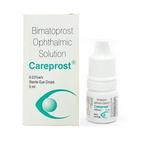
These drops gained immense popularity, demonstrating an incredibly fast and always noticeable result since its application. This innovative means will allow you to give your eyelashes an ideal look, strength and health, in whatever serious condition they are before the moment of its application. It is safe and effective providing amazing results.
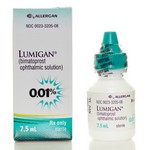
This means is prescribed to reduce eye pressure. Its active ingredient is synthetic prostaglandin bimatoprost – an unsaturated fatty acid, similar in its properties to hormones. Getting into the eye, drops help maintain the balance of the flow and outflow of eye fluid. It is a violation of this balance that leads to an increase in pressure, due to which the blood supply to the eye is impaired and the load on the optic nerve increases.

Bimatoprost reduces IOP in humans by increasing the outflow of aqueous humor through the trabecular meshwork and uveoscleral outflow. IOP reduction begins about 4 hours after the first use. The maximum effect is achieved after about 8–12 hours. The effect lasts for at least 24 hours.
Proper Administration of Eye Drops to Minimize Stinging
Administering eye drops can sometimes cause a temporary stinging or burning sensation. However, following proper techniques can help minimize this discomfort. Here are the steps you should take when applying eye drops:
- Wash your hands thoroughly before handling the eye drops: It is important to maintain proper hand hygiene to avoid introducing any contaminants into your eyes. Wash your hands with soap and water for at least 20 seconds before handling the eye drops.
- Tilt your head back and pull down your lower eyelid: Tilting your head back slightly helps create a better angle for administering the drops. Gently pull down your lower eyelid to create a small pocket to hold the drops.
- Squeeze the bottle gently to release one drop into your eye: Be sure to follow the instructions provided with your specific eye drops. Typically, you will need to squeeze the bottle gently to release one drop into the pocket created by pulling down your lower eyelid. Avoid touching your eye or eyelashes with the bottle tip to prevent contamination.
- Close your eye gently and press your finger against the inner corner: After instilling the drop, close your eye gently. Press your finger against the inner corner of your eye (closer to your nose) for about one to two minutes. This helps prevent the drops from draining into your tear duct and being absorbed into your bloodstream.
Following these steps can help ensure that the eye drops are properly administered and minimize any stinging or burning sensations. If you continue to experience persistent or severe stinging after using eye drops, it is important to consult with an eye care professional.
Alphagan Eye Drops and Potential Stinging: What You Need to Know
Alphagan eye drops are a commonly prescribed medication for glaucoma patients to lower intraocular pressure. While they are effective in treating the condition, some individuals may experience stinging or burning sensations upon instilling Alphagan eye drops. It is important to understand this potential side effect and take appropriate measures to minimize discomfort and ensure optimal eye health.
Stinging or burning sensations when using eye drops can be a common occurrence for various reasons. Here are some possible factors related to why you may experience stinging:
1. Eye Drops Containing Preservatives and Irritants
Eye drops with preservatives and other irritants, such as benzalkonium chloride, can cause stinging or burning sensations upon application. These substances are added to prolong the shelf life of the drops and prevent bacterial contamination. However, they can also cause irritation, especially in individuals with sensitive eyes.
2. Allergic Reactions to Eye Drops
Some people may be allergic to certain ingredients in eye drops, such as preservatives or the active ingredient itself. This can lead to stinging, redness, itching, or swelling in the eyes. If you suspect an allergic reaction, discontinue use and consult with an eye care professional.
3. Dry or Sensitive Eyes
Individuals with dry or sensitive eyes may be more prone to experiencing stinging or burning when using eye drops. The dryness or sensitivity can make the eyes more susceptible to irritation from the ingredients in the drops.
If you are experiencing stinging when using Alphagan eye drops, here are some steps you can take to minimize the discomfort:
1. Consult with an Eye Care Professional
If the stinging persists or becomes severe, it is important to consult with an eye care professional. They can assess your eye health, determine any underlying causes, and recommend alternative eye drops if necessary. A healthcare professional’s expertise is vital in ensuring the proper management of your eye condition.
2. Follow Proper Administration Techniques
Using proper technique when applying eye drops can help minimize stinging. Follow these steps:
- Wash your hands thoroughly before handling the eye drops to avoid contamination.
- Tilt your head back and steadily pull down your lower eyelid to create a small pocket.
- Squeeze the Alphagan eye drop bottle gently to release one drop into the pocket of your lower eyelid. Avoid touching the tip of the bottle to your eye.
- Close your eye gently and press your finger against the inner corner of your eye (near the nose). This helps prevent the drops from draining into your tear duct and can minimize any potential systemic absorption.
By following these steps, you can ensure that the eye drops are properly administered and increase their effectiveness while reducing the potential for stinging or discomfort.
3. Consider Alternative Eye Drops
If you continue to experience stinging or discomfort with Alphagan eye drops, your eye care professional may recommend trying a different type of eye drop that is better suited for your eyes. There are various options available, including preservative-free eye drops and those with more soothing ingredients like aloe vera or chamomile.
It’s important to note that everyone’s experience with eye drops can vary, and what works for one person may not work for another. It may require some trial and error to find the right eye drops that do not cause stinging or burning sensations for you.
Remember to discuss any concerns or questions you may have with your healthcare professional. They can provide guidance based on your specific needs and ensure the best possible outcomes for your eye health.
Buying Alphagan Eye Drops
When purchasing Alphagan eye drops, it’s important to ensure that you are buying from reputable sources to guarantee the safety and effectiveness of the product. While Alphagan eye drops can be found at various pharmacies and online retailers, it is crucial to do your research and choose a reliable vendor.
One trusted place to buy Alphagan eye drops is at your local pharmacy. Pharmacies often stock a range of eye drops, including prescription medications like Alphagan. Talk to your pharmacist about your specific needs and they can guide you to the right product. It’s important to note that Alphagan eye drops are often prescribed by doctors for glaucoma patients, so you may require a prescription to purchase it.
Online retailers are another option for purchasing Alphagan eye drops. However, it is important to be cautious when buying medication online. Stick to reputable websites that are licensed to sell pharmaceutical products. Look for reviews and customer testimonials to ensure that the website has a good reputation for providing genuine products. Some popular online retailers that sell Alphagan eye drops include Walgreens and CVS.
Before making a purchase, it’s always a good idea to compare prices and check for any promotions or discounts available. Some websites may offer savings or coupons for Alphagan eye drops, which can help reduce the cost. However, be wary of suspiciously low prices, as they may indicate counterfeit or expired products.
Remember, the quality and integrity of the product are of utmost importance when buying medication like Alphagan eye drops. By purchasing from a reputable source, you can have peace of mind knowing that you are getting a genuine and safe product.
Sources:
– Walgreens
– CVS
Using Eye Drops before Cataract Surgery to Ensure Optimal Outcomes
Cataract surgery is a common procedure performed to remove the cloudy lens of the eye and replace it with an artificial lens. To reduce the risk of infection and inflammation, eye drops are often prescribed before the surgery. Proper use of these eye drops is crucial for optimal outcomes and a smooth recovery process.
Types of Eye Drops Prescribed before Cataract Surgery
The specific type of eye drops recommended before cataract surgery may vary depending on the surgeon’s preference and the patient’s individual needs. However, the most commonly prescribed eye drops include:
- Antibiotic Eye Drops: These eye drops are used to prevent the risk of infection during and after surgery. They are typically used for a short period before the procedure.
- Steroid Eye Drops: Steroid eye drops are prescribed to reduce inflammation in the eye. They are typically used for a longer duration before and after surgery to promote healing and minimize post-operative complications.
- Dilating Eye Drops: These eye drops are necessary to dilate the pupil and facilitate access to the lens during surgery. They are usually administered on the day of the procedure.
Proper Administration of Eye Drops before Cataract Surgery
It is important to follow the specific instructions provided by the surgeon or healthcare professional regarding the use of eye drops before cataract surgery. The general guidelines for administering eye drops are as follows:
- Wash your hands thoroughly before handling the eye drops to minimize the risk of infection.
- Tilt your head back and gently pull down your lower eyelid to create a pouch for the eye drops.
- Squeeze the bottle gently to release the prescribed number of drops into the pouch formed by the lower eyelid.
- Close your eye gently and press your finger against the inner corner of your eye (near the nose) for 1-2 minutes. This helps prevent the drops from draining into the tear duct and systemic circulation.
Importance of Follow-up Appointments and Compliance
After prescribing eye drops before cataract surgery, the surgeon will schedule follow-up appointments to monitor the progress and ensure proper healing. It is crucial for patients to attend these appointments and report any concerns or side effects experienced during the use of eye drops.
It is also important to use the eye drops exactly as prescribed, following the recommended dosage and frequency. Compliance with the prescribed eye drop regimen helps optimize the surgical outcome and reduces the risk of complications.
Survey data shows that patients who adhere to their eye drop schedule and attend all follow-up appointments have a higher success rate and better visual outcomes after cataract surgery. Therefore, it is essential to prioritize the proper use of eye drops as part of the overall treatment plan.
Reputable Sources for Purchasing Eye Drops
When purchasing the prescribed eye drops before cataract surgery, it is crucial to buy them from reputable sources to ensure their safety and effectiveness. Pharmacies, both physical and online, are reliable options for obtaining the necessary eye drops.
Here are a few reputable online sources where you can purchase eye drops:
It is always recommended to consult with your healthcare professional or surgeon for specific guidance on where to purchase the prescribed eye drops.
Conclusion
Proper use of eye drops before cataract surgery is essential for reducing the risk of infection, inflammation, and post-operative complications. Following the recommended guidelines for administering eye drops and attending follow-up appointments can help ensure optimal outcomes and a successful recovery process.