Horse Eye Drops: Everything You Need to Know
Types of Horse Eye Drops
When it comes to treating eye problems in horses, there are several types of eye drops available. It’s important to understand the different options and their purposes to ensure proper treatment:
- Rho kinase inhibitor eye drops: These eye drops are specifically designed to treat corneal ulcers in horses. Corneal ulcers are a common eye problem in horses and can lead to pain and visual impairment if left untreated. Rho kinase inhibitor eye drops work by promoting the healing process and reducing inflammation in the cornea.
- Bacterial or fungal eye drops: Infections in the eyes of horses can be caused by bacteria or fungi. These eye drops contain antibiotics or antifungal agents to combat the infection and promote healing. It’s important to identify the specific cause of the infection through a veterinarian’s diagnosis before using these eye drops.
- Lubricating eye drops: Dry eyes can occur in horses, especially in certain environmental conditions or with specific breeds. Lubricating eye drops help to moisturize the eyes and relieve discomfort. They can be used as a preventive measure or as a part of the treatment for various eye conditions.
It’s crucial to consult with a veterinarian before using any type of eye drops on your horse. They can properly diagnose the issue and recommend the most suitable eye drops for treatment.
Administering Horse Eye Drops
Administering eye drops to a horse can sometimes be a challenging task, but with the right approach and technique, it can be done safely and effectively. Here are step-by-step instructions on how to properly administer eye drops to a horse.
1. Prepare the horse and the eye drop solution
Before starting the process, ensure that the horse is calm and comfortable, preferably in a quiet and familiar environment. It may be helpful to have another person hold the horse or use a halter and lead rope for restraint.
Shake the eye drop solution gently to ensure that it is well-mixed. Check the expiration date of the eye drop solution and make sure it is still within the recommended period for use.
2. Approach the horse and handle with care
Approach the horse calmly and confidently, speaking softly to reassure them. Stand on the same side as the eye that needs treatment and position yourself slightly towards the front of the horse facing their rear end.
Use one hand to gently hold the horse’s head by placing your thumb and fingers on either side of the upper jawbone, just below the eyes. This helps to stabilize the head and prevent sudden movements.
3. Clean the eye if necessary
If there is any discharge or debris around the horse’s eye, gently wipe it away using a clean, damp cloth or cotton ball. Be careful not to touch the surface of the eye itself.
4. Apply the eye drops
With your other hand, hold the eye drop bottle between your thumb and fingers, making sure the nozzle does not touch anything to prevent contamination. Tilt the horse’s head slightly upward.
Using your index finger or thumb, pull down on the lower eyelid to create a small pouch. Hold the eye drop bottle approximately 1-2 centimeters above the eye and squeeze the recommended number of drops into the pouch. Be careful not to touch the eye with the bottle.
5. Allow the horse to blink
Release the lower eyelid gently and allow the horse to blink naturally. This helps distribute the eye drops over the surface of the eye.
6. Reward and reassurance
Offering a small treat or verbal praise immediately after administering the eye drops can help create a positive association and reward the horse for their cooperation. This can make future administrations easier.
Remember, every horse is different, and it may take time and practice to become comfortable with administering eye drops. If you are unsure or encounter any difficulties, it is best to consult with a veterinarian for guidance and assistance.
Common Eye Problems in Horses
Eye problems are common among horses and can range from minor irritations to serious conditions that require prompt veterinary attention. As a responsible horse owner, it’s important to be aware of the common eye problems that horses might experience, their potential causes, symptoms, and risks, as well as preventive measures that can be taken to minimize their occurrence.
1. Corneal Ulcers
Corneal ulcers, or scratches on the surface of the eye, are one of the most common eye problems in horses. They can occur as a result of trauma, foreign objects, or bacterial or fungal infections. Symptoms of corneal ulcers may include excessive tearing, squinting, sensitivity to light, and the presence of a white or cloudy spot on the surface of the eye.
Prompt veterinary attention is crucial in the case of corneal ulcers, as untreated ulcers can lead to further complications and even vision loss. Treatment typically involves the use of specific eye drops, such as rho kinase inhibitors, which help to promote healing and reduce inflammation.
2. Conjunctivitis
Conjunctivitis, or “pink eye,” is another common eye problem that horses may experience. It is characterized by inflammation of the conjunctiva, the thin membrane that covers the white part of the eye and lines the inside of the eyelids. Conjunctivitis can be caused by bacteria, viruses, allergens, or irritants.
Symptoms of conjunctivitis in horses may include redness, swelling, discharge from the eye, and excessive tearing. Treatment typically involves the use of antibacterial or antiviral eye drops, depending on the root cause of the condition. It’s important to consult a veterinarian for a proper diagnosis and treatment plan.
3. Uveitis
Uveitis, also known as “moon blindness,” is a serious eye condition that affects the uvea, which is the middle layer of the eye that contains the iris (colored part of the eye), ciliary body, and choroid. It is commonly caused by an immune response to underlying infections, such as bacteria or parasites.
Symptoms of uveitis in horses may include redness, cloudiness, squinting, tearing, sensitivity to light, and even changes in behavior due to the discomfort caused by the condition. Uveitis requires immediate veterinary attention, as it can lead to severe complications, including blindness.
Treatment for uveitis may involve a combination of medications, including corticosteroids and immunosuppressive drugs, as well as specific eye drops to help reduce inflammation and manage pain. Regular monitoring and ongoing veterinary care are necessary to prevent flare-ups and manage the condition effectively.
Preventive Measures
While some eye problems in horses are unavoidable, there are preventive measures that horse owners can take to minimize the occurrence of such issues. These include:
1. Regular Eye Exams: Schedule regular eye exams with a veterinarian to catch any potential problems early on.
2. Environmental Management: Keep the horse’s living environment clean and free of potential eye irritants, such as dust, pollen, and flies.
3. Proper Fly Control: Implement effective fly control measures to reduce the risk of eye injuries and infections caused by flies.
4. Protective Eyewear: Consider using protective eyewear, such as fly masks, to provide an extra layer of defense against environmental irritants and injuries.
Remember, the health and well-being of your horse should be a top priority. If you notice any signs of eye problems, it’s essential to consult with a veterinarian promptly for a proper diagnosis and appropriate treatment plan. Early intervention can often prevent complications and ensure the best possible outcome for your horse’s eye health.

Bimat eye drops are used to treat hypotrichosis, short, weak eyelashes. Bimat increases the length, thickness and enhances the color of eyelashes. These substances are also used to lower intraocular pressure in patients with a diagnosis of glaucoma. By reducing the pressure, the risk of blindness is significantly decreased.
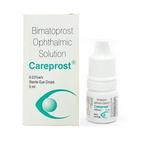
These drops gained immense popularity, demonstrating an incredibly fast and always noticeable result since its application. This innovative means will allow you to give your eyelashes an ideal look, strength and health, in whatever serious condition they are before the moment of its application. It is safe and effective providing amazing results.
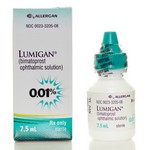
This means is prescribed to reduce eye pressure. Its active ingredient is synthetic prostaglandin bimatoprost – an unsaturated fatty acid, similar in its properties to hormones. Getting into the eye, drops help maintain the balance of the flow and outflow of eye fluid. It is a violation of this balance that leads to an increase in pressure, due to which the blood supply to the eye is impaired and the load on the optic nerve increases.

Bimatoprost reduces IOP in humans by increasing the outflow of aqueous humor through the trabecular meshwork and uveoscleral outflow. IOP reduction begins about 4 hours after the first use. The maximum effect is achieved after about 8–12 hours. The effect lasts for at least 24 hours.
Herbal Eye Drops for Horses: A Natural Approach to Eye Health
When it comes to caring for your horse’s eyes, you may be interested in exploring natural alternatives to traditional eye drops. Herbal eye drops offer a gentle and holistic approach to soothing and improving eye health in horses. However, it’s important to consult with a veterinarian or equine herbalist before deciding to use herbal eye drops, as they can provide guidance on the proper herbs and dosages for your horse’s specific needs.
Below are some commonly used herbs in herbal eye drops for horses:
| Herb | Beneficial Properties |
|---|---|
| Chamomile | Anti-inflammatory properties that can help reduce redness and swelling. |
| Calendula | Known for its healing properties, calendula can promote tissue repair and soothe irritated eyes. |
| Eyebright | Traditionally used for eye problems, eyebright is believed to have anti-inflammatory and astringent properties. |
| Goldenseal | Has antimicrobial properties and may help fight off bacterial or fungal infections in the eyes. |
| Comfrey | Known for its tissue-regenerating properties, comfrey can aid in the healing process of eye injuries. |
These herbs are often used in the form of infusions or tinctures to create herbal eye drops for horses. Infusions involve steeping the herb in hot water, while tinctures are made by soaking the herb in alcohol to extract its active compounds. It’s important to follow the instructions provided by your veterinarian or equine herbalist for correct preparation and usage.
While herbal eye drops can provide relief for minor eye irritations or discomfort, it’s essential to remember that they are not a substitute for proper veterinary care. If your horse is experiencing severe eye pain, significant swelling, discharge, or other concerning symptoms, it’s crucial to seek immediate veterinary attention. A professional diagnosis is important to rule out any underlying conditions that may require specific treatment.
Additionally, keep in mind that individual horses may react differently to herbal remedies, and there is limited scientific research on their effectiveness for eye problems in horses. Therefore, it’s critical to consult with a knowledgeable professional and carefully monitor your horse’s response to any herbal eye drops used.
Proper eye care and regular veterinary check-ups are essential for maintaining your horse’s eye health. Always consult with your veterinarian for specific guidance on eye drops, including herbal options, that are safe and suitable for your horse. They are equipped with the necessary knowledge and expertise to provide the best care for your horse’s unique eye health needs.
Eye Drops for Dogs: Can They Be Used for Horses?
When it comes to eye care for our beloved animals, it is essential to use the appropriate medications and treatments specifically designed for their species. While eye drops for dogs may seem like a convenient alternative for horses, it is important to understand the differences in their eye anatomy and the potential variations in eye drop formulations.
Horse Eye Anatomy:
Horses have a unique eye anatomy that differs from other animals, including dogs. One significant difference is the size of their eyes. Horses have much larger eyes, which require different dosages of medication compared to dogs. Additionally, horses have a nictitating membrane, also known as a third eyelid, which dogs do not possess. This membrane plays a protective role for horses’ eyes, and any medication used must take this into consideration.
Differences in Eye Drop Formulations:
Eye drop formulations may vary based on the species they are intended for. Dog eye drops are specifically formulated to address the unique ocular issues that dogs may encounter, such as dry eyes, conjunctivitis, or allergies. On the other hand, horse eye drops are specially manufactured to target the specific eye conditions that horses may develop, such as ulcers, infections, or dryness.
Potential Risks and Complications:
Using dog eye drops on horses can lead to various risks and complications. The dosage of medication may not be appropriate for a horse’s larger eyes, potentially leading to inadequate treatment or overmedication. The formulation may also lack the necessary components to effectively treat horse-specific eye conditions.
It is important to note that using improper eye drops on horses can worsen the existing eye condition, delay healing, or potentially cause further harm. Therefore, it is crucial to consult with a veterinarian and obtain the appropriate horse eye drops for your equine companion’s eye care needs.
For more detailed information on horse eye care and the appropriate eye drops for horses, consult reputable sources such as the American Association of Equine Practitioners or seek guidance from a licensed equine veterinarian.
Eye Drops in Mascara and Potential Risks
The use of eye drops in mascara has gained popularity as a trend in the cosmetic industry. However, it is important to understand the potential risks and side effects associated with this practice. It is crucial to note that using mascara with eye drops is not a substitute for proper veterinary care when it comes to addressing horse eye problems.
Some brands claim that incorporating eye drops into their mascara formulas can provide benefits such as increased moisture or improved lash health. However, there is limited scientific evidence to support these claims, and the use of eye drops in mascara may pose certain risks.
One potential risk of using mascara with eye drops is eye irritation. Eye drops are formulated to be safe for use in the eye, but when mixed with mascara, the combination may cause discomfort, redness, or itching in horses. The eye drops may not blend well with the mascara formula, leading to a higher risk of irritation and potential allergic reactions.
Additionally, the use of mascara with eye drops may disrupt the natural tear film and lubrication of the eyes. The mascara formula, combined with the eye drops, can potentially interfere with the eye’s natural tear production, leading to dryness or an imbalance in the moisture levels of the eye. This can result in discomfort and potential damage to the horse’s eyes if not addressed promptly.
It is important to remember that eye drops designed for use in humans or dogs are not suitable for use on horses. Horse eye anatomy differs from that of other animals, and using inappropriate eye drops can potentially worsen eye conditions or cause additional complications. It is crucial to consult with a veterinarian for proper diagnosis and treatment of any eye problems in horses.
To ensure the health and well-being of your horse’s eyes, it is best to follow the guidance provided by veterinary professionals. Proper veterinary care, including regular eye exams and prompt attention to any eye-related concerns, is essential for maintaining good eye health in horses.
Sources:
- Cornell University College of Veterinary Medicine – New Drug Drops Disruptions in Corneal Ulcers in Horses
- National Center for Biotechnology Information – The Equine Eye
- American Association of Equine Practitioners – Eye Problems in Horses
Safety Precautions and Best Practices
When it comes to handling and administering horse eye drops, it is important to prioritize safety and follow best practices. Here are some key safety precautions to keep in mind:
1. Wear protective gloves
To prevent any contamination of the eye drops or transmission of potential infections, it is essential to wear protective gloves when handling and administering horse eye drops. This simple step can help maintain the effectiveness of the medication and safeguard both the horse and the person administering the drops.
2. Follow dosage instructions
Each type of horse eye drop will come with specific dosage instructions provided by the veterinarian or manufacturer. It is crucial to strictly adhere to these instructions to ensure the proper dosage is administered. Over- or under-dosing can have adverse effects on the horse’s eye health and overall well-being.
3. Proper storage and expiration dates
Eye drops, like any other medication, need to be stored properly and checked for expiration dates. Following the storage instructions provided on the packaging will help maintain the integrity and effectiveness of the eye drops. Expired eye drops should never be used, as they may not have the desired therapeutic effects and could potentially harm the horse’s eyes.
4. Regular eye exams
Another important aspect of horse eye care is regular eye exams. Routine eye examinations can help identify any early signs of eye problems or underlying conditions that may require treatment. It is recommended to schedule regular check-ups with a veterinarian who specializes in equine ophthalmology to ensure the horse’s eye health is monitored and any issues are addressed promptly.
5. Prompt veterinary attention
If there are any concerns or changes in the horse’s eye condition, it is crucial to seek prompt veterinary attention. Delaying treatment can lead to worsening of the condition and potentially permanent damage to the horse’s eyes. Early intervention is essential for successful treatment and recovery.
It is also worth noting that the information provided in this article is for informational purposes only and should not replace professional veterinary advice. If you have any specific concerns or questions about horse eye drops or any eye-related issues, it is advisable to consult with a qualified veterinarian or equine ophthalmologist. They will be able to provide the most accurate and appropriate guidance for your horse’s unique situation.
Remember, the safety and well-being of your horse should always be a top priority. By following these safety precautions and best practices, you can help ensure that your horse’s eye health is properly addressed and maintained.