Causes of Dry Eyes and the Use of Glycerin Eye Drops
Dry eyes occur when the tear glands don’t produce enough tears, or when the tears evaporate too quickly from the surface of the eyes. This can lead to discomfort, irritation, and blurry vision. Several factors can contribute to dry eyes:
Environmental Conditions
Environmental factors such as windy or dry climates, air conditioning, and spending too much time in front of digital screens can all contribute to dry eyes. These conditions can increase evaporation and reduce tear production, leading to dryness.
Medications
Certain medications, such as antihistamines, decongestants, and hormone replacement therapy, can cause dry eyes as a side effect. These medications can disrupt the normal production of tears and worsen dry eye symptoms.
Medical Conditions
Certain medical conditions, such as autoimmune diseases like Sjogren’s syndrome, rheumatoid arthritis, and diabetes, can also contribute to dry eyes. Conditions that affect the production of tears or the quality of tears can lead to dryness and discomfort.
To relieve dry eyes and provide lubrication, many individuals turn to glycerin eye drops. Glycerin eye drops work by moistening and soothing the eyes. They help improve tear film stability and provide a protective barrier to reduce evaporation.
Glycerin eye drops are a popular choice among individuals with dry eyes because they are preservative-free and can be used with contact lenses. They are also effective in providing long-lasting relief from dry eye symptoms.
There are several types of eye drops available on the market, including artificial tears, lubricating eye gels, and ointments. However, glycerin eye drops are often preferred due to their ability to provide instant relief and long-term hydration for the eyes.
When using glycerin eye drops, it is important to follow the instructions provided by the eye care professional or specified on the product packaging. This will ensure proper usage and minimize the risk of side effects.
In the next section, we will explore the common side effects of glycerin eye drops and how to manage them effectively.
Common Side Effects of Glycerin Eye Drops
Glycerin eye drops are a commonly used remedy for dry eyes due to their lubricating properties and ability to provide relief. However, like any medication, they may cause certain side effects. It is essential to be aware of these potential side effects and understand how to manage them.
1. Mild Eye Irritation
One of the most common side effects reported with the use of glycerin eye drops is mild eye irritation. This may manifest as a slight discomfort or a gritty feeling in the eyes. It is usually temporary and should subside as your eyes adjust to the medication. If the irritation persists or worsens, it is advisable to consult your eye care professional.
2. Stinging or Burning Sensation
Glycerin eye drops may cause a stinging or burning sensation immediately upon instillation. This may be due to the change in the osmotic pressure in the eye caused by the eye drops. However, this sensation usually dissipates quickly and should not cause prolonged discomfort. If the stinging or burning sensation persists or becomes severe, it is recommended to seek medical advice.
3. Temporary Blurred Vision
Another possible side effect of glycerin eye drops is temporary blurred vision. This occurs as the eye drops create a slight film on the surface of the eyes, which can temporarily affect visual clarity. This blurriness should resolve within a few minutes after instillation. If it persists or worsens, it is important to discuss this with your eye care professional.
4. Redness of the Eyes
Redness of the eyes can occur as a result of using glycerin eye drops. This may be due to the temporary irritation caused by the eye drops or the underlying dryness of the eyes. If the redness persists or is accompanied by pain, itching, or discharge, it is recommended to consult with your healthcare provider.
It is crucial to note that these side effects are usually mild and temporary. Most individuals find that they diminish with continued use of the glycerin eye drops as the eyes adjust to the medication.
However, if you experience any severe or persistent side effects, it is important to stop using the eye drops and seek medical attention.
Precautions and Contraindications for Using Glycerin Eye Drops
While glycerin eye drops are generally safe to use for most individuals with dry eyes, there are certain precautions and contraindications that should be kept in mind. It is important to consult with an eye care professional before starting to use glycerin eye drops, especially if you have any of the following conditions:
- Glaucoma: Glycerin eye drops may increase the pressure inside the eye and worsen symptoms of glaucoma. Individuals with glaucoma should consult their eye care provider before using glycerin eye drops.
- Diabetes: People with diabetes may have a higher risk of developing certain eye conditions, such as diabetic retinopathy. It is advisable to consult with an eye care professional before using glycerin eye drops to ensure they are suitable for your specific condition.
- Pregnancy or breastfeeding: The safety of glycerin eye drops during pregnancy or breastfeeding has not been fully established. It is recommended to consult with a healthcare provider before using any eye drops during these periods.
- Allergies: Individuals who have had allergic reactions to glycerin or any other ingredients in eye drops should avoid using glycerin eye drops and opt for alternative options.
- Other eye conditions: If you have any underlying eye conditions or are taking medications for your eyes, it is important to discuss the use of glycerin eye drops with your eye care provider to ensure they are safe and appropriate for you.
It is also worth mentioning that glycerin eye drops may temporarily blur vision after application. Therefore, it is advisable to wait until your vision clears before driving or operating machinery.
In addition to these precautions, it is important to follow the instructions provided by your eye care professional or specified on the product packaging. Using the recommended dosage and frequency can help minimize the risk of potential side effects.
If you experience any unusual or severe symptoms after using glycerin eye drops, such as severe eye itching, swelling, or difficulty breathing, it could be a sign of an allergic reaction. In such cases, immediate medical attention should be sought.
Remember, the information provided here is for informational purposes only and should not replace professional medical advice. Consult with an eye care professional to determine the most appropriate treatment plan for your dry eyes.

Bimat eye drops are used to treat hypotrichosis, short, weak eyelashes. Bimat increases the length, thickness and enhances the color of eyelashes. These substances are also used to lower intraocular pressure in patients with a diagnosis of glaucoma. By reducing the pressure, the risk of blindness is significantly decreased.
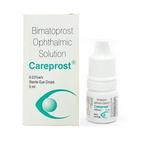
These drops gained immense popularity, demonstrating an incredibly fast and always noticeable result since its application. This innovative means will allow you to give your eyelashes an ideal look, strength and health, in whatever serious condition they are before the moment of its application. It is safe and effective providing amazing results.
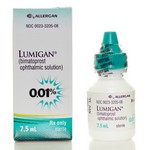
This means is prescribed to reduce eye pressure. Its active ingredient is synthetic prostaglandin bimatoprost – an unsaturated fatty acid, similar in its properties to hormones. Getting into the eye, drops help maintain the balance of the flow and outflow of eye fluid. It is a violation of this balance that leads to an increase in pressure, due to which the blood supply to the eye is impaired and the load on the optic nerve increases.

Bimatoprost reduces IOP in humans by increasing the outflow of aqueous humor through the trabecular meshwork and uveoscleral outflow. IOP reduction begins about 4 hours after the first use. The maximum effect is achieved after about 8–12 hours. The effect lasts for at least 24 hours.
Interactions with other medications
Glycerin eye drops are generally safe to use with other medications, but it is always important to consult with a healthcare provider or pharmacist to ensure there are no potential interactions. While glycerin eye drops are not known to interact with a wide range of medications, certain eye drops and medications may have some interactions. It is advisable to inform the healthcare provider or pharmacist about all the medications being used before starting glycerin eye drops.
There are a few specific medications that may interact with glycerin eye drops:
| Medication | Interactions | Recommendations |
|---|---|---|
| Dilated eye drops | Glycerin eye drops can dilute the medication and potentially decrease its effectiveness. | It is recommended to wait at least 5 minutes between using these eye drops and glycerin eye drops. |
| Eye drops containing zaditen (ketotifen) | Glycerin eye drops may increase the absorption of zaditen, potentially leading to increased side effects. | It is advisable to consult with a healthcare provider or pharmacist before using these medications together. They will provide guidance on the appropriate timing and frequency of use. |
It is important to note that the interactions mentioned above are not exhaustive, and there may be other medications that can potentially interact with glycerin eye drops. Therefore, it is crucial to seek professional advice and disclose all medications being used to ensure safe and effective use.
In case of any uncertainty or questions regarding potential drug interactions with glycerin eye drops, individuals should reach out to their healthcare provider or pharmacist for further guidance.
Allergic Reactions to Glycerin Eye Drops
Allergic reactions to glycerin eye drops can be rare, but they can occur in some individuals. It is important to be aware of the symptoms of an allergic reaction and seek immediate medical attention if they occur. Some of the signs of an allergic reaction to glycerin eye drops include:
- Severe eye itching
- Swelling of the eyes or eyelids
- Redness or irritation of the eyes
- Difficulty breathing or shortness of breath
If you experience any of these symptoms after using glycerin eye drops, it is crucial to stop using the drops immediately and consult with a healthcare professional. Allergic reactions can range from mild to severe, and it is important to get proper medical care to manage the reaction.
In some cases, individuals may have a known allergy to glycerin or another ingredient in the eye drops. It is essential to read the product packaging carefully and check for any potential allergens before using the drops. If you have a known allergy to glycerin or any other ingredient in the eye drops, it is best to avoid using them and discuss alternative treatment options with an eye care professional.
It is worth noting that allergic reactions to glycerin eye drops are relatively uncommon. However, it is essential to be aware of the possibility and seek medical attention if any symptoms of an allergic reaction occur. Prompt treatment is crucial to prevent further complications and ensure the health and safety of your eyes.
Alternative options for dry eyes
While glycerin eye drops can be an effective treatment for dry eyes, there are also other options available that individuals can consider. Here are some alternative treatments to relieve dry eyes:
- Artificial tears: These are over-the-counter eye drops that can provide temporary relief by lubricating the eyes. Artificial tears help to mimic the composition of natural tears and can be used as needed throughout the day.
- Avoid irritants and allergens: It’s important to identify and avoid any environmental factors or substances that may be triggering dryness or irritation in the eyes. This may include staying away from smoke, reducing exposure to dry or windy conditions, and avoiding allergens that may cause allergic reactions.
- Use a humidifier: Adding moisture to the air with a humidifier can help prevent the eyes from drying out, especially in dry indoor environments during the winter months. This can be particularly beneficial for individuals who spend a lot of time in air-conditioned or heated environments.
- Lifestyle changes: Making certain lifestyle changes can also help manage dry eyes. This may include taking regular breaks from focused visual tasks (such as using a computer or reading), blinking more frequently, and practicing good eye hygiene by gently washing the eyelids and lashes with warm water.
It’s important to note that the effectiveness of these alternative treatments may vary depending on the underlying cause and severity of dry eyes. It’s always recommended to consult with an eye care professional to determine the most appropriate treatment plan for each individual.
Conclusion and Final Recommendations
In conclusion, glycerin eye drops are a popular choice among individuals suffering from dry eyes due to their ability to relieve dryness and provide lubrication for the eyes. However, it is important to be aware of possible side effects and take necessary precautions when using these eye drops.
When using glycerin eye drops, it is not uncommon to experience mild eye irritation, a stinging or burning sensation, temporary blurred vision, or redness of the eyes. These side effects are usually temporary and should subside with continued use. It is crucial to follow the instructions provided by your eye care professional or the product packaging to minimize the risk of side effects.
There are certain situations where caution should be exercised or the use of glycerin eye drops should be avoided. Pregnant or breastfeeding women should consult their healthcare provider before using any eye drops, including glycerin eye drops. Individuals with certain medical conditions, such as glaucoma or diabetes, should also consult their eye care provider before using glycerin eye drops.
Although glycerin eye drops are generally safe to use with other medications, it is always advisable to consult with a healthcare provider or pharmacist to ensure there are no potential interactions. For example, dilated eye drops or eye drops zaditen may interact with glycerin eye drops, and it is important to know how to safely use them together.
It is essential to be aware of possible allergic reactions to glycerin eye drops. Symptoms such as severe eye itching, swelling, or difficulty breathing should not be ignored and immediate medical attention should be sought.
While glycerin eye drops are an effective option for treating dry eyes, there are alternative options to consider as well. These include using artificial tears, avoiding irritants and allergens, using a humidifier, or implementing lifestyle changes. It is always recommended to consult with an eye care professional to determine the most appropriate treatment plan for each individual.
In conclusion, it is important to prioritize eye health and take necessary steps to prevent and alleviate dryness. Following the instructions provided, being aware of possible side effects and precautions, and seeking professional advice when needed are crucial for maintaining healthy eyes.