Overview of Gentamicin Sulfate Eye Drops
Gentamicin Sulfate Eye Drops are a medication used to treat various eye conditions. They contain the active ingredient gentamicin sulfate, which is an antibiotic that works by killing bacteria that cause infections. These eye drops are typically prescribed by healthcare professionals and should be used according to their instructions.
Common Uses for Gentamicin Sulfate Eye Drops
Gentamicin Sulfate Eye Drops are commonly used for the following eye conditions:
- Conjunctivitis: Gentamicin Sulfate Eye Drops can help treat bacterial conjunctivitis, also known as pink eye. It can alleviate symptoms such as redness, itching, and discharge.
- Corneal Ulcers: These eye drops can be prescribed for corneal ulcers, which are open sores on the outer layer of the cornea. Gentamicin Sulfate Eye Drops can help in the treatment of bacterial corneal ulcers.
- Blepharitis: Gentamicin Sulfate Eye Drops are sometimes used to manage blepharitis, an inflammation of the eyelids. They can help reduce swelling and prevent bacterial infections.
- Keratitis: Gentamicin Sulfate Eye Drops may also be used to treat keratitis, which is an inflammation of the cornea. It can provide relief from symptoms and aid in the healing process.
It is important to note that Gentamicin Sulfate Eye Drops should only be used for bacterial infections and as prescribed by a healthcare professional. They are not effective against viral or fungal infections.
Following Prescribed Usage Instructions
To ensure the effectiveness and safety of Gentamicin Sulfate Eye Drops, it is crucial to follow the prescribed usage instructions. These may vary depending on the specific eye condition being treated. Here are some general guidelines for using Gentamicin Sulfate Eye Drops:
- Wash your hands thoroughly before applying the eye drops to avoid introducing any additional bacteria.
- Tilt your head back or lie down flat on your back and look towards the ceiling.
- Gently pull down your lower eyelid to form a small pocket.
- Hold the dropper directly over the eye and squeeze the prescribed number of drops into the pocket.
- Close your eyes gently and keep them closed for a minute to allow the eye drops to spread evenly.
- If instructed, gently press your finger against the inner corner of your eye (near your nose) for a minute. This can help prevent the eye drops from draining into your tear duct and being absorbed into your bloodstream.
- Repeat the process if you need to apply the eye drops to both eyes.
- Replace the cap tightly on the bottle to prevent contamination.
- Do not touch the tip of the dropper to any surface, including your eye, to avoid contamination.
It is essential to use Gentamicin Sulfate Eye Drops exactly as prescribed by your healthcare professional. If you have any questions or concerns about the usage instructions, it is recommended to seek clarification from your healthcare provider.
Common Side Effects of Gentamicin Sulfate Eye Drops
Gentamicin Sulfate Eye Drops are commonly used to treat various eye conditions, including bacterial infections. While they can be highly effective in combating these infections, it is important to be aware of the potential side effects that may occur when using these eye drops. It is always advised to follow the prescribed usage instructions and consult with a healthcare professional if any concerns arise.
Common side effects of Gentamicin Sulfate Eye Drops may include:
- Stinging or burning sensation in the eyes
- Eye irritation or redness
- Watery eyes
- Dry eyes
- Blurred vision
These side effects are generally mild and temporary, and they should subside as your eyes adjust to the eye drops. However, if any of these side effects persist or worsen, it is important to contact your healthcare professional for further guidance.
Allergic reactions to Gentamicin Sulfate Eye Drops:
In rare cases, some individuals may experience an allergic reaction to Gentamicin Sulfate Eye Drops. Signs of an allergic reaction may include:
- Hives or skin rash
- Swelling of the face, lips, or tongue
- Severe itching
- Difficulty breathing or swallowing
If you experience any of these symptoms, it is crucial to seek immediate medical attention or contact emergency services. An allergic reaction to Gentamicin Sulfate Eye Drops can be serious and require prompt treatment.
It is important to note that this list of side effects is not exhaustive. Some individuals may experience other side effects not mentioned here. If you have any concerns or questions about the side effects associated with the use of Gentamicin Sulfate Eye Drops, it is always best to consult with your healthcare professional for personalized advice.
Serious Side Effects and Precautions to Consider
While Gentamicin Sulfate Eye Drops are generally safe and effective when used as directed, there are potential serious side effects and precautions to consider before use. It is important to be aware of these risks and consult with a healthcare professional before starting treatment.
Potential Serious Side Effects of Gentamicin Sulfate Eye Drops
Although rare, serious side effects can occur with the use of Gentamicin Sulfate Eye Drops. These may include:
- Severe eye irritation or redness
- Eye pain or discomfort
- Swelling or inflammation of the eyelid
- Vision changes or blurred vision
- Infection or allergic reaction
- Ulcers or sores on the eye
If any of these serious side effects occur, it is crucial to stop using the eye drops and seek immediate medical attention. These symptoms may indicate a severe reaction or infection that requires prompt treatment.
Precautions for Certain Individuals
Some individuals may need to take extra precautions or avoid using Gentamicin Sulfate Eye Drops altogether. It is important to inform your healthcare professional about any underlying medical conditions or medications you are currently taking. The following individuals should exercise caution or consult with a healthcare professional before using Gentamicin Sulfate Eye Drops:
| Pregnant Women | There is limited data on the use of Gentamicin Sulfate Eye Drops during pregnancy. It is recommended to discuss the potential risks and benefits with a healthcare professional before using this medication. |
|---|---|
| Breastfeeding Mothers | Gentamicin Sulfate may pass into breast milk, although the amount is generally considered minimal. Women who are breastfeeding should consult with a healthcare professional before using these eye drops to assess the potential risks. |
| Individuals with Kidney or Hearing Problems | Gentamicin, the active ingredient in Gentamicin Sulfate Eye Drops, may be absorbed into the bloodstream and can affect the kidneys or hearing. Individuals with pre-existing kidney disease or hearing problems should exercise caution and discuss the risks with a healthcare professional. |
| Allergy to Aminoglycoside Antibiotics | Individuals who have previously had an allergic reaction to aminoglycoside antibiotics, such as gentamicin, should avoid using Gentamicin Sulfate Eye Drops. It is crucial to inform a healthcare professional of any known drug allergies before starting treatment. |
Consultation with a Healthcare Professional
Before using Gentamicin Sulfate Eye Drops, it is strongly recommended to consult with a healthcare professional. They can assess your specific situation, discuss any potential risks or interactions, and provide personalized recommendations based on your needs.
It is important to follow the prescribed usage instructions and report any side effects or concerns to your healthcare professional. They can provide guidance on managing any side effects or suggest alternative treatments if necessary.
Remember, your eye health is a priority, and seeking professional medical advice is essential for safe and effective treatment.

Bimat eye drops are used to treat hypotrichosis, short, weak eyelashes. Bimat increases the length, thickness and enhances the color of eyelashes. These substances are also used to lower intraocular pressure in patients with a diagnosis of glaucoma. By reducing the pressure, the risk of blindness is significantly decreased.
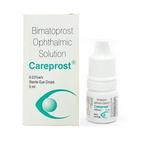
These drops gained immense popularity, demonstrating an incredibly fast and always noticeable result since its application. This innovative means will allow you to give your eyelashes an ideal look, strength and health, in whatever serious condition they are before the moment of its application. It is safe and effective providing amazing results.
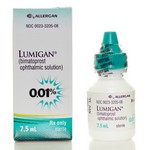
This means is prescribed to reduce eye pressure. Its active ingredient is synthetic prostaglandin bimatoprost – an unsaturated fatty acid, similar in its properties to hormones. Getting into the eye, drops help maintain the balance of the flow and outflow of eye fluid. It is a violation of this balance that leads to an increase in pressure, due to which the blood supply to the eye is impaired and the load on the optic nerve increases.

Bimatoprost reduces IOP in humans by increasing the outflow of aqueous humor through the trabecular meshwork and uveoscleral outflow. IOP reduction begins about 4 hours after the first use. The maximum effect is achieved after about 8–12 hours. The effect lasts for at least 24 hours.
Alternatives to Gentamicin Sulfate Eye Drops
While Gentamicin Sulfate Eye Drops are commonly prescribed for various eye conditions, there are alternative options that can be considered. It is important to discuss these alternatives with a healthcare professional to determine the most suitable treatment for your specific condition. Some alternatives to Gentamicin Sulfate Eye Drops include:
1. Tobramycin Eye Drops
Tobramycin eye drops are a popular alternative to Gentamicin Sulfate Eye Drops. They belong to the same class of antibiotics called aminoglycosides, and are effective in treating bacterial infections of the eye. Tobramycin works by killing or inhibiting the growth of bacteria in the eye.
Usage: Tobramycin eye drops are typically used by applying one to two drops into the affected eye(s), every four to six hours, or as prescribed by your healthcare professional.
Effectiveness: Tobramycin eye drops are known to be effective in treating various eye infections caused by susceptible bacteria.
2. Ofloxacin Eye Drops
Ofloxacin eye drops are another alternative to Gentamicin Sulfate Eye Drops. They are a fluoroquinolone antibiotic that works by interfering with the DNA replication process in bacteria, thereby preventing their growth and multiplication.
Usage: Ofloxacin eye drops are commonly used by instilling one to two drops into the affected eye(s), every two to four hours, or as directed by your healthcare professional.
Effectiveness: Ofloxacin eye drops have been found to be effective in treating bacterial infections of the eye, including conjunctivitis and corneal ulcers.
3. Ciprofloxacin Eye Drops
Ciprofloxacin eye drops are a third alternative to Gentamicin Sulfate Eye Drops. They belong to the fluoroquinolone class of antibiotics and work similarly to Ofloxacin by inhibiting bacterial growth.
Usage: Ciprofloxacin eye drops are commonly used by instilling one to two drops into the affected eye(s), every two to four hours, or as prescribed by your healthcare professional.
Effectiveness: Ciprofloxacin eye drops have been shown to be effective in treating various eye infections caused by susceptible bacteria.
It is important to note that the specific usage instructions and effectiveness of these alternatives may vary depending on the individual case. Therefore, it is crucial to consult with a healthcare professional before considering any alternative eye drops.
The Benefits of Sjogren’s Eye Drops for Managing Dry Eyes
Sjogren’s Syndrome is an autoimmune disorder that affects the body’s ability to produce moisture, particularly in the eyes and mouth. The hallmark symptom of this condition is dry eyes, which can have a significant impact on a person’s quality of life. Fortunately, there are specialized eye drops available that can help manage the symptoms of dry eyes associated with Sjogren’s Syndrome.
One popular brand of eye drops for Sjogren’s Syndrome is Systane Ultra Lubricant Eye Drops. These eye drops are specifically formulated to provide long-lasting relief for the symptoms of dry eyes. They work by moisturizing and lubricating the surface of the eye, reducing discomfort and irritation.
Some of the benefits of using Systane Ultra Lubricant Eye Drops for Sjogren’s Syndrome include:
- Relief from dryness: These eye drops help alleviate the discomfort caused by dry eyes, providing immediate relief from symptoms such as burning, stinging, and itching.
- Promotes eye health: By moisturizing the eye, these eye drops can help prevent eye damage caused by dryness, such as corneal abrasions or infections.
- Long-lasting effect: Systane Ultra Lubricant Eye Drops provide long-lasting relief, reducing the need for frequent application throughout the day.
- Compatible with contact lenses: These eye drops are suitable for use with contact lenses, making them a convenient option for those who wear contacts.
- No prescription required: Systane Ultra Lubricant Eye Drops are available over-the-counter, making them easily accessible for individuals with Sjogren’s Syndrome.
It’s important to note that while Systane Ultra Lubricant Eye Drops are a popular option, there are other brands and types of eye drops available for managing dry eyes associated with Sjogren’s Syndrome. It’s always advisable to consult with a healthcare professional or an ophthalmologist to determine the most suitable eye drops for your specific needs.
Side Effects
As with any medication or eye drops, there are potential side effects to be aware of. While uncommon, some individuals may experience mild burning or stinging upon application of Systane Ultra Lubricant Eye Drops. If these side effects persist or worsen, it is important to consult a healthcare professional.
Surveys and Statistical Data
While there has not been a specific survey or statistical study conducted on the use of Systane Ultra Lubricant Eye Drops for Sjogren’s Syndrome, patient testimonials and clinical experience suggest that these eye drops can provide significant relief for those with dry eyes associated with this condition. However, each individual’s experience may vary, and it is essential to consult a healthcare professional for personalized advice and guidance.
Gentamicin Sulfate Eye Drops: Can They Help With Subconjunctival Hemorrhage?
A subconjunctival hemorrhage, also known as a broken blood vessel in the eye, can be an uncomfortable and worrisome condition. One way to help alleviate symptoms and promote healing is by using specific eye drops formulated for this purpose. While Gentamicin Sulfate Eye Drops are not typically used for subconjunctival hemorrhage, there are alternative options that can effectively address this condition.
Alternative Eye Drops for Subconjunctival Hemorrhage
One popular option is the use of lubricating eye drops, such as Visine Tears or Systane Ultra. These drops help to relieve dryness and soothe any irritation in the eye. While they may not directly treat the broken blood vessel, they can provide relief from discomfort and promote overall eye health.
Another option for subconjunctival hemorrhage is using eye drops containing vasoconstrictors, such as Clear Eyes Redness Relief. These drops work by narrowing the blood vessels in the eye, which can help reduce redness and promote healing. However, it’s important to note that vasoconstrictor eye drops should only be used for short periods of time and as directed by a healthcare professional.
Usage and Precautions
When using eye drops for subconjunctival hemorrhage, it’s important to follow the instructions provided by the manufacturer or as directed by a healthcare professional. Typically, lubricating eye drops can be used multiple times a day as needed, while vasoconstrictor eye drops should only be used for a limited duration as instructed.
It’s essential to avoid touching the tip of the eye drop bottle to your eye or any other surface to prevent contamination. Additionally, if you experience any severe or prolonged symptoms, such as worsening pain or vision changes, it’s important to seek medical attention.
Conclusion
While Gentamicin Sulfate Eye Drops are not typically used for subconjunctival hemorrhage, there are alternative eye drops available that can effectively address this condition. Lubricating eye drops and vasoconstrictor eye drops can provide relief from discomfort, reduce redness, and promote healing. It’s important to carefully follow the usage instructions and consult with a healthcare professional if you have any concerns or experience severe symptoms.
Can You Use Contact Solution as Eye Drops?
When your eyes feel dry or irritated, it may be tempting to reach for a quick solution to alleviate the discomfort. One common question that arises is whether contact solution can be used as eye drops. While contact solution is formulated to keep contact lenses clean and moisturized, it is not intended for direct use as eye drops.
Differences between Contact Solution and Eye Drops
Contact solution and eye drops serve different purposes and have different compositions. Contact solution is designed to disinfect and store contact lenses, while eye drops are specifically formulated to address various eye conditions such as dryness, redness, itching, or allergies.
Contact solution contains ingredients that are not meant to be directly applied to the eyes and may cause discomfort or irritation if used inappropriately. Additionally, contact lens solutions often contain preservatives that help maintain the sterility of the solution but may not be suitable for direct contact with the eyes.
Potential Risks
Using contact solution as eye drops may introduce unnecessary risks and complications. Here are a few reasons why it’s not recommended:
- Insufficient Moisture: Contact solution is not designed to provide the same level of moisture and lubrication as eye drops. It may fail to adequately hydrate the eyes, which can worsen dryness or other underlying eye conditions.
- Potential Allergic Reactions: Eye drops are specifically formulated to be gentle on the eyes and are generally free from common allergens. Contact solution, on the other hand, may contain ingredients that could cause an allergic reaction when applied directly to the eyes.
- Improper pH Balance: Eye drops are carefully formulated to maintain the correct pH balance for the eyes. Contact solution may have a different pH level, which can disrupt the natural balance and potentially cause discomfort or irritation.
- Increased Risk of Infection: Contact lens solutions are designed to disinfect and clean lenses, not to address eye infections. Using contact solution as eye drops may increase the risk of infection or exacerbate an existing eye infection.
Recommendation: Consult a Healthcare Professional
If you are experiencing discomfort or irritation in your eyes, it is important to consult a healthcare professional. They can properly diagnose the underlying cause of your symptoms and recommend the appropriate treatment, which may include specific eye drops tailored to your needs. A healthcare professional can provide accurate and personalized advice based on your individual circumstances, ensuring the best possible care for your eyes.