Family Wellness Eye Drops: What Are They and What Are They Used For?
When it comes to family wellness, taking care of our eyes is essential. Eye drops are a common and convenient solution for various eye-related issues. Let’s explore the different types of eye drops available for family wellness and the purposes they serve.
Lubricating Eye Drops
Lubricating eye drops, also known as artificial tears, are designed to provide moisture and relieve dry eye symptoms. They mimic the composition of natural tears and help keep the eyes hydrated. These drops can be used by anyone in the family, including children and adults.
Allergy Eye Drops
Allergy eye drops are specifically formulated to alleviate itchiness and redness caused by allergies. They work by reducing inflammation and suppressing the allergic response in the eyes. These drops are often used during allergy seasons or when exposed to allergens like pollen, dust, or pet dander.
Eye Drops for Redness Relief
If you or someone in your family experiences redness in the eyes due to irritation or minor eye infections, eye drops for redness relief can help. These drops contain ingredients that constrict blood vessels in the eyes, reducing redness and making the eyes appear clearer.
It is important to note that while eye drops can provide temporary relief for various eye issues, they are not a substitute for professional medical advice. If symptoms persist or worsen, it is recommended to seek guidance from an eye care professional.
Can drinking eye drops cause coma?
Drinking eye drops can have severe consequences for one’s health and can even lead to a coma. Eye drops are specifically formulated for use in the eyes and should never be ingested orally. The ingredients in eye drops are not meant to be consumed and can be harmful if ingested in large amounts or over a prolonged period.
There are specific eye drops that can be particularly dangerous if consumed orally. For example, eye drops that contain the ingredient tetrahydrozoline can be toxic if ingested. This ingredient is commonly found in eye drops used for redness relief. It can cause serious side effects, including changes in blood pressure, heart rate, and even coma. Other potentially harmful ingredients include antihistamines, such as pheniramine and ketotifen, which are commonly found in allergy eye drops.
Drinking eye drops can lead to symptoms of poisoning, such as nausea, vomiting, dizziness, blurred vision, and difficulty breathing. If consumed in large amounts or if severe symptoms occur, it is crucial to seek immediate medical attention. Contacting a healthcare professional or contacting a poison control center can provide necessary guidance and treatment.
It is important to handle and store eye drops properly to prevent accidental ingestion. Eye drops should always be kept out of reach of children, and prescription eye drops should never be shared with others. By following proper usage instructions and taking precautions, the risk of accidentally drinking eye drops can be minimized.
How long to wait between using the same eye drops?
Proper usage of eye drops is essential for effective treatment and to avoid any potential complications. It’s important to follow the instructions provided by the manufacturer or healthcare professional regarding the wait time between each use. The specific recommended wait time may vary depending on the type of eye drops and the individual’s specific condition. Here are some general guidelines to consider:
1. Lubricating Eye Drops:
Lubricating eye drops, also known as artificial tears, are typically used to relieve dryness and provide moisture to the eyes. The wait time between each use may vary but is often around 4 to 6 hours. However, it is always advisable to refer to the product label for precise instructions.
2. Allergy Eye Drops:
Allergy eye drops are formulated to reduce itchiness, redness, and other discomfort caused by allergies. The wait time between each use can vary depending on the specific brand and formulation. In general, it is recommended to wait at least 5 to 10 minutes between applications. However, consult the product label or consult with a healthcare professional for guidance.
3. Eye Drops for Redness Relief:
Eye drops for redness relief are commonly used to alleviate redness and bloodshot eyes. The wait time between using these types of eye drops varies but is typically around 4 to 6 hours. However, it is important to note that frequent or prolonged use of redness relief eye drops may have adverse effects. It is advisable to consult with a healthcare professional for appropriate usage instructions.
It’s worth noting that the wait time between using the same eye drops can be influenced by factors such as the severity of the condition, individual response to the medication, and any underlying medical conditions. Always consult with a healthcare professional for specific guidance tailored to your situation.
For more information on eye drops and their proper use, you can refer to reliable sources such as the American Academy of Ophthalmology’s website (information available at www.aao.org) or consult with a qualified healthcare professional.

Bimat eye drops are used to treat hypotrichosis, short, weak eyelashes. Bimat increases the length, thickness and enhances the color of eyelashes. These substances are also used to lower intraocular pressure in patients with a diagnosis of glaucoma. By reducing the pressure, the risk of blindness is significantly decreased.
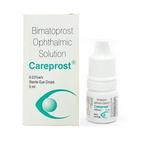
These drops gained immense popularity, demonstrating an incredibly fast and always noticeable result since its application. This innovative means will allow you to give your eyelashes an ideal look, strength and health, in whatever serious condition they are before the moment of its application. It is safe and effective providing amazing results.
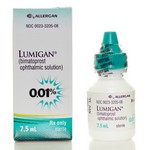
This means is prescribed to reduce eye pressure. Its active ingredient is synthetic prostaglandin bimatoprost – an unsaturated fatty acid, similar in its properties to hormones. Getting into the eye, drops help maintain the balance of the flow and outflow of eye fluid. It is a violation of this balance that leads to an increase in pressure, due to which the blood supply to the eye is impaired and the load on the optic nerve increases.

Bimatoprost reduces IOP in humans by increasing the outflow of aqueous humor through the trabecular meshwork and uveoscleral outflow. IOP reduction begins about 4 hours after the first use. The maximum effect is achieved after about 8–12 hours. The effect lasts for at least 24 hours.
Reactions to Eye Dilation Drops: What to Expect?
Eye dilation drops are commonly used during eye examinations to help the eye care professional get a better view of the inside of your eyes. These drops work by enlarging the pupils, allowing more light to enter the eye.
While eye dilation drops are generally safe and well-tolerated, they can cause temporary changes in your vision and certain side effects. Here are some common reactions you may experience after applying eye dilation drops:
- Blurred vision: One of the most common side effects of eye dilation drops is blurred vision. This occurs because the drops cause the muscles in your iris to temporarily relax, making it difficult to focus on close objects.
- Sensitivity to light: After using eye dilation drops, you may notice increased sensitivity to light. This means that bright lights may seem uncomfortably bright and may cause glare or discomfort.
- Tearing: Some people may experience excessive tearing or watery eyes after the application of eye dilation drops. This is a normal reaction and should improve once the effects of the drops wear off.
- Stinging or discomfort: It is possible to feel a slight stinging or discomfort in your eyes after the drops are administered. This sensation is generally temporary and should subside on its own.
- Difficulty with near vision: As mentioned earlier, eye dilation drops can temporarily affect your ability to focus on near objects. This can make reading or working on close-up tasks challenging until the effects of the drops wear off.
If you are concerned about any of these side effects or experiences, it is important to talk to your eye care professional. They can provide guidance on managing these side effects and address any concerns you may have.
To alleviate any discomfort or manage the side effects of eye dilation drops, here are some tips:
- Wear sunglasses: After the eye examination, wearing sunglasses can help reduce sensitivity to light.
- Avoid driving: Due to the temporary blurred vision and light sensitivity, it is advisable to have someone drive you home after the eye examination.
- Wait for the effects to wear off: The effects of eye dilation drops usually wear off within a few hours, but in some cases, it may take longer. Avoid tasks that require sharp vision or precise focus until your vision returns to normal.
- Use artificial tears: If you experience dryness or discomfort in your eyes, using lubricating eye drops (artificial tears) can help soothe the eyes and provide relief.
Overall, the temporary side effects of eye dilation drops are usually mild and resolve on their own. However, it is always a good idea to discuss any concerns or unusual symptoms with your eye care professional to ensure proper management.
Risks and Precautions When Using Eye Drops
When using eye drops, it is essential to be aware of the potential risks and take appropriate precautions to ensure safe and effective use. Here are some key points to keep in mind:
Contamination:
Eye drops can be contaminated with bacteria or other microorganisms, which may lead to infection if applied to the eye. To minimize the risk of contamination:
- Always wash your hands thoroughly with soap and water before applying eye drops.
- Avoid touching the tip of the eye drop bottle or dropper to any surface, including your eye, as this can introduce bacteria.
- Ensure that the bottle is tightly closed after each use to prevent contamination.
- Do not share eye drops with others, as this can increase the risk of spreading infections.
Allergic Reactions:
Some individuals may be allergic to certain ingredients in eye drops, which can trigger an allergic reaction. To minimize the risk of an allergic reaction:
- If you have known allergies, read the label carefully to check for any ingredients you may be allergic to.
- If you experience any signs of an allergic reaction, such as itching, redness, swelling, or difficulty breathing, discontinue use immediately and seek medical attention.
Improper Usage:
Using eye drops improperly can lead to ineffective or potentially harmful results. To ensure proper usage:
- Follow the instructions provided by the manufacturer or healthcare professional carefully.
- Use the recommended dosage and frequency as directed.
- Avoid touching your eye with the dropper to prevent injury or contamination.
- If you are unsure about how to use the eye drops, consult a healthcare professional for guidance.
It is important to note that some eye drops may have specific precautions or warnings listed on the packaging or provided by the healthcare professional. It is crucial to read and follow these instructions to ensure safe and effective use of the product.
Proper storage of eye drops is also essential to maintain their effectiveness and minimize the risk of contamination. Keep the eye drops in a cool, dry place, away from direct sunlight and sources of heat. Avoid storing them in the bathroom, as the moisture and temperature fluctuations can affect their quality.
For more detailed information on the safety and usage of specific eye drops, always refer to reputable sources such as the product’s official website or consult a healthcare professional.
When to Seek Medical Attention After Drinking Eye Drops?
Accidentally ingesting eye drops can be a cause for concern and may require immediate medical attention. The ingestion of eye drops can lead to harmful effects, including poisoning and potential complications. It is therefore crucial to seek proper medical attention promptly to ensure appropriate treatment and avoid any further harm.
If someone has consumed a significant amount of eye drops orally, or if severe symptoms occur after ingestion, it is important to immediately contact a healthcare professional or a poison control center. They can provide guidance on the appropriate steps to take and help assess the potential risks and necessary treatment.
Some of the symptoms that may indicate a harmful reaction to ingesting eye drops include:
- Nausea
- Dizziness
- Difficulty breathing
- Abdominal pain
- Irregular heartbeat
- Changes in vision
These symptoms can vary depending on the specific eye drops ingested and the individual’s reaction to them. It is essential to communicate all relevant information to the healthcare professional or poison control center.
Seeking medical attention promptly is of utmost importance, as it ensures that the person receives the necessary treatment and mitigates the risk of any potential complications. It is essential to follow the advice and instructions given by healthcare professionals or poison control centers to address the situation appropriately.
For more information on the potential risks of ingesting eye drops and the appropriate steps to take, it is advisable to refer to authoritative sources such as the Poison Control Center or consult a healthcare professional.
Proper Disposal of Eye Drops
Proper disposal of eye drops is essential to protect the environment and prevent accidental ingestion or misuse. Here are some important guidelines to follow when disposing of eye drops:
1. Follow specific instructions
Always follow the specific instructions provided by the manufacturer for each eye drop product. Different eye drops may have unique disposal instructions, so it’s crucial to read and follow them carefully. These instructions may include information on whether to dispose of the empty container in regular waste or if it needs to be recycled separately.
2. Medication take-back programs
Utilize medication take-back programs offered in your area. These programs are designed to safely collect and dispose of expired or unused medications, including eye drops. Check with your local pharmacy or healthcare facility to find out if they provide a medication take-back program. This ensures that the eye drops are disposed of in an environmentally friendly manner and avoids the risk of accidental consumption.
3. Keep eye drops out of reach
Store eye drops in a secure place, out of reach of children and pets. The attractive packaging of eye drop bottles may lure curiosity in children, and accidental ingestion can have serious consequences. Therefore, it’s important to keep them stored safely away from potential hazards.
4. Avoid sharing prescription eye drops
It is crucial not to share prescription eye drops with others. Sharing eye drops can lead to transfer of infections or other complications. Each individual should have their own prescribed eye drops and should not use someone else’s medication. This helps prevent any potential risks or adverse effects.
Proper disposal of eye drops helps protect the environment, ensures the safety of others, and prevents unintended harm. By following these guidelines, you can contribute to a healthier, safer community.