Overview of Eye Herpes and its Symptoms
Eye herpes, also known as ocular herpes or herpes simplex keratitis, is a viral infection that affects the eye. It is caused by the herpes simplex virus (HSV) and can lead to various symptoms and complications if left untreated.
The symptoms of eye herpes can vary but may include:
- Redness and irritation in the eye
- Pain or discomfort
- Blurry or hazy vision
- Excessive tearing or discharge
- Sensitivity to light
- The sensation of having something in the eye
If you are experiencing any of these symptoms, it is important to seek medical attention promptly. A healthcare professional can properly diagnose eye herpes and provide appropriate treatment options.
Medication Options for Eye Herpes
Introduction to Eye Drops for Eye Herpes Treatment
Eye drops are a common and effective method of treating eye herpes. They are specifically formulated to target the symptoms and underlying causes of the condition, providing relief and promoting healing. When it comes to eye drops for eye herpes, there are several different options available, each with its own specific benefits and purposes.
Different Types of Eye Drops for Eye Herpes
1. Antiviral Eye Drops: These eye drops contain antiviral medications that work to combat the herpes simplex virus (HSV) responsible for eye herpes. They help to inhibit the replication of the virus and reduce the severity and duration of outbreaks. Antiviral eye drops are typically prescribed by healthcare professionals and should be used according to their instructions.
2. Numbing Eye Drops: Numbing eye drops may also be prescribed to alleviate pain and discomfort associated with eye herpes. They work by numbing the nerves in the eye, providing temporary relief from symptoms such as itching, burning, and stinging. Numbing eye drops can be a valuable addition to the treatment regimen, helping patients manage the often-painful symptoms of eye herpes.
3. Lubricating Eye Drops: Another type of eye drop commonly used for eye herpes is lubricating eye drops. These drops help to relieve dryness and irritation, which are common symptoms of the condition. By providing the eyes with additional moisture, lubricating eye drops can help alleviate discomfort and promote healing.
Importance of Prescribed Eye Drops for Effective Treatment
It is crucial to use prescribed eye drops for the treatment of eye herpes. Healthcare professionals will assess the severity and specific needs of each individual case and prescribe the appropriate eye drops accordingly. Using over-the-counter eye drops or alternative remedies may not provide the same level of effectiveness and can potentially worsen the condition.
Additionally, following the prescribed dosage instructions is essential to ensure optimal results. Overuse or underuse of eye drops can affect their efficacy and hinder the healing process. If any concerns or questions arise regarding the prescribed eye drops, it is important to consult with a healthcare professional for guidance.
In conclusion, eye drops are a vital component of the treatment plan for eye herpes. They target the symptoms and underlying causes of the condition, providing relief, and promoting healing. With the different types of eye drops available, including antiviral, numbing, and lubricating eye drops, individuals can find effective relief for their eye herpes symptoms. It is important to use prescribed eye drops as directed by healthcare professionals for optimal results.
Detailed Information about Xiidra Eye Drops
When it comes to treating eye herpes, Xiidra eye drops have proven to be an effective option. Xiidra is a prescription medication that comes in the form of eye drops and is specifically designed to treat the signs and symptoms of dry eye disease.
The active ingredient in Xiidra is lifitegrast, which works by targeting inflammation in the eyes. Inflammation is a common symptom of eye herpes, and reducing it can help alleviate discomfort and promote healing. Xiidra eye drops also help to increase tear production, which can relieve the dryness often associated with eye herpes.
To use Xiidra eye drops, it is important to follow the proper instructions provided by your healthcare provider. Typically, the recommended dosage is one drop in each eye, twice daily, approximately 12 hours apart. It’s important to punctuate the eye gently after applying the drops to ensure proper distribution of the medication.
It is worth noting that Xiidra eye drops may take some time to show noticeable improvements. In clinical studies, patients taking Xiidra reported experiencing relief from the signs and symptoms of dry eye disease as early as two weeks after starting treatment. However, it may take up to 12 weeks to experience the full benefits of the medication.
As with any medication, there may be potential side effects associated with using Xiidra eye drops. Some common side effects include eye irritation, blurred vision, and an unusual taste sensation. These side effects are typically mild and temporary. However, if you experience any persistent or severe side effects, it is important to contact your healthcare provider.
It is always recommended to consult with a healthcare professional before starting any new medication, including Xiidra eye drops. They can provide a thorough evaluation of your condition and determine if Xiidra is the right treatment option for you.
For more information about Xiidra eye drops, you can visit the official Xiidra website.

Bimat eye drops are used to treat hypotrichosis, short, weak eyelashes. Bimat increases the length, thickness and enhances the color of eyelashes. These substances are also used to lower intraocular pressure in patients with a diagnosis of glaucoma. By reducing the pressure, the risk of blindness is significantly decreased.
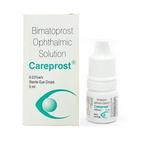
These drops gained immense popularity, demonstrating an incredibly fast and always noticeable result since its application. This innovative means will allow you to give your eyelashes an ideal look, strength and health, in whatever serious condition they are before the moment of its application. It is safe and effective providing amazing results.
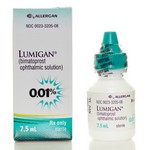
This means is prescribed to reduce eye pressure. Its active ingredient is synthetic prostaglandin bimatoprost – an unsaturated fatty acid, similar in its properties to hormones. Getting into the eye, drops help maintain the balance of the flow and outflow of eye fluid. It is a violation of this balance that leads to an increase in pressure, due to which the blood supply to the eye is impaired and the load on the optic nerve increases.

Bimatoprost reduces IOP in humans by increasing the outflow of aqueous humor through the trabecular meshwork and uveoscleral outflow. IOP reduction begins about 4 hours after the first use. The maximum effect is achieved after about 8–12 hours. The effect lasts for at least 24 hours.
Numbing Eye Drops Prescription for Eye Herpes
When it comes to treating eye herpes, numbing eye drops can play an important role in relieving pain and discomfort. These eye drops work by numbing the nerves in the eye, reducing the sensation of pain.
It’s important to note that numbing eye drops are typically prescribed by a healthcare provider and should not be used without proper medical guidance. Using over-the-counter numbing eye drops can do more harm than good.
How Numbing Eye Drops Work
Numbing eye drops contain local anesthetics that block nerve signals in the eye, reducing pain and discomfort. By numbing the nerves, these eye drops can provide temporary relief from the symptoms of eye herpes, allowing for greater comfort during the healing process.
It’s important to follow the prescribed dosage and usage instructions for numbing eye drops. Using them too frequently or for too long can lead to complications and may delay the healing process.
Potential Side Effects and Precautions
As with any medication, numbing eye drops can have potential side effects. Some common side effects include:
- Blurred vision
- Stinging or burning sensation
- Dryness or redness of the eye
- Allergic reactions
If you experience any of these side effects or any other unusual symptoms after using numbing eye drops, it is important to contact your healthcare provider. They will be able to assess the situation and provide guidance on whether or not to continue using the eye drops.
It’s also important to note that numbing eye drops can only provide temporary relief and should not be used as a long-term solution. They are meant to alleviate pain and discomfort while the underlying eye herpes infection is being treated with antiviral medications.
It’s essential to consult with a healthcare professional for an accurate diagnosis and appropriate treatment plan for eye herpes. They will be able to provide specific guidance on the use of numbing eye drops and ensure that your eye herpes is properly managed.
Bromday Eye Drops Dosage for Eye Herpes
When it comes to the treatment of eye herpes, Bromday eye drops are often prescribed as a part of the therapeutic regimen. These eye drops contain the active ingredient bromfenac, which belongs to the class of nonsteroidal anti-inflammatory drugs (NSAIDs). Bromday eye drops work by reducing inflammation and relieving pain associated with eye herpes.
Recommended Dosage and Frequency of Application
The recommended dosage and frequency of application of Bromday eye drops for eye herpes may vary depending on the severity of the condition and the individual’s response to treatment. It is important to follow the instructions provided by your healthcare provider and adhere to the prescribed dosage.
Typically, it is recommended to apply one drop of Bromday eye drops to the affected eye(s) once daily. To administer the drops, tilt your head back slightly and pull down your lower eyelid to create a small pocket. Gently squeeze the bottle and release one drop into the pocket created by the lower eyelid. Be careful not to touch the tip of the bottle to any surface to avoid contamination.
After applying the eye drop, gently close your eyes and keep them closed for a few minutes to allow the medication to spread evenly over the surface of the eye. If necessary, you can wipe away any excess liquid with a clean tissue.
Potential Benefits and Limitations
Using Bromday eye drops for eye herpes treatment can provide several benefits. The active ingredient bromfenac helps to reduce inflammation, which can alleviate discomfort and promote the healing process. Additionally, these eye drops can help relieve pain associated with eye herpes, allowing individuals to better manage their symptoms.
It is important to note that while Bromday eye drops can be effective in treating eye herpes, they may not provide a complete cure for the condition. Eye herpes is caused by the herpes simplex virus, and although the symptoms can be managed and alleviated, the virus may still persist in the body.
Potential Side Effects and Precautions
As with any medication, Bromday eye drops may cause certain side effects in some individuals. These side effects are usually mild and temporary, but it is important to be aware of them. Common side effects of Bromday eye drops may include:
– Blurred vision
– Eye irritation or burning sensation
– Increased sensitivity to light
– Eye discomfort or itching
If you experience any persistent or severe side effects, it is important to contact your healthcare provider for further guidance. They can evaluate your condition and determine whether any adjustments to your treatment plan are necessary.
In order to minimize the potential for side effects and ensure the effectiveness of the treatment, it is important to follow your healthcare provider’s instructions carefully. This includes adhering to the prescribed dosage and frequency of application, as well as discussing any existing medical conditions or medications with your healthcare provider to avoid potential interactions.
In conclusion, Bromday eye drops are a commonly prescribed treatment option for eye herpes. They can help reduce inflammation, relieve pain, and manage the symptoms of eye herpes. Proper application and adherence to the prescribed dosage are important for maximizing the benefits of Bromday eye drops. If you have any concerns or experience any side effects, it is important to consult with your healthcare provider for appropriate guidance and support.
Potential Side Effects of Eye Drops for Eye Herpes
Using eye drops for the treatment of eye herpes can be highly effective in providing relief and promoting healing. However, it is important to be aware of potential side effects that may occur when using these medications. While not everyone will experience side effects, it is essential to understand the possibilities and be prepared. Here are some potential side effects that you should be aware of:
- Blurred Vision: Blurred vision is a common side effect of certain eye drops used for eye herpes treatment. This may occur immediately after application and can last for a short period. The blurriness usually resolves on its own, but if it persists or worsens, it is important to contact your healthcare provider.
- Stinging or Burning Sensation: Some individuals may experience a stinging or burning sensation in the eyes after applying eye drops. This sensation is generally temporary and should subside quickly. If the stinging or burning persists or becomes more severe, it is advisable to seek medical attention.
- Watery Eyes: Eye drops can sometimes cause increased tear production, leading to watery eyes. This side effect is typically temporary and should resolve on its own. If watery eyes persist for an extended period or become bothersome, it is recommended to consult your healthcare provider.
- Eye Irritation or Redness: It is possible that eye drops may cause temporary eye irritation or redness. This is generally a mild side effect that should go away on its own. However, if the irritation or redness persists or worsens, it is advisable to seek medical advice.
- Dryness: While eye drops are often used to relieve dryness associated with eye herpes, it is possible for some individuals to experience temporary dryness as a side effect of the medication. This usually resolves quickly, but if dryness persists or becomes severe, it is important to consult your healthcare provider.
- Allergic Reactions: Though rare, some individuals may have an allergic reaction to certain eye drops. Symptoms of an allergic reaction can include itching, swelling, rash, or difficulty breathing. If you experience any of these symptoms, it is crucial to seek immediate medical attention.
It is worth noting that the side effects listed above may not be exhaustive, and different individuals may experience different reactions. If you have any concerns about the side effects you are experiencing, it is always best to consult with your healthcare provider for guidance.
References:
– Mayo Clinic. (2021, April 21). Herpes eye infection.
– American Academy of Ophthalmology. (2020, March 30). Herpes Simplex Keratitis: Antiviral Medication for the Eye.
Addressing Concerns About Eye Drops and Nausea
Eye drops are commonly used for the treatment of eye herpes, as they can help relieve symptoms and promote healing. However, some individuals may have concerns about potential side effects, including nausea. In this section, we will address these concerns and provide some insights on how to minimize the likelihood of experiencing nausea when using eye drops for eye herpes treatment.
Can Eye Drops Cause Nausea?
While eye drops are generally safe to use, they can sometimes cause side effects. Nausea is a less common side effect associated with certain eye drops. However, it is important to note that not everyone will experience nausea when using eye drops for eye herpes treatment.
Possible Reasons for Nausea with Eye Drops
There are a few potential reasons why some individuals may experience nausea when using certain eye drops for eye herpes treatment. These include:
1. Taste: Some eye drops may have a bitter or unpleasant taste when they enter the back of the throat. This taste can trigger a reflex that may lead to feelings of nausea.
2. Systemic Absorption: In some cases, the active ingredients in eye drops may be absorbed into the bloodstream. If this occurs, it can potentially affect the body’s internal systems and lead to side effects such as nausea.
3. Allergic Reactions: In rare cases, individuals may have an allergic reaction to certain eye drop formulations. Symptoms of an allergic reaction can include nausea, as well as other signs such as itching, swelling, or difficulty breathing.
Minimizing the Likelihood of Nausea
If you are concerned about experiencing nausea when using eye drops for eye herpes treatment, there are several steps you can take to help minimize the likelihood of this side effect:
1. Follow Proper Usage Instructions: It is important to carefully follow the prescribed instructions for using the eye drops. This includes using the recommended dosage and frequency of application, as well as any other specific instructions provided by your healthcare provider.
2. Wash Hands Before and After Use: Before applying the eye drops, make sure to wash your hands thoroughly to reduce the risk of introducing any bacteria or contaminants into your eyes. After application, wash your hands again to remove any residue.
3. Use Gentle Pressure: When applying the eye drops, use gentle pressure on the bottle to release a drop into the eye. Avoid squeezing the bottle too forcefully, as this can cause the solution to splash onto other areas, potentially triggering a taste reflex.
4. Keep Eyes Closed: After instilling the eye drops, keep your eyes closed for a short period of time. This can help prevent the solution from flowing into the back of the throat, reducing the chances of experiencing a taste-related reflex.
5. Speak with Your Healthcare Provider: If you are experiencing persistent or worsening nausea after using eye drops for eye herpes, it is important to contact your healthcare provider. They can evaluate your symptoms and provide further guidance based on your individual situation.
By following these guidelines and communicating any concerns or side effects with your healthcare provider, you can help ensure a safe and effective treatment experience with eye drops for eye herpes.
Sources:
– Mayo Clinic. Eye Herpes. Available at: https://www.mayoclinic.org/diseases-conditions/herpes-eye-infection/diagnosis-treatment/drc-20452061
– American Academy of Ophthalmology. Eye Herpes. Available at: https://www.aao.org/eye-health/diseases/herpes-eye-infection”