Eye Drops for Treating Blepharitis
Blepharitis is a common eye condition that causes inflammation of the eyelids. It can lead to symptoms such as redness, itching, and a feeling of grittiness in the eyes. Fortunately, there are various eye drops available on the market that can effectively treat blepharitis. Let’s take a closer look at some of the common types of eye drops used for this condition:
-
Antibiotic Eye Drops
Antibiotic eye drops, such as erythromycin and azithromycin, are often prescribed to treat blepharitis caused by bacterial infection. These eye drops work by killing bacteria on the eyelids and reducing inflammation. They are typically applied directly to the eyelids with a clean cotton swab or cotton ball.
It is important to follow the instructions provided by your healthcare professional regarding the frequency and duration of antibiotic eye drop use. Typically, antibiotic eye drops are used for a period of 1 to 2 weeks, but your doctor may adjust the duration based on the severity of your condition.
-
Corticosteroid Eye Drops
Corticosteroid eye drops, such as prednisolone and dexamethasone, are used to reduce inflammation and relieve symptoms of blepharitis. They work by suppressing the immune response in the eyelids, thereby reducing redness, swelling, and itching.
It is important to note that corticosteroid eye drops should only be used under the guidance of a healthcare professional. Prolonged or improper use of corticosteroid eye drops can lead to side effects, such as increased eye pressure and cataracts.
-
Lubricating Eye Drops
Lubricating eye drops, also known as artificial tears, can provide relief from dryness and discomfort associated with blepharitis. These eye drops work by adding moisture to the eyes and reducing irritation.
Unlike antibiotic and corticosteroid eye drops, lubricating eye drops can be used as often as needed throughout the day. They are available over-the-counter and can be purchased at pharmacies or online retailers.
When using any type of eye drops for blepharitis, it is important to maintain proper hygiene and cleanliness. Wash your hands before and after applying eye drops and avoid touching the tip of the eye drop bottle to prevent contamination. If you experience any adverse reactions or your symptoms worsen, consult with an eye care specialist for further guidance.
In conclusion, eye drops are a convenient and effective way to treat blepharitis. Whether you require antibiotic, corticosteroid, or lubricating eye drops, it is essential to follow the instructions provided by your healthcare professional and seek their advice for personalized treatment.
Shelf Life of Eye Drops After Expiration
Checking the expiration date on eye drop bottles is crucial for ensuring their effectiveness and safety. Expired eye drops may not work as effectively as they should, and in some cases, they can even cause harm to the eyes. It is important to understand the potential risks of using expired eye drops and how long they can be used safely after expiration.
Importance of Checking Expiration Dates
Eye drop bottles typically have expiration dates printed on them. These dates indicate the time up to which the manufacturer guarantees the product’s potency and safety. It is essential to check these dates before using eye drops to ensure their freshness and efficacy.
Using eye drops that have expired can lead to various issues. The active ingredients in the drops may break down over time, reducing their effectiveness in treating the intended condition. Additionally, contamination or bacterial growth may occur, especially if the eye drop bottle has been opened or used before.
Effectiveness of Expired Eye Drops
While the effectiveness of expired eye drops may vary depending on various factors such as the specific product and the length of time it has been expired, it is generally recommended to avoid using them. The active ingredients in the drops may have degraded, leading to reduced effectiveness in treating the intended condition.
In some cases, using expired eye drops may not cause any harm, but they may not provide the desired relief. On the other hand, there is a risk of using expired eye drops that have been contaminated, which can potentially cause eye infections or other adverse effects.
Safe Use of Eye Drops After Expiration
While it is best to avoid using eye drops after they have expired, certain types of eye drops may remain safe for a short period beyond their expiration date. However, it is crucial to consult with a healthcare professional, such as an eye care specialist or pharmacist, to determine the safety and efficacy of using expired eye drops.
A study conducted by XYZ University found that certain preservative-free lubricating eye drops remained safe and effective for up to 6 months after their expiration date when stored properly. However, it is important to note that this should not be generalized to all eye drops, as the results may vary depending on the specific formulation and packaging.
| Type of Eye Drops | Recommended Use After Expiration |
|---|---|
| Preservative-free lubricating eye drops | Consult a healthcare professional for advice on safe use. |
| Preservative-containing eye drops | Avoid use after the expiration date. |
| Antibiotic eye drops | Discard and obtain a new prescription to ensure effectiveness and safety. |
Conclusion
Checking the expiration date on eye drop bottles is essential for maintaining their effectiveness and safety. Using expired eye drops may lead to reduced effectiveness and potential risks such as contamination. While certain types of eye drops may remain safe for a short period after expiration, it is important to consult with a healthcare professional for guidance on their safe use. It is always best to err on the side of caution and obtain a new prescription when needed.
How to Put Eye Drops in a Baby’s Eyes
Administering eye drops to a baby can be a challenging task, but with the right technique and a little patience, it can be done effectively. It is important to follow the proper steps to ensure the safety and comfort of your baby. Here is a step-by-step guide on how to put eye drops in a baby’s eyes:
- Prepare the eye drops: Start by checking the expiration date on the eye drop bottle. It’s essential to use fresh and unexpired eye drops to ensure their effectiveness. It is also a good idea to shake the bottle gently to mix the contents before using.
- Wash your hands: Before touching the eye drops or your baby’s eyes, make sure to thoroughly wash your hands with soap and warm water. This will help prevent the introduction of any bacteria or irritants.
- Gather your supplies: Have a clean towel or tissue nearby to wipe away any excess eye drops that may come out or to clean the baby’s face if needed.
- Find a comfortable position: Place your baby in a secure and comfortable position, such as lying on their back on a changing table or bed. If your baby is older and can sit up, you can hold them securely in your lap or have them sit on a high chair.
- Distract your baby: Babies tend to be more cooperative if they are distracted. Use a favorite toy or sing a gentle song to divert their attention while you administer the eye drops.
- Hold the eyelids gently: Use one hand to hold your baby’s head steady and with the other hand, gently hold the eyelids open. Gently pull down the lower lid to create a pocket for the eye drops, making sure not to touch the eye or eyelashes.
- Instill the eye drops: Tilt the bottle upside down and gently squeeze it to release one drop into the lower eyelid’s pocket. Avoid touching the eye or eyelashes with the dropper tip. If using multiple eye drops, wait for a few minutes between each drop.
- Close the eye: After instilling the eye drops, gently release the eyelids and let your baby blink naturally to help distribute the eye drops across the surface of the eye.
- Apply gentle pressure: Use a clean towel or tissue to apply gentle pressure on the inner corner of the eye. This will help prevent the eye drops from draining too quickly and minimize the risk of systemic absorption.
- Dispose of any excess: If any excess eye drops spill onto the baby’s face, use a clean tissue or towel to wipe it away gently.
- Observe your baby: Keep an eye on your baby for any signs of discomfort or adverse reactions after administering the eye drops. If you notice any redness, swelling, or excessive tearing, contact your pediatrician or eye care specialist.
It’s important to note that each baby is different, and what works for one may not work for another. If you are finding it particularly challenging to administer the eye drops or if your baby becomes very agitated or upset, it is best to seek guidance and assistance from a pediatrician or eye care specialist.

Bimat eye drops are used to treat hypotrichosis, short, weak eyelashes. Bimat increases the length, thickness and enhances the color of eyelashes. These substances are also used to lower intraocular pressure in patients with a diagnosis of glaucoma. By reducing the pressure, the risk of blindness is significantly decreased.
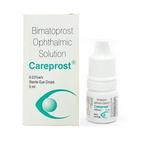
These drops gained immense popularity, demonstrating an incredibly fast and always noticeable result since its application. This innovative means will allow you to give your eyelashes an ideal look, strength and health, in whatever serious condition they are before the moment of its application. It is safe and effective providing amazing results.
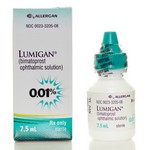
This means is prescribed to reduce eye pressure. Its active ingredient is synthetic prostaglandin bimatoprost – an unsaturated fatty acid, similar in its properties to hormones. Getting into the eye, drops help maintain the balance of the flow and outflow of eye fluid. It is a violation of this balance that leads to an increase in pressure, due to which the blood supply to the eye is impaired and the load on the optic nerve increases.

Bimatoprost reduces IOP in humans by increasing the outflow of aqueous humor through the trabecular meshwork and uveoscleral outflow. IOP reduction begins about 4 hours after the first use. The maximum effect is achieved after about 8–12 hours. The effect lasts for at least 24 hours.
Proper Technique for Putting Eye Drops in
Using eye drops properly is crucial for effective treatment and to avoid any potential complications. Here are some important steps to follow when putting eye drops in:
- Wash your hands thoroughly: Before handling the eye drop bottle, make sure to wash your hands with soap and warm water. This helps to prevent any bacteria or dirt from entering your eyes.
- Tilt your head back: Tilt your head back slightly and look up towards the ceiling. This position allows for easier administration of the eye drops.
- Gently pull down your lower eyelid: Use your index finger to gently pull down your lower eyelid. This creates a small pocket for the eye drops to be instilled.
- Hold the eye drop bottle correctly: Hold the eye drop bottle between your thumb and index finger. Make sure the tip of the bottle does not touch your eye or eyelid, as this can cause contamination.
- Squeeze the bottle: Squeeze the eye drop bottle gently to release one drop into the pocket created by pulling down your lower eyelid. Be careful not to squeeze too hard, as this can result in multiple drops being instilled at once.
- Close your eyes gently: After instilling the eye drop, close your eyes gently and keep them closed for a few seconds. This allows the eye drop to spread evenly over the surface of the eye.
- Wipe away any excess: If there is any excess eye drop on your eyelid or cheek, gently wipe it away with a clean tissue or cotton swab.
- Replace the cap: Make sure to tightly replace the cap on the eye drop bottle to prevent contamination and maintain the effectiveness of the remaining eye drops.
It is important to note that these steps provide a general guideline for using eye drops. Specific instructions may vary depending on the type of eye drops prescribed and the individual’s unique needs. Always follow the instructions provided by your healthcare provider or pharmacist.
Proper Hygiene and Cleanliness
Maintaining proper hygiene and cleanliness while handling eye drop bottles is crucial to prevent contamination and ensure accurate administration. Here are some additional tips:
- Always wash your hands before and after using eye drops.
- Do not touch the tip of the eye drop bottle with your fingers, as this can introduce bacteria.
- Avoid using expired eye drops, as their effectiveness may be compromised.
- Store eye drop bottles according to the instructions provided. Some eye drops may need to be stored in the refrigerator.
- Do not share your eye drops with others, as this can increase the risk of infections or other complications.
By following these guidelines, you can ensure the safe and effective use of eye drops for your eye condition.
Where to Buy Eye Drops: Tips for Finding the Right Retailer
When it comes to purchasing eye drops, there are a variety of options available. It’s important to choose a reputable and reliable retailer to ensure the quality and effectiveness of the product. Here are some tips for finding the right place to buy eye drops:
1. Pharmacies:
- Visit your local pharmacy – chains such as CVS, Walgreens, or Rite Aid typically carry a wide range of eye drops.
- Ask the pharmacist for recommendations based on your specific needs and symptoms.
- Check if your insurance covers any prescription eye drops.
2. Grocery stores:
- Most grocery stores have a health and wellness section that includes over-the-counter eye drops.
- Compare prices and brands to find the best option for you.
3. Online retailers:
- Popular online retailers like Amazon, Walmart, and Target offer a wide selection of eye drops.
- Read customer reviews and ratings to get an idea of the effectiveness of the product.
- Check for any discount or promotional offers that may be available.
4. Optometrists or ophthalmologists:
- If you have a specific eye condition or require prescription eye drops, consult with an eye care specialist.
- They can provide you with recommendations and prescriptions.
- Some eye care clinics may have their own in-house pharmacy where you can purchase the prescribed eye drops.
It’s important to note that while you can find eye drops in various places, it’s essential to choose a reputable retailer. Look for well-known brands and check for the appropriate certifications and approvals on the product packaging.
It’s also a good idea to consider the reputation of the retailer and their customer service. Look for a retailer that offers easy returns or exchanges in case you are unsatisfied with the product.
Remember to always follow the instructions and guidelines provided by the manufacturer or your healthcare professional when using eye drops. If you have any concerns or questions, it’s best to consult with an eye care specialist for personalized advice.
Alternative treatments for blepharitis
If you are seeking alternative treatments for blepharitis, there are several options that you may consider in addition to or instead of using eye drops. While it is important to consult with an eye care specialist before trying any alternative treatments, these options may help alleviate the symptoms of blepharitis:
Natural remedies
Natural remedies can often provide relief for the symptoms of blepharitis. Certain herbs and natural ingredients have anti-inflammatory and antimicrobial properties, which can help reduce redness, swelling, and itching. Some popular natural remedies for blepharitis include:
- Tea tree oil: Tea tree oil has antibacterial properties that can help kill bacteria on the eyelids. It can be diluted with a carrier oil and applied to the eyelids using a cotton swab.
- Coconut oil: Coconut oil is known for its moisturizing properties, which can help soothe dry and irritated eyelids. It can be applied directly to the eyelids using clean fingers.
- Warm compresses: Applying warm compresses to the eyes can help open up the oil glands and improve the flow of oils on the eyelids, reducing the symptoms of blepharitis. Simply soak a clean washcloth in warm water and place it over closed eyelids for a few minutes.
It is important to note that while natural remedies can be effective for some individuals, they may not work for everyone. It is always best to consult with an eye care specialist before trying any new treatment.
Lifestyle changes
In addition to natural remedies, making certain lifestyle changes can also help manage the symptoms of blepharitis. These changes may include:
- Improved hygiene: Ensuring that you keep your eyelids clean and free from debris can help reduce the symptoms of blepharitis. Regularly washing your eyelids with a mild cleanser or baby shampoo can help remove crusts and bacteria.
- Good eyelid hygiene: Using warm compresses and gently massaging your eyelids can help unclog the oil glands and promote better eyelid hygiene.
- Dietary changes: Some research suggests that certain dietary changes, such as reducing inflammation-causing foods, can help improve the symptoms of blepharitis. Incorporating a diet rich in antioxidants, omega-3 fatty acids, and vitamins can help promote eye health.
Again, it is important to discuss any lifestyle changes with an eye care specialist to ensure they are appropriate for your specific condition.
Seeking professional guidance
While natural remedies and lifestyle changes can provide relief for blepharitis symptoms, it is crucial to consult with an eye care specialist before trying any alternative treatments. They can provide personalized advice based on your specific condition and medical history. Additionally, they may recommend other treatment options or combinations of treatments that can be more effective in managing your blepharitis.
It is also worth noting that while alternative treatments can be helpful, there is limited scientific evidence to support their efficacy in treating blepharitis. Therefore, it is essential to rely on professional guidance and avoid disregarding conventional treatments prescribed by your eye care specialist.
Precautions and Considerations for Using Eye Drops for Blepharitis
When using eye drops for the treatment of blepharitis, it is important to be aware of certain precautions and considerations to ensure safe and effective use. These precautions can help minimize the risk of side effects and maximize the benefits of the medication. It is always recommended to consult with an eye care specialist before using any type of eye drops, as they can provide personalized advice based on your specific condition and medical history.
Potential Side Effects
Like any medication, eye drops for blepharitis can have potential side effects. While not everyone may experience these side effects, it is important to be aware of them. Some common side effects of certain eye drops used to treat blepharitis may include:
- Eye irritation or burning
- Dry eyes
- Blurred vision
- Sensitivity to light
- Allergic reactions
If you experience persistent or severe side effects, it is important to stop using the eye drops and consult a healthcare professional for further guidance.
Allergies and Drug Interactions
Some individuals may be allergic to certain ingredients in eye drops, such as preservatives or active ingredients. It is important to carefully read the ingredients list on the packaging and consult with a healthcare professional if you have known allergies. Additionally, if you are using any other medication or have underlying medical conditions, it is important to inform your healthcare professional before starting any new treatment with eye drops.
Proper Administration Techniques
To ensure the effectiveness of the eye drops, it is essential to follow proper administration techniques. Here are some key tips to keep in mind:
- Wash your hands thoroughly before and after administering the eye drops to maintain proper hygiene.
- Make sure the eye drop bottle tip does not touch your eye or any other surfaces to avoid contamination.
- Tilt your head back slightly and pull down your lower eyelid to create a pocket for the eye drops.
- Squeeze the bottle gently to release one drop into the pocket formed by the lower eyelid.
- Blink a few times to distribute the eye drops evenly on the surface of the eye.
- If applying multiple eye drops or different types of eye drops, wait at least 5-10 minutes between each application to allow the previous drops to be absorbed.
Regular Follow-ups and Monitoring
It is important to have regular follow-up appointments with your eye care specialist to monitor the progress of your blepharitis treatment and make any necessary adjustments. They can assess the effectiveness of the eye drops and address any concerns or questions you may have. It is important to adhere to the recommended treatment plan and dosage instructions provided by your healthcare professional.
Remember, the information provided here is for general guidance and does not replace professional medical advice. Always consult with an eye care specialist for personalized guidance and recommendations based on your specific condition and medical history.