Benefits of Using Eye Drops for Inflammation
Using eye drops for inflammation can provide several benefits for individuals suffering from redness, itching, and burning in their eyes. These eye drops work by reducing inflammation and swelling, providing a soothing and moisturizing effect, and preventing further irritation. Here are the main advantages of using eye drops for inflammation:
- Relief from redness, itching, and burning: Eye drops containing anti-inflammatory agents can help alleviate the symptoms of redness, itching, and burning, providing quick relief and comfort to individuals.
- Reduction of inflammation and swelling: Eye drops with anti-inflammatory properties can effectively reduce inflammation and swelling in the eyes, helping to alleviate discomfort and improve vision.
- Soothing and moisturizing effect: Many eye drops for inflammation also have moisturizing ingredients, such as lubricants and tears substitutes, which can provide a soothing effect to dry and irritated eyes.
- Prevention of further irritation: Eye drops for inflammation not only provide immediate relief but also help prevent further irritation by creating a protective barrier on the surface of the eye.
By using eye drops for inflammation, individuals can experience significant relief from their symptoms and improve the overall health and comfort of their eyes.
Vitamin E Eye Drops for Inflammation
Overview of Vitamin E and Its Benefits
Vitamin E is a fat-soluble antioxidant that plays a crucial role in protecting cells from damage caused by free radicals. It has anti-inflammatory properties and is known for its ability to reduce redness, swelling, and itching. Vitamin E also helps in moisturizing and soothing the eyes, making it an excellent ingredient for eye drops targeting inflammation.
How Vitamin E Eye Drops Help with Inflammation
When applied to the eyes, vitamin E eye drops can help alleviate inflammation by reducing oxidative stress and neutralizing free radicals. These eye drops work by moisturizing the ocular surface, improving tear production, and reducing irritation and discomfort.
Vitamin E eye drops also help in promoting tear film stability, which is essential for maintaining healthy eyes and preventing dryness and inflammation. The anti-inflammatory properties of vitamin E can have a soothing effect on the eyes, providing relief from symptoms associated with inflammation.
Possible Side Effects and Precautions
While vitamin E eye drops are generally safe to use, some individuals may experience mild side effects such as temporary stinging or blurred vision. These side effects are usually temporary and should resolve on their own.
It is important to note that individuals with known allergies to vitamin E or any other ingredient in the eye drops should avoid using them. Additionally, if you experience any persistent or severe side effects, it is crucial to seek medical attention immediately.
Recommended Brands and Products
There are several reputable brands that offer vitamin E eye drops for inflammation. One popular brand is Bausch + Lomb, which offers a range of eye drops containing vitamin E, such as Bausch + Lomb Advanced Eye Relief Dry Eye Rejuvenation Lubricant Eye Drops.
Another option is PreserVision Eye Vitamin and Mineral Supplement, which is not specifically marketed as eye drops but contains vitamin E along with other beneficial nutrients for eye health.
When choosing vitamin E eye drops, it is essential to read the labels carefully, pay attention to the concentration of vitamin E, and ensure that the product is suitable for your specific needs.
Note: It is always recommended to consult with a healthcare professional or an eye specialist before starting any new eye drop regimen, especially if you have pre-existing eye conditions or are on other medications.
Steroid Eye Drops for Ocular Rosacea
Ocular rosacea is a chronic inflammatory condition that affects the eyes, causing symptoms such as redness, dryness, itching, and burning. It is often associated with skin rosacea, a condition that leads to facial redness and pimple-like bumps. While there is no cure for ocular rosacea, various treatment options, including steroid eye drops, can help manage the symptoms and provide relief.
Understanding Ocular Rosacea and Its Symptoms
Ocular rosacea is a subtype of rosacea that primarily affects the eyes. It is estimated to affect up to 58% of individuals with skin rosacea. The exact cause of ocular rosacea is still unknown, but it is believed to be related to an abnormal immune response and inflammation in the eyelids and eyes.
The symptoms of ocular rosacea can vary from person to person but often include redness, dryness, a gritty sensation, itching, burning, and sensitivity to light. In some cases, individuals may also experience blurred vision and the growth of blood vessels on the white part of the eye.
How Steroid Eye Drops Work for Ocular Rosacea
Steroid eye drops, also known as corticosteroid eye drops, are commonly prescribed to manage the inflammation associated with ocular rosacea. These eye drops work by reducing the immune response and suppressing the inflammatory processes in the eyes.
Steroid eye drops are powerful anti-inflammatory medications that can provide rapid relief from symptoms, such as redness and itching. They help to reduce the swelling of blood vessels and alleviate the discomfort caused by ocular rosacea.
Potential Side Effects and Risks of Long-Term Use
While steroid eye drops can provide effective relief for ocular rosacea, they are not without potential side effects and risks. Prolonged use of steroid eye drops can lead to complications such as increased intraocular pressure, cataracts, and secondary infections. These side effects are more common in individuals who use steroid eye drops for an extended period or in high doses.
Therefore, it is crucial to follow a healthcare professional’s guidance and monitor the usage of steroid eye drops for ocular rosacea. Regular eye examinations and discussions with an eye care specialist can help ensure the proper management of symptoms while minimizing the risks associated with long-term use.
Importance of Consulting a Healthcare Professional
If you suspect you have ocular rosacea or are experiencing persistent eye symptoms, it is important to consult a healthcare professional, preferably an ophthalmologist or optometrist, for an accurate diagnosis and appropriate treatment plan. These professionals can assess your condition, determine the severity of your symptoms, and recommend suitable steroid eye drops or other treatment options based on your unique needs.
It is worth noting that self-medication without professional advice can lead to potential complications and may not effectively address the underlying causes of ocular rosacea.
In conclusion, steroid eye drops for ocular rosacea can offer relief from symptoms and help manage inflammation. However, it is essential to use them under the guidance of a healthcare professional to minimize the risks of long-term use. Early diagnosis and appropriate treatment can significantly improve the quality of life for individuals with ocular rosacea.

Bimat eye drops are used to treat hypotrichosis, short, weak eyelashes. Bimat increases the length, thickness and enhances the color of eyelashes. These substances are also used to lower intraocular pressure in patients with a diagnosis of glaucoma. By reducing the pressure, the risk of blindness is significantly decreased.
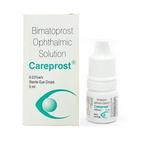
These drops gained immense popularity, demonstrating an incredibly fast and always noticeable result since its application. This innovative means will allow you to give your eyelashes an ideal look, strength and health, in whatever serious condition they are before the moment of its application. It is safe and effective providing amazing results.
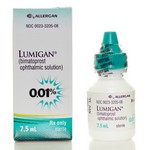
This means is prescribed to reduce eye pressure. Its active ingredient is synthetic prostaglandin bimatoprost – an unsaturated fatty acid, similar in its properties to hormones. Getting into the eye, drops help maintain the balance of the flow and outflow of eye fluid. It is a violation of this balance that leads to an increase in pressure, due to which the blood supply to the eye is impaired and the load on the optic nerve increases.

Bimatoprost reduces IOP in humans by increasing the outflow of aqueous humor through the trabecular meshwork and uveoscleral outflow. IOP reduction begins about 4 hours after the first use. The maximum effect is achieved after about 8–12 hours. The effect lasts for at least 24 hours.
Fluca Eye Drops for Inflammation
Fluca eye drops are a popular over-the-counter medication used to treat inflammation of the eyes. These drops contain a combination of active ingredients that work together to alleviate redness, itching, burning, and other symptoms associated with eye inflammation.
Introduction to Fluca Eye Drops
Fluca eye drops are formulated with a unique composition of active ingredients, including flurbiprofen sodium, chlorpheniramine maleate, and tetrahydrozoline hydrochloride. These ingredients work synergistically to reduce inflammation, relieve allergic reactions, and provide soothing relief.
How Fluca Eye Drops Alleviate Inflammation
The active ingredient flurbiprofen sodium is a nonsteroidal anti-inflammatory drug (NSAID) that helps to reduce inflammation in the eyes. It works by blocking the production of certain chemicals in the body that cause inflammation and pain.
Chlorpheniramine maleate is an antihistamine that helps to relieve allergic reactions, such as itching and redness. It works by blocking the action of histamine, a substance that is released in response to allergens and causes allergic symptoms.
Tetrahydrozoline hydrochloride is a vasoconstrictor that helps to reduce redness by constricting the blood vessels in the eyes. This reduces the amount of blood flow to the eyes and helps to alleviate redness and swelling.
Precautions for Usage and Potential Side Effects
While Fluca eye drops are generally safe and effective, it is important to use them according to the instructions provided and to follow any precautions or warnings listed on the packaging. Some general precautions to keep in mind include:
- Avoid touching the dropper tip to any surface to prevent contamination
- Do not wear contact lenses while using the eye drops unless directed by a healthcare professional
- Do not use the eye drops if you have glaucoma or other serious eye conditions without consulting a healthcare professional first
As with any medication, there is a potential for side effects. Common side effects of Fluca eye drops may include temporary stinging or burning sensation, blurred vision, dryness, or increased sensitivity to light.
Recommendations for Individuals with Specific Conditions
If you have certain medical conditions or are taking certain medications, it is important to consult with your healthcare professional before using Fluca eye drops. This is especially important if you have a history of eye problems, are pregnant or breastfeeding, or have underlying health conditions.
Individuals with dry eyes, contact lens wearers, or those with allergies can also benefit from Fluca eye drops. However, it is always a good idea to consult with a healthcare professional to ensure that the product is suitable for your specific needs.
Overall, Fluca eye drops are a reliable option for relieving inflammation and symptoms associated with eye allergies and irritations. However, individual experiences and results may vary, so it is always a good idea to consult with a healthcare professional for personalized advice and recommendations.
TheraTears Dry Eye Therapy – Lubricant Eye Drops
TheraTears Dry Eye Therapy is a popular brand of lubricant eye drops that is commonly used to provide relief for dry eyes and inflammation. These eye drops have several key features and ingredients that make them effective in alleviating symptoms and promoting eye comfort.
Overview of TheraTears Dry Eye Therapy
TheraTears Dry Eye Therapy is specifically formulated to mimic natural tears and provide long-lasting relief for dry eyes. It is designed to lubricate the eyes and create a protective barrier that helps retain moisture. These eye drops can also help reduce inflammation and soothe any discomfort or irritation in the eyes.
How TheraTears Dry Eye Therapy Works
TheraTears Dry Eye Therapy contains a unique blend of ingredients that work together to provide relief and promote eye health. The key ingredients include:
- Sodium carboxymethylcellulose (CMC): This ingredient acts as a lubricant and helps retain moisture in the eyes.
- Electrolytes: TheraTears eye drops contain electrolytes, such as potassium, sodium, and calcium, which help restore the natural balance of tears.
- Hypromellose: This ingredient is a viscosity-enhancing agent that helps the eye drops stay on the surface of the eye for longer.
When applied, TheraTears Dry Eye Therapy eye drops help replenish moisture, reduce inflammation, and provide a protective coating on the surface of the eyes. This helps relieve symptoms such as dryness, itching, burning, and redness.
Proper Usage and Recommended Frequency
To use TheraTears Dry Eye Therapy eye drops, follow these steps:
- Wash your hands thoroughly before applying the eye drops.
- Tilt your head back and pull down your lower eyelid to create a small pocket.
- Squeeze the prescribed number of drops into the pocket created by your lower eyelid. Follow the dosage instructions recommended by your healthcare professional or the instructions on the product packaging.
- Close your eyes gently and blink a few times to spread the eye drops evenly across the surface of the eyes.
- Wipe away any excess liquid with a clean tissue.
The frequency of use may vary depending on the severity of your symptoms and the recommendations of your healthcare professional. It is generally recommended to use TheraTears Dry Eye Therapy eye drops as needed throughout the day or as directed by your doctor.
TheraTears Dry Eye Therapy eye drops are suitable for use with contact lenses. However, it is advised to consult with an eye care professional before using any eye drops with contact lenses.
Conclusion
TheraTears Dry Eye Therapy eye drops are a trusted and effective option for individuals experiencing dry eyes and inflammation. Their unique formulation and moisturizing properties make them suitable for long-lasting relief and eye comfort. It is important to carefully follow the usage instructions and consult with a healthcare professional for proper diagnosis and treatment of any eye conditions.
Tips for Choosing the Right Eye Drops for Inflammation
When it comes to choosing the right eye drops for inflammation, there are a few important factors to consider. By understanding the cause of the inflammation, reading labels, considering personal preferences, and seeking professional advice if needed, you can find the most suitable eye drops for your specific needs.
- Understanding the cause of the inflammation: Before selecting eye drops, it’s essential to determine the underlying cause of the inflammation. It could be due to allergies, dry eyes, ocular rosacea, or other factors. Identifying the root cause can help you choose eye drops that target and alleviate the specific issue effectively.
- Reading labels and identifying key ingredients: When selecting eye drops, carefully read the labels to understand the active ingredients. Look for ingredients that are known to target inflammation, redness, and itching. Some common ingredients to look for include antihistamines, lubricants, and vasoconstrictors. Checking for preservatives and their effects is also crucial, especially if you have sensitivities or wear contact lenses.
- Considering personal preferences and sensitivities: Individuals may have personal preferences or sensitivities when it comes to using eye drops. Some people may prefer preservative-free options, while others may have specific requirements for allergies or other conditions. Considering your personal preferences and any specific sensitivities you have can help you narrow down the options and find the most suitable eye drops.
- Seeking professional advice if needed: If you have underlying medical conditions or are unsure about the best eye drops for your situation, it’s crucial to consult a healthcare professional. They can provide personalized recommendations based on your specific needs, and help you navigate any potential interactions or contraindications with other medications you may be taking.
By following these tips, you can choose the right eye drops for inflammation that effectively target your specific condition. Remember to always follow the usage instructions and recommended dosage for optimal results and to minimize the risk of side effects.
For more information and authoritative sources, you can visit medical websites such as Mayo Clinic (https://www.mayoclinic.org) or the American Academy of Ophthalmology (https://www.aao.org). These sources provide detailed information on various eye conditions, treatment options, and eye drop recommendations based on scientific research and medical expertise.
Precautions and Potential Side Effects of Eye Drops for Inflammation
Eye drops for inflammation are generally safe to use when used according to the instructions provided. However, it is important to be aware of the potential side effects and take necessary precautions to ensure the best possible outcome. Here are some important factors to consider:
Common Side Effects
Some common side effects of eye drops for inflammation may include:
- Stinging or burning sensation upon application
- Temporary blurred vision
- Increased sensitivity to light
- Minor eye discomfort or irritation
These side effects are usually mild and temporary, and they typically resolve on their own without any further complications. If any severe or persistent side effects occur, it is advisable to discontinue use and consult a healthcare professional.
Precautions for Individuals with Certain Medical Conditions
While eye drops for inflammation are generally safe for most individuals, certain medical conditions may require additional precautions or medical supervision. It is important to seek advice from a healthcare professional if you have:
- Known allergies or sensitivities to any specific medications or ingredients
- Glaucoma or increased intraocular pressure
- Existing eye infections or injuries
- Diabetes or other systemic medical conditions
- Pregnancy or breastfeeding
- Underlying autoimmune disorders
These conditions may require specialized treatment or a different approach to managing inflammation. A healthcare professional can provide personalized guidance based on individual circumstances.
Importance of Following Usage Instructions and Recommended Dosage
To ensure the safe and effective use of eye drops for inflammation, it is important to carefully read and follow the usage instructions provided by the manufacturer. The recommended dosage, frequency of use, and duration of treatment may vary depending on the specific product.
Exceeding the recommended dosage or prolonged use without medical supervision can increase the risk of adverse effects. It is important to strictly adhere to the guidelines to avoid potential complications.
When to Seek Medical Attention if Side Effects Persist
If any side effects persist or worsen, it is important to seek medical attention. Additionally, if new or severe symptoms arise after using eye drops for inflammation, it is advisable to consult a healthcare professional.
It is essential to remember that every individual may respond differently to medications, and what works for one person may not work for another. If any concerns or uncertainties arise regarding the use of eye drops for inflammation, seeking professional guidance is the best course of action.
By exercising caution, following the instructions, and seeking advice when needed, individuals can safely manage their eye inflammation and improve their ocular health.