How long do lubricating eye drops last?
When it comes to lubricating eye drops, their longevity can vary depending on several factors. It’s important to be aware of the shelf life of your eye drops, as using expired or ineffective drops can potentially worsen your eye condition. Here’s what you need to know about the shelf life of lubricating eye drops:
Shelf life of lubricating eye drops
The shelf life of lubricating eye drops is usually indicated on the product packaging. Most eye drops have an expiration date printed on them, which indicates the date by which the manufacturer guarantees the product’s effectiveness and safety.
Typically, lubricating eye drops have a shelf life of about one to three years from the date of manufacture. However, it’s important to note that once you open a bottle of eye drops, the shelf life may be significantly shorter.
Factors that can affect the longevity of eye drops
Several factors can impact the longevity of lubricating eye drops:
- Exposure to air and contaminants: Once you open a bottle of eye drops, it becomes exposed to air and potential contaminants, such as bacteria. This can accelerate the degradation of the active ingredients and decrease the effectiveness of the drops.
- Proper storage: Storing eye drops in a cool, dry place away from direct sunlight can help maintain their effectiveness for longer. Exposing the drops to extreme temperatures or humidity can negatively affect their shelf life.
- Preservatives: Some lubricating eye drops contain preservatives to prevent bacterial growth and prolong their shelf life. However, preservatives can also break down over time, affecting the efficacy of the drops.
Best practices for storing and using eye drops
To maximize the effectiveness and shelf life of your lubricating eye drops, follow these best practices:
- Check the expiration date: Before using any eye drops, check the expiration date on the packaging. Do not use eye drops that are past their expiration date.
- Keep the bottle tightly closed: After using eye drops, make sure to close the bottle tightly to minimize exposure to air and contaminants.
- Store at the appropriate temperature: Follow the storage instructions provided by the manufacturer. Generally, it is recommended to store eye drops at room temperature, away from direct sunlight and extreme temperatures.
- Avoid touching the dropper tip: Touching the dropper tip to your eye or any other surface can contaminate the eye drops. To prevent this, avoid touching the dropper tip with your fingers or any other objects.
- Discard expired or contaminated eye drops: If you notice any changes in the color, consistency, or odor of your eye drops, it’s best to discard them and consult a healthcare professional for a replacement.
By following these best practices, you can ensure that your lubricating eye drops remain effective and safe for use, helping to alleviate dryness and discomfort in your eyes.
What to Do if You Don’t Have Eye Drops
When you’re experiencing dryness or discomfort in your eyes, lubricating eye drops can provide relief. However, what should you do if you don’t have eye drops readily available? Here are some alternative options to consider:
Natural Remedies
If you don’t have eye drops on hand, there are natural remedies that can help alleviate dryness and provide temporary relief:
- Warm Compress: Applying a warm compress to your closed eyes can help soothe dryness and promote tear production.
- Blinking Exercises: Regularly blinking your eyes can help spread tears over the surface of your eyes, providing moisture.
- Hydration: Drinking plenty of water and staying hydrated can help prevent dryness in your eyes.
- Omega-3 Fatty Acids: Consuming foods rich in omega-3 fatty acids, such as salmon or flaxseed, can help improve eye lubrication.
Over-the-Counter Eye Gels or Ointments
If you’re unable to find lubricating eye drops, over-the-counter eye gels or ointments can be a suitable alternative. These products provide longer-lasting relief as they create a protective barrier on the surface of the eyes. However, it’s important to follow the instructions on the packaging and consult a healthcare professional if you have any underlying eye conditions or if symptoms persist.
Prescription Eye Drops
If your eye dryness is chronic or severe, it may be necessary to consult with an eye care professional who can prescribe specific eye drops tailored to your needs. Prescription eye drops are designed to address specific eye conditions and may provide more targeted and long-term relief.
It’s important to note that while these alternatives can provide temporary relief, they may not provide the same level of lubrication as dedicated lubricating eye drops. Therefore, it’s always recommended to have a supply of eye drops on hand for immediate and effective relief when needed.
Systane Eye Drops Customer Service
Systane is a well-known brand that offers a range of lubricating eye drops to help provide relief from dryness and irritation in the eyes. Along with their high-quality products, Systane also offers customer service support to assist with any inquiries or issues that customers may have.
Contacting Systane Customer Service
If you have any questions or need support regarding Systane eye drops, you can reach their customer service team through various channels:
- Phone: Systane provides a customer service hotline that customers can call to speak directly with a representative. The phone number for customer support can usually be found on the Systane product packaging or their official website.
- Email: Another option is to send an email inquiry to the Systane customer service team. The email address is typically provided on their website or product packaging.
- Online Contact Form: Systane may also have an online contact form available on their website. Customers can fill out this form with their questions or concerns, and the Systane team will respond via email.
It is important to note that the specific contact methods may vary depending on your location and the availability of customer service resources.
Response Time and Customer Satisfaction
While response times can vary, Systane strives to provide timely and helpful responses to customer inquiries. Keep in mind that response times may be longer during peak periods or if there is a high volume of customer inquiries.
Customer satisfaction ratings for Systane eye drops and their customer service support are generally positive. Many customers report receiving helpful and informative responses to their inquiries, and the Systane team is known for addressing concerns effectively.
Additional Resources
If you prefer to explore more information about Systane eye drops before contacting customer service, you can visit their official website or consult professional healthcare websites. These sources can provide additional details about the specific eye drops, common usage instructions, and potential side effects.
By reaching out to Systane customer service, you can gain valuable assistance with any concerns or questions you may have about their eye drops. Remember to follow the instructions provided by Systane and consult with a healthcare professional if you have persistent eye symptoms.

Bimat eye drops are used to treat hypotrichosis, short, weak eyelashes. Bimat increases the length, thickness and enhances the color of eyelashes. These substances are also used to lower intraocular pressure in patients with a diagnosis of glaucoma. By reducing the pressure, the risk of blindness is significantly decreased.
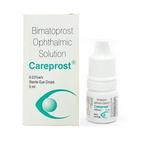
These drops gained immense popularity, demonstrating an incredibly fast and always noticeable result since its application. This innovative means will allow you to give your eyelashes an ideal look, strength and health, in whatever serious condition they are before the moment of its application. It is safe and effective providing amazing results.
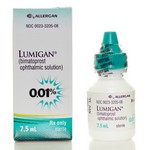
This means is prescribed to reduce eye pressure. Its active ingredient is synthetic prostaglandin bimatoprost – an unsaturated fatty acid, similar in its properties to hormones. Getting into the eye, drops help maintain the balance of the flow and outflow of eye fluid. It is a violation of this balance that leads to an increase in pressure, due to which the blood supply to the eye is impaired and the load on the optic nerve increases.

Bimatoprost reduces IOP in humans by increasing the outflow of aqueous humor through the trabecular meshwork and uveoscleral outflow. IOP reduction begins about 4 hours after the first use. The maximum effect is achieved after about 8–12 hours. The effect lasts for at least 24 hours.
Understanding the Risks of Using Blood Red Eye Drops
When it comes to eye drops, there are various types available to address different eye conditions. One type that has gained attention in recent years is blood red eye drops. These drops are known for their striking red color and are often used for cosmetic or decorative purposes.
It’s important to note that blood red eye drops are not medically approved for the treatment of any eye condition. Their primary purpose is purely aesthetic, and they are used to create a dramatic or unique appearance in the eyes.
Despite their popularity, there are potential risks and side effects associated with using blood red eye drops. One of the main concerns is that these drops can cause eye irritation and discomfort. The red pigment used in these drops may not be intended for use in the eye, and its contact with the delicate tissues of the eye may lead to inflammation or allergic reactions.
Additionally, improper use or misuse of blood red eye drops can increase the risk of eye infections. If the drops are contaminated or if the eye is exposed to unsanitary conditions during application, it can lead to bacterial or fungal infections. These infections can cause symptoms such as redness, swelling, pain, discharge, and even vision loss if left untreated.
To ensure the safety of your eyes, it is crucial to consult with an eye care professional before using blood red eye drops. They can provide guidance on the potential risks and help you make an informed decision about whether or not to use these drops. They may also recommend alternative products that are specifically designed to be safe for use in the eyes.
While blood red eye drops may seem appealing for their unique aesthetic effect, it’s important to prioritize the health and safety of your eyes. Always consult with a professional and follow their recommendations to avoid any potential risks or complications.
Benefits and features of high-quality lubricating eye drops
Using lubricating eye drops can provide numerous benefits and alleviate discomfort associated with dry eyes. Here are some of the key benefits and features to look for in high-quality lubricating eye drops:
1. Moisturizing: High-quality lubricating eye drops are designed to provide long-lasting moisture to the eyes, relieving dryness and discomfort. They contain ingredients that mimic natural tears, providing instant relief and soothing dry, irritated eyes.
2. Lubrication: These eye drops are formulated to lubricate the ocular surface, reducing friction and easing any dryness-related discomfort. They help to eliminate the sensation of grittiness or foreign body presence in the eyes.
3. Redness relief: Some lubricating eye drops are specifically formulated to reduce redness in the eyes caused by environmental factors or eye strain. They contain ingredients that help constrict blood vessels in the eyes, resulting in whiter and more vibrant-looking eyes.
4. Allergy relief: High-quality lubricating eye drops often have antihistamine properties, making them effective in relieving itching and irritation caused by allergies. They can help reduce the redness and itchiness associated with allergic reactions.
5. Contact lens compatibility: Many lubricating eye drops are suitable for use with contact lenses. They are designed to be compatible with various types of contact lenses, including soft and rigid gas permeable lenses. These eye drops provide relief for contact lens wearers who experience dryness or discomfort.
6. Preservative-free options: Some individuals may have sensitivities or allergies to preservatives commonly found in eye drops. High-quality lubricating eye drops offer preservative-free options, reducing the risk of adverse reactions and making them suitable for people with sensitive eyes.
7. Convenient packaging: Many high-quality lubricating eye drops are available in individual, single-use vials. This packaging ensures the sterility of the eye drops and allows for easy application on-the-go. Some eye drops also come in larger, multi-dose bottles for longer-term use.
Recommended eye drop brands: According to customer reviews and ratings, some popular and highly recommended high-quality lubricating eye drop brands include:
- Systane: Known for their wide range of lubricating eye drops suitable for different eye conditions and symptoms.
- Soothe: Offers advanced lubricating eye drops that provide long-lasting relief for dry eyes.
- Refresh: Provides a variety of lubricating eye drops designed to relieve dryness and discomfort.
- Rohto: Known for their cooling and refreshing lubricating eye drops that provide relief for dry, tired eyes.
Overall, high-quality lubricating eye drops can effectively moisturize, lubricate, and provide relief for various eye conditions. It is important to select the right eye drops based on individual needs and consult with an eye care professional for proper guidance and recommendations.
References:
– Systane: https://www.systane.com/
– Soothe Eye Drops: https://www.bausch.com/our-products/lens-care/lens-lubricant-eye-drops/soothe-eye-drops
– Refresh: https://www.refreshbrand.com/
– Rohto Eye Drops: https://www.rohtoeyedrops.com/
Eye Drop Alternatives for Specific Eye Conditions
When it comes to managing specific eye conditions, there are several alternatives to traditional lubricating eye drops that can provide targeted relief. These alternatives can be used alongside or instead of eye drops, depending on individual needs and preferences.
Allergies
Allergic reactions in the eyes can cause redness, itching, and tearing. In addition to lubricating eye drops, there are a few alternative options to consider:
| Alternative | Description |
|---|---|
| Allergy eye drops | Specifically formulated to relieve symptoms associated with allergies, these drops contain antihistamines or mast cell stabilizers. |
| Oral antihistamines | Taking over-the-counter or prescription oral antihistamines can help reduce systemic allergy symptoms, including those affecting the eyes. |
| Cool compress | Placing a cool compress or washcloth over the eyes can temporarily alleviate itching and redness. |
Note: It’s important to consult with a healthcare professional before starting any new medication or treatment.
Redness
Redness in the eyes can be caused by a variety of factors, including dryness, irritation, or inflammation. In addition to lubricating eye drops, here are some alternatives to consider:
| Alternative | Description |
|---|---|
| Redness relief eye drops | These eye drops are specifically formulated to reduce redness in the eyes. They work by constricting the blood vessels, temporarily reducing redness. |
| Prescription medications | In cases where redness is persistent or caused by an underlying condition, a doctor may prescribe medications to address the root cause. |
Dryness
Dry eyes can be uncomfortable and may cause burning, itching, and blurred vision. Alongside lubricating eye drops, here are some alternatives to consider for managing dryness:
| Alternative | Description |
|---|---|
| Punctal plugs | A more long-term solution, punctal plugs are tiny devices that are inserted into the tear ducts to block drainage and increase tear retention. |
| Humidifier | Using a humidifier in the room can help add moisture to the air, reducing dryness and improving overall eye comfort. |
| Blinking exercises | Regularly blinking consciously can help maintain tear film distribution and reduce dryness. |
It’s important to remember that the appropriate alternative for a particular eye condition may vary depending on the severity and underlying cause. Consulting with an eye care professional is always recommended to determine the best course of action.
Tips for Proper Eye Drop Usage and Care
Step-by-Step Instructions for Using Eye Drops Correctly:
- Wash your hands thoroughly with soap and water before handling the eye drops.
- Remove the cap from the eye drop bottle.
- Tilt your head back slightly and look up at the ceiling.
- Gently pull down your lower eyelid to create a small pocket.
- Using your other hand, hold the eye drop bottle above your eye and squeeze one drop into the pocket created by your lower eyelid.
- Avoid touching your eye or eyelashes with the dropper tip to prevent contamination.
- Release your lower eyelid and close your eye gently.
- Press your index finger against the inner corner of your eye (near the nose) for about one minute to prevent the eye drops from draining into the tear duct and being absorbed systemically.
- Wipe away any excess eye drop solution with a clean tissue.
- Replace the cap on the eye drop bottle, making sure it is tightly closed.
Common Mistakes to Avoid When Using Eye Drops:
- Using expired eye drops: Always check the expiration date on the eye drop bottle and discard any drops that have expired.
- Sharing eye drops: Do not share your eye drops with others to avoid the risk of spreading infections.
- Touching the dropper tip: Touching the dropper tip to any surface, including your eye or eyelashes, can introduce bacteria into the bottle and increase the risk of infection. Avoid touching the tip at all costs.
- Using contaminated droppers: If the dropper tip touches anything other than your eye, it may become contaminated. Make sure to clean the dropper tip with a sterile wipe before using it again.
- Skipping doses: For the best results, use your eye drops as prescribed by your healthcare professional. Skipping doses can lead to inadequate treatment and potential worsening of your eye condition.
Best Practices for Storing and Maintaining Eye Drops:
- Store your eye drops in a cool, dry place away from direct sunlight and heat sources. Avoid placing them in the bathroom, as the humidity can affect their effectiveness.
- Do not freeze your eye drops, as extreme temperatures can alter their properties.
- Check the packaging for specific storage instructions, as some eye drops may require refrigeration.
- Keep the cap tightly closed to prevent contamination.
- Do not use eye drops that have changed in color, consistency, or odor, as these may indicate a compromised product.
It is important to note that these instructions and tips are general guidelines and may vary depending on the specific eye drop product and your healthcare professional’s recommendations. Always consult your healthcare professional or read the instructions provided with your eye drop product for specific usage and storage information.
For more information on proper eye drop usage and care, you can refer to reputable sources such as the American Academy of Ophthalmology (https://www.aao.org/) or consult with your eye care professional.