Overview of antihistamine eye drops
Allergies can cause discomfort and irritation, especially when they affect the eyes. Antihistamine eye drops are a popular solution for relieving symptoms of eye allergies. These eye drops work by blocking the effect of histamine, a chemical released by the immune system during an allergic reaction, which leads to symptoms like itching, redness, and irritation.
Antihistamine eye drops are particularly important for individuals who suffer from allergies, as they specifically target and soothe symptoms in the eyes. While other allergy medications such as oral antihistamines or nasal sprays can also help with overall allergy symptoms, antihistamine eye drops offer more immediate and targeted relief for eye-related symptoms.
There are several popular brands of antihistamine eye drops available on the market, including Zaditor, Alaway, and Claritin Eye. These brands contain different active ingredients, but they all work to provide relief from eye allergy symptoms.
Benefits of Using Antihistamine Eye Drops
Using antihistamine eye drops provides several benefits for individuals who suffer from allergies in their eyes:
1. Relief of Symptoms
Antihistamine eye drops are specifically designed to provide relief from itchiness, redness, and irritation in the eyes caused by allergies. They work by blocking the action of histamine, a chemical released by the body in response to allergens. By reducing histamine levels, antihistamine eye drops can alleviate uncomfortable symptoms and provide quick relief.
2. Reduction of Allergic Reactions in the Eyes
Antihistamine eye drops not only provide relief from current symptoms but also help to prevent future allergic reactions in the eyes. By blocking histamine, they can minimize the body’s immune response to allergens, reducing inflammation and preventing symptoms from worsening or spreading to other areas of the body.
3. Improved Comfort and Quality of Life
For individuals with eye allergies, relief from symptoms can significantly improve their overall comfort and quality of life. Itchy, red, and irritated eyes can cause significant discomfort and affect daily activities such as reading, driving, or working on a computer. Using antihistamine eye drops can help individuals with eye allergies to feel more comfortable and enjoy their regular activities without constant irritation or distraction.
4. Prevention of Worsening Symptoms
Using antihistamine eye drops at the first signs of allergy symptoms can help prevent them from worsening. By blocking histamine and reducing inflammation, these eye drops can stop the allergic response in its tracks and prevent symptoms from becoming more severe or spreading to other parts of the eye or body.
In summary, antihistamine eye drops offer relief from symptoms, reduce allergic reactions, improve comfort and quality of life, and prevent symptoms from worsening. They are an essential tool for individuals with eye allergies to manage their condition effectively.
Types of Antihistamine Eye Drops
Prescription vs. Over-the-Counter Options
Antihistamine eye drops are available in both prescription and over-the-counter options. Prescription eye drops are typically stronger and may be recommended for individuals with more severe or chronic allergies. They may also be prescribed if over-the-counter options have not provided sufficient relief. It is important to consult with a healthcare professional before using prescription eye drops.
Over-the-counter antihistamine eye drops can be purchased without a prescription. They are generally milder and may be suitable for individuals with mild to moderate allergies. Over-the-counter eye drops are convenient and readily available, but it is still advisable to consult with a healthcare professional to ensure appropriate usage.
Different Formulations
Antihistamine eye drops come in different formulations to suit individual needs. Some common formulations include:
- Single-Use Vials: These are small vials that contain a pre-measured dose of eye drops. They are designed for one-time use, eliminating the need for preservatives and reducing the risk of contamination. Single-use vials are convenient for individuals on the go or for those who prefer the freshness of a new vial each time.
- Multi-dose Bottles: These eye drops are typically packaged in larger bottles with a built-in dropper or applicator. They contain multiple doses and often include preservatives to maintain their shelf life. Multi-dose bottles are suitable for individuals who require frequent usage or who prefer the convenience of a larger supply.
- Ointments: Antihistamine eye ointments are thicker in consistency and provide longer-lasting relief. They are often recommended for individuals with chronic or severe eye allergies. Ointments may cause temporary blurring of vision, so they are usually applied before bedtime.
Specific Ingredients
Antihistamine eye drops may contain various ingredients, including:
- Antihistamines: These are the main ingredients that block the effects of histamine, a substance that triggers allergic reactions. Common antihistamines found in eye drops include azelastine, ketotifen, and olopatadine.
- Mast Cell Stabilizers: These ingredients prevent the release of histamine and other inflammatory chemicals. They are often recommended for individuals with chronic allergies. Examples of mast cell stabilizers found in eye drops include cromolyn sodium and lodoxamide.
- Vasoconstrictors: These ingredients help reduce redness by constricting blood vessels in the eyes. However, prolonged use of vasoconstrictors can lead to rebound redness. Common vasoconstrictors found in eye drops include naphazoline and tetrahydrozoline.
It is important to carefully read the product label and consult with a healthcare professional to determine the most appropriate antihistamine eye drops based on individual needs and symptoms.

Bimat eye drops are used to treat hypotrichosis, short, weak eyelashes. Bimat increases the length, thickness and enhances the color of eyelashes. These substances are also used to lower intraocular pressure in patients with a diagnosis of glaucoma. By reducing the pressure, the risk of blindness is significantly decreased.
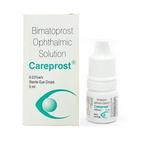
These drops gained immense popularity, demonstrating an incredibly fast and always noticeable result since its application. This innovative means will allow you to give your eyelashes an ideal look, strength and health, in whatever serious condition they are before the moment of its application. It is safe and effective providing amazing results.
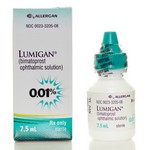
This means is prescribed to reduce eye pressure. Its active ingredient is synthetic prostaglandin bimatoprost – an unsaturated fatty acid, similar in its properties to hormones. Getting into the eye, drops help maintain the balance of the flow and outflow of eye fluid. It is a violation of this balance that leads to an increase in pressure, due to which the blood supply to the eye is impaired and the load on the optic nerve increases.

Bimatoprost reduces IOP in humans by increasing the outflow of aqueous humor through the trabecular meshwork and uveoscleral outflow. IOP reduction begins about 4 hours after the first use. The maximum effect is achieved after about 8–12 hours. The effect lasts for at least 24 hours.
Best Antihistamine Eye Drops for Different Purposes
When it comes to choosing the best antihistamine eye drops, it’s important to consider your specific symptoms and needs. Different eye drops may be more effective for certain purposes, such as relieving itching, reducing redness, or accommodating sensitive eyes. Here are some top recommendations for each:
Relieving Itching:
1. Zaditor Eye Drops: Zaditor is an over-the-counter antihistamine eye drop that contains ketotifen. It effectively relieves itching caused by allergies and provides long-lasting relief. Zaditor is suitable for adults and children aged 3 years and older. (Source: [Zaditor website](https://www.zaditoreye.com/))
2. Alaway Eye Drops: Alaway is another popular over-the-counter option. It contains the active ingredient ketotifen fumarate, which helps reduce itching caused by allergens. Alaway is safe for use in adults and children aged 3 years and older. (Source: [Alaway website](https://www.alaway.com/))
Reducing Redness:
1. Visine-A Eye Drops: Visine-A is a trusted brand that offers relief from redness and itching caused by allergies. It contains the active ingredients naphazoline hydrochloride and pheniramine maleate. These ingredients work together to alleviate redness and provide soothing comfort. (Source: [Visine website](https://www.visine.com/))
2. Opcon-A Eye Drops: Opcon-A is another widely used eye drop that effectively reduces redness and relieves itching caused by allergens. It contains the active ingredients naphazoline hydrochloride and pheniramine maleate, which provide fast and long-lasting relief. (Source: [Opcon-A website](https://www.opcon-a.com/))
Sensitive Eyes:
1. Similasan Allergy Eye Relief Drops: Similasan offers a range of eye drops specifically formulated for individuals with sensitive eyes. Their Allergy Eye Relief Drops provide gentle and effective relief from itching, burning, and watering caused by allergies. Similasan eye drops are homeopathic and contain natural active ingredients. (Source: [Similasan website](https://www.similasanusa.com/))
2. Systane Zaditor Eye Drops: Systane Zaditor is a combination eye drop that provides both antihistamine relief and long-lasting moisturization. It is suitable for individuals with dry, itchy, and sensitive eyes. Systane Zaditor helps relieve allergy symptoms while protecting and hydrating the eyes. (Source: [Systane website](https://www.systane.com/))
It’s important to note that these are just a few examples of popular antihistamine eye drops available on the market. Always consult with your eye care professional or pharmacist to determine the best option for your specific needs.
References:
– Zaditor website: [https://www.zaditoreye.com/](https://www.zaditoreye.com/)
– Alaway website: [https://www.alaway.com/](https://www.alaway.com/)
– Visine website: [https://www.visine.com/](https://www.visine.com/)
– Opcon-A website: [https://www.opcon-a.com/](https://www.opcon-a.com/)
– Similasan website: [https://www.similasanusa.com/](https://www.similasanusa.com/)
– Systane website: [https://www.systane.com/](https://www.systane.com/)
Price Range of Antihistamine Eye Drops
When it comes to purchasing antihistamine eye drops, there are various factors that can influence the price range of different brands. Here is an overview of the cost of antihistamine eye drops and some tips for finding affordable options:
Factors Affecting Price
- Brand reputation: Well-known brands often come with a premium price tag due to their established reputation and trustworthiness.
- Formulation: Different formulations, such as single-use vials, multi-dose bottles, and ointments, can vary in price.
- Ingredients: Some antihistamine eye drops may contain additional ingredients, such as lubricants or preservatives, which can affect their price.
- Prescription vs. over-the-counter: Prescription-strength antihistamine eye drops typically cost more than over-the-counter options.
Price Ranges
The price of antihistamine eye drops can vary, but here is a general price range you can expect:
| Price Range | Product Type |
|---|---|
| $5 – $15 | Over-the-counter, generic brands |
| $15 – $30 | Over-the-counter, well-known brands |
| $30 – $60 | Prescription-strength antihistamine eye drops |
It’s important to note that these are general price ranges and can vary depending on the specific brand and retailer.
Tips for Finding Affordable Antihistamine Eye Drops
If you’re looking to save money on antihistamine eye drops, consider the following tips:
- Compare prices: Check different retailers and online platforms to compare prices and find the best deal.
- Look for generic alternatives: Generic antihistamine eye drops often cost less than brand-name options but can have the same active ingredients and effectiveness.
- Check for discounts and coupons: Keep an eye out for discounts or coupons offered by manufacturers or retailers to reduce the cost of antihistamine eye drops.
- Talk to your healthcare provider: Discuss your budget concerns with your healthcare provider, as they may be able to recommend more affordable options or provide samples.
By considering these tips and exploring different options, you can find antihistamine eye drops that fit within your budget while still effectively relieving your allergy symptoms.
Note: The prices mentioned above are for illustrative purposes and may vary depending on the location and availability.
Safety precautions and potential side effects
When using antihistamine eye drops, it is important to keep in mind several safety precautions and be aware of potential side effects. Here are some key points to consider:
- Consult with a healthcare professional: Before using antihistamine eye drops, it is advisable to consult with a healthcare professional, such as an optometrist or ophthalmologist. They can assess your specific needs and recommend the most suitable product for you.
- Follow the instructions: It is essential to carefully read and follow the instructions provided with the antihistamine eye drops. This includes the recommended dosage, frequency of use, and duration of treatment.
- Do not share eye drops: Eye drops should never be shared with others, as it can lead to the spread of infections. Each individual should have their own bottle of eye drops.
- Storage: Antihistamine eye drops should be stored according to the instructions on the packaging, typically at room temperature. It is important to keep them out of reach of children and pets.
- Minimize contamination: To prevent contamination, it is important to avoid touching the tip of the eye drop container to any surface, including the eye itself. This can help reduce the risk of introducing bacteria or other pathogens into the eye.
- Report any adverse reactions: If you experience any unusual or adverse reactions while using antihistamine eye drops, such as severe itching, pain, or vision changes, it is important to stop using the product and seek medical attention immediately.
- Potential side effects: While antihistamine eye drops are generally considered safe for most individuals, they can still cause side effects in some cases. Some common side effects may include temporary stinging or burning sensation in the eyes, dryness, or increased sensitivity to light. These side effects are usually mild and resolve on their own. However, if they persist or worsen, it is important to consult with a healthcare professional.
- Precautions for certain medical conditions: Individuals with certain medical conditions, such as glaucoma or diabetes, may need to use antihistamine eye drops with caution. It is important to inform your healthcare professional about any pre-existing health conditions or medications you are taking to ensure the safe use of antihistamine eye drops.
It is worth noting that the safety precautions and potential side effects mentioned above are general guidelines and may vary depending on the specific brand and formulation of antihistamine eye drops. Therefore, it is important to carefully read and follow the instructions provided with the specific product you are using.
Additionally, it is always a good idea to stay informed about the potential risks and benefits of any medication you use. Reliable sources of information, such as reputable medical websites or publications, can provide valuable insights and answer any specific questions you may have.
Using Antihistamine Eye Drops: Important Information
Instructions for Proper Usage
When using antihistamine eye drops, it’s important to follow the instructions provided by the manufacturer or your healthcare professional. Here are some general guidelines to keep in mind:
- Wash your hands thoroughly before handling the eye drops.
- Tilt your head back and pull down your lower eyelid to create a small pocket.
- Gently squeeze the prescribed amount of eye drops into the pocket created by your lower eyelid.
- Avoid touching your eye or any other surfaces with the tip of the eye drop bottle to prevent contamination.
- Blink a few times to help spread the medication across your eye.
- If you are using multiple eye drops or medications, wait at least 5 minutes between each application to allow enough time for the previous one to be absorbed.
- Make sure to replace the cap tightly on the eye drop bottle to prevent it from drying out.
Storing Antihistamine Eye Drops
To ensure the effectiveness and safety of antihistamine eye drops, it’s important to store them properly. Here are some general guidelines:
- Check the label for specific storage instructions, as they may vary between different brands.
- Most antihistamine eye drops should be stored at room temperature, away from direct sunlight and heat sources.
- Do not store antihistamine eye drops in the bathroom, as the humidity can affect their stability.
- If the eye drops have been refrigerated, make sure to let them come to room temperature before using them.
- Do not share your eye drops with others, as this can increase the risk of contamination and infection.
Frequently Asked Questions
Here are answers to some common questions about antihistamine eye drops:
- How effective are antihistamine eye drops?
- How long do antihistamine eye drops last?
- Where can I buy antihistamine eye drops?
- How do I choose the right antihistamine eye drops?
Antihistamine eye drops can provide significant relief for individuals with eye allergies. They work by blocking the histamine receptors in the eyes, which helps reduce itching, redness, and other symptoms.
The duration of relief provided by antihistamine eye drops can vary. Some eye drops may provide relief for several hours, while others may need to be applied multiple times throughout the day. It’s important to follow the instructions provided by the manufacturer or your healthcare professional.
Antihistamine eye drops are available both over-the-counter and by prescription. You can purchase them at pharmacies, drugstores, or online retailers. It’s important to choose a reputable retailer to ensure the authenticity and quality of the product.
Choosing the right antihistamine eye drops depends on your specific needs and symptoms. It’s recommended to consult with your healthcare professional or pharmacist who can recommend the most suitable option for you.
Additional Resources
For more information about antihistamine eye drops and their usage, you can refer to the following sources: