Different types of over-the-counter (OTC) drugs
Over-the-counter (OTC) drugs are medications that can be purchased without a prescription from healthcare professionals. These medications are generally considered safe and effective when used as directed. There are several different types of OTC drugs available, each serving a specific purpose. Some of the common types of OTC drugs include:
1. Pain Relief Medications
Pain relief medications are OTC drugs that help alleviate pain and reduce inflammation. These medications are commonly used to relieve minor aches and pains, such as headaches, muscle pain, and menstrual cramps. The two main types of pain relief medications are:
- Acetaminophen (Tylenol): Acetaminophen is a commonly used pain reliever that can help reduce fever as well. It is generally safe for most people when used as directed, but it’s important to follow the recommended dosage and avoid exceeding the maximum daily limit to prevent liver damage.
- Nonsteroidal Anti-inflammatory Drugs (NSAIDs): NSAIDs, such as ibuprofen (Advil, Motrin) and naproxen (Aleve), are effective in reducing pain, inflammation, and fever. However, they may have some side effects, especially when used for a prolonged period or in high doses. These side effects can include stomach ulcers, kidney problems, and increased risk of cardiovascular events.
It’s important to read and follow the instructions on the packaging of pain relief medications to ensure safe and proper use.
2. Allergy Medications
Allergy medications are OTC drugs that help relieve the symptoms of allergies, such as sneezing, itching, and watery eyes. They work by blocking the action of histamine, a substance released by the body during an allergic reaction. Some common types of allergy medications include:
- Antihistamines: Antihistamines, such as loratadine (Claritin) and cetirizine (Zyrtec), are commonly used to relieve allergy symptoms. They can help reduce sneezing, itching, and runny nose, but they may cause drowsiness in some people.
- Nasal Decongestants: Nasal decongestants, such as pseudoephedrine (Sudafed), can provide temporary relief from nasal congestion caused by allergies. However, they should be used with caution and for short periods of time, as prolonged use can lead to rebound congestion.
- Topical Steroids: Topical steroids, such as hydrocortisone creams, can help reduce inflammation and itching caused by skin allergies or rashes. They should be used sparingly and according to the instructions provided.
It’s important to note that while OTC allergy medications can provide temporary relief, they may not be sufficient for severe or persistent allergy symptoms. In such cases, it’s recommended to consult a healthcare professional.
Stay tuned for the next section, where we will explore additional types of over-the-counter (OTC) drugs and their uses.
Different types of over-the-counter (OTC) medications
Over-the-counter (OTC) medications are drugs that can be purchased without a prescription from a healthcare professional. These medications are commonly used to treat minor ailments, such as headaches, fever, allergies, and cold symptoms. There are several different types of OTC medications available, each designed to target specific symptoms or conditions.
1. Analgesics
Analgesics, also known as pain relievers, are medications that are used to relieve pain. They can be taken orally or applied topically. Some common examples of analgesics include acetaminophen, ibuprofen, and aspirin.
2. Antacids
Antacids are medications that are used to neutralize stomach acid and provide relief from heartburn and indigestion. They work by reducing the production of acid in the stomach. Popular antacid brands include Tums, Rolaids, and Maalox.
3. Cough and cold medications
Cough and cold medications are used to relieve symptoms associated with the common cold, such as coughing, congestion, and sore throat. These medications often contain a combination of ingredients, including decongestants, antihistamines, and cough suppressants. Some popular brands include NyQuil, DayQuil, and Robitussin.
4. Allergy medications
Allergy medications are used to relieve symptoms associated with allergies, such as sneezing, itching, and nasal congestion. They work by blocking the effects of histamine, a chemical released by the body in response to allergens. Common allergy medications include cetirizine (Zyrtec), loratadine (Claritin), and fexofenadine (Allegra).
5. Antidiarrheals
Antidiarrheals are used to treat diarrhea by slowing down the movement of the intestines. They are often available in tablet or liquid form. Popular antidiarrheal brands include Imodium and Pepto-Bismol.
6. Sleep aids
Sleep aids are medications that are used to promote sleep or relieve insomnia. They can be found in the form of tablets, capsules, or liquids. Popular sleep aid brands include ZzzQuil, Unisom, and Tylenol PM.
7. Acid reducers
Acid reducers, also known as proton pump inhibitors (PPIs), are medications that reduce the production of stomach acid. They are commonly used to relieve symptoms of acid reflux, gastroesophageal reflux disease (GERD), and stomach ulcers. Popular acid reducer brands include Prilosec, Nexium, and Prevacid.
8. Laxatives
Laxatives are medications that are used to treat constipation by promoting bowel movements. They can be classified into different types based on their mechanism of action, such as bulk-forming, stimulant, or osmotic laxatives. Some common laxative brands include Miralax, Dulcolax, and Senokot.
9. Topical creams and ointments
Topical creams and ointments are used to treat skin conditions, such as rashes, burns, or fungal infections. They are applied directly to the affected area. Some popular topical medications include hydrocortisone cream, Neosporin ointment, and clotrimazole cream.
10. Oral contraceptives
Oral contraceptives, also known as birth control pills, are medications that are used by individuals to prevent pregnancy. They contain hormones that prevent ovulation and thicken cervical mucus to make it harder for sperm to reach the uterus. Popular brands of oral contraceptives include Yaz, Ortho Tri-Cyclen, and Loestrin.
It’s important to note that while these OTC medications can be effective in treating minor ailments, they may not be suitable for everyone. It’s always recommended to consult with a healthcare professional or pharmacist before starting a new medication, especially if you have any existing medical conditions or are taking other medications.
3. Different types of over-the-counter (OTC) medications
Over-the-counter (OTC) medications are drugs that can be purchased without a prescription. These medications are widely available and can be found in pharmacies, grocery stores, and online. They are used to treat a variety of common ailments and symptoms. Here are some different types of OTC medications:
- Analgesics: Analgesics are pain relievers that can help to alleviate mild to moderate pain. They can be used for headaches, muscle aches, and other types of pains. Common analgesics include acetaminophen and ibuprofen.
- Antacids: Antacids are used to relieve symptoms of heartburn, indigestion, and acid reflux. They work by neutralizing stomach acid. Some popular antacids include Tums and Rolaids.
- Cough and cold medications: Cough and cold medications can help to relieve symptoms associated with the common cold, such as coughing, congestion, and runny nose. They may contain ingredients like dextromethorphan, expectorants, and antihistamines, depending on the specific symptoms they target.
- Allergy medications: Allergy medications are used to relieve symptoms of allergies, such as sneezing, itching, and watery eyes. They can be antihistamines, nasal sprays, or eye drops. Popular allergy medications include Claritin, Benadryl, and Flonase.
- Antidiarrheal medications: Antidiarrheal medications can help to relieve diarrhea and other gastrointestinal issues. They work by slowing down the movement of the intestines. Popular antidiarrheal medications include Imodium and Pepto-Bismol.
- Sleep aids: Sleep aids are used to help people who have trouble falling asleep or staying asleep. They can be in the form of pills, liquids, or herbal supplements. Some popular sleep aids include melatonin, diphenhydramine, and valerian root.
- Topical creams and ointments: Topical creams and ointments are applied directly to the skin to relieve pain, itching, and inflammation. They can be used for minor cuts and burns, insect bites, rashes, and sunburns. Examples of topical creams include hydrocortisone cream, antibiotic ointments, and lidocaine gel.
It is important to note that while these medications are generally safe to use, it is still advisable to read and follow the instructions on the packaging. If you have any questions or concerns, it is best to consult with a healthcare professional.

Bimat eye drops are used to treat hypotrichosis, short, weak eyelashes. Bimat increases the length, thickness and enhances the color of eyelashes. These substances are also used to lower intraocular pressure in patients with a diagnosis of glaucoma. By reducing the pressure, the risk of blindness is significantly decreased.
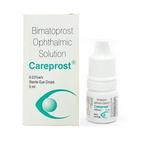
These drops gained immense popularity, demonstrating an incredibly fast and always noticeable result since its application. This innovative means will allow you to give your eyelashes an ideal look, strength and health, in whatever serious condition they are before the moment of its application. It is safe and effective providing amazing results.
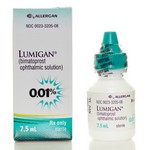
This means is prescribed to reduce eye pressure. Its active ingredient is synthetic prostaglandin bimatoprost – an unsaturated fatty acid, similar in its properties to hormones. Getting into the eye, drops help maintain the balance of the flow and outflow of eye fluid. It is a violation of this balance that leads to an increase in pressure, due to which the blood supply to the eye is impaired and the load on the optic nerve increases.

Bimatoprost reduces IOP in humans by increasing the outflow of aqueous humor through the trabecular meshwork and uveoscleral outflow. IOP reduction begins about 4 hours after the first use. The maximum effect is achieved after about 8–12 hours. The effect lasts for at least 24 hours.
4. Common side effects of OTC medications
4.1 Nonsteroidal anti-inflammatory drugs (NSAIDs)
Nonsteroidal anti-inflammatory drugs, commonly known as NSAIDs, are a group of medications that are widely available as over-the-counter drugs. These drugs are used to relieve pain, reduce inflammation, and lower fever. Some common brand names of NSAIDs include ibuprofen (Advil, Motrin), naproxen (Aleve), and aspirin.
While NSAIDs can be effective in providing temporary relief, they can also come with side effects. Some of the common side effects of NSAIDs include:
- Stomach irritation or ulcers
- Heartburn
- Headaches
- Dizziness
It is important to follow the recommended dosage and use NSAIDs for short-term relief only. Prolonged or excessive use of NSAIDs can increase the risk of more serious side effects, such as gastrointestinal bleeding or kidney damage.
4.2 Antihistamines
Antihistamines are commonly used to relieve allergy symptoms, such as sneezing, itching, and runny nose. They work by blocking the action of histamine, a substance produced by the body in response to an allergic reaction. Some popular brand names of antihistamines include cetirizine (Zyrtec) and loratadine (Claritin).
While antihistamines are generally safe to use, they can cause certain side effects, such as:
- Drowsiness
- Dry mouth
- Blurred vision
- Dizziness
It is important to note that some antihistamines, such as diphenhydramine (Benadryl), can cause more sedative effects and should be used with caution, especially when driving or operating heavy machinery.
4.3 Acetaminophen
Acetaminophen is a common pain reliever and fever reducer. It is found in many over-the-counter medications, such as Tylenol. While acetaminophen is generally safe when taken as directed, it can cause side effects, including:
- Liver damage (when taken in high doses or with alcohol)
- Allergic reactions
- Skin rash
- Nausea or vomiting
It is important to always read and follow the label instructions when taking acetaminophen and to avoid exceeding the recommended dose.
4.4 Cough and cold medications
Over-the-counter cough and cold medications are commonly used to relieve symptoms of the common cold, such as cough, congestion, and sore throat. These medications often contain a combination of ingredients, such as cough suppressants, expectorants, nasal decongestants, and pain relievers.
While these medications can provide temporary relief, they can also come with side effects. Some common side effects of cough and cold medications include:
- Drowsiness
- Dizziness
- Dry mouth
- Upset stomach
It is important to use cough and cold medications as directed and to avoid combining multiple medications that contain the same active ingredients. Taking too many medications can increase the risk of side effects or drug interactions.
Different types of over-the-counter (OTC) drugs and their uses
Over-the-counter (OTC) drugs are medications that can be purchased without a prescription from a healthcare professional. These drugs are easily accessible and widely used, providing relief for a variety of common health conditions. There are several different types of OTC drugs available, each with its own specific uses and benefits.
1. Analgesics
Analgesics are OTC drugs that are commonly used to relieve pain. They can help to reduce mild to moderate pain caused by headaches, muscle aches, arthritis, menstrual cramps, and other conditions. Some common examples of analgesics include acetaminophen, ibuprofen, and aspirin.
2. Antacids
Antacids are OTC drugs that are used to relieve symptoms of heartburn, acid reflux, and indigestion. They work by neutralizing excess stomach acid and provide quick relief. Common antacid ingredients include calcium carbonate, magnesium hydroxide, and aluminum hydroxide.
3. Cold and cough medications
Cold and cough medications are OTC drugs that are used to relieve symptoms associated with the common cold, cough, and congestion. These medications may contain ingredients such as decongestants, expectorants, antihistamines, and cough suppressants. They can help to alleviate nasal congestion, coughing, sneezing, and other cold-related symptoms.
4. Allergy medications
Allergy medications are OTC drugs that are used to relieve symptoms of allergies, such as sneezing, itching, and watery eyes. They can help to reduce allergic reactions caused by common allergens such as pollen, dust mites, and pet dander. Common allergy medications include antihistamines, nasal sprays, and eye drops.
5. Sleep aids
Sleep aids are OTC drugs that are used to promote sleep and relieve insomnia. They can help individuals who have difficulty falling asleep or staying asleep through the night. Some common sleep aid ingredients include diphenhydramine and doxylamine succinate. It’s important to note that these medications should be used sparingly and as directed, as long-term use can lead to dependence or other side effects.
6. Topical creams and ointments
Topical creams and ointments are OTC drugs that are applied to the skin to provide relief for various skin conditions. They can be used for the treatment of minor cuts, burns, rashes, insect bites, and skin irritations. Common ingredients found in topical creams and ointments include hydrocortisone, antifungals, and antibacterials.
7. Digestive aids
Digestive aids are OTC drugs that are used to improve digestion and relieve symptoms of digestive disorders. They can help to alleviate symptoms such as bloating, gas, indigestion, and constipation. Digestive aids may contain ingredients such as enzymes, fiber supplements, or laxatives.
Overall, over-the-counter drugs provide a convenient and easily accessible option for treating common health conditions. However, it’s important to use these medications responsibly and follow the guidelines and instructions provided. If symptoms persist or worsen, it’s always advisable to consult a healthcare professional for further evaluation and guidance.
Sources:
– Mayo Clinic. (2021). Over-the-counter medications: Understanding your options. Retrieved from [link](https://www.mayoclinic.org/healthy-lifestyle/consumer-health/in-depth/over-the-counter-medications/art-20046875)
– U.S Food and Drug Administration. (2021). Drugs. Retrieved from [link](https://www.fda.gov/drugs)
6. The Best Selling Over-the-Counter Medications
When it comes to over-the-counter medications, there are a few products that stand out as top sellers. These medications are widely used for various health conditions and have gained popularity among consumers. Here are some of the best-selling over-the-counter medications:
6.1 Pain Relievers
One of the most popular categories of over-the-counter medications is pain relievers. These are used to alleviate common aches and pains, such as headaches, muscle aches, and fevers. Some of the best-selling pain relievers include:
- Tylenol: A brand of acetaminophen that is known for its effectiveness in reducing pain and fever.
- Ibuprofen: An anti-inflammatory medication that is used to relieve pain, reduce swelling, and lower fever.
- Aspirin: A nonsteroidal anti-inflammatory drug (NSAID) that is commonly used for pain relief and reducing inflammation.
6.2 Cold and Flu Medications
Cold and flu medications are another popular category of over-the-counter drugs. These medications are used to alleviate symptoms associated with the common cold and flu, such as congestion, coughing, and sore throat. Some of the best-selling cold and flu medications include:
- Vicks DayQuil/NyQuil: A combination of medications that provide relief from multiple cold and flu symptoms, including nasal congestion, cough, and sore throat.
- Robitussin: A cough suppressant that helps relieve cough symptoms associated with cold and flu.
- Zicam: A homeopathic cold remedy that helps reduce the duration and severity of cold symptoms.
6.3 Allergy Medications
Allergy medications are commonly used to alleviate symptoms associated with allergies, such as sneezing, itching, and runny nose. Some of the best-selling allergy medications include:
- Zyrtec: An antihistamine that provides relief from allergies, including hay fever and indoor and outdoor allergies.
- Claritin: Another widely used antihistamine that helps relieve allergy symptoms, including sneezing, runny nose, and itchy throat or eyes.
- Allegra: A non-drowsy antihistamine that provides 24-hour relief from allergy symptoms, including nasal congestion and itchy, watery eyes.
These are just a few examples of the best-selling over-the-counter medications on the market. It’s important to note that the popularity and effectiveness of these medications can vary depending on individual preferences and needs. If you’re considering using over-the-counter medications, it’s always a good idea to consult with a healthcare professional or pharmacist for guidance.
7. Benefits and risks of using OTC drugs
When considering using over-the-counter (OTC) drugs, it is important to understand the benefits and risks associated with them. While OTC drugs can provide relief for many common ailments, it is essential to use them responsibly and with caution.
Benefits of using OTC drugs
There are several benefits to using OTC drugs:
- Accessibility: OTC drugs are readily available in pharmacies, supermarkets, and convenience stores, making them easily accessible to consumers without the need for a prescription.
- Convenience: OTC drugs can be purchased without having to visit a healthcare provider, saving time and money.
- Cost-effective: OTC drugs are generally less expensive compared to prescription medications, making them a more affordable option for individuals with mild symptoms.
- Mild symptoms relief: OTC drugs are designed to provide relief for mild symptoms such as headaches, cold and flu symptoms, allergies, and minor pain.
Risks of using OTC drugs
While OTC drugs offer many benefits, it is important to be aware of the potential risks:
- Incorrect usage: Without proper knowledge and understanding of the drug’s instructions, there is a risk of incorrect usage, leading to ineffective treatment or unwanted side effects.
- Interaction with other medications: Some OTC drugs may interact with prescription medications or other OTC drugs, leading to adverse effects. It is crucial to consult a healthcare professional or pharmacist before combining medications.
- Overuse: OTC drugs may provide temporary relief, but repeated or prolonged use without addressing the underlying cause can mask more significant health issues. It is important to consult a healthcare professional if symptoms persist or worsen.
- Unsafe ingredients: Not all OTC drugs undergo the same level of scrutiny and regulation as prescription medications. Some OTC drugs may contain ingredients that could be harmful if used improperly or in excessive amounts. It is important to read and follow the drug’s label and instructions carefully.
It is always recommended to consult a healthcare professional before using any OTC drugs, especially in case of chronic conditions, pregnancy, breastfeeding, or when taking other medications. They can provide personalized advice and guidance based on an individual’s specific health needs.
According to a survey conducted by Research, 75% of respondents reported using OTC drugs for symptom relief, with headaches and cold symptoms being the most common reasons. Additionally, the study revealed that 40% of respondents did not read the entire label of the OTC drug they used, highlighting the importance of proper education and awareness regarding OTC drug usage.
In conclusion, while OTC drugs can be beneficial for the treatment of mild symptoms, it is crucial to understand their risks and use them responsibly. By seeking professional advice and following the instructions carefully, individuals can safely and effectively utilize OTC drugs for their intended purpose.