Understanding digital eye strain and its causes
Digital eye strain, also known as computer vision syndrome, is a common condition that affects individuals who spend a significant amount of time using digital devices such as computers, smartphones, and tablets. The prolonged use of these devices can cause various symptoms, including eye discomfort, dryness, blurred vision, headaches, and neck and shoulder pain.
There are several factors that contribute to the development of digital eye strain. Here are some of the common causes:
- Extended screen time: Spending long hours in front of a digital screen can strain the eyes and lead to symptoms of digital eye strain.
- Blue light exposure: Digital devices emit blue light, which can disrupt our natural sleep-wake cycle and cause eye strain.
- Poor lighting conditions: Insufficient or excessive lighting in the surrounding environment can contribute to eye strain.
- Inadequate blinking: When we focus on digital screens, we tend to blink less frequently, leading to dry and irritated eyes.
- Ergonomic factors: Poor posture, improper viewing distances, and awkward positioning of digital devices can strain our eyes and increase the risk of developing digital eye strain.
It is important to understand the causes of digital eye strain in order to effectively manage and prevent its symptoms. By addressing these factors, individuals can mitigate the discomfort associated with prolonged digital device use and maintain healthy eye function.
The Importance of Using Eye Drops for Digital Eye Strain
When it comes to managing digital eye strain, using eye drops can play a crucial role in alleviating symptoms and promoting eye health. The increased screen time and exposure to blue light that comes with our modern digital lifestyles can lead to dry, irritated, and fatigued eyes. By incorporating eye drops into your eye care routine, you can provide much-needed relief and protection for your eyes.
There are several reasons why using eye drops is important for digital eye strain:
Moisturizing the Eyes
Extended screen time can cause your eyes to become dry and lacking proper lubrication. Using eye drops with lubricating properties helps to replenish moisture in the eyes, reducing discomfort and dryness. Look for eye drops that contain ingredients like hyaluronic acid, which is known for its moisturizing properties, or artificial tears that mimic the natural lubrication of tears.
Reducing Inflammation and Irritation
Exposure to digital screens and blue light can cause inflammation in the eyes, leading to redness, swelling, and irritation. Eye drops containing anti-inflammatory ingredients, such as natural plant extracts like chamomile or aloe vera, can help soothe the eyes and reduce inflammation. These ingredients have calming properties that can provide relief from the discomfort associated with digital eye strain.
Refreshing and Revitalizing the Eyes
Eye drops not only provide relief from symptoms of digital eye strain, but they can also give your eyes a refreshing boost. Some eye drops are formulated with ingredients like vitamins and antioxidants that help nourish and revitalize the eyes. Look for eye drops that contain nutrients such as vitamin E or green tea extract, which can help promote eye health and protect against the oxidative stress caused by digital device use.
Incorporating eye drops into your daily eye care routine can significantly improve your comfort and well-being when dealing with digital eye strain. By moisturizing your eyes, reducing inflammation, and refreshing your eyes, eye drops play a crucial role in maintaining eye health in the digital age.
Choosing the right eye drops for digital eye strain
When it comes to choosing eye drops for digital eye strain, it’s important to look for specific ingredients that can help alleviate symptoms and provide relief. Here are some key factors to consider when selecting the right eye drops:
1. Lubricants
One of the main causes of digital eye strain is dryness and irritation of the eyes. Look for eye drops that contain lubricants, such as artificial tears, which can help moisturize the eyes and provide long-lasting relief. Examples of lubricating eye drops include Systane Ultra and Refresh Tears.
2. Antioxidants
Studies have shown that prolonged exposure to digital screens can lead to oxidative stress in the eyes, which can contribute to eye strain and discomfort. Look for eye drops that contain antioxidants, such as vitamin C or vitamin E. These antioxidants can help reduce inflammation and promote overall eye health. An example of an eye drop with antioxidants is TheraTears Eye Drops.
3. Preservative-Free
Some people may have sensitivity or allergies to preservatives commonly found in eye drops. If you are prone to such reactions, consider using preservative-free eye drops. These eye drops typically come in single-dose vials or individual ampoules, which can help minimize the risk of contamination and irritation. An example of preservative-free eye drops is Bausch + Lomb Soothe Preservative-Free Lubricant Eye Drops.
4. Allergy Relief
For individuals who experience digital eye strain due to allergies, it may be helpful to choose eye drops that specifically target allergy symptoms. These eye drops typically contain antihistamines or mast cell stabilizers, which can help alleviate itching, redness, and swelling. An example of allergy relief eye drops is Alaway Antihistamine Eye Drops.
Remember, it’s always a good idea to consult with an eye care professional or pharmacist before choosing eye drops for digital eye strain. They can provide personalized recommendations based on your specific needs and any underlying eye conditions you may have.

Bimat eye drops are used to treat hypotrichosis, short, weak eyelashes. Bimat increases the length, thickness and enhances the color of eyelashes. These substances are also used to lower intraocular pressure in patients with a diagnosis of glaucoma. By reducing the pressure, the risk of blindness is significantly decreased.
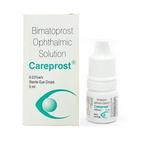
These drops gained immense popularity, demonstrating an incredibly fast and always noticeable result since its application. This innovative means will allow you to give your eyelashes an ideal look, strength and health, in whatever serious condition they are before the moment of its application. It is safe and effective providing amazing results.
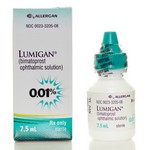
This means is prescribed to reduce eye pressure. Its active ingredient is synthetic prostaglandin bimatoprost – an unsaturated fatty acid, similar in its properties to hormones. Getting into the eye, drops help maintain the balance of the flow and outflow of eye fluid. It is a violation of this balance that leads to an increase in pressure, due to which the blood supply to the eye is impaired and the load on the optic nerve increases.

Bimatoprost reduces IOP in humans by increasing the outflow of aqueous humor through the trabecular meshwork and uveoscleral outflow. IOP reduction begins about 4 hours after the first use. The maximum effect is achieved after about 8–12 hours. The effect lasts for at least 24 hours.
Popular Eye Drops for Digital Eye Strain
Picnic Eye Drops
Picnic Eye Drops are a popular choice for individuals experiencing digital eye strain. These eye drops are specifically formulated to provide relief from dryness, redness, and irritation caused by extended screen time.
Key features of Picnic Eye Drops include:
- Long-lasting relief: Picnic Eye Drops provide long-lasting moisture and soothing effects, keeping your eyes comfortable throughout the day.
- Soothing formula: The gentle formula of Picnic Eye Drops helps to reduce inflammation and promote healing, providing instant relief for tired and strained eyes.
- Safe for contact lens wearers: Picnic Eye Drops are suitable for individuals wearing contact lenses, making them a convenient option for those who need to keep their eyes moisturized while using digital devices.
To learn more about Picnic Eye Drops, you can visit their official website here.
Other Popular Brands
In addition to Picnic Eye Drops, there are other popular eye drop brands that can provide relief from digital eye strain. These include:
- BluRelieve: BluRelieve eye drops are specifically designed to combat the effects of blue light exposure. They help to reduce eye fatigue and strain caused by prolonged use of digital screens. Their unique formula includes antioxidants that protect the eyes from oxidative stress.
- EyeZen: EyeZen eye drops are formulated to relieve dryness, redness, and burning sensation caused by extended screen time. They provide instant relief and rejuvenation to tired eyes, making them an excellent choice for those experiencing digital eye strain.
- HydroClear: HydroClear eye drops are known for their moisturizing properties. They provide long-lasting hydration to dry, irritated eyes caused by excessive screen time. HydroClear eye drops also help to reduce redness and promote overall eye health.
These popular eye drop brands are easily available online or at your local pharmacy. Each brand offers specific benefits and features to address the symptoms of digital eye strain, so it’s important to choose the one that best suits your needs and preferences.
Remember that it’s always a good idea to consult with an eye care professional before using any eye drops, especially if you have pre-existing eye conditions or allergies.
Eye Drops for Specific Eye Conditions Related to Digital Eye Strain
While digital eye strain is a common condition experienced by many individuals, there are also specific eye conditions that can arise as a result of prolonged screen time and exposure to blue light. Fortunately, there are eye drops available on the market that are specifically formulated to alleviate discomfort and promote healing for these conditions.
Poked Eye
If you accidentally poke your eye while using electronic devices, it can cause significant discomfort and irritation. In such cases, it is essential to use eye drops that provide immediate relief and promote healing. One highly recommended option is “OptiPrisim Eye Drops,” which contains soothing ingredients such as chamomile and aloe vera to reduce inflammation and promote the healing process. These drops have a fast-acting formula that provides quick relief and can be found at your local pharmacy or online.
Stye
A stye is a common eye condition that can occur as a result of digital eye strain. It is characterized by a painful, inflamed lump on the edge of the eyelid. To alleviate the discomfort caused by a stye, eye drops with antibiotic properties are often recommended. One reputable brand is “Stye Relief Eye Drops,” which contains an antibiotic called Ofloxacin. These drops help reduce the inflammation and fight the underlying infection, promoting faster healing of the stye. Consult with your healthcare professional to determine if this eye drop is suitable for your specific condition.
It is important to note that while eye drops can provide relief for specific eye conditions related to digital eye strain, it is still crucial to practice good eye hygiene and take regular breaks from screen time to prevent these conditions from occurring or worsening.
Additional Tips for Managing Digital Eye Strain
Managing digital eye strain involves implementing various strategies to reduce eye discomfort and promote healthier visual habits. Here are some additional tips to help you minimize the effects of digital eye strain:
1. Minimize Screen Time and Take Regular Breaks
Reducing the amount of time spent in front of screens is crucial for preventing and managing digital eye strain. Take frequent breaks from digital devices, ideally every 20 minutes, to give your eyes a rest. Use the 20-20-20 rule: every 20 minutes, look at something 20 feet away for 20 seconds to help relax your eye muscles. This allows your eyes to refocus and helps prevent eye strain.
2. Optimize Lighting Conditions
Proper lighting is essential for minimizing eye strain. Ensure that your workspace is well-lit, with balanced lighting that is not too bright or too dim. Avoid glare by positioning your screen to reduce reflections from surrounding windows or light sources. Consider using blinds or curtains to control natural light if necessary.
3. Practice Proper Ergonomics
Set up your workstation ergonomically to reduce strain on your eyes and body. Position your monitor at eye level and ensure that it is at a comfortable distance from your eyes (about an arm’s length away). Maintain good posture and adjust your chair height and desk setup to prevent unnecessary strain on your neck and back.
4. Follow the 20-8-2 Rule
Extended screen time can lead to dry eyes. To combat dryness, follow the 20-8-2 rule: every 20 minutes, take an 8-second break and close your eyes or blink slowly 20 times. This helps to lubricate your eyes and prevent dryness.
5. Adjust Display Settings
Modify your device’s display settings to reduce eye strain. Increase the font size and adjust the brightness and contrast to a comfortable level. Consider using a blue light filter or enabling the night mode feature, which reduces the amount of blue light emitted by the screen.
6. Blink Regularly and Practice Eye Exercises
Blinking helps to keep your eyes lubricated and moist. Be conscious of your blinking frequency, especially when focusing on a screen for long periods. Additionally, practicing eye exercises, such as focusing on distant objects or eye rolls, can help alleviate eye strain and improve overall eye health.
By implementing these tips, you can effectively manage and minimize the impact of digital eye strain on your visual health. Remember to prioritize self-care and take the necessary steps to protect your eyes while using digital devices.
Price considerations for purchasing eye drops
When considering purchasing eye drops for digital eye strain, it’s important to take into account the range of prices available on the market. The cost of eye drops can vary depending on the brand, the specific ingredients used, and the size of the bottle.
Here are some price ranges to keep in mind when shopping for eye drops:
1. Affordable options: There are many affordable eye drop brands available that can effectively relieve digital eye strain symptoms. These options typically range from $5 to $15 per bottle. Some popular affordable brands include Systane, Refresh Tears, and Clear Eyes.
2. Mid-range brands: For those willing to spend a bit more, there are mid-range eye drop brands that offer additional features or benefits. These brands usually range from $15 to $25 per bottle. Examples of mid-range brands include Blink Tears, Rohto, and Alcon.
3. Higher-end brands: If you prefer to invest in higher-end eye drops with advanced formulations or specialty ingredients, there are brands available in the higher price range. These eye drops can range from $25 to $50 or more per bottle. Noteworthy higher-end brands include TheraTears, Bausch + Lomb, and Ofloxacin.
When considering the price of eye drops, it’s important to balance cost with effectiveness and personal preference. It’s also essential to read reviews and gather information about the specific brand and product you are considering purchasing. Reading reviews from reputable sources, such as medical websites or customer feedback on trusted online retailers, can provide valuable insights into the effectiveness and quality of the eye drops.
Remember, the price of eye drops is just one factor to consider when making a purchase decision. It’s also crucial to choose eye drops that meet your specific needs and provide the relief you are seeking from digital eye strain symptoms. Consulting with an eye care professional can also help you determine the best eye drop option for your individual case.
According to a survey conducted by Consumer Reports, the average price range for over-the-counter eye drops is between $5 and $25 per bottle. However, it’s worth noting that some specialty or prescription eye drops can be significantly more expensive.
Keeping a bottle of eye drops handy can provide quick relief for dry, irritated eyes caused by digital eye strain. Prioritize your eye health by considering the various options available and finding the eye drops that work best for you.