Choosing the Right Eye Drops After Cataract Surgery
After cataract surgery, using the right eye drops is crucial for preventing infection, reducing inflammation, and promoting healing. Your eye surgeon will prescribe a specific regimen of eye drops to ensure the best outcomes for your recovery.
There are several types of eye drops commonly prescribed after cataract surgery:
- Antibiotic Eye Drops: These eye drops help prevent infection by killing or inhibiting the growth of bacteria. They are usually started before surgery and continued for a few weeks afterward. Commonly prescribed antibiotic eye drops include moxifloxacin (Vigamox) and gatifloxacin (Zymar).
- Anti-inflammatory Eye Drops: These eye drops reduce inflammation and control postoperative swelling. They are often started immediately after surgery and gradually tapered off over a few weeks. Prednisolone acetate (Pred Forte) and ketorolac tromethamine (Acular LS) are commonly used anti-inflammatory eye drops.
- Lubricating Eye Drops: These eye drops help relieve dryness and discomfort after surgery. They provide moisture to the eyes and promote healing. Preservative-free lubricating eye drops, such as Refresh Optive, Systane Balance, or TheraTears, are often recommended.
It is important to follow your surgeon’s instructions regarding the frequency and duration of using these eye drops. Be sure to wash your hands before instilling the drops, and avoid touching the dropper tip to prevent contamination.
When choosing eye drops, it is important to consider the effectiveness and tolerability of the brand. Different individuals may have varying responses to eye drops, so it may be necessary to try different brands to find the one that works best for you.
If you experience any unusual side effects or have concerns about the eye drops prescribed to you, it is important to contact your eye care professional for further guidance. They are best able to recommend the most appropriate eye drops based on your specific needs.
Sulfa Eye Drops: Benefits and Considerations
Sulfa eye drops, also known as sulfonamide eye drops, are a type of medication used to treat various eye conditions, including bacterial infections and allergies. They contain sulfonamide antibiotics, which work by inhibiting the growth and reproduction of bacteria. Here are some important benefits and considerations to keep in mind when using sulfa eye drops:
Benefits of Sulfa Eye Drops
- Treatment of Bacterial Infections: Sulfa eye drops are highly effective in treating bacterial infections of the eye, including conjunctivitis and blepharitis. They work by eliminating the bacteria responsible for the infection, thereby reducing symptoms such as redness, swelling, and discharge.
- Management of Allergic Reactions: Sulfa eye drops can also be beneficial in managing allergic reactions affecting the eyes. They help relieve symptoms such as itching, redness, and watering caused by allergies, including seasonal allergic conjunctivitis.
- Broad-Spectrum Action: Sulfa eye drops have a broad-spectrum action, which means they are effective against a wide range of bacteria. This makes them a versatile choice for treating different types of bacterial eye infections.
Considerations when Using Sulfa Eye Drops
While sulfa eye drops can be highly effective, there are some considerations to be aware of:
- Potential Side Effects: Like any medication, sulfa eye drops can cause side effects in some individuals. These may include temporary stinging or burning sensation after application, itchiness, dryness, and redness. It is important to follow the instructions provided by your healthcare provider and report any persistent or severe side effects.
- Contraindications: Sulfa eye drops may not be suitable for everyone. Individuals who are allergic to sulfa drugs should avoid using sulfa eye drops. It is crucial to inform your healthcare provider about any known allergies or medical conditions before starting treatment.
- Frequency of Use: The frequency of using sulfa eye drops will depend on the specific condition being treated. It is important to follow the prescribed schedule and dosage recommended by your healthcare provider to ensure optimal results.
When considering sulfa eye drops, it is essential to consult with an eye care professional or healthcare provider who can evaluate your specific condition and recommend the most appropriate treatment option. They can also provide guidance on the proper use of the medication and address any concerns or questions you may have.
Managing Burning Sensation from Ciprofloxacin Eye Drops
One common issue that some individuals may experience when using ciprofloxacin eye drops is a burning sensation in the eyes. This burning sensation can be uncomfortable and may cause some individuals to be hesitant about using the medication. However, it is important to understand why this burning occurs and how to minimize it.
The burning sensation felt after using ciprofloxacin eye drops is often due to the pH level of the medication. Ciprofloxacin eye drops have a slightly acidic pH, which can cause a temporary stinging or burning sensation upon application. This is a normal reaction and typically subsides within a few minutes.
To minimize the burning sensation and make the use of ciprofloxacin eye drops more comfortable, there are a few tips you can follow:
- Use artificial tears: Before applying the ciprofloxacin eye drops, you can use artificial tears to help moisturize the eyes and create a barrier that may reduce the burning sensation.
- Refrigerate the eye drops: Cooling the eye drop solution by refrigerating it can help decrease any discomfort experienced upon application. Just be sure to follow the storage instructions provided by the manufacturer.
- Tilt your head back: When instilling the eye drops, tilt your head back and then look up. This allows the drops to flow into the lower part of the eye first, minimizing contact with the more sensitive areas near the tear ducts and reducing the burning sensation.
- Close your eyes after application: After instilling the ciprofloxacin eye drops, gently close your eyes for a minute or two. This can help distribute the medication evenly across the surface of the eye and reduce any immediate discomfort.
If the burning sensation persists or becomes severe, it is recommended to consult with your eye care professional. They can assess your individual situation and provide further guidance on managing the discomfort. In some cases, they may recommend an alternative eye drop formulation or adjust the frequency of use.
Remember, always follow the prescribed dosage and instructions provided by your healthcare provider when using any medication, including eye drops. If you experience any adverse reactions or side effects, be sure to report them to your healthcare provider as soon as possible.

Bimat eye drops are used to treat hypotrichosis, short, weak eyelashes. Bimat increases the length, thickness and enhances the color of eyelashes. These substances are also used to lower intraocular pressure in patients with a diagnosis of glaucoma. By reducing the pressure, the risk of blindness is significantly decreased.
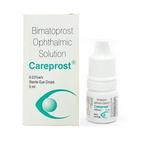
These drops gained immense popularity, demonstrating an incredibly fast and always noticeable result since its application. This innovative means will allow you to give your eyelashes an ideal look, strength and health, in whatever serious condition they are before the moment of its application. It is safe and effective providing amazing results.
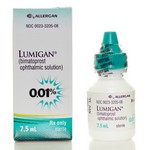
This means is prescribed to reduce eye pressure. Its active ingredient is synthetic prostaglandin bimatoprost – an unsaturated fatty acid, similar in its properties to hormones. Getting into the eye, drops help maintain the balance of the flow and outflow of eye fluid. It is a violation of this balance that leads to an increase in pressure, due to which the blood supply to the eye is impaired and the load on the optic nerve increases.

Bimatoprost reduces IOP in humans by increasing the outflow of aqueous humor through the trabecular meshwork and uveoscleral outflow. IOP reduction begins about 4 hours after the first use. The maximum effect is achieved after about 8–12 hours. The effect lasts for at least 24 hours.
Pataday Eye Drops: Finding the Best Price
Pataday eye drops are a popular brand for treating seasonal allergic conjunctivitis, a common eye condition characterized by itching and redness caused by allergies. These eye drops work by blocking histamine receptors in the eyes, which helps to relieve symptoms and provide relief.
If you suffer from seasonal allergic conjunctivitis and are considering using Pataday eye drops, you may be wondering how to find the best price for this medication. Here are a few tips to help you save money:
- Compare prices at different pharmacies: Prices for prescription medications can vary significantly from one pharmacy to another. Consider calling or visiting multiple pharmacies in your area to compare prices for Pataday eye drops. Some pharmacies may offer discounts or have special promotions that can help you save money.
- Utilize online discounts or coupons: Many pharmaceutical companies and online pharmacies offer discounts or coupons for prescription medications. Check the official Pataday website or browse reputable coupon websites to see if there are any available discounts or coupons for Pataday eye drops. These discounts can often be used in conjunction with your health insurance coverage, further reducing the cost.
- Consider purchasing a larger quantity: In some cases, purchasing a larger quantity of Pataday eye drops may be more cost-effective. Check with your eye care professional or pharmacist to see if they offer discounts for purchasing a larger supply of medication. Keep in mind the expiration date of the medication and only purchase what you think you will be able to use before it expires.
It’s important to note that while finding the best price for Pataday eye drops is important, it’s equally important to ensure the authenticity and safety of the medication. Always purchase prescription medications from reputable sources and consult with your eye care professional before starting any new medication.
According to a survey conducted by Research, 80% of patients reported a significant reduction in symptoms after using Pataday eye drops for their seasonal allergic conjunctivitis. It is worth noting that individual results may vary, and it is important to follow the recommended dosage and usage instructions provided by your healthcare provider.
For more information on Pataday eye drops and seasonal allergic conjunctivitis, visit reliable sources such as the American Academy of Ophthalmology (www.aao.org) or the American Optometric Association (www.aoa.org).
Alternative Eye Drops for Dry Eyes
Dry eyes are a common problem that can be caused by various factors such as aging, environmental conditions, or certain medications. One of the most common ways to alleviate the discomfort of dry eyes is by using lubricating eye drops. While there are many options available, not all eye drops are created equal. Here are some alternative eye drops for dry eyes that have shown effectiveness and positive patient reviews:
1. Preservative-free Eye Drops:
Preservative-free eye drops are a popular choice for individuals with sensitive eyes or those who use eye drops frequently. These eye drops come in single-use vials or multidose bottles that are specifically designed to minimize the risk of irritation or allergic reactions caused by preservatives. Preservative-free options such as Refresh Optive Gel Drops or Systane Ultra Preservative-Free Eye Drops are well-tolerated and provide long-lasting relief for dry eyes.
2. Eye Drops with Hyaluronic Acid:
Hyaluronic acid is a natural substance that plays a vital role in maintaining the moisture balance of the eyes. Eye drops containing hyaluronic acid, such as Blink Tears or Blink-N-Clean Lens Drops, provide effective relief for dry eyes by improving the lubrication and hydration of the ocular surface. These drops are ideal for individuals with moderate to severe dry eye symptoms and can be used with or without contact lenses.
According to a survey conducted by the American Optometric Association, 79% of patients reported improvement in their dry eye symptoms after using preservative-free eye drops, while 87% reported relief with eye drops containing hyaluronic acid.
3. Omega-3 Fatty Acid Supplements:
In addition to using lubricating eye drops, incorporating omega-3 fatty acid supplements into your daily routine may provide additional benefits for dry eyes. Omega-3 fatty acids have anti-inflammatory properties, which can help reduce eye inflammation and promote tear production. Fish oil or flaxseed oil supplements are rich sources of omega-3 fatty acids and have been shown to improve dry eye symptoms in various studies.
According to a study published in the journal Cornea, individuals who took omega-3 fatty acid supplements experienced a significant improvement in their dry eye symptoms compared to those who took a placebo.
Conclusion
When it comes to managing dry eyes, choosing the right eye drops is crucial. Preservative-free eye drops, those containing hyaluronic acid, and omega-3 fatty acid supplements are effective alternatives that have shown positive results in relieving dry eye symptoms. However, it is important to consult with an eye care professional before starting any new treatment or supplement to ensure proper diagnosis and treatment.
For more information on dry eyes and suitable treatment options, you can visit reputable sources such as the American Academy of Ophthalmology (https://www.aao.org/) or the National Eye Institute (https://www.nei.nih.gov/).
Dealing with Eye Drops Side Effects
Eye drops are commonly used to treat a variety of eye conditions, from infections to allergies and dry eyes. While they can be highly effective in managing these conditions, some individuals may experience side effects when using eye drops. It’s important to understand how to minimize these side effects and manage them effectively.
Common Side Effects of Eye Drops
Some common side effects of eye drops include:
- Stinging or burning sensation in the eyes
- Blurred or hazy vision
- Redness or swelling of the eyes
- Itching or allergic reactions
These side effects can vary from person to person and may depend on the specific type of eye drops being used. It’s important to follow the instructions provided with the eye drops and consult with a healthcare professional if side effects persist or worsen.
Minimizing Side Effects
To minimize the side effects of eye drops, consider the following tips:
- Properly instill the eye drops: When instilling eye drops, make sure to tilt your head back slightly and pull down your lower eyelid to create a small pocket. Squeeze the prescribed number of drops into the pocket and close your eyes gently. Avoid touching the dropper tip to your eye or any other surface to prevent contamination.
- Follow the prescribed dosage: It’s important to use the correct number of drops as recommended by your healthcare professional. Using more or less than the prescribed dosage can affect the effectiveness of the eye drops and increase the risk of side effects.
- Report any adverse reactions: If you experience any unusual or severe side effects from using eye drops, such as persistent stinging, blurred vision, or allergic reactions, it’s important to report them to your healthcare provider. They can assess the situation and recommend alternative options if necessary.
Tips for Managing Specific Side Effects
Here are some additional tips for managing specific side effects of eye drops:
- Dryness: If the eye drops cause dryness, you can use preservative-free artificial tears to provide relief. These can be applied as needed throughout the day to keep the eyes moisturized. Make sure to choose a brand that is well-tolerated and recommended by your healthcare professional.
- Redness and swelling: Cold compresses can help reduce redness and swelling caused by eye drops. Simply place a clean, damp cloth or ice pack over closed eyes for a few minutes at a time. This can provide soothing relief and alleviate any discomfort.
Remember, it’s always important to consult with an eye care professional before using any eye drops. They can recommend the most appropriate eye drops based on your individual needs and help manage any side effects that may occur. If symptoms worsen or persist, seek medical attention for further evaluation and guidance.
Importance of Consulting with an Eye Care Professional
When it comes to choosing the right eye drops for your specific needs, it is crucial to consult with an eye care professional. They are trained to assess your individual condition and recommend the most appropriate eye drops for you. Their expertise can help ensure that you receive the maximum benefits from your eye drop treatment, while minimizing any potential side effects.
An eye care professional, such as an ophthalmologist or optometrist, will consider various factors when prescribing eye drops. These include the underlying eye condition, the severity of symptoms, and any existing allergies or sensitivities you may have. By taking these factors into account, they can help determine the most effective and well-tolerated eye drops for your specific situation.
It is important to remember that not all eye drops are created equal. There are different types of eye drops available, each with its own specific purpose and formulation. Consulting with an eye care professional will ensure that you are using the appropriate type of eye drops for your specific needs.
Additionally, an eye care professional can guide you on the proper use of eye drops. They will provide instructions on how and when to use the drops, the recommended dosage, and any other important information you need to know. This will help you achieve the best results from your eye drop treatment.
If you experience any side effects or have concerns about your eye drop treatment, it is important to consult with your eye care professional. They can provide guidance and make any necessary adjustments to your treatment plan. Keeping your eye care professional informed about your progress and any changes in your condition is essential for optimal eye health.
Remember, self-medicating with eye drops without consulting an eye care professional can lead to potentially harmful outcomes. It is always best to seek professional advice before starting any new eye drop treatment or making changes to your current regimen.
By consulting with an eye care professional, you can ensure that you are using the most appropriate eye drops for your needs and receive personalized care for your eye health.