Eye Drops for Cat Allergies
Do you suffer from cat allergies? If so, you may have experienced symptoms such as itchy, watery eyes and blurred vision. Cat allergies occur when your immune system reacts to proteins found in a cat’s dander, saliva, or urine. These allergens can cause inflammation of the eyes, leading to discomfort and visual disturbances.
Fortunately, there are eye drops available that can help relieve the symptoms of cat allergies and improve your vision. These eye drops are designed to reduce inflammation and provide temporary relief from itching, redness, and blurred vision caused by cat allergens.
Recommended Eye Drops for Cat Allergies
When choosing eye drops for cat allergies, it is important to look for products that are specifically formulated to relieve allergy symptoms. Some popular and effective eye drops for cat allergies include:
- Zaditor – This over-the-counter (OTC) eye drop contains an antihistamine called ketotifen, which helps prevent allergic reactions in the eyes.
- Alaway – Similar to Zaditor, Alaway also contains ketotifen and can provide long-lasting relief from cat allergy symptoms.
- Pataday – This prescription-strength eye drop is commonly used to treat allergic conjunctivitis, including symptoms caused by cat allergies.
It is important to note that while these eye drops can help alleviate the symptoms of cat allergies, they are not a cure for the underlying allergy itself. If you have severe cat allergies, it is best to consult with an allergist or ophthalmologist for a personalized treatment plan.
Using Eye Drops for Cat Allergies
To use eye drops for cat allergies effectively, follow these steps:
- Wash your hands: Before applying eye drops, make sure to wash your hands thoroughly to prevent contamination.
- Tilt your head back: Gently tilt your head back and look up at the ceiling.
- Pull down your lower eyelid: Using your index finger, pull down your lower eyelid to create a small pocket.
- Apply the eye drops: Hold the dropper close to your eye and squeeze one drop into the pocket created by your lower eyelid. Avoid touching your eye or eyelashes with the dropper tip.
- Blink and repeat: Close your eyes gently and blink a few times to spread the eye drops evenly across your eye. If you need to apply more than one drop, wait for at least 5 minutes before applying the next drop.
- Wipe away excess drops: If any excess drops fall onto your cheeks, gently wipe them away with a clean tissue.
Remember to always read and follow the instructions provided with your specific eye drop product for the best results.
Now that you know how eye drops can help with cat allergies and how to use them, you can find relief from your symptoms and enjoy clearer vision. Consult with your healthcare professional to determine the best eye drop option for your individual needs.
Over-the-counter drops for pink eye
Understanding pink eye and its symptoms
Pink eye, also known as conjunctivitis, is a common and highly contagious eye infection characterized by redness, itching, and discharge from the eye. It can be caused by viruses, bacteria, allergies, or irritants. The symptoms of pink eye can vary from mild to severe and can affect one or both eyes.
Over-the-counter eye drops for treating pink eye
When it comes to treating pink eye, over-the-counter eye drops can provide relief from symptoms and help clear the infection. However, it’s important to choose the right eye drops that are specifically formulated for treating pink eye.
Effectiveness and safety of over-the-counter drops for pink eye
Over-the-counter eye drops for pink eye are generally safe and effective when used as directed. They typically contain ingredients such as lubricants, vasoconstrictors, antihistamines, and/or antibiotics, depending on the type and cause of pink eye.
These eye drops can help alleviate symptoms such as redness, itching, and discharge. They can also help reduce inflammation and prevent further infection. However, it’s important to note that not all over-the-counter drops are suitable for every type of pink eye, so it’s best to consult a healthcare professional or pharmacist for personalized recommendations.
Tips for using over-the-counter drops for pink eye properly
When using over-the-counter eye drops for pink eye, it’s important to follow these tips to ensure their proper and safe use:
| Tip | Explanation |
|---|---|
| Wash hands before use | Clean hands can help minimize the risk of introducing additional bacteria or irritants to the eye. |
| Follow package instructions | Read and follow the instructions provided with the eye drops to ensure proper dosage and usage frequency. |
| Avoid sharing eye drops | To prevent the spread of infection, it’s important not to share eye drops with others. |
| Do not use expired eye drops | Expired eye drops may not be as effective and could potentially cause further irritation or infection. |
| Discard remaining drops after treatment | Once the prescribed treatment duration is over, discard any remaining eye drops to avoid using them beyond their expiration date. |
| Avoid touching the tip of the bottle to the eye | To prevent contamination, avoid touching the eye or eyelid with the bottle tip. |
By following these tips, individuals can maximize the effectiveness of over-the-counter drops for pink eye and minimize any potential risks or complications.
Safety of Refresh Optive Eye Drops
Refresh Optive eye drops are a popular option for individuals with dry eyes. They are designed to provide long-lasting relief and help maintain the health of the eyes. Before using any eye drops, it is important to understand their safety profile, including potential side effects and precautions.
An Overview of Refresh Optive Eye Drops
Refresh Optive eye drops are a brand of lubricant eye drops that are formulated to provide relief for dry, irritated eyes. They work by moisturizing the eyes and providing temporary relief from symptoms such as dryness, itching, and burning.
Ingredients and Their Effects on the Eyes
Refresh Optive eye drops contain several ingredients that contribute to their effectiveness. These include:
1. Carboxymethylcellulose sodium: This is a lubricating agent that helps to moisturize the eyes and relieve dryness.
2. Glycerin: Glycerin has hydrating properties that help to soothe and moisturize the eyes.
3. Polysorbate 80: This ingredient acts as a surfactant, helping to spread the drops evenly across the surface of the eye.
4. Purified water: Purified water serves as a base for the eye drops and helps to dilute the other ingredients.
Overall, the ingredients in Refresh Optive eye drops are generally well-tolerated and safe for use. However, it is important to note that some individuals may be sensitive or allergic to certain components. If you experience any unusual or adverse reactions after using Refresh Optive eye drops, it is recommended to discontinue use and consult with an eye care professional.
Potential Side Effects and Precautions
While Refresh Optive eye drops are generally considered safe, there are potential side effects and precautions to be aware of. These may include:
1. Temporary stinging or burning sensation: Some individuals may experience a mild and temporary stinging or burning sensation after using Refresh Optive eye drops. This is usually not cause for concern and should subside quickly.
2. Blurred vision: In rare cases, Refresh Optive eye drops may cause temporary blurred vision. If this occurs, it is important to avoid driving or operating machinery until vision clears.
3. Allergic reactions: Although rare, some individuals may be allergic to the ingredients in Refresh Optive eye drops. Signs of an allergic reaction may include itching, redness, swelling, or difficulty breathing. If you experience any of these symptoms, discontinue use and seek medical attention immediately.
It is also important to follow the directions for use provided with the product. Do not exceed the recommended dosage or frequency of use unless directed by an eye care professional.
Safety Guidelines for Using Refresh Optive Eye Drops
To use Refresh Optive eye drops safely and effectively, consider the following guidelines:
1. Wash your hands thoroughly before using the eye drops to avoid introducing any bacteria or contaminants to the eye.
2. Tilt your head back slightly and pull down your lower eyelid to create a pocket.
3. Squeeze the bottle gently to release one or two drops into the pocket created by your lower eyelid.
4. Blink several times to help spread the eye drops across the surface of the eye.
5. Keep the bottle tightly closed when not in use and store it at room temperature away from direct sunlight or heat.
If you are unsure about the safety or proper use of Refresh Optive eye drops, it is recommended to consult with an eye care professional for personalized advice and guidance.
In summary, Refresh Optive eye drops are generally safe and well-tolerated for the majority of individuals. However, it is important to be aware of potential side effects and precautions. If you experience any unusual or adverse reactions, discontinue use and seek medical attention. Remember to always follow the directions for use and consult with a healthcare professional if you have any concerns.

Bimat eye drops are used to treat hypotrichosis, short, weak eyelashes. Bimat increases the length, thickness and enhances the color of eyelashes. These substances are also used to lower intraocular pressure in patients with a diagnosis of glaucoma. By reducing the pressure, the risk of blindness is significantly decreased.
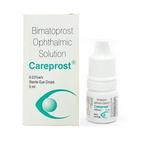
These drops gained immense popularity, demonstrating an incredibly fast and always noticeable result since its application. This innovative means will allow you to give your eyelashes an ideal look, strength and health, in whatever serious condition they are before the moment of its application. It is safe and effective providing amazing results.
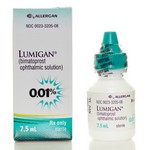
This means is prescribed to reduce eye pressure. Its active ingredient is synthetic prostaglandin bimatoprost – an unsaturated fatty acid, similar in its properties to hormones. Getting into the eye, drops help maintain the balance of the flow and outflow of eye fluid. It is a violation of this balance that leads to an increase in pressure, due to which the blood supply to the eye is impaired and the load on the optic nerve increases.

Bimatoprost reduces IOP in humans by increasing the outflow of aqueous humor through the trabecular meshwork and uveoscleral outflow. IOP reduction begins about 4 hours after the first use. The maximum effect is achieved after about 8–12 hours. The effect lasts for at least 24 hours.
Difluprednate eye drops: Benefits and considerations
When it comes to treating certain eye conditions, difluprednate eye drops may be a viable option. These eye drops contain the active ingredient difluprednate, which is a corticosteroid. They are primarily used to reduce inflammation and relieve symptoms in the eyes.
The benefits of difluprednate eye drops for certain eye conditions
Difluprednate eye drops are often prescribed for conditions such as uveitis, which is inflammation of the uvea (middle layer of the eye), and post-operative inflammation following eye surgeries. The anti-inflammatory properties of difluprednate help to reduce swelling, redness, and discomfort in the eyes.
These eye drops can also be effective in treating other inflammatory conditions of the eye, such as allergic conjunctivitis and keratitis. They can help alleviate itching, burning, and the sensation of foreign objects in the eyes.
Potential side effects and risks of difluprednate eye drops
While difluprednate eye drops can be beneficial for certain eye conditions, it is essential to be aware of their potential side effects and risks. Common side effects may include temporary blurred vision, stinging or burning sensation, and increased sensitivity to light. These side effects are generally mild and subside on their own.
However, prolonged use of difluprednate eye drops may increase the risk of developing eye infections, glaucoma, and cataracts. It is important to use these eye drops as directed by your healthcare professional and to follow up with regular eye examinations to monitor for any potential complications.
Individuals with certain medical conditions, such as diabetes or a history of eye infections, may be at higher risk for complications from using difluprednate eye drops. It is crucial to discuss your medical history and any concerns with your healthcare professional before starting treatment with these eye drops.
Things to consider before using difluprednate eye drops
Before using difluprednate eye drops, it is essential to consider a few factors:
- Consult with your healthcare professional: It is crucial to consult with an eye care professional who can assess your specific eye condition and determine if difluprednate eye drops are the right choice for you.
- Follow dosage instructions: Difluprednate eye drops should be used exactly as prescribed by your healthcare professional. Never exceed the recommended dosage or frequency of use.
- Inform your healthcare professional about other medications: It is important to inform your healthcare professional about any other medications, including over-the-counter eye drops, that you are currently using. This will help avoid any potential interactions or adverse effects.
By considering these factors and following the instructions provided by your healthcare professional, you can use difluprednate eye drops safely and effectively for the management of certain eye conditions.
Choosing the Right Eye Drops for Your Needs
When it comes to selecting the right eye drops, there are several factors that you should consider. Not all eye drops are created equal, and different types serve specific purposes. It is important to consult with an eye care professional for personalized recommendations based on your specific needs and conditions.
Below are some key factors to consider when choosing eye drops:
- Eye Condition: Identify the specific eye condition or symptom you are trying to treat. For example, if you are experiencing dry eyes, there are eye drops specifically formulated to lubricate and moisturize the eyes.
- Type of Eye Drops: There are different types of eye drops available, such as lubricating drops, allergy drops, redness-relief drops, and more. Understanding the purpose of each type will help you make an informed decision.
- Ingredients: It is important to read the labels and understand the ingredients in the eye drops. Some ingredients may not be suitable for everyone, especially if you have specific allergies or sensitivities.
- Effectiveness and Safety: Research the effectiveness and safety of the eye drops you are considering. Look for reviews or studies that support their claims. It is also important to ensure that the eye drops are approved by reputable organizations, such as the FDA.
While choosing eye drops, it is essential to follow the instructions provided by the manufacturer. Incorrect usage can lead to adverse effects or reduced effectiveness.
Here are some additional tips to consider when using eye drops:
- Proper administration: Follow the instructions for properly administering the eye drops. This may include tilting your head back, pulling down the lower eyelid, and instilling the recommended number of drops.
- Avoid contamination: Ensure that the tip of the eye drop bottle does not touch your eye, eyelashes, or any other surface. Contaminated eye drops can lead to infection or other complications.
- Storage: Store your eye drops according to the manufacturer’s instructions. Some eye drops may require refrigeration, while others should be kept at room temperature. Improper storage can impact their effectiveness.
When it comes to choosing eye drops, it is always best to seek guidance from an eye care professional. They can provide personalized recommendations and ensure that you are using the most appropriate eye drops for your specific needs.
Proper Usage and Storage of Eye Drops
Using eye drops correctly is crucial for obtaining the maximum benefit and avoiding any potential complications. Here are some important guidelines to follow when using and storing eye drops:
1. Properly administer eye drops:
– Start by washing your hands thoroughly to minimize the risk of contamination.
– Tilt your head back and use your fingers to gently pull down your lower eyelid, creating a small pocket.
– Hold the bottle upside down with the dropper tip pointing towards your eye, but be careful not to touch your eye or any other surface with the dropper.
– Squeeze the bottle gently to release one drop into the pocket created by pulling down your lower eyelid.
– Release your lower eyelid and close your eye gently, without blinking, for a few moments to allow the eye drop to fully coat the surface of your eye.
– If you need to use multiple eye drops, wait at least five minutes between each application to ensure the drops are properly absorbed.
2. Avoid contamination and eye irritation:
– To prevent contamination, do not touch the tip of the eye drop bottle with your fingers, eyelashes, or any other objects.
– If you are using eye drops for both eyes, use a separate bottle for each eye to avoid cross-contamination.
– Avoid blinking or squeezing your eyes forcefully immediately after applying eye drops, as this may cause the medication to spill out of your eye.
– Do not share your eye drop bottle with others, as it may lead to the spread of infection.
3. Store eye drops properly:
– Follow the specific storage instructions provided on the eye drop packaging. Some eye drops may need to be stored in the refrigerator, while others can be stored at room temperature.
– Keep your eye drop bottles tightly closed when not in use to prevent evaporation and maintain their effectiveness.
– Do not use expired eye drops as they may not be as effective and could potentially cause harm to your eyes.
It is essential to remember that these guidelines may vary depending on the specific eye drop product you are using. Always read and follow the instructions provided by the manufacturer.
For additional information on how to properly use and store eye drops, consult reputable sources such as the American Academy of Ophthalmology (www.aao.org) or the National Eye Institute (www.nei.nih.gov).
The Importance of Regular Eye Exams
Regular eye exams are crucial for maintaining eye health and overall wellness. These exams play a vital role in detecting and preventing vision problems, ensuring optimal sight, and improving the quality of life. Here are some key reasons why regular eye exams are important:
1. Detection and Prevention of Vision Problems
Eye exams can help identify vision problems at an early stage when they are most treatable. Through a comprehensive examination, eye care professionals can detect conditions such as refractive errors (e.g., nearsightedness, farsightedness, astigmatism), glaucoma, cataracts, macular degeneration, and diabetic retinopathy. Early detection allows for timely intervention and appropriate treatment to prevent further deterioration of vision.
2. Maintenance of Eye Health
Regular eye exams are essential for maintaining overall eye health. Eye care professionals can assess the health of the eye structures, including the cornea, retina, optic nerve, and blood vessels. They can identify any signs of infection, inflammation, dryness, or abnormalities, making it possible to address these issues promptly before they worsen.
3. Evaluation of General Health Conditions
Eye exams can provide insights into a person’s general health. The eyes offer a unique window into overall health, as they can reveal signs of systemic conditions like diabetes, high blood pressure, cardiovascular diseases, autoimmune disorders, and certain types of cancers. Eye care professionals may discover both ocular and non-ocular signs that warrant further medical attention.
4. Individualized Eye Care Recommendations
During an eye exam, eye care professionals can develop personalized eye care plans based on an individual’s specific needs, lifestyle, and risk factors. This may include recommendations for corrective lenses (glasses or contact lenses), specialized treatments, preventive measures, and lifestyle modifications to optimize eye health.
5. Frequency of Eye Exams
The recommended frequency of eye exams may vary depending on age, risk factors, and any existing vision or eye health conditions. Here are some general guidelines:
– Children: Pediatric eye exams are essential to ensure proper vision development and detection of eye conditions. The American Optometric Association suggests infants have their first eye exam between 6 to 12 months, followed by subsequent exams at ages 3 and 5. Afterward, a comprehensive eye exam every two years is recommended.
– Adults: For individuals aged 18 to 60 without any risk factors or vision problems, a comprehensive eye exam every two years is typically sufficient. However, those with risk factors (e.g., family history of eye diseases, diabetes, high blood pressure) or existing eye conditions may require more frequent exams. It’s important to consult with an eye care professional to determine the appropriate frequency.
– Older Adults: Adults aged 61 and older should have annual eye exams due to the increased risk of age-related eye diseases, such as cataracts, macular degeneration, or glaucoma.
6. Eye Health and Overall Wellness
Regular eye exams not only ensure good eye health but also contribute to overall wellness. Clear vision is crucial for daily activities, such as driving, reading, and interacting with others. Timely detection and treatment of eye conditions can improve quality of life, prevent accidents, and enhance overall well-being.
Conclusion
Regular eye exams are an essential part of maintaining eye health and overall wellness. By detecting and addressing vision problems, ensuring optimum eye health, evaluating general health conditions, and providing personalized recommendations, eye care professionals play a crucial role in preserving and enhancing vision. Make sure to schedule regular eye exams based on the recommended frequency and consult with an eye care professional for personalized advice and guidance.