Overview of Allergy Eye Drops for Contacts
When it comes to wearing contact lenses, many people with allergies may experience discomfort and irritation in their eyes. Allergy eye drops are specifically designed to provide relief from these symptoms and are a valuable tool for contact lens wearers.
Allergy eye drops work by reducing inflammation in the eyes and relieving itching, redness, and watering caused by allergies. They can be used alongside contact lenses to provide much-needed relief.
There are several popular manufacturers of allergy eye drops that offer a range of products suited for contact lens wearers. These include:
These manufacturers have a variety of eye drop options available, each with their own unique formulations and benefits. It’s important to choose the right eye drops that are safe to use with your specific type of contact lenses.
Choosing the right allergy eye drops for contact lens wearers
Factors to consider when selecting eye drops for allergies
When it comes to choosing the right allergy eye drops for contact lens wearers, there are several factors to consider. These factors can help you find a product that effectively relieves your allergy symptoms without causing any discomfort or complications with your contact lenses.
1. Compatibility with contact lenses: It is important to choose eye drops that are specifically formulated for use with contact lenses. These eye drops are generally designed to be compatible with the materials used in contact lenses and can be used while wearing them without any adverse effects. Look for eye drops that are labeled as “contact lens friendly” or “safe for contact lens wearers.”
2. Allergy symptom relief: Different allergy eye drops offer relief from different symptoms. Some eye drops are specifically formulated to provide relief from itching and redness, while others focus on reducing eye dryness or irritation. Consider the specific symptoms you experience and choose eye drops that target those symptoms.
3. Duration of action: Some allergy eye drops provide temporary relief for a few hours, while others offer longer-lasting relief. Consider your lifestyle and how frequently you are willing to administer the eye drops throughout the day. If you have a busy schedule and prefer not to frequently reapply eye drops, opt for a longer-lasting formula.
4. Allergen coverage: Allergy eye drops can target various allergens, such as pollen, mold, pet dander, and dust mites. If you know the specific allergen that triggers your symptoms, look for eye drops that are specifically formulated to combat that allergen. This can help provide more targeted relief.
Difference between over-the-counter and prescription eye drops
When shopping for allergy eye drops, you will come across both over-the-counter (OTC) and prescription options. Understanding the difference between the two can help you make an informed decision.
Over-the-counter (OTC) eye drops: OTC allergy eye drops can be purchased directly from a pharmacy or drugstore without a prescription. These eye drops typically contain antihistamines, decongestants, or mast cell stabilizers to provide temporary relief from allergy symptoms. They are generally safe to use and are suitable for mild to moderate allergic reactions.
Prescription eye drops: Prescription allergy eye drops are stronger formulations that contain medications such as corticosteroids or immunomodulators. These eye drops are typically prescribed by an eye care professional for more severe allergic reactions or when over-the-counter options do not provide sufficient relief. They may also be recommended for individuals with underlying eye conditions.
Discussing common ingredients in allergy eye drops
Allergy eye drops can contain a variety of ingredients that help relieve allergy symptoms. Some common ingredients you may come across include:
1. Antihistamines: These ingredients work by blocking the effects of histamine, a chemical released by the body during an allergic reaction. Antihistamines can help reduce itching, redness, and swelling in the eyes.
2. Mast cell stabilizers: Mast cell stabilizers prevent the release of chemical mediators that cause allergy symptoms. They can help alleviate itching, redness, and eye irritation.
3. Decongestants: Decongestants help shrink blood vessels in the eyes, reducing redness and swelling. However, these ingredients should not be used for prolonged periods as they can cause rebound redness and dependency.
4. Lubricants: Lubricating ingredients help moisturize the eyes and relieve dryness and discomfort. They can provide soothing relief for individuals experiencing dry eye symptoms due to allergies.
It is important to read the labels and consult with your eye care professional to determine which ingredients are most suitable for your specific allergy symptoms and contact lens wear.
Precautions and Usage Instructions for Using Allergy Eye Drops with Contacts
Using allergy eye drops while wearing contact lenses requires some precautions to ensure safety and effectiveness. Here are important guidelines to follow when using eye drops with contact lenses:
1. Consult an Eye Care Professional
Before using any allergy eye drops, it is recommended to consult with an eye care professional. They can evaluate your specific needs and recommend the most suitable eye drop for your allergies and contact lenses.
2. Follow the Instructions on the Eye Drop Packaging
Each allergy eye drop product will have specific usage instructions provided on the packaging. It is crucial to carefully read and follow these instructions to ensure proper use and avoid any complications.
3. Remove Contact Lenses Before Applying Eye Drops
Prior to applying the eye drops, it is important to remove your contact lenses. This allows the eye drops to properly penetrate the eye and provide relief without any interference or potential reactions with the contact lenses.
4. Wait Before Reinserting Contact Lenses
After applying the eye drops, you should wait for a specified amount of time before reinserting your contact lenses. The packaging or your eye care professional will provide guidelines on how long you should wait. This allows the eye drops to fully take effect and minimizes the risk of any interactions between the eye drops and contact lenses.
5. Properly Administer the Eye Drop
To ensure the effectiveness of the eye drops and prevent contamination, it is important to properly administer them. Here are the general steps to follow:
- Wash your hands thoroughly with soap and water.
- Gently shake the eye drop bottle if instructed to do so.
- Tilt your head back and look up.
- Use your index finger to gently pull down your lower eyelid, creating a small pocket.
- Hold the eye drop bottle upside down, usually about an inch away from your eye.
- Squeeze the bottle to release one drop into the pocket created by your lower eyelid. Avoid touching your eye, eyelashes, or any other surfaces.
- Release your lower eyelid and close your eyes gently.
- Press lightly on the inner corner of your eye (near the bridge of your nose) for about a minute. This prevents the eye drop from getting into your tear duct and being absorbed into the bloodstream.
6. Avoid Contamination
Contaminated eye drops can lead to eye infections or other complications. To prevent contamination:
- Avoid touching the tip of the eye drop bottle with your fingers, eye, or any other surface.
- Avoid sharing eye drop bottles with others.
- Keep the eye drop bottle tightly sealed when not in use.
7. Potential Interactions
Some eye drops may have interactions with certain types of contact lenses. It is recommended to follow these guidelines:
- Avoid using oil-based eye drops with silicone hydrogel contact lenses, as they can adhere to the lens surface and affect vision.
- Consult your eye care professional if you experience any discomfort, blurred vision, or other issues after using eye drops with your contact lenses.
8. Seek Professional Advice
If you have any concerns or questions about using allergy eye drops with your contact lenses, it is best to consult your eye care professional. They can provide personalized advice and guidance based on your specific situation.
Following these precautions and usage instructions will help ensure the safe and effective use of allergy eye drops while wearing contact lenses.

Bimat eye drops are used to treat hypotrichosis, short, weak eyelashes. Bimat increases the length, thickness and enhances the color of eyelashes. These substances are also used to lower intraocular pressure in patients with a diagnosis of glaucoma. By reducing the pressure, the risk of blindness is significantly decreased.
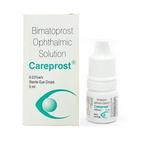
These drops gained immense popularity, demonstrating an incredibly fast and always noticeable result since its application. This innovative means will allow you to give your eyelashes an ideal look, strength and health, in whatever serious condition they are before the moment of its application. It is safe and effective providing amazing results.
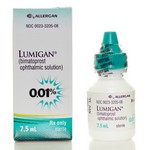
This means is prescribed to reduce eye pressure. Its active ingredient is synthetic prostaglandin bimatoprost – an unsaturated fatty acid, similar in its properties to hormones. Getting into the eye, drops help maintain the balance of the flow and outflow of eye fluid. It is a violation of this balance that leads to an increase in pressure, due to which the blood supply to the eye is impaired and the load on the optic nerve increases.

Bimatoprost reduces IOP in humans by increasing the outflow of aqueous humor through the trabecular meshwork and uveoscleral outflow. IOP reduction begins about 4 hours after the first use. The maximum effect is achieved after about 8–12 hours. The effect lasts for at least 24 hours.
Addressing specific concerns: corneal ulcers and scratched eyes
Corneal ulcers and scratched eyes are two common concerns for contact lens wearers. These issues can be painful and uncomfortable, but they can often be managed with the help of eye drops. In this section, we will discuss how eye drops can be used to treat and manage corneal ulcers and scratched eyes.
What are corneal ulcers?
Corneal ulcers are open sores on the surface of the cornea, which is the clear, outermost layer of the eye. These ulcers can be caused by a variety of factors, including bacterial or fungal infections, trauma to the eye, or prolonged contact lens use.
Treating corneal ulcers with eye drops
Eye drops can be an effective treatment for corneal ulcers, particularly when the ulcers are caused by infections. Antibiotic eye drops are commonly prescribed to fight bacterial infections, while antifungal eye drops may be used for fungal infections. These eye drops work by killing or inhibiting the growth of bacteria or fungi, allowing the ulcers to heal.
Identifying and managing corneal ulcers
If you suspect you have a corneal ulcer, it is important to see an eye care professional as soon as possible. They can properly diagnose the condition and recommend appropriate treatment. In some cases, they may also prescribe medicated eye drops to manage pain and inflammation during the healing process.
What are scratched eyes?
A scratched eye, also known as a corneal abrasion, occurs when the cornea gets scratched or damaged. This can happen when foreign objects, such as dust particles or contact lenses, come into contact with the eye. Symptoms of a scratched eye may include redness, pain, blurred vision, and sensitivity to light.
Treating scratched eyes with eye drops
Eye drops can help soothe the discomfort and promote healing for scratched eyes. Lubricating eye drops or artificial tears can provide immediate relief by moisturizing the eye and reducing dryness and irritation. These drops can also help flush out any foreign objects, such as dust or debris, that may be causing further irritation.
Important considerations when using eye drops for corneal ulcers or scratched eyes
When using eye drops for corneal ulcers or scratched eyes, it is crucial to follow the instructions provided by your eye care professional. They may recommend a specific brand or type of eye drops based on the severity and cause of your condition.
Additionally, it is important to avoid wearing contact lenses while you have corneal ulcers or a scratched eye, unless otherwise instructed by your eye care professional. Wearing contacts can exacerbate the condition and delay the healing process.
If you experience any worsening of symptoms or if your condition does not improve within a few days of using eye drops, it is important to contact your eye care professional for further evaluation and treatment.
Conclusion
Eye drops can be a valuable tool in managing corneal ulcers and scratched eyes for contact lens wearers. They can help alleviate symptoms, reduce pain and inflammation, and promote healing. However, it is essential to seek guidance from an eye care professional to ensure the proper use and effectiveness of eye drops for these conditions.
For more information on corneal ulcers and scratched eyes, you can visit the American Academy of Ophthalmology’s website: https://www.aao.org/. Remember to always consult with your eye care professional for personalized advice and guidance specific to your situation.
Common Side Effects and Allergic Reactions to Eye Drops
Allergy eye drops can be a lifesaver for contact lens wearers who suffer from eye allergies. They help alleviate itching, redness, and watering caused by allergic reactions. However, like any medication, allergy eye drops can have side effects and may cause allergic reactions in some individuals. It’s important to be aware of these potential risks and know how to identify and manage them.
Potential Side Effects of Using Eye Drops
While allergy eye drops are generally safe and well-tolerated, some individuals may experience certain side effects. These side effects are usually mild and temporary, but it’s important to be aware of them:
- Stinging or burning sensation: Some eye drops may cause temporary discomfort when first applied. This sensation usually subsides quickly.
- Blurred vision: Temporary blurring of vision can occur immediately after applying eye drops. It usually resolves on its own.
- Dryness or irritation: Eye drops may sometimes cause dryness or irritation in the eyes. This can be alleviated by using lubricating eye drops or artificial tears.
- Increased sensitivity to light: Some individuals may experience increased sensitivity to light after using eye drops. Wearing sunglasses can help protect the eyes.
If any of these side effects persist or worsen, it’s important to discontinue use of the eye drops and consult with an eye care professional. They can help determine if the side effects are normal or if there is a need to switch to a different brand or formulation.
Allergic Reactions and How to Identify Them
While allergic reactions to eye drops are rare, they can occur in some individuals. It’s important to be able to recognize the signs of an allergic reaction and seek immediate medical attention if necessary. Common signs of an allergic reaction to eye drops include:
- Severe itching or redness: If your eyes become extremely itchy or red after using eye drops, it may be a sign of an allergic reaction.
- Swelling: Allergic reactions can cause swelling around the eyes or eyelids. This can be accompanied by pain or discomfort.
- Breathing difficulties: In rare cases, severe allergic reactions can lead to difficulty breathing. This is a medical emergency and requires immediate attention.
- Rash or hives: Some individuals may develop a rash or hives on the skin around the eyes or face.
If any of these symptoms occur after using eye drops, it’s important to seek medical attention right away. In severe cases, allergic reactions can be life-threatening and require prompt treatment.
Steps to Take if an Allergic Reaction Occurs
If you suspect you are experiencing an allergic reaction to eye drops, it’s important to take the following steps:
- Stop using the eye drops immediately.
- Rinse your eyes with saline solution or water to help flush out any remaining allergens.
- Seek medical attention. Contact your eye care professional or visit the nearest emergency room if symptoms are severe or if you have difficulty breathing.
It’s important to remember that everyone’s body reacts differently to medications and allergens. What may cause an allergic reaction in one person may be well-tolerated by another. If you have a history of allergies or sensitivities, it’s always a good idea to consult with your eye care professional before using any eye drops.
For more information on allergy eye drops and their potential side effects, you can refer to reputable sources such as the American Academy of Ophthalmology or the Mayo Clinic.
Safety concerns: avoiding potentially harmful eye drops
When it comes to choosing the right allergy eye drops for contact lens wearers, it is important to prioritize safety. Using the wrong eye drops can lead to discomfort, irritation, and even potential harm to your eyes. Therefore, it is crucial to avoid using eye drops that are not specifically formulated for contact lens wearers.
There are some eye drops on the market that are designed for general eye care and may not be suitable for use with contact lenses. Using these eye drops with contact lenses can cause a variety of issues, such as clouding or distortion of vision, discomfort, and even damage to the contact lens itself. It is essential to always check the label and ensure that the eye drops are explicitly labeled as safe for use with contact lenses.
Additionally, it is important to be aware of potentially poisonous eye drops, as accidental ingestion or misuse can have severe consequences. Some eye drops may contain ingredients that are not safe for ingestion, such as preservatives or high concentrations of certain medications. When using eye drops, always be careful not to accidentally ingest them, and keep them out of reach of children and pets.
To prevent accidental ingestion or misuse of eye drops, follow these tips:
- Store your eye drops in a secure location, away from children and pets.
- Be cautious when administering eye drops to avoid accidentally touching the tip of the dropper to your eye or any other surfaces.
- Do not use eye drops that have expired or that appear to be discolored or contaminated.
- Always follow the usage instructions provided with your eye drops and do not exceed the recommended dosage.
- If you experience any unusual side effects or symptoms after using eye drops, seek medical attention immediately.
In conclusion, ensuring the safety of your eyes when using allergy eye drops with contact lenses is crucial. By choosing eye drops specifically formulated for contact lens wearers and following proper usage instructions, you can effectively manage your allergies without compromising the health of your eyes.
For more information on the topic of allergy eye drops for contacts, it is recommended to consult with an eye care professional who can provide personalized advice and guidance.
Conclusion and Additional Resources
In conclusion, allergy eye drops can provide much-needed relief for contact lens wearers who experience allergy symptoms. By choosing the right eye drops and following proper usage guidelines, it is possible to manage allergies effectively while wearing contacts.
Remember to always consult with your eye care professional before starting any new medication or eye drops. They can provide personalized advice and guidance based on your specific needs and any other eye conditions you may have.
If you are unsure about which allergy eye drops to use or have further questions, here are some additional resources you can consult:
- American Academy of Ophthalmology: The official website of the American Academy of Ophthalmology provides comprehensive information on eye care, including allergy eye drops.
- All About Vision: A trusted resource for eye health information, All About Vision offers detailed insights into the various types of eye drops for allergies and tips for using them with contact lenses.
- Mayo Clinic: The Mayo Clinic provides reliable information on ophthalmic medications, including proper usage, precautions, and potential side effects.
By staying informed and working closely with your eye care professional, you can manage allergies effectively and continue to enjoy the benefits of wearing contact lenses.