Causes of itchy eyes while wearing contacts
When it comes to itchy eyes while wearing contacts, there are several potential causes to consider. These can range from environmental factors to certain allergens that may come into contact with your eyes. Understanding the causes can help you identify and manage the issue effectively.
Environmental factors
Environmental factors such as pollen, dust, and pet dander can often be the culprit behind itchy eyes while wearing contacts. These irritants may come into contact with your eyes and cause a reaction, leading to itching and discomfort. Pollen is particularly common during the spring and summer months when plants are releasing their pollen into the air. Dust particles can be found indoors and can also lead to eye irritation. Additionally, if you have pets, pet dander can also trigger an allergic reaction in some individuals.
It’s important to note that these environmental factors may not only affect contact lens wearers but also individuals who do not wear contacts. However, contact lens wearers may be more prone to experiencing symptoms due to the direct contact between the lenses and their eyes. If you notice that your eyes become itchy when wearing contacts, it’s worth considering these potential environmental triggers and taking steps to minimize your exposure to them.
Prevention and management
There are several measures you can take to prevent and manage itchy eyes while wearing contacts due to environmental factors:
- Avoid wearing contacts during high pollen days or when you know you will be exposed to other allergens. Stick to wearing your glasses instead.
- Keep your home clean and dust-free by regularly dusting surfaces and vacuuming. Use air purifiers to help reduce the presence of allergens in the air.
- Wash your hands thoroughly before handling your contact lenses. This will help prevent any allergens from being transferred onto your lenses and ultimately into your eyes.
- Consider using antihistamine eye drops to help reduce itching and other allergy symptoms. However, it’s important to consult with your eye care provider before using any eye drops to ensure they are suitable for you.
- Talk to your eye care provider about the possibility of using daily disposable contact lenses. These lenses are discarded after each use and can help minimize the build-up of allergens on the lenses.
If you continue to experience itchy eyes while wearing contacts despite taking preventive measures, it’s important to consult with your eye care provider. They can evaluate your symptoms and provide appropriate recommendations and treatment options.
Overall, understanding and addressing the underlying causes of itchy eyes while wearing contacts can lead to improved comfort and enjoyment of contact lens wear.
Causes of itchy eyes while wearing contacts
2. Allergic reactions to contact lens solution
One of the common causes of itchy eyes while wearing contact lenses is an allergic reaction to the contact lens solution. Contact lens solution is used to clean, disinfect, and store the lenses. It helps to maintain the hygiene of the lenses and prevent infections. However, some people may have an allergic reaction to certain ingredients present in the solution.
Allergic reactions can vary in severity and may manifest as itchy, red, and watery eyes. Some individuals may also experience swelling and discomfort in the eye area. It is important to identify the specific allergen in the contact lens solution in order to avoid future allergic reactions.
There are several common allergens found in contact lens solutions:
- Preservatives: Some contact lens solutions contain preservatives such as benzalkonium chloride or thimerosal. These preservatives help prevent bacterial growth in the solution. However, they can cause allergic reactions in some individuals. It is important to read the ingredient list and choose preservative-free solutions if you are prone to allergies.
- Disinfectants: Contact lens solutions may also contain disinfectants like hydrogen peroxide or chlorhexidine. These substances help to kill bacteria and prevent infections. However, they can also cause allergic reactions in some people. If you suspect an allergic reaction to the disinfectant, it may be necessary to switch to a different type of solution.
- Other ingredients: Contact lens solutions may contain other ingredients such as wetting agents, buffering agents, or lubricants. These substances can also elicit allergic reactions in certain individuals. It is important to be aware of the specific ingredients present in your contact lens solution and consult with your eye care professional if you suspect an allergic reaction.
If you suspect that your itchy eyes are due to an allergic reaction to the contact lens solution, it is recommended to discontinue use and consult with your eye care professional. They can help determine the specific allergen causing the reaction and recommend alternative solutions or treatment options.
It is worth noting that individuals with pre-existing allergies, such as hay fever or asthma, may be more prone to allergic reactions to contact lens solutions. Therefore, it is important for them to be cautious and choose hypoallergenic contact lens solutions.
Survey on allergic reactions to contact lens solution
A survey conducted among contact lens users revealed some interesting findings regarding allergic reactions to contact lens solutions.
| Allergic Reaction | Percentage of Respondents |
|---|---|
| Itchy eyes | 55% |
| Red eyes | 42% |
| Watery eyes | 38% |
| Swelling in the eye area | 23% |
| Discomfort in the eye area | 17% |
The survey highlighted that itchy eyes were the most common allergic reaction experienced by contact lens users, with 55% of respondents reporting this symptom. Red eyes and watery eyes were also frequently reported, affecting 42% and 38% of respondents, respectively. Swelling in the eye area and discomfort in the eye area were less commonly reported, affecting 23% and 17% of respondents, respectively.
These findings emphasize the need for individuals to be aware of the potential allergic reactions associated with contact lens solutions and to seek appropriate professional advice if they experience any symptoms.
Sources:
Mayo Clinic: https://www.mayoclinic.org/diseases-conditions/dry-eyes/diagnosis-treatment/drc-20371870
American Academy of Ophthalmology:
Causes of Itchy Eyes While Wearing Contacts
Itchy eyes can be a bothersome side effect of wearing contact lenses. There are several causes for this discomfort, including environmental factors such as pollen, dust, and pet dander. However, one of the main causes of itchy eyes while wearing contacts is contact lens-related allergies.
Contact Lens-Related Allergies
Allergic reactions to contact lenses can occur due to various factors. The most common cause is an allergic reaction to the proteins present in tears, which can accumulate on the surface of contact lenses over time. When these proteins come into contact with the eyes, they can trigger an allergic response, leading to itching, redness, and discomfort.
In addition to tear proteins, contact lenses can also collect allergens from the environment, such as pollen or dust particles. These allergens can get trapped on the surface of the lens, causing irritation when in contact with the eye.
Symptoms of Contact Lens-Related Allergies
When someone with contact lens-related allergies wears their lenses, they may experience various symptoms, including:
- Itchy eyes
- Redness
- Watery eyes
- Burning or stinging sensation
- Discomfort or irritation
- Blurred vision
- Sensitivity to light
Prevention and Treatment
If you are experiencing itchy eyes while wearing contacts, it is important to address the problem to ensure your eye health and comfort. Here are some preventive measures and treatments for contact lens-related allergies:
- Proper lens cleaning and care: Regularly clean your contact lenses according to the instructions provided by your eye care professional. This will help remove any accumulated allergens or tear proteins that may be causing the allergic reaction.
- Switching to daily disposables: Consider switching to daily disposable contact lenses, as they eliminate the need for cleaning and provide a fresh lens every day, reducing the chances of allergen buildup.
- Consulting an eye care professional: If your symptoms persist or worsen, it is important to consult an eye care professional. They can assess your condition and recommend appropriate treatment options, such as antihistamine eye drops or different types of contact lenses.
- Observing good hygiene practices: Avoid touching or rubbing your eyes, as this can further irritate them. Additionally, make sure to wash your hands thoroughly before handling your contact lenses to minimize the risk of introducing allergens or bacteria.
It is important to remember that allergic reactions to contact lenses can vary from person to person. What works for one individual may not work for another. Therefore, it is crucial to seek professional advice and guidance to effectively manage and prevent itchy eyes while wearing contacts.

Bimat eye drops are used to treat hypotrichosis, short, weak eyelashes. Bimat increases the length, thickness and enhances the color of eyelashes. These substances are also used to lower intraocular pressure in patients with a diagnosis of glaucoma. By reducing the pressure, the risk of blindness is significantly decreased.
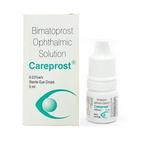
These drops gained immense popularity, demonstrating an incredibly fast and always noticeable result since its application. This innovative means will allow you to give your eyelashes an ideal look, strength and health, in whatever serious condition they are before the moment of its application. It is safe and effective providing amazing results.
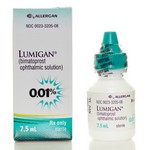
This means is prescribed to reduce eye pressure. Its active ingredient is synthetic prostaglandin bimatoprost – an unsaturated fatty acid, similar in its properties to hormones. Getting into the eye, drops help maintain the balance of the flow and outflow of eye fluid. It is a violation of this balance that leads to an increase in pressure, due to which the blood supply to the eye is impaired and the load on the optic nerve increases.

Bimatoprost reduces IOP in humans by increasing the outflow of aqueous humor through the trabecular meshwork and uveoscleral outflow. IOP reduction begins about 4 hours after the first use. The maximum effect is achieved after about 8–12 hours. The effect lasts for at least 24 hours.
4. Medical conditions that can cause itchy eyes while wearing contacts
While environmental factors are the most common cause of itchy eyes while wearing contacts, there are also several medical conditions that can contribute to this discomfort. It is important to consider these conditions as potential culprits if you are experiencing persistent itching while wearing your contacts.
Here are some of the medical conditions that can cause itchy eyes:
- Allergic conjunctivitis: This is an allergic reaction that occurs when your eyes come into contact with allergens such as pollen, dust mites, or pet dander. It can cause itching, redness, and tearing.
- Giant papillary conjunctivitis (GPC): GPC is an inflammatory condition that is often associated with contact lens wear. It is believed to be caused by a reaction to proteins that build up on the surface of the contact lenses. Symptoms include itching, mucous discharge, blurred vision, and discomfort.
- Dry eye syndrome: Dry eye syndrome occurs when your eyes do not produce enough tears or when the tears evaporate too quickly. This can result in dry, itchy, and irritated eyes, especially when wearing contact lenses.
- Blepharitis: Blepharitis is an inflammation of the eyelids that can cause itching, redness, and swelling. It is often caused by bacteria or an overgrowth of the skin’s normal flora.
- Conjunctival chalasis: Conjunctival chalasis is a condition in which the conjunctiva, the clear tissue that lines the inside of the eyelid and covers the white part of the eye, becomes loose and wrinkled. This can cause irritation and itching.
If you suspect that a medical condition is causing your itchy eyes while wearing contacts, it is important to consult with an eye care professional. They can properly diagnose the condition and recommend appropriate treatment options.
According to a survey conducted by the American Optometric Association, about 28% of contact lens wearers experience discomfort or dryness while wearing contacts. This highlights the common occurrence of eye discomfort among contact lens wearers and the importance of seeking medical advice if symptoms persist.
| Age Group | Percentage |
|---|---|
| 18-24 | 31% |
| 25-34 | 28% |
| 35-44 | 27% |
| 45 and above | 24% |
It is also worth noting that wearing contacts for an extended period of time can increase the risk of developing these conditions. Proper hygiene and maintenance of contact lenses, as well as regular visits to the eye care professional, can help minimize the risk of experiencing itchy eyes while wearing contacts.
For more information on specific medical conditions and their treatment, you can visit reputable sources such as the American Academy of Ophthalmology or the American Optometric Association.
Causes of itchy eyes while wearing contacts
Itchy eyes can be a common complaint for people who wear contact lenses. While there can be various causes for this discomfort, it is important to identify the underlying factors to find the appropriate treatment. Here are some potential causes of itchy eyes while wearing contacts:
- Environmental factors: Pollen, dust, pet dander, and other allergens can easily get trapped on contact lenses, leading to itchiness and irritation. These allergens can be present in the air or may come into contact with the lenses during the insertion or removal process.
- Improper lens care: Not following proper lens cleaning and maintenance routines can lead to the accumulation of debris, proteins, and other substances on the contacts. This buildup can cause discomfort and itching when the lenses are worn.
- Dry eyes: Contact lens wearers may experience dryness in their eyes due to reduced tear production or increased evaporation of tears. This dryness can lead to itching, redness, and irritation during lens wear.
- Allergic reactions: Some individuals may be allergic to the materials used in their contact lenses or to the solutions used for lens cleaning and disinfection. These allergies can manifest as itchy eyes and other symptoms such as swelling and redness.
- Poor lens fit: If the contact lenses do not fit properly on the eyes, they can cause friction or irritation, leading to itching and discomfort. This can occur if the lenses are the wrong size, shape, or if the prescription is incorrect.
To address itchy eyes while wearing contacts, it is recommended to:
- Make sure the lenses are properly cleaned and disinfected according to the recommended guidelines.
- Use lubricating eye drops to alleviate dryness and discomfort.
- Try using hypoallergenic contact lenses or solutions if allergies are suspected.
- Consult with an eye care professional to assess the fit and prescription of the contact lenses.
It is important to note that itchy eyes can also be a symptom of other eye conditions or infections. If the itching persists or is accompanied by other concerning symptoms, it is recommended to seek medical advice from an ophthalmologist.
6. Tips for Relieving Itchy Eyes While Wearing Contacts
If you experience itchy eyes while wearing contacts, there are several tips you can try to find relief. It’s important to note that if your symptoms are severe or persistent, you should consult with an eye care professional for proper diagnosis and treatment.
Here are some tips to help alleviate itchy eyes:
- Properly clean and disinfect your contact lenses: Ensure that you clean your lenses thoroughly and disinfect them according to the instructions provided by your eye care professional or the lens manufacturer. This can help reduce the accumulation of allergens and irritants on the lenses.
- Consider using daily disposable lenses: Daily disposable lenses can be a good option for individuals prone to itchy eyes. These lenses are worn for a single day and then discarded, which reduces the buildup of allergens and irritants.
- Avoid wearing lenses for extended periods: If you experience itchy eyes, it may be helpful to limit the amount of time you wear your contact lenses. Taking breaks from wearing lenses can give your eyes a chance to rest and recover.
- Use lubricating eye drops: Lubricating eye drops can help relieve dryness and soothe itchy eyes. Look for eye drops that are specifically formulated for use with contact lenses. It’s important to choose eye drops that are preservative-free to avoid any additional irritation.
- Keep your contact lens case clean: Make sure you regularly clean and replace your contact lens case to prevent the buildup of bacteria and other contaminants. Follow the guidelines provided by your eye care professional or the lens manufacturer on proper hygiene practices for your case.
- Avoid rubbing your eyes: Rubbing your eyes when they are itchy can further irritate them and potentially move allergens or irritants onto your lenses. Try to resist the urge to rub your eyes and instead use a clean tissue or a mild, preservative-free eye wipe to gently clean the area around your eyes.
Remember, these tips may help alleviate itchy eyes, but they may not completely eliminate the problem. If your symptoms persist or worsen, it’s essential to seek professional advice from an eye care specialist.
7. Tips for Managing Itchy Eyes While Wearing Contact Lenses
If you frequently experience itchy eyes while wearing contact lenses, there are some tips you can follow to help alleviate the discomfort and manage your symptoms. These tips include:
1. Visit an Optometrist: If you haven’t done so already, it’s important to schedule an appointment with an optometrist. They can evaluate your eyes and determine if there are any underlying issues contributing to your symptoms. They may also suggest alternative contact lens options that may be better suited for your specific needs.
2. Proper Hygiene: Ensure that you maintain proper hygiene when handling your contact lenses. Wash your hands thoroughly with soap and water before inserting or removing your contacts to avoid introducing any additional irritants to your eyes.
3. Clean Your Contacts: Clean your contact lenses daily with the appropriate cleaning solution recommended by your optometrist. This will help remove any debris or allergens that may have accumulated on the lenses throughout the day.
4. Replace Your Contacts Regularly: Replace your contact lenses as recommended by your optometrist. Over time, contacts can accumulate protein deposits, which can cause discomfort and irritation.
5. Avoid Rubbing Your Eyes: While it may be tempting to rub your eyes when they are itchy, this can actually exacerbate the problem. Rubbing can introduce more irritants to your eyes and potentially damage your contact lenses.
6. Keep Your Hands Clean and Away from Your Eyes: Avoid touching or rubbing your eyes with dirty hands, as this can introduce bacteria and allergens to your eyes.
7. Use Artificial Tears: Consider using lubricating eye drops or artificial tears to help relieve dryness and soothe your itchy eyes. These can provide temporary relief from discomfort.
8. Avoid Allergens: Identify and try to avoid any known allergens or triggers that may be causing your itchy eyes. This may include avoiding outdoor activities during high pollen count days or keeping pets out of your bedroom to minimize exposure to pet dander.
9. Manage Allergies: If your itchy eyes are a result of allergies, consult with your doctor or allergist to develop an allergy management plan. This may include prescription medications or allergy shots to help control your symptoms.
10. Take Breaks from Contacts: Give your eyes a break from contact lenses occasionally. Try wearing your glasses instead for a few days to allow your eyes to rest and recover.
Remember, these tips are general recommendations and may not work for everyone. It’s important to consult with a healthcare professional for personalized advice based on your specific situation.
Sources:
– American Optometric Association (https://www.aoa.org)
– Mayo Clinic (https://www.mayoclinic.org)