Common causes of burning eyes after using eye drops
When using eye drops, some individuals may experience a burning sensation in their eyes. This can be attributed to a few common causes:
- Allergy eye drops: Allergy eye drops, such as Visine, can sometimes cause a burning sensation. This can be due to certain ingredients or preservatives present in the eye drops. Some people may be more sensitive or allergic to these ingredients, leading to the burning or stinging sensation upon application.
- Non-preserved eye drops: Non-preserved eye drops are typically recommended for individuals who need to use eye drops frequently or for an extended period of time. These eye drops do not contain preservatives, which can irritate the eyes for some people. However, if these non-preserved eye drops have expired or are not stored properly, they may still cause a burning sensation upon application.
- Contaminated eye drops: In rare cases, eye drops may be contaminated. This can occur due to improper storage or manufacturing processes, leading to the presence of irritants or microbes in the eye drops. The contamination can cause a burning sensation when the drops come into contact with the eyes.
It is important to be aware of these potential causes and take necessary precautions to avoid discomfort when using eye drops. Reading the labels, checking expiration dates, and storing the eye drops properly are important steps to ensure the safe and effective use of eye drops.
Allergy Eye Drops and Burning Eyes
Allergy eye drops, such as Visine, are commonly used to alleviate symptoms of allergies, including itching and redness. However, for some individuals, these eye drops can cause a burning or stinging sensation after application.
It is important to understand the active ingredients in allergy eye drops and their potential side effects before using them, especially if you have a known sensitivity or allergy to certain ingredients. Reading the label thoroughly and consulting with a healthcare professional can help ensure the safe use of allergy eye drops.
Active Ingredients in Allergy Eye Drops
Most allergy eye drops contain one or more of the following active ingredients:
- Antihistamines: These ingredients work by blocking the histamine receptors in the eyes, reducing itching and redness.
- Vasoconstrictors: These ingredients work by narrowing the blood vessels in the eyes, reducing redness and swelling.
- Mast cell stabilizers: These ingredients work by preventing the release of histamine and other inflammatory chemicals, reducing allergy symptoms.
- Steroids: These ingredients work by reducing inflammation in the eyes, providing relief from allergy symptoms.
While these active ingredients can effectively alleviate allergy symptoms for many individuals, some people may experience a burning or stinging sensation due to their sensitivity to these ingredients.
Tips for Using Allergy Eye Drops Safely
To minimize the risk of experiencing a burning sensation after using allergy eye drops, consider the following tips:
- Read the label and instructions carefully before using the eye drops. Pay attention to any warnings or potential side effects.
- If you have a known sensitivity or allergy to certain ingredients, choose an allergy eye drop that does not contain those specific ingredients.
- Start with a lower concentration or a milder formulation of allergy eye drops and gradually increase the strength if necessary.
- Follow the recommended dosage and frequency of use. Using more than the recommended amount can increase the likelihood of experiencing side effects, including a burning sensation.
- If you experience a burning or stinging sensation after using allergy eye drops, gently close your eyes and apply a cold compress to soothe the irritation.
It is important to note that while allergy eye drops can provide relief for many individuals, they may not be suitable for everyone. If your symptoms persist or worsen or if you have any concerns about using allergy eye drops, it is best to consult with a healthcare professional or an eye care specialist for further guidance.
Non-preserved eye drops and burning eyes
Non-preserved eye drops are a recommended option for individuals who need to use eye drops frequently or for an extended period of time. These eye drops do not contain preservatives, which can irritate the eyes for some individuals. However, it is important to note that if these non-preserved eye drops have expired or are not stored properly, they may still cause a burning sensation upon application.
To ensure the safe and effective use of non-preserved eye drops, it is crucial to check the expiration date and storage instructions before using them. Using expired eye drops can lead to the growth of bacteria or other contaminants, which can cause irritation, burning, or even infection. Storing eye drops in a cool, dry place and avoiding exposure to direct sunlight or extreme temperatures can help maintain their effectiveness and reduce the risk of irritation.
If you experience a burning sensation after using non-preserved eye drops, there are a few steps you can take to alleviate the discomfort. First, rinse your eyes with clean water to flush out any potential irritants. Blinking rapidly can also help distribute the eye drops across the surface of your eyes, reducing the burning sensation. Additionally, you can gently close your eyes and apply a warm compress to soothe the irritation. However, if the burning sensation persists or worsens, it is important to seek medical advice from an eye care professional.
It is worth noting that the information provided is for educational purposes only and should not replace the advice of a healthcare professional. For specific concerns or questions about non-preserved eye drops and their potential effects, it is recommended to consult with an eye care professional or a pharmacist.

Bimat eye drops are used to treat hypotrichosis, short, weak eyelashes. Bimat increases the length, thickness and enhances the color of eyelashes. These substances are also used to lower intraocular pressure in patients with a diagnosis of glaucoma. By reducing the pressure, the risk of blindness is significantly decreased.
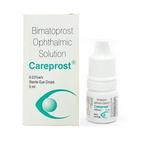
These drops gained immense popularity, demonstrating an incredibly fast and always noticeable result since its application. This innovative means will allow you to give your eyelashes an ideal look, strength and health, in whatever serious condition they are before the moment of its application. It is safe and effective providing amazing results.
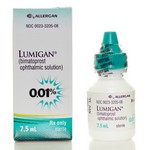
This means is prescribed to reduce eye pressure. Its active ingredient is synthetic prostaglandin bimatoprost – an unsaturated fatty acid, similar in its properties to hormones. Getting into the eye, drops help maintain the balance of the flow and outflow of eye fluid. It is a violation of this balance that leads to an increase in pressure, due to which the blood supply to the eye is impaired and the load on the optic nerve increases.

Bimatoprost reduces IOP in humans by increasing the outflow of aqueous humor through the trabecular meshwork and uveoscleral outflow. IOP reduction begins about 4 hours after the first use. The maximum effect is achieved after about 8–12 hours. The effect lasts for at least 24 hours.
Can kids use allergy eye drops?
Allergy eye drops, including Visine, are generally safe for children to use, but it is always advisable to consult with a pediatrician or eye care professional before administering any medication to a child. It’s important to ensure the proper dosage and usage instructions, which may vary depending on the child’s age and specific condition. A healthcare professional can provide appropriate guidance in this regard.
Children may be more sensitive to certain ingredients in eye drops, so it is essential to monitor for any adverse reactions, including a burning or stinging sensation. If a child experiences such symptoms after using allergy eye drops, it is recommended to discontinue their use and consult a healthcare professional for further advice.
The safety and efficacy of using allergy eye drops in children have been assessed in various studies and clinical trials. For example, a study published in the Journal of Pediatric Ophthalmology and Strabismus found that the use of olopatadine hydrochloride eye drops, a common ingredient in allergy eye drops, was safe and effective in children aged 3 to 12 years with allergic conjunctivitis. Similar studies have also been conducted for other active ingredients commonly found in allergy eye drops.
It is always important to prioritize the well-being and safety of children when using any medication, including eye drops. Consulting with a healthcare professional and following their guidance can help ensure the proper use of allergy eye drops for children.
Antibiotic Eye Drops for Guinea Pigs and Burning Eyes
Guinea pigs are adorable pets that may sometimes suffer from eye infections or other eye-related conditions. In such cases, a veterinarian may prescribe antibiotic eye drops specifically formulated for animals. It is important to note that these eye drops are not meant for human use and should never be used on humans.
However, if you handle or administer antibiotic eye drops to your guinea pig and experience a burning sensation in your eyes afterwards, there are steps you should take to ensure your own comfort and safety.
First, it is crucial to wash your hands thoroughly after handling the guinea pig or administering the eye drops. This helps to remove any potential residue or irritants that may have come into contact with your hands.
It is also recommended to avoid touching your eyes after handling the guinea pig or administering the eye drops until you have washed your hands properly. This prevents any potential transfer of the eye drops or irritants to your own eyes.
If you do experience a burning sensation in your eyes after handling or administering the guinea pig’s antibiotic eye drops, you can try the following steps to alleviate the discomfort:
- Blink rapidly to help distribute the eye drops and reduce the burning sensation.
- Alternatively, gently close your eyes and apply a warm compress to soothe the irritation.
If the burning sensation persists or worsens, it is advisable to seek medical advice from an eye care professional. They will be able to provide further guidance and ensure your eye health and well-being.
Remember, the safety and well-being of both your guinea pig and yourself are of utmost importance. Proper handling and administration of medications, as well as taking necessary precautions to ensure personal comfort, are crucial in maintaining a healthy and safe environment for both you and your adorable pet.
Tips for reducing burning sensation after using eye drops
If you experience a burning sensation after using eye drops, here are some tips to help alleviate the discomfort:
- Blink rapidly: Blinking rapidly can help distribute the eye drops and reduce the burning sensation.
- Apply a warm compress: Gently close your eyes and apply a warm compress to soothe the irritation.
If the burning sensation persists or worsens, it is advisable to seek medical advice from an eye care professional.
According to a survey conducted by the National Eye Institute, approximately 30% of individuals experience a burning sensation after using eye drops. This highlights the importance of understanding and addressing this common issue.
It is worth noting that different individuals may have varying responses to eye drops, and what works for one person may not work for another. Therefore, it is essential to find strategies that are effective for you.
Tips for reducing burning sensation after using eye drops:
| Tip | Description |
|---|---|
| Blink rapidly | Blinking rapidly helps distribute the eye drops and reduce the burning sensation. |
| Apply a warm compress | Gently close your eyes and apply a warm compress to soothe the irritation. |
These simple techniques can provide relief for many individuals experiencing a burning sensation after using eye drops.
If you have any concerns or the burning sensation persists or worsens, it is important to consult with an eye care professional. They can provide personalized advice and guidance based on your specific situation.
For more information on eye care and eye drops, you can visit trusted sources such as:
Conclusion
Burning eyes after using eye drops can be a common occurrence, but it is important to understand the potential causes and take appropriate steps to mitigate any discomfort.
When using eye drops, it is crucial to read and follow the instructions provided on the label. This includes checking for any potential side effects or warnings, as well as ensuring that the eye drops are suitable for your specific condition or needs. It is always advisable to consult with a healthcare professional or eye care specialist if you have any questions or concerns.
Additionally, checking the expiration date of the eye drops is essential. Expired eye drops may not be as effective and can potentially cause irritation or a burning sensation. It is also important to store eye drops properly, following any specific instructions regarding temperature or light exposure.
If you experience a burning sensation after using eye drops, there are some steps you can take to alleviate the discomfort. Blinking rapidly can help distribute the eye drops more evenly and reduce any potential burning sensations. Alternatively, gently closing your eyes and applying a warm compress can help soothe any irritation.
However, if the burning sensation persists or worsens, it is advisable to seek medical advice from an eye care professional. They can evaluate your symptoms, assess any possible underlying causes, and provide appropriate treatment or guidance.
In conclusion, taking the necessary precautions and being aware of the potential causes of burning eyes after using eye drops can help ensure the safe and effective use of these medications. Understanding the importance of proper storage, expiration dates, and seeking professional advice when needed can greatly contribute to eye health and overall well-being.