Can you put contacts in after using eye drops?
Using eye drops and wearing contact lenses are two common practices to maintain and improve eye health. However, it is important to understand the potential risks and factors to consider before using contacts after using eye drops.
The importance of properly using eye drops and contact lenses
Properly using eye drops and contact lenses is crucial to avoid any potential harm or discomfort to your eyes. Both eye drops and contact lenses should be used according to the instructions provided by the manufacturer or your eye care professional.
Eye drops are generally used to relieve various eye conditions such as dry eyes, redness, itchiness, or allergies. They contain specific ingredients that provide moisture or treat specific eye conditions. Using them incorrectly or in combination with contact lenses can lead to adverse effects.
Contact lenses, on the other hand, are designed to correct vision and improve eye comfort. They are placed directly on the surface of the eye and require proper cleaning and disinfection to prevent infections or other complications.
Potential risks of putting in contacts after using eye drops
Putting in contacts immediately after using eye drops can potentially increase the risks of adverse effects. Some risks include:
- Decreased effectiveness of eye drops: Contact lenses can act as a barrier and prevent eye drops from reaching the surface of the eye effectively. This can decrease the effectiveness of the eye drops in treating the intended condition.
- Increased risk of eye irritation or discomfort: Eye drops may contain preservatives or other ingredients that can interact with contact lenses and cause irritation or discomfort.
- Contamination of contact lenses: If the eye drops are contaminated or if there are any particles or debris in the eye drops, they can get trapped between the contact lens and the surface of the eye, leading to potential infections or other complications.
Factors to consider before using contacts with eye drops
Before using contact lenses after using eye drops, consider the following factors:
- Type of eye drops: Different eye drops are formulated for specific eye conditions. Some eye drops may be safe to use with contact lenses, while others may not be compatible.
- Time interval: If you need to use eye drops, it is generally recommended to wait for a specific period of time (usually 10-15 minutes) before putting in your contact lenses. This allows the eye drops to fully take effect and reduces the risk of potential interactions.
- Contact lens material: The material of your contact lenses can also impact the compatibility with eye drops. Some contact lenses are more resistant to interactions with eye drops, while others may be more prone to adverse reactions.
To ensure proper guidance and care for your eyes, it is always best to consult with your eye care professional. They can provide personalized advice and recommendations based on your specific needs and conditions.
Note: The information provided above is for informational purposes only and should not be considered as medical advice. Consult with your eye care professional for guidance on your specific situation.
Understanding the different types of eye drops
When it comes to caring for your eyes, using the right type of eye drops for specific conditions is crucial. Eye drops can be classified into various categories, each serving a specific purpose and addressing different eye concerns.
Lubricating Drops
Lubricating drops, also known as artificial tears, are the most commonly used eye drops. They provide temporary relief for dryness, itching, and irritation caused by environmental factors, such as wind, smoke, or prolonged screen time. Lubricating drops work by moisturizing the eyes and mimicking natural tears. They are typically safe to use with contact lenses, but it is important to check the packaging or consult with an eye care professional to ensure they are compatible with your specific lenses.
Allergy Eye Drops
Allergies can cause redness, itching, and watery eyes. For individuals with seasonal or perennial allergies, allergy eye drops can provide relief by reducing inflammation and allergic reactions. Antihistamine and mast cell stabilizer eye drops are commonly used to alleviate allergy symptoms. However, some allergy eye drops may contain preservatives that can be harmful to contact lenses. It is essential to use preservative-free allergy eye drops or remove your contacts before using them.
Medicated Eye Drops
Medicated eye drops are specifically formulated to treat a variety of eye conditions, including glaucoma, conjunctivitis, and inflammation. These drops often contain active ingredients such as antibiotics, corticosteroids, or beta blockers. It is generally not recommended to use medicated eye drops while wearing contact lenses, as they can interact with lens materials and potentially cause discomfort or damage. Always consult with your eye doctor before using medicated eye drops if you are a contact lens wearer.
Vasoconstrictor Eye Drops
Vasoconstrictor eye drops, also known as redness relievers, are designed to reduce redness in the eyes temporarily. They work by constricting blood vessels in the eye, which can provide a quick fix for bloodshot or irritated eyes. However, these drops should not be used regularly, as they can cause rebound redness and dependence on the drops. It is important to note that vasoconstrictor eye drops should never be used with contact lenses, as they can lead to corneal damage.
Prescription Eye Drops
Prescription eye drops are tailored to specific eye conditions and require a prescription from an eye care professional. These drops may contain specialized medications or higher concentrations of active ingredients to treat chronic conditions such as glaucoma or severe dry eye. When using prescription eye drops, it is essential to follow the instructions provided by your eye doctor and consult with them if you wear contact lenses.
Gaining a proper understanding of the different types of eye drops can help you choose the right one for your specific eye concern. Remember, always consult with an eye care professional before using any eye drops, especially if you wear contact lenses, to ensure the safety and effectiveness of the product.
3. The best eye drops for contact lens wearers
3.1. Lubricating eye drops for contact lens wearers
Lubricating eye drops are a popular choice for contact lens wearers as they can help relieve dryness and provide moisture to the eyes, which is especially important when wearing contact lenses. These drops work by adding a lubricating layer to the surface of the eye, reducing friction and discomfort.
Some popular lubricating eye drops that are suitable for contact lens wearers include:
| Brand | Product | Ingredients | Link |
|---|---|---|---|
| Blink | Blink Contacts Lubricating Eye Drops | Polyethylene glycol 400, propylene glycol | Blink Contacts Lubricating Eye Drops |
| Refresh | Refresh Contacts Comfort Drops | Carboxymethylcellulose sodium, glycerin | Refresh Contacts Comfort Drops |
| Systane | Systane Ultra Lubricant Eye Drops | Polyethylene glycol 400, propylene glycol | Systane Ultra Lubricant Eye Drops |
It is important to carefully follow the instructions provided by the manufacturer when using lubricating eye drops with contact lenses. Some drops may require you to remove your contact lenses before applying the drops, while others may be safe to use while wearing your lenses.
3.2. Allergy eye drops for contact lens wearers
Contact lens wearers who suffer from allergies may find relief with allergy eye drops. These drops can help alleviate symptoms such as itching, redness, and watering of the eyes caused by allergies.
Popular allergy eye drops that are safe for use with contact lenses include:
| Brand | Product | Ingredients | Link |
|---|---|---|---|
| Zaditor | Zaditor Antihistamine Eye Drops | Ketotifen fumarate | Zaditor Antihistamine Eye Drops |
| Alaway | Alaway Antihistamine Eye Drops | Ketotifen fumarate | Alaway Antihistamine Eye Drops |
| Claritin | Claritin Eye Antihistamine Relief Drops | Ketotifen fumarate | Claritin Eye Antihistamine Relief Drops |
Always check with your eye care professional before using allergy eye drops, as they may have specific recommendations based on your individual needs.
3.3. Medicated eye drops for contact lens wearers
In some cases, contact lens wearers may need to use medicated eye drops to treat specific eye conditions or infections. It is important to consult with an eye care professional before using any medicated eye drops with contact lenses, as some ingredients may be incompatible with certain lens materials.
Examples of medicated eye drops that may be prescribed or recommended for contact lens wearers include:
| Brand | Product | Ingredients | Link |
|---|---|---|---|
| Tobradex | Tobradex Ophthalmic Suspension | Tobramycin, dexamethasone | Tobradex Ophthalmic Suspension |
| Vigamox | Vigamox Ophthalmic Solution | Moxifloxacin | Vigamox Ophthalmic Solution |
| Besivance | Besivance Ophthalmic Suspension | Besifloxacin | Besivance Ophthalmic Suspension |
It is crucial to closely follow the instructions provided by your eye care professional when using medicated eye drops with contact lenses.
Remember, these are just a few examples of eye drops for contact lens wearers, and there are many other options available. Always consult with your eye care professional for personalized recommendations based on your specific needs and the type of contact lenses you wear.

Bimat eye drops are used to treat hypotrichosis, short, weak eyelashes. Bimat increases the length, thickness and enhances the color of eyelashes. These substances are also used to lower intraocular pressure in patients with a diagnosis of glaucoma. By reducing the pressure, the risk of blindness is significantly decreased.
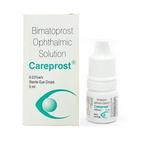
These drops gained immense popularity, demonstrating an incredibly fast and always noticeable result since its application. This innovative means will allow you to give your eyelashes an ideal look, strength and health, in whatever serious condition they are before the moment of its application. It is safe and effective providing amazing results.
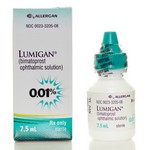
This means is prescribed to reduce eye pressure. Its active ingredient is synthetic prostaglandin bimatoprost – an unsaturated fatty acid, similar in its properties to hormones. Getting into the eye, drops help maintain the balance of the flow and outflow of eye fluid. It is a violation of this balance that leads to an increase in pressure, due to which the blood supply to the eye is impaired and the load on the optic nerve increases.

Bimatoprost reduces IOP in humans by increasing the outflow of aqueous humor through the trabecular meshwork and uveoscleral outflow. IOP reduction begins about 4 hours after the first use. The maximum effect is achieved after about 8–12 hours. The effect lasts for at least 24 hours.
The importance of properly using eye drops and contact lenses
When it comes to using eye drops and contact lenses, it’s crucial to understand the proper usage and potential risks involved. Putting in contact lenses after using eye drops can lead to complications and should be done with caution.
One of the main concerns is the interaction between the chemicals in eye drops and the materials of contact lenses. Some eye drops contain preservatives and other ingredients that can bind to and damage the surface of contact lenses. This can lead to discomfort, irritation, and even infection.
Additionally, eye drops are designed to be used directly on the surface of the eye, while contact lenses sit directly on the eye. When you apply eye drops, they coat the surface of the eye and form a film. If you insert contact lenses immediately after using eye drops, this film can get trapped between the lens and the eye, causing discomfort and blurred vision.
Before using contact lenses with eye drops, it’s essential to consider a few factors:
1. Consult with your eye care professional: They can provide guidance on the compatibility of the specific eye drops you are using with your contact lenses. They may recommend certain lens materials or specific types of eye drops that are safe to use together.
2. Follow the instructions: Read the instructions on both the eye drops and contact lens solution carefully. Some eye drops may have specific recommendations on the timing of their use with contact lenses. It’s essential to adhere to these instructions to minimize any potential risks.
3. Take your time: If you need to use eye drops throughout the day and also wear contact lenses, make sure to space out the applications appropriately. Waiting a few minutes after applying eye drops before inserting contact lenses can help minimize the risk of complications.
Remember, the primary goal of using eye drops and contact lenses is to maintain good eye health, comfort, and vision. By taking the time to understand the proper usage and potential risks, you can ensure the well-being of your eyes while enjoying the benefits of both eye drops and contact lenses.
Sources:
– American Academy of Ophthalmology. (2020). Eye Health Statistics.
– Mayo Clinic. (2021). Contact Lens Care: How to Clean, Store and Wear Contacts Safely.
– American Optometric Association. (2021). Lens Care Guide.
5. Tips for Properly Using Eye Drops with Contact Lenses
When using eye drops with contact lenses, it is essential to follow certain guidelines to ensure the safety and effectiveness of both the drops and the lenses. Here are some tips to help you properly use eye drops while wearing contact lenses:
- Consult your eye doctor: Before using any eye drops, it is always a good idea to consult your eye doctor or optometrist. They can provide specific recommendations based on your individual needs and the type of contact lenses you wear.
- Check for compatibility: Not all eye drops are compatible with contact lenses. Some eye drops may contain preservatives or other ingredients that can damage the lenses or cause discomfort when used together. Always check the label or package insert of the eye drops to ensure they are safe for use with contact lenses.
- Remove your lenses: In most cases, it is recommended to remove your contact lenses before using eye drops. This allows the drops to make direct contact with your eyes and properly treat any underlying conditions. If you are unsure whether you should remove your lenses, consult your eye doctor.
- Wait before putting in your lenses: After using eye drops, it is important to wait for a specific amount of time before putting your contact lenses back in. This waiting time may vary depending on the type of eye drop used and the instructions provided by your eye doctor or the manufacturer. It is crucial to follow these guidelines to prevent any potential interactions between the drops and the lenses.
- Properly clean and disinfect your lenses: Before putting your contact lenses back in, make sure to properly clean and disinfect them. Follow the recommended cleaning regimen provided by your eye doctor or the lens manufacturer. This helps ensure that your lenses are free from any contaminants that may have come into contact with the eye drops.
- Avoid touching the eye dropper tip: To minimize the risk of contamination, avoid touching the tip of the eye dropper to any surface, including your eye or eyelashes. Touching the tip can introduce bacteria or other harmful substances into the eye drops, increasing the risk of eye infections.
- Continue regular eye care: Eye drops can provide temporary relief or treatment for specific conditions, but they do not replace regular eye care. It is important to continue practicing good hygiene, taking breaks from wearing contact lenses when needed, and following the recommended schedule for lens replacement. Regular visits to your eye doctor are also crucial for monitoring the health of your eyes and ensuring proper contact lens fit.
Remember, these tips are general guidelines, and it is always best to consult your eye doctor for personalized advice. Following the proper guidelines for using eye drops with contact lenses can help keep your eyes healthy and comfortable.
The Importance of Properly Using Eye Drops and Contact Lenses
Properly using eye drops is essential for maintaining eye health and preventing complications. This is especially important for individuals who wear contact lenses. While eye drops can provide relief for various eye conditions, it is crucial to understand the potential risks of putting in contacts after using eye drops and consider certain factors before using contacts with eye drops.
Potential Risks of Putting in Contacts After Using Eye Drops
1. Contamination: Eye drops are in direct contact with the eye and can potentially introduce bacteria or other contaminants. Putting in contacts after using eye drops can increase the risk of introducing these contaminants onto the lenses, which may then transfer to the eyes.
2. Reduced Effectiveness: Some eye drops may contain ingredients that can interact with the material of contact lenses, reducing their effectiveness in delivering the intended benefits. This can make the eye drops less effective in treating the specific condition they are meant for.
3. Dryness or Irritation: Certain eye drops, such as those used for dry eyes, are formulated to provide lubrication and moisture. However, if contact lenses are inserted immediately after using these drops, they can absorb the moisture from the eyes, leading to dryness and irritation.
Factors to Consider Before Using Contacts with Eye Drops
1. Consult with an Eye Care Professional: It is important to consult with an eye care professional before using eye drops with contact lenses. They can provide you with specific instructions and recommendations based on your individual eye health and condition.
2. Read the Instructions: Always read and follow the instructions provided with both the eye drops and contact lenses. Different eye drop brands may have specific recommendations regarding the use of contacts with their products.
3. Wait for the Recommended Time: Some eye drops may require a specific waiting time before inserting contact lenses. This waiting period allows the active ingredients in the eye drops to take effect and reduces the risk of potential complications.
4. Consider Alternative Options: If using eye drops with contact lenses is not recommended or poses a risk, consider alternative options. This may include using lubricating eye drops specifically designed for use with contact lenses or discussing alternative treatment options with an eye care professional.
By understanding the potential risks and taking necessary precautions, individuals can effectively use eye drops while wearing contact lenses without compromising their eye health.
7. Tips for using eye drops with contacts
When using eye drops with contact lenses, it is essential to follow a few guidelines to ensure safety and effectiveness. Here are some tips to consider:
- Consult your eye care professional: Before using any eye drops with your contact lenses, it is crucial to consult your eye care professional. They can provide specific recommendations based on your eye condition and the type of contacts you wear.
- Choose the right eye drops: Different eye drops serve different purposes. Ensure that you are using the right type of eye drops for your specific needs. For example, lubricating drops are designed to relieve dryness and discomfort, while medicated eye drops are meant to treat specific conditions like redness, allergies, or infections.
- Remove your contacts: It is generally advised to remove your contact lenses before applying any eye drops. This allows the drops to properly reach the surface of your eyes and eliminates potential interaction between the contacts and the medication in the drops. If you have difficulty or discomfort removing your contacts, consult your eye care professional for assistance.
- Wait before reinserting your contacts: After applying eye drops, it is important to wait for a specific period of time before reinserting your contact lenses. The waiting time can vary depending on the type of eye drops. Some drops may require a longer waiting period to ensure proper absorption or avoid any potential adverse effects. Always read the instructions provided with the eye drops or consult your eye care professional for guidance.
- Avoid touching the dropper tip: To prevent contamination, it is essential to avoid touching the dropper tip of the eye drop bottle with your fingers or any other surface. Touching the tip can introduce bacteria or other contaminants into the solution, which may then come into contact with your eyes.
- Administer drops correctly: When applying eye drops, make sure to follow the proper technique recommended by your eye care professional. This may include tilting your head back, pulling down your lower eyelid, and instilling the drops into the lower part of your eye. Avoid blinking excessively or squeezing your eyes tightly, as this can reduce the effectiveness of the drops.
- Keep your eye drop bottles clean: It is essential to keep your eye drop bottles clean and free from any contaminants. Ensure that the cap is tightly closed after use, avoid touching the inside of the cap or the tip of the dropper, and store the bottle in a clean and dry place.
- Follow the recommended dosage: Stick to the recommended dosage and frequency of use provided by your eye care professional or as indicated on the eye drop packaging. Using too many drops or using them too frequently can lead to complications or interfere with the performance of your contact lenses.
Remember, proper usage of eye drops with contact lenses is essential for maintaining eye health and ensuring the effectiveness of both the drops and the contacts. When in doubt, always consult your eye care professional for guidance and recommendations.