Can expired eye drops be used to treat blepharitis?
Eye drops are commonly used to treat various eye conditions, including blepharitis, which is an inflammation of the eyelids. However, using expired eye drops for this purpose is not recommended. While expired eye drops may still be safe to use, their effectiveness in treating blepharitis may be significantly reduced.
It is important to understand that the effectiveness of eye drops is based on the active ingredients present in the formulation. Over time, these active ingredients may degrade, making the eye drops less effective in treating the intended condition. In the case of blepharitis, using expired eye drops may not provide sufficient relief from symptoms such as redness, itchiness, and irritation.
Furthermore, using expired eye drops can also pose potential risks and complications. Preservatives in the eye drops may break down over time, increasing the risk of contamination and bacterial growth. This can lead to eye infections and further exacerbate the symptoms of blepharitis.
It is advisable to check the expiration date on the packaging of the eye drops before using them. If the eye drops have expired, it is recommended to dispose of them properly and consult with a healthcare professional for alternative treatment options. They may be able to recommend other appropriate eye drops or medications to effectively manage blepharitis.
What would happen if you use expired eye drops?
Using expired eye drops can have potential consequences and may not effectively treat the intended condition. The expiry date on eye drop packaging indicates the period until which the medication remains stable and effective. After the expiry date, the medication may no longer provide the desired therapeutic effect.
Expired eye drops may have reduced efficacy, meaning they may not effectively treat the condition they were intended for. This could result in prolonged symptoms or a lack of improvement in the eye condition. In some cases, expired eye drops may even worsen the condition or cause additional complications.
Using expired eye drops can also lead to potential harm to the eyes. The chemical composition of the medication may change over time, resulting in the development of harmful substances or degradation of active ingredients. This can lead to adverse effects such as irritation, redness, or discomfort in the eyes.
The deterioration of the medication can also increase the risk of contamination. Expired eye drops may become a breeding ground for bacteria or other microorganisms, which can further exacerbate eye conditions or even lead to infections.
Some examples of possible side effects and complications that may arise from using expired eye drops include:
- Increased eye irritation
- Allergic reactions
- Inflammation
- Infection
- Dryness
- Blurry vision
- Corneal damage
It is important to note that the risks and consequences of using expired eye drops can vary depending on the specific medication and individual factors. It is always recommended to consult with a healthcare professional for advice on proper medication usage and to discuss alternative options if expired eye drops are the only available option.
Is there a substitute for timolol eye drops?
Timolol eye drops are commonly used for the treatment of glaucoma or hypertension of the eyes. However, if timolol eye drops are not available or if there is a need for an alternative medication, there are several substitutes that can be considered. It is important to note that the choice of substitute should be made in consultation with a healthcare professional, as they can provide the most appropriate guidance based on individual circumstances.
1. Beta-blocker eye drops
One possible substitute for timolol eye drops is another type of beta-blocker eye drop. Beta-blockers work by reducing the production of aqueous humor, the fluid that fills the front part of the eye. This helps to decrease intraocular pressure, which is a primary concern in glaucoma. Some examples of beta-blocker eye drops that may be prescribed as substitutes for timolol include:
It is important to follow the prescription and dosage instructions provided by a healthcare professional when using beta-blocker eye drops. Potential side effects and contraindications should also be discussed with a healthcare professional.
2. Prostaglandin analogs
Prostaglandin analogs are another class of medications commonly used for the treatment of glaucoma. These medications work by increasing the outflow of aqueous humor, thereby reducing intraocular pressure. Some examples of prostaglandin analogs that may be prescribed as substitutes for timolol include:
As with beta-blocker eye drops, the use of prostaglandin analogs should be done under the supervision and guidance of a healthcare professional. They can provide tailored recommendations and monitor for any potential side effects or interactions with other medications.
3. Carbonic anhydrase inhibitors
Carbonic anhydrase inhibitors are another class of medications that can be used as substitutes for timolol eye drops. These medications work by reducing the production of aqueous humor, similar to beta-blockers. Some examples of carbonic anhydrase inhibitors that may be prescribed as substitutes for timolol include:
As with any medication, it is important to follow the recommended dosage and instructions provided by a healthcare professional when using carbonic anhydrase inhibitors. They can provide additional information on potential side effects and drug interactions.
It is essential to note that the information provided here is for informational purposes only and should not replace the advice and guidance of a healthcare professional. The choice of substitute should be made in consultation with a healthcare professional who can take into account individual medical history, current medications, and other relevant factors.

Bimat eye drops are used to treat hypotrichosis, short, weak eyelashes. Bimat increases the length, thickness and enhances the color of eyelashes. These substances are also used to lower intraocular pressure in patients with a diagnosis of glaucoma. By reducing the pressure, the risk of blindness is significantly decreased.
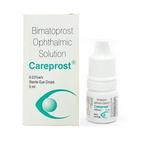
These drops gained immense popularity, demonstrating an incredibly fast and always noticeable result since its application. This innovative means will allow you to give your eyelashes an ideal look, strength and health, in whatever serious condition they are before the moment of its application. It is safe and effective providing amazing results.
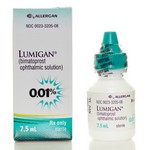
This means is prescribed to reduce eye pressure. Its active ingredient is synthetic prostaglandin bimatoprost – an unsaturated fatty acid, similar in its properties to hormones. Getting into the eye, drops help maintain the balance of the flow and outflow of eye fluid. It is a violation of this balance that leads to an increase in pressure, due to which the blood supply to the eye is impaired and the load on the optic nerve increases.

Bimatoprost reduces IOP in humans by increasing the outflow of aqueous humor through the trabecular meshwork and uveoscleral outflow. IOP reduction begins about 4 hours after the first use. The maximum effect is achieved after about 8–12 hours. The effect lasts for at least 24 hours.
Can antihistamine eye drops be used for pink eye?
When faced with symptoms of pink eye, also known as conjunctivitis, many people may wonder if antihistamine eye drops can provide relief. It is important to note that pink eye can have various causes, including viruses, bacteria, allergies, or irritants. Therefore, the appropriate treatment depends on the underlying cause of the condition.
Antihistamine eye drops are primarily designed to alleviate symptoms caused by allergies, such as itching and redness. These eye drops work by blocking the effects of histamines, which are chemicals released by the body in response to allergens.
While antihistamine eye drops may provide some temporary relief for symptoms of pink eye caused by allergies, they are not suitable for treating other types of conjunctivitis. For bacterial or viral conjunctivitis, prescription medications or antiviral drugs are typically required.
Consulting with a healthcare professional or an ophthalmologist is crucial to accurately diagnose the type of pink eye and recommend appropriate treatment. They may prescribe specific eye drops or medications tailored to the underlying cause of the condition.
It is important to note that self-diagnosis and self-medication can be risky, as they may lead to ineffective treatment and potential complications. Therefore, it is always recommended to seek professional medical advice for proper diagnosis and treatment.
Summary:
- Antihistamine eye drops may provide temporary relief for pink eye symptoms caused by allergies.
- Other types of conjunctivitis, such as bacterial or viral, require different treatment approaches.
- Consulting a healthcare professional or ophthalmologist is crucial for accurate diagnosis and appropriate treatment.
- Self-diagnosis and self-medication should be avoided to prevent ineffective treatment and potential complications.
For more information about pink eye and its treatment, refer to the Mayo Clinic or the American Academy of Ophthalmology.
How to Properly Store and Handle Eye Drops to Prevent Expiration
Proper storage and handling of eye drops are essential to maintain their effectiveness and prevent expiration. Here are some guidelines to follow:
1. Check the Expiration Date
Before using any eye drops, it is crucial to check the expiration date. Expired eye drops may not be as effective in treating your eye condition and can potentially cause harm. Using eye drops past their expiration date can lead to reduced efficacy and possible adverse reactions.
2. Store Eye Drops in a Cool, Dry Place
Eye drops are typically best stored in a cool, dry place. Avoid exposing them to extreme heat or cold, as temperature fluctuations can affect the stability of the active ingredients. Keep them away from direct sunlight and sources of moisture, such as bathrooms or kitchen sinks.
3. Close the Bottle Properly
After each use, ensure that the bottle is tightly closed to prevent contamination and maintain the integrity of the eye drops. This will also help to prevent evaporation of the solution, keeping it effective for longer.
4. Avoid Touching the Tip of the Bottle
When applying eye drops, it is important to avoid touching the tip of the bottle to any surfaces, including your eye. This can introduce bacteria into the bottle, potentially leading to eye infections or other complications. Use clean hands or a tissue to hold the bottle.
5. Follow Storage Instructions
Some eye drops may have specific storage instructions that differ from the general guidelines mentioned above. Always read and follow the instructions provided by the manufacturer or your healthcare professional to ensure proper storage and handling.
6. Dispose of Expired or Contaminated Eye Drops
If you come across expired eye drops or suspect that they have been contaminated, it is essential to dispose of them properly. Do not use them, as they may cause harm to your eyes. Check with your local pharmacy or healthcare provider for guidance on safe disposal methods.
By following these guidelines for proper storage and handling, you can help prolong the shelf life and maintain the effectiveness of your eye drops, ensuring optimal treatment for your eye condition.
Common Misconceptions About Expired Eye Drops and Their Usage
There are several common misconceptions when it comes to expired eye drops and their usage. It’s important to dispel these myths and provide accurate information to ensure the safety and effectiveness of eye drop usage.
1. Myth: Expired eye drops are still effective.
Fact: Expired eye drops may not be as effective as fresh ones. The active ingredients in eye drops can degrade over time, reducing their efficacy in treating various eye conditions. It is recommended to use eye drops within their expiration date for optimal results.
2. Myth: Expired eye drops are harmless.
Fact: Using expired eye drops can potentially harm the eyes. The chemical composition of eye drops can change over time, leading to irritation, allergic reactions, or corneal damage. It’s important to prioritize eye safety and avoid using expired medications.
3. Myth: Expired eye drops have no side effects.
Fact: Expired eye drops can have side effects similar to their fresh counterparts. These side effects may include stinging, burning, redness, or blurred vision. It is important to discontinue use and consult a healthcare professional if any adverse reactions occur.
4. Myth: Using expired eye drops is better than nothing.
Fact: It is always best to prioritize fresh, non-expired eye drops for treating eye conditions. Using expired eye drops may offer minimal relief or potentially worsen the condition. If no non-expired eye drops are available, it is recommended to consult a healthcare professional for alternative treatment options.
5. Myth: Eye drops can be used indefinitely after opening.
Fact: Eye drops, even unopened ones, have a limited shelf life after opening. It is important to follow the instructions provided by the manufacturer, which typically recommend discarding the eye drops after a certain period of time (e.g., 30 days). This ensures the freshness and efficacy of the medication.
By dispelling these misconceptions and providing accurate information, individuals can make informed decisions regarding the usage of eye drops for their eye conditions. Prioritizing eye safety, adhering to expiration dates, and seeking professional medical advice when necessary are crucial for optimal eye care.
When to Seek Professional Medical Advice for Eye Conditions
When it comes to our eyes, it’s important to prioritize their health and seek professional medical advice when needed. While minor irritations or occasional dryness may not always require immediate attention, there are certain symptoms and situations that should prompt a visit to a healthcare professional. Here are some key indications that it’s time to seek professional medical advice for your eye condition:
Sudden Changes in Vision
If you experience sudden changes in your vision, such as blurred or distorted vision, double vision, or difficulty seeing in low light conditions, it’s important to consult with a healthcare professional. These symptoms may be a sign of a serious underlying condition, such as macular degeneration, glaucoma, or retinal detachment. Early detection and treatment are crucial for preventing further damage and preserving your vision.
Eye Pain or Eye Injury
Any sudden or severe eye pain should be evaluated by a healthcare professional. Eye pain can be a symptom of various conditions, including corneal ulcers, eye infections, or foreign objects in the eye. Additionally, if you have experienced an eye injury, such as a chemical splash, foreign object penetration, or trauma, it’s important to seek medical attention immediately, as these injuries can have serious implications for eye health.
Eye Redness and Irritation
While mild redness and irritation may be common and resolve on their own, persistent or worsening redness and irritation should be evaluated by a healthcare professional. These symptoms can be indicative of conjunctivitis (commonly known as pink eye), allergies, or other underlying conditions that require appropriate treatment. It’s important to obtain an accurate diagnosis and appropriate treatment plan to alleviate symptoms and prevent complications.
Floaters, Flashes, or Dark Spots
If you notice floaters (tiny specks or cobweb-like shapes floating in your field of vision), flashes of light, or dark spots in your vision, it’s important to consult with a healthcare professional. These symptoms may be indicative of a vitreous detachment or retinal tear, which can lead to retinal detachment if left untreated. Prompt medical attention is essential to prevent permanent vision loss.
Eye Infections and Discharge
If you experience symptoms such as eye itchiness, excessive tearing, yellow or green eye discharge, or crusting around the eyelids, it’s important to seek professional medical advice. These symptoms may be indicative of an eye infection, such as bacterial or viral conjunctivitis. Prompt treatment is necessary to prevent the spread of infection and alleviate discomfort.
Changes in Eye Appearance
If you notice any changes in the appearance of your eyes, such as bulging eyes, drooping eyelids, bloodshot eyes, or changes in the size or shape of your pupils, it’s important to consult with a healthcare professional. These changes may be indicative of underlying conditions, such as thyroid eye disease, horner syndrome, or uveitis. Prompt diagnosis and appropriate management are crucial for maintaining eye health.
Regular Eye Examinations
Even if you don’t currently experience any symptoms or specific concerns about your eye health, it’s recommended to have regular eye examinations. Routine eye exams can detect early signs of eye conditions, monitor vision changes, and ensure optimal eye health. The frequency of eye exams may vary depending on your age, overall health, and any existing eye conditions, so it’s best to consult with a healthcare professional for personalized recommendations.
Remember, the information provided here is for informational purposes only and should not replace professional medical advice. If you have any concerns about your eye health or experience any symptoms mentioned above, it’s always best to seek guidance from a qualified healthcare professional.