

Atropine Eye Drops: A Brief Overview
Atropine eye drops are a commonly used medication in ophthalmology that can provide relief for various eye conditions. They work by dilating the pupil and reducing eye strain, making them an effective treatment option for certain eye conditions.
What are Atropine Eye Drops?
Atropine eye drops contain the active ingredient atropine sulfate, which belongs to a class of medications called anticholinergics. These eye drops are typically used to dilate the pupil and temporarily paralyze the muscle that controls the size of the pupil.
“Atropine eye drops are a commonly used medication in ophthalmology that can provide relief for various eye conditions.”
Purpose and Benefits of Atropine Eye Drops
Atropine eye drops are primarily used to manage certain eye conditions, including uveitis, keratopathy, and myopia. They can help alleviate symptoms such as eye pain, redness, and inflammation. Additionally, atropine eye drops are commonly used during eye examinations to allow for a better view of the inside of the eye.
One of the main benefits of atropine eye drops is their ability to dilate the pupil. This dilation allows more light to enter the eye, which can improve vision in some cases. Atropine eye drops can also help reduce eye strain and improve focus, making them particularly beneficial for individuals with certain refractive errors or conditions that affect the muscles in the eye.
How Atropine Eye Drops Work
When atropine eye drops are applied, they block the action of a neurotransmitter called acetylcholine, which is responsible for controlling the size of the pupil. By inhibiting the action of acetylcholine, atropine causes the pupil to dilate, allowing for enhanced vision and improved examination of the eye.
Atropine eye drops also have a relaxing effect on the muscles in the eye, which can help reduce eye strain and improve focus. This can be particularly beneficial for individuals with conditions such as myopia, where muscle strain can contribute to blurry vision.
Overall, atropine eye drops are a valuable tool in the management of various eye conditions and can provide significant benefits for patients.
The Safety of Atropine Eye Drops
There are certain misconceptions surrounding the safety of atropine eye drops, but it is important to understand that these eye drops have undergone rigorous testing and have been approved for over-the-counter use. Here, we will address some common concerns and provide information on how to minimize potential adverse effects.
Rigorous Testing and Approval Process
Atropine eye drops are subject to strict regulatory standards and undergo a thorough testing process to ensure their safety and effectiveness. The manufacturing and distribution of these eye drops are closely monitored by regulatory bodies, such as the Food and Drug Administration (FDA). This ensures that atropine eye drops available in the market meet the required quality standards.
Addressing Concerns about Adverse Effects
While every medication comes with the potential for adverse effects, it is important to note that the occurrence of adverse effects with atropine eye drops is relatively rare. Most common side effects, such as blurred vision, sensitivity to light, and dryness in the eye, are mild and temporary. These side effects can be minimized by following proper usage guidelines and consulting with an eye care professional.
Minimizing Adverse Effects
To minimize potential adverse effects, it is recommended to follow the instructions provided with the atropine eye drops. The dosage and frequency of use will depend on the individual’s specific eye condition and should be determined by an eye care professional. It is important to avoid using expired or contaminated eye drops, and to properly clean and care for the eye dropper to prevent any infections.
If you experience any severe or persistent side effects after using atropine eye drops, it is important to seek immediate medical attention. Your eye care professional will be able to assess your condition and provide appropriate guidance.
Effectiveness of Atropine Eye Drops for Glaucoma
Glaucoma is a chronic eye condition characterized by increased pressure within the eye, which can lead to damage to the optic nerve and potential vision loss. Fortunately, atropine eye drops have proven to be an effective treatment option for managing glaucoma symptoms.
The Benefits of Atropine Eye Drops for Glaucoma
Atropine eye drops work by dilating the pupil and relaxing the muscles in the eye, which helps to reduce intraocular pressure. By lowering the pressure within the eye, atropine eye drops can help slow down or prevent the progression of glaucoma.
Compared to other glaucoma treatment options, such as beta-blockers or prostaglandin analogs, atropine eye drops have been found to be equally effective in reducing intraocular pressure. However, it is worth noting that atropine eye drops may have a greater likelihood of causing blurred vision and other temporary side effects.
Considerations and Precautions for Using Atropine Eye Drops in Glaucoma Patients
Before using atropine eye drops for glaucoma, it is important for patients to consult with their eye care professional. The eye care professional will evaluate the patient’s specific condition and determine whether atropine eye drops are the most appropriate treatment option.
It is crucial for glaucoma patients to closely follow the prescribed usage guidelines for atropine eye drops. This includes applying the drops as directed by the eye care professional and attending regular check-ups to monitor the effectiveness of the treatment and ensure proper eye health.
While atropine eye drops are generally safe to use, there are some potential side effects and precautions to be aware of. These can include blurred vision, increased sensitivity to light, dryness of the eyes, and potential allergic reactions. Patients should immediately report any unusual or severe side effects to their eye care professional.
Additionally, patients with specific eye conditions or allergies may need to exercise caution when using atropine eye drops. Individuals with certain forms of glaucoma or a history of adverse reactions to the medication should discuss their concerns with their eye care professional to determine the best course of action.
Overall, atropine eye drops can be an effective treatment option for managing glaucoma symptoms. However, it is essential for patients to consult with their eye care professional and closely follow the prescribed guidelines to ensure the safety and effectiveness of the treatment.
 Bimatoprost
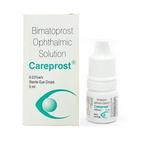
Bimat eye drops are used to treat hypotrichosis, short, weak eyelashes. Bimat increases the length, thickness and enhances the color of eyelashes. These substances are also used to lower intraocular pressure in patients with a diagnosis of glaucoma. By reducing the pressure, the risk of blindness is significantly decreased.
$38.00 per bottleBimatoprostThese drops gained immense popularity, demonstrating an incredibly fast and always noticeable result since its application. This innovative means will allow you to give your eyelashes an ideal look, strength and health, in whatever serious condition they are before the moment of its application. It is safe and effective providing amazing results.
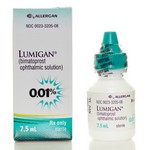
$35.66 per bottleBimatoprostThis means is prescribed to reduce eye pressure. Its active ingredient is synthetic prostaglandin bimatoprost – an unsaturated fatty acid, similar in its properties to hormones. Getting into the eye, drops help maintain the balance of the flow and outflow of eye fluid. It is a violation of this balance that leads to an increase in pressure, due to which the blood supply to the eye is impaired and the load on the optic nerve increases.
$65.17 per bottleBimatoprostBimatoprost reduces IOP in humans by increasing the outflow of aqueous humor through the trabecular meshwork and uveoscleral outflow. IOP reduction begins about 4 hours after the first use. The maximum effect is achieved after about 8–12 hours. The effect lasts for at least 24 hours.
$29.00 per bottleSafe Usage Guidelines for Atropine Eye Drops
When using atropine eye drops, it is crucial to follow safe usage guidelines to ensure optimal results and minimize the risk of adverse effects. Here are some important considerations:
Frequency and Dosage
The frequency and dosage of atropine eye drops may vary depending on the specific eye condition being treated and individual factors. It is essential to consult with an eye care professional for personalized recommendations. In general, the typical dosage for adults and children is one drop in the affected eye(s) once daily.
For some conditions, such as certain cases of glaucoma, a higher dose may be required. Your eye care professional will determine the appropriate dosage and provide detailed instructions.
Application Techniques
Proper application techniques are crucial to ensure the efficacy and safety of atropine eye drops. Follow these steps:
- Wash your hands thoroughly with soap and water.
- Gently tilt your head backward or lean back in a comfortable position.
- Using your finger, gently pull down the lower eyelid to create a small pocket.
- Hold the dropper close to your eye without touching it.
- Squeeze the prescribed number of drops into the pocket created by the lower eyelid. Be careful not to let the dropper tip touch your eye or any other surface to avoid contamination.
- Release the lower eyelid and gently close your eye for a few seconds to allow the drops to spread evenly across the surface.
- If instructed, gently press on the inner corner of your eye with a clean finger for a minute. This helps prevent the eye drops from draining into your tear duct and entering the bloodstream.
- Wipe away any excess medication around your eye with a clean tissue, being careful not to rub your eye.
- Wash your hands again to remove any residual medication.
Warnings and Precautions
While atropine eye drops are generally safe, it is vital to be aware of the following warnings and precautions:
- Do not use atropine eye drops if you have a known allergy to atropine or any of its ingredients.
- Inform your eye care professional about all your current medications, including prescription and over-the-counter drugs, as well as any existing medical conditions.
- If you experience severe eye pain, changes in vision, eye redness, or other unusual symptoms after using atropine eye drops, seek immediate medical attention.
- Avoid driving or engaging in activities that require clear vision until you know how your eyes will respond to the medication, as atropine may cause temporary blurred vision or other visual disturbances.
It is essential to read and follow the instructions provided with the specific brand and formulation of atropine eye drops you are using. If you have any questions or concerns, consult your eye care professional for clarification.
Atropine Eye Drops for Children: What Parents Need to Know
When it comes to taking care of our children’s health, it’s imperative to be well-informed about different treatment options that may be prescribed by healthcare professionals. One such treatment option for certain pediatric eye conditions is the use of atropine eye drops. Here’s what parents need to know:
1. Explaining the Use of Atropine Eye Drops in Children, Including Infants
Atropine eye drops are a medication that contains a compound called atropine sulfate. These drops are used to dilate the pupil and relax the muscles of the eye. They are commonly prescribed for various eye conditions in children, including:
- Lazy eye (amblyopia)
- Nearsightedness (myopia)
- Eye misalignment (strabismus)
Atropine eye drops can even be used in infants to treat conditions like congenital cataracts. However, it’s important to note that the use of atropine eye drops in children is always determined on a case-by-case basis by an experienced eye care professional.
2. Discussing the Safety and Efficacy of Atropine Eye Drops for Various Pediatric Eye Conditions
Atropine eye drops have been widely used in the field of pediatric ophthalmology for many years. Multiple studies have shown their effectiveness in treating various eye conditions in children. Research has demonstrated that atropine eye drops can:
- Prevent the progression of myopia in children
- Improve visual acuity in cases of amblyopia
- Help realign misaligned eyes and improve depth perception in children with strabismus
It’s important for parents to understand that the use of atropine eye drops should be done under the supervision and guidance of an eye care professional. They will assess the child’s specific condition and determine the appropriate dosage and duration of treatment.
3. Providing Guidance for Parents on Administering Atropine Eye Drops to Their Children
Administering eye drops to children can be challenging, but with a few techniques, parents can make the process easier. Here are some tips for administering atropine eye drops to children:
- Wash your hands thoroughly before handling the eye drops.
- Gently tilt the child’s head backward or have them lie down.
- Using one hand, gently pull down the lower eyelid to create a small pocket.
- With the other hand, hold the eye drop bottle close to the eye, but avoid touching the eye or eyelashes.
- Squeeze the bottle to release a single drop into the pocket formed by the lower eyelid. Ensure the drop does not touch any other part of the eye.
- Release the eyelid and have the child close their eye gently.
It’s essential to follow the specific instructions provided by the prescribing eye care professional and to ask any questions or seek clarification if needed. They can also provide additional guidance tailored to the child’s age and condition.
Conclusion
Atropine eye drops can be a beneficial treatment option for specific eye conditions in children. They have been extensively studied and proven effective in managing conditions like amblyopia, myopia, and strabismus. However, it is crucial for parents to consult with an eye care professional to assess their child’s individual needs and receive proper guidance for administering atropine eye drops. By working together with healthcare professionals, parents can ensure the optimal treatment and care for their child’s eye health.
Recent Incidents and Controversies Surrounding Atropine Eye Drops
Atropine eye drops have been used for many years to treat various eye conditions, with a strong track record of safety and efficacy. However, like any medication, there have been reports of adverse reactions or incidents involving atropine eye drops. It’s important to understand these incidents, their causes, and the actions taken to address them.
One incident that gained attention was the recall of a specific brand of atropine eye drops due to a manufacturing error that resulted in contamination. This incident was swiftly addressed by the regulatory body responsible for overseeing pharmaceutical products, and the manufacturer took immediate action to rectify the situation. It serves as a reminder of the importance of quality control measures and rigorous testing in the production of medications.
Another concern with atropine eye drops is the potential for allergic reactions. While rare, some individuals may have an allergic response to atropine or one of the other ingredients in the eye drops. Symptoms of an allergic reaction can include itching, redness, swelling, or difficulty breathing. If you experience any of these symptoms after using atropine eye drops, it is crucial to seek medical attention immediately.
To ensure the safety and effectiveness of atropine eye drops, regulatory bodies such as the Food and Drug Administration (FDA) in the United States and the European Medicines Agency (EMA) have stringent guidelines in place for the approval and monitoring of these medications. Before a medication like atropine eye drops can be made available to the public, it must undergo extensive testing in clinical trials to evaluate its safety and efficacy.
In addition to regulatory oversight, healthcare professionals play a crucial role in monitoring the use of atropine eye drops. Eye care professionals, such as ophthalmologists or optometrists, are highly trained experts who can provide guidance on the appropriate dosage and frequency of use for atropine eye drops. They can also monitor patients for any potential adverse effects and adjust the treatment plan as needed.
It’s worth noting that the benefits of atropine eye drops for certain eye conditions, such as glaucoma, often outweigh the potential risks. Glaucoma is a chronic condition that can lead to vision loss if left untreated or unmanaged. Atropine eye drops have shown effectiveness in managing the symptoms of glaucoma and reducing intraocular pressure.
To address any concerns or controversies surrounding atropine eye drops, it is essential to rely on reputable sources of information, such as the FDA or EMA websites. These regulatory bodies provide up-to-date information on approved medications, recalls, and any reported adverse events. It’s always advisable to consult with an eye care professional or pharmacist if you have any questions or concerns about atropine eye drops or any medication you are considering using.
In conclusion, incidents involving atropine eye drops are rare but should be taken seriously. Regulatory bodies and manufacturers are committed to ensuring the safety and efficacy of these medications, taking action when necessary to address any issues that may arise. By seeking professional advice and staying informed through reliable sources, patients can make informed decisions and use atropine eye drops safely and effectively.Seeking Professional Advice for Atropine Eye Drops
When considering the use of atropine eye drops, it is crucial to seek professional advice from an eye care professional. They play a vital role in ensuring the safe and effective use of atropine eye drops based on individual needs and conditions.
Here are some key reasons to consult with an eye care professional before using atropine eye drops:
1. Personalized Guidance:
An eye care professional will assess your specific eye condition, medical history, and other factors to determine if atropine eye drops are suitable for you. They can provide tailored guidance and recommendations to meet your unique needs.
2. Monitoring and Dosage Adjustment:
The dosage of atropine eye drops may vary depending on the severity of your eye condition. Eye care professionals play a crucial role in monitoring your progress and adjusting the dosage as needed to ensure optimal results.
For example, in cases of glaucoma, an eye care professional will closely monitor the effects of atropine eye drops on intraocular pressure (IOP). Regular eye examinations and consultations help them track any changes and adjust the dosage accordingly.
3. Expertise and Experience:
Eye care professionals have in-depth knowledge and experience in the field of ophthalmology. They stay updated with the latest research, guidelines, and best practices related to using atropine eye drops and can provide you with evidence-based recommendations for your specific condition.
4. Addressing Concerns and Questions:
If you have any concerns, doubts, or questions regarding the use of atropine eye drops, consulting an eye care professional is the best way to seek clarification. They can provide you with accurate information, address any misconceptions, and alleviate any anxieties you may have.
Furthermore, the role of an eye care professional extends beyond initial consultation. They are available to support you throughout your treatment journey, ensuring that you receive the necessary guidance and care.
Remember, self-diagnosis and self-medication can be risky and may lead to adverse effects. Consulting with an eye care professional is essential to ensure the proper use of atropine eye drops and to maximize the benefits while minimizing any potential risks.
If you are experiencing any eye-related symptoms or considering the use of atropine eye drops, schedule an appointment with a trusted eye care professional. They are your best resource for personalized advice and guidance on using atropine eye drops safely and effectively.