What are Astringent Eye Drops?
Astringent eye drops are over-the-counter medications that are commonly used to relieve symptoms of various eye conditions, including redness, itching, and irritation. These drops work by constricting the blood vessels in the eye, which helps reduce inflammation and provide temporary relief.
Common Ingredients in Astringent Eye Drops
Astringent eye drops typically contain a combination of different ingredients. Some of the common ingredients found in these drops include:
- Vasoconstrictors: These are substances like tetrahydrozoline, which help shrink the blood vessels in the eye. By doing so, they reduce redness and swelling.
- Lubricants: Ingredients like glycerin or propylene glycol are commonly used as lubricants in astringent eye drops. These help moisturize the eyes and alleviate dryness.
- Preservatives: Some astringent eye drops may also include preservatives to prevent bacterial growth. However, preservative-free options are available for those who may have sensitivity or allergies to preservatives.
Uses and Benefits of Astringent Eye Drops
Astringent eye drops can be used to provide relief for a variety of eye conditions. Some of the common uses and benefits include:
- Alleviating symptoms associated with allergies, such as redness, itchiness, and irritation in the eyes.
- Providing temporary relief for dry eyes by moisturizing and lubricating the eyes.
- Relieving minor eye irritations caused by environmental factors or contact lens discomfort.
- These drops are easily accessible and can be used as needed without a prescription.
Sources of Information
For more information about astringent eye drops, you can refer to the following reputable sources:
These sources provide comprehensive information about eye health, medications, and common eye conditions.
Common Ingredients in Astringent Eye Drops
Astringent eye drops typically contain a combination of ingredients that work together to provide relief from various eye conditions. These drops may include:
Vasoconstrictors:
- Tetrahydrozoline: helps to shrink the blood vessels in the eye, reducing redness and swelling.
- Naphazoline: another vasoconstrictor that reduces eye redness by constricting blood vessels.
- Oxymetazoline: works to relieve eye redness and irritation.
Lubricants:
Lubricating ingredients help to moisturize the eyes and relieve dryness. Some commonly used lubricants in astringent eye drops include:
- Glycerin: helps to lubricate and soothe the eyes.
- Propylene Glycol: another lubricant that moisturizes the eyes and alleviates dryness.
- Polyethylene glycols: commonly used as lubricating agents in eye drops.
Preservatives:
Preservatives are added to astringent eye drops to prevent bacterial growth and keep the solution sterile. However, some individuals may be sensitive to these preservatives. Some common preservatives found in astringent eye drops are:
- Benzalkonium Chloride: a widely used preservative that helps to prevent contamination.
- Disodium EDTA: acts as a chelating agent to maintain the effectiveness of the other ingredients.
It is important to note that while these ingredients are generally safe for short-term use, prolonged or excessive use of astringent eye drops may cause rebound redness or irritation, and it is best to follow the recommended usage guidelines provided by the manufacturer.
Uses and Benefits of Astringent Eye Drops
Astringent eye drops are a widely used over-the-counter medication for providing relief from various eye conditions. Here are some common uses and benefits of astringent eye drops:
Allergies
Astringent eye drops can help alleviate symptoms associated with allergic reactions in the eyes. They can provide temporary relief from redness, itching, and irritation caused by allergens such as pollen, pet dander, or dust mites.
Dry Eyes
Many people experience dry eyes, which can lead to discomfort, redness, and a gritty feeling in the eyes. Astringent eye drops containing lubricants like glycerin or propylene glycol can help moisturize the eyes and alleviate dryness.
Minor Eye Irritations
If you’re experiencing minor eye irritations due to factors like smoke, dust, or cosmetics, astringent eye drops can provide temporary relief. They can help reduce redness, itching, and discomfort caused by these irritants.
Contact Lens Discomfort
Wearing contact lenses for an extended period can cause dryness and discomfort in the eyes. Astringent eye drops can help lubricate the eyes and relieve the discomfort associated with wearing contact lenses.
Astringent eye drops can be easily purchased over the counter without a prescription. They provide quick relief from symptoms and can be used as needed throughout the day.
It’s important to note that astringent eye drops should not be used as a long-term solution for chronic eye conditions. If you’re experiencing persistent or severe eye symptoms, it’s best to consult with an eye care professional for a comprehensive examination and appropriate treatment.

Bimat eye drops are used to treat hypotrichosis, short, weak eyelashes. Bimat increases the length, thickness and enhances the color of eyelashes. These substances are also used to lower intraocular pressure in patients with a diagnosis of glaucoma. By reducing the pressure, the risk of blindness is significantly decreased.
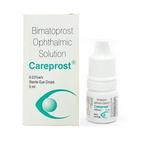
These drops gained immense popularity, demonstrating an incredibly fast and always noticeable result since its application. This innovative means will allow you to give your eyelashes an ideal look, strength and health, in whatever serious condition they are before the moment of its application. It is safe and effective providing amazing results.
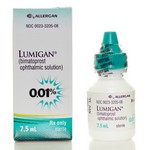
This means is prescribed to reduce eye pressure. Its active ingredient is synthetic prostaglandin bimatoprost – an unsaturated fatty acid, similar in its properties to hormones. Getting into the eye, drops help maintain the balance of the flow and outflow of eye fluid. It is a violation of this balance that leads to an increase in pressure, due to which the blood supply to the eye is impaired and the load on the optic nerve increases.

Bimatoprost reduces IOP in humans by increasing the outflow of aqueous humor through the trabecular meshwork and uveoscleral outflow. IOP reduction begins about 4 hours after the first use. The maximum effect is achieved after about 8–12 hours. The effect lasts for at least 24 hours.
Steroid Eye Drops List: Medications for Treating Eye Inflammation and Conditions
Steroid eye drops are a type of medication used to treat various eye conditions, including inflammation, allergies, and certain eye diseases. These drops contain corticosteroids, which help to reduce inflammation and suppress the immune response in the eyes. Here is a list of some common steroid eye drops:
- Dexamethasone: Dexamethasone is a potent corticosteroid that is commonly used to treat severe inflammation and allergic reactions in the eyes. It can provide quick relief from symptoms but should be used with caution due to the risk of side effects.
- Fluorometholone: Fluorometholone is a milder corticosteroid that is often used to treat mild to moderate inflammation and allergic conditions in the eyes. It is available in different strengths and formulations, including eye drops and ointments.
- Prednisolone: Prednisolone is another commonly used corticosteroid that is available in various forms, including eye drops, ointments, and oral tablets. It is effective in reducing inflammation and can be used to treat a wide range of eye conditions.
- Loteprednol etabonate: Loteprednol etabonate is a newer corticosteroid that has a lower risk of side effects compared to some other options. It is often prescribed to treat inflammation and pain after eye surgery or for short-term use in certain eye conditions.
It is important to note that steroid eye drops should only be used under the guidance of a healthcare professional. Prolonged use of these drops can increase the risk of side effects, such as glaucoma, cataracts, and increased susceptibility to eye infections. Regular monitoring and follow-up with an eye care professional are necessary when using steroid eye drops.
For more information on steroid eye drops and their proper use, it is recommended to consult reliable sources, such as the American Academy of Ophthalmology (www.aao.org) or the National Eye Institute (www.nei.nih.gov).
Myopia Eye Drops: Can They Help Slow Down Nearsightedness?
Myopia, commonly known as nearsightedness, is a refractive error that affects the ability to see distant objects clearly. While there is no cure for myopia, researchers have been investigating various methods to slow down its progression, and one potential solution being explored is the use of myopia eye drops.
What are Myopia Eye Drops?
Myopia eye drops, also known as atropine eye drops, are a medication that has shown promise in slowing down the progression of myopia, particularly in children. Atropine is a type of medication that works by dilating the pupil and temporarily paralyzing the focusing muscles in the eye.
Research on Myopia Eye Drops
Several studies have been conducted to evaluate the effectiveness of myopia eye drops in slowing down the progression of nearsightedness. One notable study is the ATOM (Atropine for the Treatment of Myopia) studies, which looked at the use of atropine eye drops in children with myopia.
In the ATOM studies, it was found that low-dose atropine eye drops (0.01% concentration) were effective in slowing down myopia progression by approximately 50-60%. The higher concentration of atropine eye drops (0.5% or 1%) was even more effective, but it also had more side effects such as light sensitivity.
Using Myopia Eye Drops
Myopia eye drops should only be used under the supervision of an eye care professional. The concentration and frequency of the eye drops will be determined by the eye doctor based on the severity of the myopia and the individual’s specific needs. It’s important to follow the prescribed dosing instructions and attend regular follow-up appointments to monitor the progress.
Side Effects and Considerations
While myopia eye drops have shown promise in slowing down the progression of nearsightedness, they can still have side effects. One common side effect is pupil dilation, which can lead to increased sensitivity to light. Some individuals may also experience blurred vision or difficulty focusing on nearby objects.
Additionally, myopia eye drops should not be used without a prescription, as they require careful monitoring by an eye care professional. The long-term effects and optimal duration of treatment are still being studied, so it’s important to discuss the potential risks and benefits with a healthcare provider before starting treatment.
Conclusion
While myopia eye drops are not a cure for nearsightedness, they have shown promise in slowing down the progression of myopia, particularly in children. If you or your child has myopia, it’s important to speak with an eye care professional to determine if myopia eye drops may be a suitable option. With proper guidance and monitoring, myopia eye drops may help in managing and potentially slowing down the progression of nearsightedness.
Acular LS Eye Drops: Uses, Benefits, and More
Acular LS eye drops are a commonly prescribed medication used to treat eye conditions involving inflammation and pain. They contain ketorolac tromethamine, a nonsteroidal anti-inflammatory drug (NSAID) that helps reduce swelling and relieve discomfort in the eyes. Here’s what you need to know about Acular LS eye drops:
Uses of Acular LS Eye Drops
Acular LS eye drops are primarily used to treat the following conditions:
- Postoperative inflammation: Acular LS eye drops are often prescribed to patients after undergoing eye surgery, such as cataract removal or refractive surgeries, to minimize postoperative inflammation and pain.
- Allergic conjunctivitis: These eye drops can also be used to relieve symptoms of allergic conjunctivitis, an allergic reaction that causes redness, itching, and swelling in the eyes.
- Corneal refractive surgery discomfort: Acular LS eye drops are sometimes prescribed to patients who have undergone corneal refractive surgery, such as LASIK, to alleviate discomfort and promote healing.
How Acular LS Eye Drops Work
Acular LS eye drops work by inhibiting the production of prostaglandins, substances that play a role in triggering inflammation and pain in the eyes. By reducing the levels of prostaglandins, these eye drops help decrease swelling, redness, and discomfort.
Benefits of Acular LS Eye Drops
The use of Acular LS eye drops comes with several benefits, including:
- Effective inflammation relief: By targeting the underlying inflammation, Acular LS eye drops provide effective relief from swelling and other associated symptoms.
- Rapid action: These eye drops start working quickly, often providing noticeable relief within a short period.
- Easy to use: Acular LS eye drops come in a convenient dropper bottle, making them easy to apply and administer.
- Minimal side effects: When used as directed, Acular LS eye drops generally have minimal side effects, although some individuals may experience temporary stinging or burning upon application.
Important Considerations
Before using Acular LS eye drops, it is essential to keep the following considerations in mind:
- Prescription required: Acular LS eye drops require a prescription from a healthcare professional. Never use them without proper medical guidance.
- Short-term use: Acular LS eye drops are typically prescribed for short-term use, generally seven to ten days. Prolonged use may increase the risk of side effects.
- Potential side effects: While side effects are rare, they can include eye irritation, blurred vision, eye discharge, and increased sensitivity to light. If you experience any unusual or severe side effects, consult your healthcare provider immediately.
It is important to follow the instructions provided by your healthcare professional and use Acular LS eye drops as directed. If you have any concerns or questions about the medication, be sure to discuss them with your healthcare provider.
7. Side effects and precautions of astringent eye drops
While astringent eye drops are generally considered safe for use, there are some possible side effects and precautions to be aware of:
1. Stinging or burning sensation:
Some individuals may experience a temporary stinging or burning sensation in their eyes after applying astringent eye drops. This sensation usually subsides quickly, but if it persists or worsens, it is important to stop using the drops and consult with a healthcare professional.
2. Dryness or discomfort:
In some cases, astringent eye drops may cause temporary dryness or discomfort in the eyes. If this occurs, it is recommended to use lubricating eye drops to alleviate the dryness and provide added comfort.
3. Allergic reactions:
While rare, some individuals may have an allergic reaction to the ingredients in astringent eye drops. Symptoms of an allergic reaction may include itching, redness, swelling, or a rash. If these symptoms occur, it is important to discontinue use and seek medical attention.
4. Contact lens intolerance:
Astringent eye drops are not typically recommended for use while wearing contact lenses. The ingredients in the drops may interact with the lenses and cause irritation. It is advisable to remove contact lenses before using astringent eye drops and wait for at least 10-15 minutes before reinserting them.
5. Use in specific populations:
It is important to consult with a healthcare professional before using astringent eye drops if you have any underlying medical conditions, are pregnant or breastfeeding, or if you are taking any other medications. They can provide guidance on the safety and appropriateness of using these drops in your specific situation.
In summary, while astringent eye drops can provide temporary relief from eye redness, itching, and irritation, it is important to use them as directed and be aware of any potential side effects. If you experience any concerning symptoms or if your eye condition worsens, it is advisable to seek medical attention from a healthcare professional.