Maxitrol Eye Drops: An Overview
Maxitrol eye drops are a popular medication used to treat various eye conditions. They are a combination of three active ingredients: neomycin sulfate, polymyxin B sulfate, and dexamethasone. Neomycin and polymyxin B are antibiotics used to treat and prevent bacterial infections, while dexamethasone is a corticosteroid that helps reduce inflammation and swelling.
These eye drops are commonly prescribed by ophthalmologists to manage conditions such as conjunctivitis (pink eye), blepharitis (eyelid inflammation), and post-operative inflammation after eye surgeries like cataract surgery.
Maxitrol eye drops work by inhibiting the growth of bacteria and reducing inflammation in the eyes. The combination of antibiotics helps to fight bacterial infections, while the corticosteroid reduces swelling and discomfort.
The usage of Maxitrol eye drops is not limited to treating specific eye conditions. They can also be used as prophylaxis to prevent eye infections in certain situations, such as before and after eye surgeries.
It is important to note that Maxitrol eye drops are a prescription medication and should be used under the guidance of a healthcare professional. Following the doctor’s instructions regarding dosage and frequency is crucial for the effective and safe use of Maxitrol eye drops.
Using Maxitrol Eye Drops After Cataract Surgery
Why Maxitrol Eye Drops are commonly prescribed after cataract surgery
Cataract surgery is a common procedure that involves the removal of a cloudy lens from the eye and its replacement with an artificial lens. While cataract surgery is generally safe and effective, there is a risk of developing post-operative complications, such as inflammation and infection. To minimize these risks and promote proper healing, ophthalmologists often prescribe Maxitrol eye drops to their patients after cataract surgery.
The benefits of using Maxitrol Eye Drops in post-operative care
Maxitrol eye drops contain a combination of three active ingredients: neomycin, polymyxin B, and dexamethasone. Neomycin and polymyxin B are antibiotics that help prevent and treat bacterial infections, while dexamethasone is a corticosteroid that reduces inflammation. By combining these ingredients, Maxitrol eye drops provide a broad spectrum of protection against infection and inflammation, which are common complications following cataract surgery.
One of the key benefits of using Maxitrol eye drops is their ability to reduce post-operative inflammation. Inflammation can occur as a natural response to the surgical trauma and is characterized by redness, swelling, and discomfort. By using Maxitrol eye drops as prescribed by the ophthalmologist, patients can experience a reduction in inflammation and an overall improvement in comfort and vision.
Additionally, Maxitrol eye drops help prevent and treat bacterial infections, which can occur after cataract surgery. The surgery creates an open wound in the eye, increasing the risk of infection. By using Maxitrol eye drops, patients can help protect against bacterial growth and promote proper healing.
How to properly use Maxitrol Eye Drops after cataract surgery
It is essential to follow the instructions provided by the ophthalmologist or healthcare professional when using Maxitrol eye drops after cataract surgery. Proper usage typically involves the following steps:
- Wash your hands thoroughly with soap and water before handling the eye drops.
- Tilt your head back and gently pull down the lower eyelid to create a small pocket.
- Squeeze the prescribed number of drops into the pocket formed by the lower eyelid. Be careful not to touch the tip of the dropper, as it may contaminate the solution.
- Release the lower eyelid and close your eyes gently. Avoid blinking or rubbing the eyes after instilling the drops.
- Wait for a few minutes before opening your eyes again.
- If using other eye drops or medications, wait at least 5 minutes between applications to prevent interactions.
- Wash your hands again to remove any residual medication.
It is important to maintain the prescribed dosage and frequency of Maxitrol eye drops as advised by the healthcare professional. Skipping doses or discontinuing the treatment prematurely can increase the risk of complications and hinder the healing process.
If you experience any discomfort, unusual side effects, or concerns while using Maxitrol eye drops, it is crucial to contact your healthcare provider for further guidance and evaluation.
Side effects and precautions
- List of possible side effects associated with Maxitrol eye drops: Maxitrol eye drops, like any other medication, can cause side effects. It is important to be aware of these potential side effects and to consult your doctor if you experience any of them. Some possible side effects of Maxitrol eye drops include:
- Blurred vision
- Eye irritation or itching
- Eye discomfort or pain
- Increased eye pressure
- Dry eyes
- Redness of the eyes
- Sensitivity to light
- Swelling of the eyelids or face
- Changes in taste
- Explanation of the importance of following the prescribed dosage and frequency: It is crucial to follow the prescribed dosage and frequency of Maxitrol eye drops to ensure their effectiveness and minimize the risk of side effects. Your doctor will prescribe the appropriate dosage and frequency based on your specific condition and needs.
- Discussion of any potential drug interactions or contraindications: Before using Maxitrol eye drops, it is important to inform your doctor about any other medications you are taking. Certain medications, such as corticosteroids or antibiotics, may interact with Maxitrol eye drops and increase the risk of side effects. Additionally, there may be contraindications for using Maxitrol eye drops if you have certain medical conditions, such as glaucoma or herpes simplex virus infection.
It is important to note that this list of side effects is not exhaustive, and you should consult your healthcare provider for complete information on the potential risks and benefits of using Maxitrol eye drops.
According to the official prescribing information for Maxitrol eye drops, common side effects include:
| Side Effect | Frequency |
|---|---|
| Blurred vision | Common |
| Eye irritation or itching | Common |
| Eye discomfort or pain | Common |
| Increased eye pressure | Common |
| Dry eyes | Uncommon |
| Redness of the eyes | Uncommon |
| Sensitivity to light | Uncommon |
| Swelling of the eyelids or face | Uncommon |
| Changes in taste | Uncommon |
Please note that the frequency of these side effects may vary among individuals, and it is important to consult your doctor if you experience any side effects.
It is advisable to visit trusted sources such as the U.S. Food and Drug Administration (FDA) or speak with your healthcare provider for more detailed and accurate information about the side effects and precautions associated with Maxitrol eye drops.

Bimat eye drops are used to treat hypotrichosis, short, weak eyelashes. Bimat increases the length, thickness and enhances the color of eyelashes. These substances are also used to lower intraocular pressure in patients with a diagnosis of glaucoma. By reducing the pressure, the risk of blindness is significantly decreased.
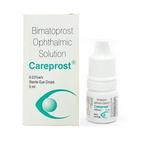
These drops gained immense popularity, demonstrating an incredibly fast and always noticeable result since its application. This innovative means will allow you to give your eyelashes an ideal look, strength and health, in whatever serious condition they are before the moment of its application. It is safe and effective providing amazing results.
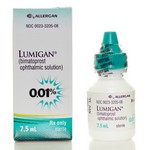
This means is prescribed to reduce eye pressure. Its active ingredient is synthetic prostaglandin bimatoprost – an unsaturated fatty acid, similar in its properties to hormones. Getting into the eye, drops help maintain the balance of the flow and outflow of eye fluid. It is a violation of this balance that leads to an increase in pressure, due to which the blood supply to the eye is impaired and the load on the optic nerve increases.

Bimatoprost reduces IOP in humans by increasing the outflow of aqueous humor through the trabecular meshwork and uveoscleral outflow. IOP reduction begins about 4 hours after the first use. The maximum effect is achieved after about 8–12 hours. The effect lasts for at least 24 hours.
Does Maxitrol Eye Drops Make You Poop?
Maxitrol eye drops are a commonly prescribed medication for various eye conditions. While they primarily target eye-related issues, there have been reports of gastrointestinal side effects associated with their use. In this article, we will explore the link between Maxitrol eye drops and bowel movements, discuss potential gastrointestinal side effects, and provide information on how to manage any gastrointestinal issues.
Link Between Maxitrol Eye Drops and Bowel Movements
Maxitrol eye drops contain three key ingredients: neomycin, polymyxin B, and dexamethasone. Neomycin and polymyxin B are antibiotics that work to prevent or treat bacterial infections, while dexamethasone is a corticosteroid that reduces inflammation.
While the primary action of Maxitrol eye drops is related to the eyes, some users have reported experiencing changes in bowel movements while using this medication. This can include symptoms such as diarrhea, constipation, or an increase in frequency of bowel movements.
Potential Gastrointestinal Side Effects
Gastrointestinal side effects associated with Maxitrol eye drops are relatively uncommon but have been reported. These side effects may include diarrhea, stomach discomfort, or changes in bowel movements. It is important to note that not everyone experiences these side effects, and they may vary in severity from person to person.
If you are experiencing gastrointestinal side effects while using Maxitrol eye drops, it is essential to consult your healthcare provider. They can assess your symptoms and provide guidance on managing any discomfort or adjusting your medication if necessary.
Managing Gastrointestinal Issues
If you are experiencing gastrointestinal issues while using Maxitrol eye drops, there are several steps you can take to manage these symptoms:
- Stay Hydrated: Drink plenty of water to stay hydrated and support healthy digestion.
- Eat a Balanced Diet: Ensure your diet includes fiber-rich foods like fruits, vegetables, and whole grains to promote regular bowel movements.
- Speak with Your Healthcare Provider: Discuss your symptoms with your healthcare provider to determine if any adjustments to your medication or additional treatments are necessary.
- Consider Alternative Eye Drops: If the gastrointestinal side effects become bothersome or persist, your healthcare provider may recommend alternative eye drops that are less likely to cause digestive issues.
It is important to note that the information provided here is general in nature. Individual reactions to Maxitrol eye drops may vary, and it is always best to consult with your healthcare provider for personalized advice and guidance.
Alternative eye drops for post-cataract surgery care
After undergoing cataract surgery, your doctor may prescribe Maxitrol eye drops as part of your post-operative care. However, there are alternative eye drops available that can also be effective in promoting healing and preventing infections. It is important to discuss your options with your healthcare provider to determine which eye drops are best suited for your specific needs.
1. Vigamox (moxifloxacin)
Vigamox is an alternative eye drop that is often prescribed after cataract surgery. It is an antibiotic eye drop that works by killing the bacteria that can cause infections. Vigamox contains the active ingredient moxifloxacin, which is effective against a wide range of bacteria.
One advantage of Vigamox over Maxitrol eye drops is that it is a preservative-free formulation, which can be beneficial for individuals who may be sensitive to preservatives. Preservatives can sometimes cause irritation or allergic reactions in certain individuals.
2. Zymar (gatifloxacin)
Zymar, another alternative eye drop, is also an antibiotic that is commonly prescribed after cataract surgery. It contains the active ingredient gatifloxacin, which is effective against various types of bacteria.
Similar to Vigamox, Zymar is also preservative-free, making it a good option for individuals with sensitivity to preservatives.
3. Besivance (besifloxacin)
Besivance is a newer antibiotic eye drop that is frequently used after cataract surgery. It contains the active ingredient besifloxacin, which has broad-spectrum activity against a range of bacteria.
One advantage of Besivance is its high bioavailability, meaning that a larger amount of the medication is able to reach the target area. This can help improve the effectiveness of the eye drop in preventing infections.
4. Tobradex (tobramycin/dexamethasone)
Tobradex is a combination eye drop that contains both an antibiotic (tobramycin) and a steroid (dexamethasone). It is often prescribed after cataract surgery to prevent infection and manage inflammation.
One benefit of Tobradex is that it provides both antibacterial and anti-inflammatory effects, making it an all-in-one solution for post-operative care. However, it is important to note that long-term use of steroid-containing eye drops may have certain side effects and should be closely monitored by your healthcare provider.
Choosing the right eye drops
When deciding on the most appropriate eye drops for post-cataract surgery care, your ophthalmologist will consider various factors such as your specific eye condition, medical history, and any known allergies or sensitivities. They will also take into account the latest medical guidelines and research evidence to choose the most effective and safe option for you.
It is crucial to follow your doctor’s instructions on how to use the eye drops, including dosage and frequency. In addition, if you experience any unusual side effects or reactions, it is important to contact your healthcare provider immediately.
Remember, every individual is unique, and what works for one person may not work for another. Your doctor will be able to guide you in choosing the best alternative eye drops for your specific needs.
Long-term use of Maxitrol eye drops
Maxitrol eye drops are commonly prescribed for short-term use after cataract surgery or to treat certain eye conditions. However, in some cases, individuals may be required to use Maxitrol eye drops for an extended period of time.
It is important to note that long-term use of Maxitrol eye drops should only be done under the supervision and guidance of a healthcare professional. Prolonged use of this medication can have potential risks and complications.
Potential risks and complications
Using Maxitrol eye drops for an extended period of time may increase the risk of developing certain side effects. These side effects can vary from person to person and may include:
- Increased intraocular pressure
- Glaucoma
- Cataracts
- Delayed wound healing
- Eye infections
It is important to monitor and regularly assess the patient’s eye health while using Maxitrol eye drops for an extended period. This may involve regular eye examinations and tests to check for any changes or complications.
Recommended duration of use
The recommended duration of Maxitrol eye drop usage may vary depending on the individual’s condition and response to treatment. Generally, it is recommended to use Maxitrol eye drops for a short period of time, such as a few weeks, to address acute symptoms or post-operative care.
However, for individuals who require long-term use, the healthcare provider will determine the most appropriate duration based on the specific condition and response to treatment. It is important to follow the prescribed dosage and frequency as instructed by the healthcare professional.
Transitioning to other eye care options
In some cases, long-term use of Maxitrol eye drops may not be sustainable or may no longer be necessary. In such situations, the healthcare provider may recommend transitioning to alternative eye care options.
This may involve gradually reducing the frequency of Maxitrol eye drop usage while introducing other eye drops specifically tailored for the individual’s condition. It is important to follow the healthcare provider’s instructions during this transition period to ensure the optimal management of the eye condition.
Regular follow-up appointments and communication with the healthcare provider are essential to monitor the effectiveness of the medication and make any necessary adjustments to the treatment plan.
Managing dry eye syndrome
Dry eye syndrome is a common condition that occurs when the eyes do not produce enough tears or when the tears evaporate too quickly. It can cause discomfort, redness, and blurry vision. If left untreated, dry eye syndrome can lead to more serious complications, such as corneal damage. However, using appropriate eye drops, like Maxitrol eye drops, can help manage the symptoms and provide relief.
The causes and symptoms of dry eye syndrome
Dry eye syndrome can be caused by various factors, including aging, certain medications, environmental conditions, and underlying health conditions. The most common symptoms of dry eye syndrome include:
- Burning or stinging sensation in the eyes
- Redness
- Excessive tearing
- Blurred vision
- Feeling of grittiness or foreign body sensation in the eyes
- Sensitivity to light
Tips and recommendations for managing dry eye syndrome using various eye drops, including Maxitrol eye drops
Using eye drops, such as Maxitrol eye drops, can help manage dry eye syndrome and alleviate the associated symptoms. Here are some tips and recommendations for using Maxitrol eye drops and other alternative eye drops:
- Consult with an eye care professional: Before using any eye drops, it is important to consult with an eye care professional, such as an ophthalmologist or optometrist, for a comprehensive eye examination and proper diagnosis of dry eye syndrome.
- Follow the recommended dosage and frequency: It is crucial to adhere to the recommended dosage and frequency of Maxitrol eye drops or any other prescribed eye drops. Follow the instructions provided by your eye care professional for maximum effectiveness and to avoid any potential side effects.
- Proper administration technique: When using Maxitrol eye drops or other eye drops, tilt your head back, pull down your lower eyelid, and apply a single drop into the space between the lower eyelid and the eyeball. Avoid touching the dropper tip to your eye or any other surface to prevent contamination.
- Consider alternative eye drops: In some cases, alternative eye drops may be prescribed for managing dry eye syndrome. These may include artificial tears, lubricating gels, or ointments, which can provide additional relief and moisture to the eyes.
- Address underlying causes: If dry eye syndrome is caused by an underlying health condition or medication, it is essential to address and manage the root cause. Working with your healthcare provider can help identify and treat any contributing factors.
- Manage environmental factors: Environmental conditions, such as dry or windy weather, can worsen the symptoms of dry eye syndrome. Protect your eyes by wearing sunglasses or goggles outdoors and using a humidifier indoors to add moisture to the air.
- Follow a healthy lifestyle: Maintaining a healthy lifestyle, including proper hydration and a balanced diet rich in omega-3 fatty acids, can promote overall eye health and help manage dry eye syndrome.
By following these tips and using appropriate eye drops, such as Maxitrol eye drops, individuals with dry eye syndrome can effectively manage their symptoms and improve their overall eye comfort. It is important to consult with an eye care professional for personalized advice and treatment options.