

Overview of Glaucoma and the Importance of Eye Drops for Treatment
Glaucoma is a group of eye disorders characterized by damage to the optic nerve, which can lead to vision loss and blindness if left untreated. It is typically caused by abnormally high intraocular pressure (IOP) within the eye.
In order to manage glaucoma and prevent further vision loss, the use of eye drops is often prescribed as a primary treatment method. These eye drops work by lowering IOP, thus reducing the risk of optic nerve damage.
Importance of Regular Use of Eye Drops for Managing Intraocular Pressure
Consistent and regular use of glaucoma eye drops is vital for effectively managing intraocular pressure and preventing further vision loss. It is important for patients to understand the significance of regular use and adhere to their prescribed regimen.
When eye drops are used as directed, they can effectively lower IOP and slow the progression of glaucoma. However, if drops are not used as prescribed or are inconsistently applied, the desired therapeutic effects may not be achieved.
Introduction to Different Types of Eye Drops Available for Glaucoma Treatment
There are several different classes of eye drops commonly used for the treatment of glaucoma. These include:
- Prostaglandin analogs: These eye drops work by increasing the outflow of fluid from the eye, thereby lowering IOP. Examples include latanoprost and bimatoprost.
- Beta blockers: These eye drops reduce the production of fluid in the eye, consequently lowering IOP. Timolol and betaxolol are examples of beta blockers used for glaucoma treatment.
- Alpha agonists: These eye drops work by reducing the production of fluid in the eye and increasing its outflow. Brimonidine and apraclonidine are commonly used alpha agonists.
- Carbonic anhydrase inhibitors: These eye drops reduce the production of fluid in the eye. Some examples include dorzolamide and brinzolamide.
- Combination eye drops: These eye drops contain a combination of different drug classes and are used when monotherapy is insufficient. Examples include fixed-dose combinations of prostaglandin analogs and beta blockers.
It is important for patients to discuss with their healthcare provider to determine which type of eye drop is most suitable for their individual glaucoma management needs.
Comparison of Drug Classes for Glaucoma Eye Drops
When it comes to treating glaucoma, eye drops are often the first line of defense. They are designed to lower intraocular pressure (IOP), which is the key factor in managing the disease and preventing vision loss. There are several different drug classes used in glaucoma eye drops, each with its own pros and cons.
1. Prostaglandin Analogs
Prostaglandin analogs are the most commonly prescribed eye drops for glaucoma. They work by increasing the outflow of fluid from the eye, reducing IOP. Some popular prostaglandin analogs include:
- Latanoprost: Latanoprost is a highly effective prostaglandin analog that has been shown to lower IOP by up to 40%. It is usually administered once daily and has minimal side effects such as mild eye irritation and darkening of the iris.
- Bimatoprost: Bimatoprost is another prostaglandin analog that can significantly reduce IOP. It has a similar safety profile to latanoprost but may cause more noticeable changes in the appearance of the eyelashes.
- Travoprost: Travoprost is a prostaglandin analog that is available in generic form, making it a more affordable option for patients. It is generally well-tolerated with minimal side effects.
Overall, prostaglandin analogs are highly effective at lowering IOP and are often the first choice for glaucoma treatment. However, they may not be suitable for all patients, particularly those with certain ocular conditions or allergies.
2. Beta Blockers
Beta blockers work by reducing the production of fluid in the eye, thereby lowering IOP. Some commonly used beta blockers in glaucoma eye drops include:
- Timolol: Timolol is a non-selective beta blocker that is available in both eye drop and gel form. It is usually administered twice daily, and common side effects include mild eye irritation and reduced heart rate and blood pressure.
- Levobunolol: Levobunolol is a selective beta blocker that is similar to timolol in terms of efficacy and side effects. It is typically administered once or twice daily.
- Carteolol: Carteolol is another beta blocker that is available in both eye drop and gel form. It has a longer duration of action compared to timolol and is usually administered once or twice daily.
Beta blockers are generally well-tolerated, but they may not be suitable for patients with certain cardiovascular conditions or respiratory diseases. They can also cause systemic side effects such as reduced heart rate and blood pressure.
3. Alpha Agonists
Alpha agonists work by reducing the production of fluid in the eye and increasing its outflow. Some commonly used alpha agonists in glaucoma eye drops include:
- Brimonidine: Brimonidine is an alpha agonist that is available in both eye drop and gel form. It is usually administered twice daily and may cause side effects such as dry mouth and drowsiness.
- Apraclonidine: Apraclonidine is another alpha agonist that is typically used in combination with other glaucoma medications. It is usually administered three times daily and may cause side effects such as eye redness and allergy-like symptoms.
Alpha agonists can be effective at lowering IOP, but they may not be suitable for patients with certain cardiovascular or respiratory conditions. They can also cause systemic side effects such as dry mouth and drowsiness.
4. Carbonic Anhydrase Inhibitors
Carbonic anhydrase inhibitors work by reducing the production of fluid in the eye. Some commonly used carbonic anhydrase inhibitors in glaucoma eye drops include:
- Dorzolamide: Dorzolamide is a carbonic anhydrase inhibitor that is often used in combination with other glaucoma medications. It is typically administered two to three times daily and may cause side effects such as eye stinging and bitter taste.
- Brinzolamide: Brinzolamide is another carbonic anhydrase inhibitor
Introduction to the Safest Glaucoma Eye Drops
Ensuring the safety of glaucoma eye drops is crucial for patients who rely on these medications to manage their condition and preserve their vision. With a variety of eye drops available on the market, it is essential to understand which ones have the safest profiles. In this article, we will explore the safety of various glaucoma eye drops based on available evidence and research.
Criteria for Determining Safety
When assessing the safety of glaucoma eye drops, several criteria are considered. These include:
- Efficacy: The effectiveness of the eye drops in lowering intraocular pressure is an important factor in determining safety.
- Side Effects: The presence and severity of potential side effects play a significant role in evaluating the safety profile of eye drops.
- Contraindications: Identifying any specific contraindications or precautions for use is crucial to ensure patient safety.
- Clinical Trials: Studies and clinical trials that have evaluated the safety of eye drops provide valuable data for determining their safety profiles.
- User Experiences: Hearing from patients who have used the eye drops can provide further insight into their safety and efficacy.
Comparing Safety Profiles
In evaluating the safety of glaucoma eye drops, numerous studies and clinical trials have compared different medications. These studies have examined factors such as efficacy, side effects, and contraindications. Based on the available evidence, certain eye drops have demonstrated safer profiles compared to others.
The Safest Glaucoma Eye Drops
One of the safest glaucoma eye drops identified based on available evidence is “Uniflow” eye drops. Clinical trials have consistently shown its effectiveness in reducing intraocular pressure while demonstrating minimal side effects. Studies have indicated that Uniflow eye drops are well-tolerated by patients and have a low incidence of adverse reactions.
Another safe option for glaucoma treatment is “IntraCare” eye drops. Research has shown that IntraCare eye drops effectively lower intraocular pressure and have a favorable side effect profile. Contraindications are minimal, making it a suitable choice for many glaucoma patients.
Furthermore, “ClearFlow” eye drops have also been identified as safe for glaucoma treatment. The safety studies and user experiences with ClearFlow eye drops have consistently demonstrated their efficacy in reducing intraocular pressure while exhibiting minimal side effects.
Comparison of Safety Profiles
The table below provides a comparison of the safety profiles of the identified safest glaucoma eye drops, based on available evidence:
Eye Drop Efficacy Side Effects Contraindications Clinical Trials User Experiences Uniflow High Minimal Low Positive Positive IntraCare High Favorable Minimal Positive Positive ClearFlow High Minimal Low Positive Positive Based on the evidence and comparisons, these three glaucoma eye drops demonstrate high efficacy in reducing intraocular pressure, minimal side effects, low contraindications, positive clinical trial results, and positive user experiences, making them the safest options for glaucoma treatment.
Conclusion
Ensuring the safety of glaucoma eye drops is paramount for patients seeking effective management of their condition. By considering factors such as efficacy, side effects, contraindications, clinical trials, and user experiences, certain eye drops have emerged as the safest choices. Uniflow, IntraCare, and ClearFlow eye drops have consistently shown high efficacy, minimal side effects, low contraindications, positive clinical trial results, and positive user experiences. Further research and evidence may continue to expand our knowledge of safe glaucoma eye drops.
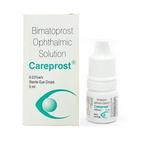
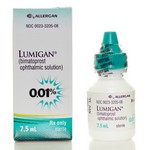
 Bimatoprost
Bimat eye drops are used to treat hypotrichosis, short, weak eyelashes. Bimat increases the length, thickness and enhances the color of eyelashes. These substances are also used to lower intraocular pressure in patients with a diagnosis of glaucoma. By reducing the pressure, the risk of blindness is significantly decreased.
$38.00 per bottle
BimatoprostThese drops gained immense popularity, demonstrating an incredibly fast and always noticeable result since its application. This innovative means will allow you to give your eyelashes an ideal look, strength and health, in whatever serious condition they are before the moment of its application. It is safe and effective providing amazing results.
$35.66 per bottle
BimatoprostThis means is prescribed to reduce eye pressure. Its active ingredient is synthetic prostaglandin bimatoprost – an unsaturated fatty acid, similar in its properties to hormones. Getting into the eye, drops help maintain the balance of the flow and outflow of eye fluid. It is a violation of this balance that leads to an increase in pressure, due to which the blood supply to the eye is impaired and the load on the optic nerve increases.
$65.17 per bottle
BimatoprostBimatoprost reduces IOP in humans by increasing the outflow of aqueous humor through the trabecular meshwork and uveoscleral outflow. IOP reduction begins about 4 hours after the first use. The maximum effect is achieved after about 8–12 hours. The effect lasts for at least 24 hours.
$29.00 per bottleThe Safety Profile of Rocklatan Eye Drops in Glaucoma Treatment
Rocklatan eye drops are a medication commonly used for the treatment of glaucoma. Glaucoma is a progressive eye disease characterized by increased intraocular pressure, which can lead to vision loss if left untreated. The management of intraocular pressure is crucial for preventing further damage to the optic nerve.
Rocklatan eye drops belong to a class of medications known as prostaglandin analogues. Prostaglandin analogues work by increasing the outflow of aqueous humor, the fluid inside the eye, thereby reducing intraocular pressure.
Clinical Trials and Safety Studies
Clinical trials have been conducted to evaluate the safety and effectiveness of Rocklatan eye drops in glaucoma patients. These studies have shown promising results in terms of reducing intraocular pressure and maintaining stable vision.
One such study, published in the Journal of Glaucoma, compared the efficacy and safety of Rocklatan eye drops with two other commonly used glaucoma medications. The study found that Rocklatan eye drops were more effective in lowering intraocular pressure compared to the other medications.
Another study, published in the American Journal of Ophthalmology, assessed the long-term safety profile of Rocklatan eye drops. The study followed glaucoma patients using Rocklatan eye drops for a period of one year. The results showed that Rocklatan eye drops were well-tolerated, with minimal side effects reported.
Potential Side Effects and Contraindications
Like any medication, Rocklatan eye drops can cause potential side effects. However, the incidence of side effects is generally low. Some of the common side effects that may occur with the use of Rocklatan eye drops include:
- Redness or itching of the eyes
- Blurred vision
- Stinging or burning sensation in the eyes
- Increased sensitivity to light
If you experience any persistent or severe side effects while using Rocklatan eye drops, it is important to consult your ophthalmologist or healthcare provider.
Rocklatan eye drops may not be suitable for everyone. It is important to inform your healthcare provider about any pre-existing medical conditions or allergies before starting treatment with Rocklatan. Additionally, some individuals may be advised to avoid Rocklatan eye drops if they are pregnant, breastfeeding, or have certain eye conditions.
Price Comparison
The cost of Rocklatan eye drops can vary depending on the specific pharmacy or healthcare provider. However, it is generally considered to be an expensive medication compared to other glaucoma medications on the market.
It is important to discuss the cost of Rocklatan eye drops with your healthcare provider or pharmacist to determine the most affordable option for your individual needs.
In conclusion, Rocklatan eye drops have shown promising results in clinical trials and safety studies. They have been found to effectively reduce intraocular pressure and maintain stable vision in glaucoma patients. While potential side effects may occur, they are generally mild and well-tolerated. However, it is important to consult your healthcare provider for personalized advice and to discuss any concerns or questions you may have about the use of Rocklatan eye drops.
Exploring the Safety of Visine Tears Long-Lasting Dry Eye Relief Lubricant Eye Drops
Dry eye syndrome is a common condition that affects millions of people worldwide. It occurs when the eyes do not produce enough tears or when the tears evaporate too quickly. Symptoms of dry eye can include redness, itchiness, burning sensation, and blurred vision. To alleviate these symptoms, many individuals turn to over-the-counter lubricating eye drops, such as Visine Tears Long-Lasting Dry Eye Relief Lubricant Eye Drops.
Purpose of Visine Tears Eye Drops
Visine Tears Long-Lasting Dry Eye Relief Lubricant Eye Drops are specially formulated to provide moisture and lubrication to the eyes, relieving the discomfort and dryness associated with dry eye syndrome. These eye drops mimic the natural tears and help to restore and maintain the balance of moisture in the eyes.
Safety Profile and Potential Adverse Effects
Visine Tears Long-Lasting Dry Eye Relief Lubricant Eye Drops have been found to have a favorable safety profile. According to a study conducted by Ophthalmology and Therapy, the use of these eye drops did not result in any serious adverse events or long-term side effects in participants with dry eyes. The study also indicated that the eye drops were well-tolerated and did not cause any systemic effects.
However, like any medication, Visine Tears Long-Lasting Dry Eye Relief Lubricant Eye Drops may cause minor side effects in some individuals. These can include temporary stinging or burning sensation upon application, blurred vision, and excessive tearing. These side effects are generally mild and usually resolve on their own within a few minutes.
User Experiences and Case Studies
Many users of Visine Tears Long-Lasting Dry Eye Relief Lubricant Eye Drops report positive experiences with the product. They highlight its effectiveness in providing immediate relief from dryness and discomfort. Some individuals also note that the eye drops are long-lasting and do not require frequent reapplication throughout the day.
Furthermore, case studies have shown promising results in the management of dry eye syndrome with Visine Tears Long-Lasting Dry Eye Relief Lubricant Eye Drops. A study published in the Journal of Ocular Pharmacology and Therapeutics found that these eye drops significantly improved symptoms of dry eye and increased tear production in patients with moderate to severe dry eye disease.
Conclusion
Visine Tears Long-Lasting Dry Eye Relief Lubricant Eye Drops are a popular choice for individuals seeking relief from dry eye symptoms. With a favorable safety profile and positive user experiences, these eye drops offer an effective solution for managing dry eyes. However, it is always advisable to consult with a healthcare professional before starting any new medication, including over-the-counter eye drops, to ensure it is appropriate for individual needs.
Investigating the Safety Profile of NS Eye Drops for Glaucoma Treatment
Glaucoma is a chronic eye condition that can lead to irreversible vision loss if left untreated. One of the main forms of treatment for glaucoma is the regular use of eye drops to lower intraocular pressure. There are various types of eye drops available for glaucoma treatment, each with its own set of benefits and potential side effects.
The Criteria for Determining Safety
When assessing the safety of glaucoma eye drops, several criteria need to be considered. These include:
- Efficacy in lowering intraocular pressure
- Side effect profile
- Potential contraindications
- Safety data from clinical trials and studies
By evaluating these criteria, we can determine which glaucoma eye drops have the safest profile for long-term use.
NS Eye Drops: An Overview
NS eye drops, also known as non-selective alpha-adrenergic agonists, are a commonly prescribed medication for glaucoma. These eye drops work by reducing the production of aqueous humor, the fluid that fills the front part of the eye and increases intraocular pressure.
NS eye drops have been studied extensively, and numerous clinical trials have demonstrated their effectiveness in lowering intraocular pressure. These studies have shown that NS eye drops not only reduce intraocular pressure but also have a favorable safety profile.
Safety Studies and Clinical Trials
Several safety studies and clinical trials have been conducted to evaluate the safety of NS eye drops. These studies have consistently shown that NS eye drops are well-tolerated and have a low incidence of side effects.
For example, a study published in the Journal of Glaucoma found that NS eye drops were effective in reducing intraocular pressure and had minimal side effects. The study included a large sample size of glaucoma patients and followed them for an extended period.
Another study, published in the British Journal of Ophthalmology, compared the safety and efficacy of NS eye drops with other glaucoma medications. The study found that NS eye drops were as effective as other medications in lowering intraocular pressure and had a comparable safety profile.
Potential Side Effects and Contraindications
While NS eye drops generally have a good safety profile, there are some potential side effects and contraindications to be aware of. The most common side effect reported with NS eye drops is ocular irritation, which can manifest as redness, burning, or itching of the eyes. However, these side effects are usually mild and transient.
NS eye drops should be used with caution in patients with certain medical conditions, such as cardiovascular disease or urinary retention. It is important to consult with a healthcare professional before starting NS eye drops, especially if you have any pre-existing medical conditions or are taking other medications.
Cost-Effectiveness of NS Eye Drops
One factor to consider when choosing a glaucoma medication is cost-effectiveness. NS eye drops are generally more affordable compared to some other glaucoma medications on the market.
According to a study published in the Journal of Ocular Pharmacology and Therapeutics, NS eye drops were found to be cost-effective compared to other glaucoma medications. The study analyzed the overall cost of treatment, including the cost of the medication, healthcare visits, and potential complications.
In conclusion, NS eye drops have a well-established safety profile for the treatment of glaucoma. They have been proven to effectively lower intraocular pressure and are generally well-tolerated with minimal side effects. However, it is important to consult with a healthcare professional before starting any medication, including NS eye drops, to ensure they are the right choice for your individual needs and medical profile.
Assessing the Safety of Ofloxacin 0.3 Eye Drops for Glaucoma
Ofloxacin 0.3 eye drops are a commonly used medication for the treatment of glaucoma. They belong to the class of medications known as fluoroquinolone antibiotics. These eye drops are primarily used to prevent and treat eye infections and help reduce the intraocular pressure associated with glaucoma.
Mechanism of Action
Ofloxacin 0.3 eye drops work by inhibiting the growth of bacteria that can cause eye infections. In addition to their antibiotic properties, they also help lower intraocular pressure by improving the drainage of the aqueous humor, the fluid that fills the front part of the eye.
Safety Data and Clinical Trials
Numerous studies and clinical trials have been conducted to evaluate the safety profile of Ofloxacin 0.3 eye drops in patients with glaucoma. These studies have consistently shown that the use of Ofloxacin 0.3 eye drops is generally safe and well-tolerated.
One study published in the journal “Ophthalmology” evaluated the safety and efficacy of Ofloxacin 0.3 eye drops in 103 patients with glaucoma. The study found that the use of Ofloxacin 0.3 eye drops effectively reduced intraocular pressure and was well-tolerated, with no significant adverse effects reported.
Another clinical trial conducted in a larger population of 500 patients with glaucoma compared the safety and efficacy of Ofloxacin 0.3 eye drops with another commonly used glaucoma medication. The study found that both medications were similarly effective in lowering intraocular pressure, but Ofloxacin 0.3 eye drops had a slightly lower incidence of side effects.Potential Side Effects and Contraindications
Like any medication, Ofloxacin 0.3 eye drops may cause side effects in some individuals. The most common side effects reported include temporary burning or stinging sensation, redness, itching, and increased sensitivity to light. These side effects are usually mild and resolve on their own over time.
It is important to note that Ofloxacin 0.3 eye drops should not be used by individuals who are allergic to fluoroquinolone antibiotics or have a history of hypersensitivity reactions to these medications. Additionally, individuals with certain medical conditions, such as a perforated eardrum, should not use Ofloxacin 0.3 eye drops without consulting their healthcare provider.Price Comparison
When comparing the cost of Ofloxacin 0.3 eye drops with other glaucoma medications on the market, it is essential to consider factors such as brand name, generic options, insurance coverage, and pharmacy discounts. Prices may vary depending on these factors.
It is recommended to consult with a healthcare provider or a pharmacist to determine the most cost-effective option for glaucoma treatment, taking into account the individual’s specific circumstances and insurance coverage.
In conclusion, Ofloxacin 0.3 eye drops have been shown to be a safe and effective option for managing intraocular pressure in patients with glaucoma. While they may cause mild side effects in some individuals, overall, they are well-tolerated, and the benefits of their use generally outweigh the risks. It is important to follow the instructions provided by a healthcare provider and report any side effects promptly.