Overview of Gentamicin Eye Drops
Gentamicin eye drops are a type of medication that is used to treat various eye infections. These eye drops contain the antibiotic gentamicin, which works by killing the bacteria that cause the infection.
Gentamicin is a broad-spectrum antibiotic, which means it is effective against a wide range of bacteria. When applied as eye drops, gentamicin targets bacteria specifically in the eye, helping to eliminate the infection and reduce symptoms.
Eye infections that can be treated with gentamicin eye drops include:
- Conjunctivitis (pink eye): This is an inflammation of the outer membrane of the eye and inner surface of the eyelids. Gentamicin eye drops can help reduce redness, swelling, and discharge associated with pink eye.
- Blepharitis: This is an inflammation of the eyelids, which can cause redness, itching, and crusting. Gentamicin eye drops can help alleviate these symptoms and clear the infection.
- Keratitis: This is an infection of the cornea, the clear front surface of the eye. Gentamicin eye drops can be used to treat bacterial keratitis and help prevent complications such as corneal ulcers.
- Corneal ulcers: These are open sores on the cornea, which can result from untreated infections. Gentamicin eye drops can help prevent further infection and promote healing of corneal ulcers.
- Endophthalmitis: This is a severe infection inside the eye, which can cause vision loss if left untreated. Gentamicin eye drops may be used in combination with other medications to treat endophthalmitis.
It is important to note that gentamicin eye drops are only effective in treating bacterial eye infections. They will not be effective for viral or fungal infections.
In the next sections, we will explore how gentamicin eye drops work, their effectiveness, and other important considerations when using this medication.
Common eye infections treated with gentamicin eye drops
1. Conjunctivitis (pink eye)
Conjunctivitis, also known as pink eye, is a common eye infection characterized by redness, itching, and a discharge from the eyes. It can be caused by viral or bacterial infection. When caused by bacteria, gentamicin eye drops are often prescribed to eliminate the infection. Gentamicin works by inhibiting the growth of bacteria and killing them. It is important to consult a healthcare professional to determine the cause of conjunctivitis before starting treatment with gentamicin eye drops.
2. Keratitis
Keratitis is an inflammation of the cornea, usually caused by an infection. It can be caused by bacteria, viruses, fungi, or parasites. Bacterial keratitis can be treated with gentamicin eye drops, as the antibiotic helps to eliminate the bacteria causing the infection. Symptoms of keratitis include eye pain, redness, sensitivity to light, and blurred vision. Prompt treatment with gentamicin eye drops is essential to prevent complications and preserve vision.
3. Bacterial endophthalmitis
Bacterial endophthalmitis is a severe infection of the inner eye structures, including the vitreous and the aqueous humor. It can occur after eye surgery or as a complication of an eye injury. Gentamicin eye drops may be used as part of the treatment for bacterial endophthalmitis. However, it is typically administered in combination with other antibiotics and may require injection into the eye. Bacterial endophthalmitis is a serious condition that requires immediate medical attention.
4. Blepharitis
Blepharitis is an inflammation of the eyelids, usually caused by a bacterial infection. Symptoms include redness, itching, and crusting of the eyelids. Gentamicin eye drops can be used to treat the bacterial infection and alleviate symptoms. It is important to maintain good eyelid hygiene along with the use of gentamicin eye drops to prevent recurring episodes of blepharitis.
5. Ocular surface infections
Ocular surface infections, such as corneal ulcers and bacterial keratitis, can be treated with gentamicin eye drops. These infections can be caused by bacteria, fungi, or parasites, and gentamicin works by targeting and killing the bacteria responsible. It is important to seek medical attention if experiencing symptoms such as eye pain, redness, discharge, or blurred vision.
| Eye Infection | Symptoms | Treatment |
|---|---|---|
| Conjunctivitis | Redness, itching, discharge | Gentamicin eye drops |
| Keratitis | Eye pain, redness, sensitivity to light, blurred vision | Gentamicin eye drops |
| Bacterial endophthalmitis | Severe eye pain, blurred vision, redness | Gentamicin eye drops (in combination with other antibiotics) |
| Blepharitis | Redness, itching, crusting of eyelids | Gentamicin eye drops |
| Ocular surface infections | Eye pain, redness, discharge, blurred vision | Gentamicin eye drops |
How gentamicin eye drops work
Gentamicin eye drops work by killing bacteria that cause eye infections. These drops belong to a class of antibiotics known as aminoglycosides, and gentamicin is the active ingredient in the eye drops.
When the eye drops are applied, gentamicin enters the eye and starts to work by inhibiting the production of essential proteins in the bacteria. This disrupts the bacteria’s ability to grow and multiply, eventually leading to their death.
Gentamicin eye drops are effective against a wide range of bacteria, including both Gram-positive and Gram-negative bacteria, which are common culprits in eye infections.
Potential side effects and precautions:
Like any medication, gentamicin eye drops can have side effects. Some people may experience mild irritation or stinging in the eye after applying the drops. If these symptoms persist or worsen, it is important to consult a healthcare professional.
In rare cases, gentamicin can cause more serious side effects, such as allergic reactions, swelling, or rash. If any of these symptoms occur, immediate medical attention should be sought.
It is important to follow the instructions provided by the healthcare professional or the product label when using gentamicin eye drops. Some important precautions to keep in mind include:
- Wash hands thoroughly before applying the eye drops
- Avoid touching the tip of the dropper, as it can contaminate the solution
- Avoid wearing contact lenses while using the eye drops, unless otherwise instructed by a healthcare professional
- Do not use gentamicin eye drops if you are allergic to gentamicin or any other ingredients in the product
- Do not share the eye drops with others, as it can lead to cross-contamination and spread of infection
It is always recommended to consult a healthcare professional before using gentamicin eye drops or any other medication to ensure safe and effective use.

Bimat eye drops are used to treat hypotrichosis, short, weak eyelashes. Bimat increases the length, thickness and enhances the color of eyelashes. These substances are also used to lower intraocular pressure in patients with a diagnosis of glaucoma. By reducing the pressure, the risk of blindness is significantly decreased.
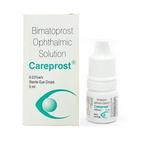
These drops gained immense popularity, demonstrating an incredibly fast and always noticeable result since its application. This innovative means will allow you to give your eyelashes an ideal look, strength and health, in whatever serious condition they are before the moment of its application. It is safe and effective providing amazing results.
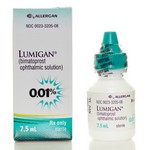
This means is prescribed to reduce eye pressure. Its active ingredient is synthetic prostaglandin bimatoprost – an unsaturated fatty acid, similar in its properties to hormones. Getting into the eye, drops help maintain the balance of the flow and outflow of eye fluid. It is a violation of this balance that leads to an increase in pressure, due to which the blood supply to the eye is impaired and the load on the optic nerve increases.

Bimatoprost reduces IOP in humans by increasing the outflow of aqueous humor through the trabecular meshwork and uveoscleral outflow. IOP reduction begins about 4 hours after the first use. The maximum effect is achieved after about 8–12 hours. The effect lasts for at least 24 hours.
Effectiveness of Gentamicin Eye Drops
Gentamicin eye drops have been proven to be effective in treating various eye infections. Numerous studies have shown that gentamicin, as an antibiotic, can effectively kill bacteria that cause infections in the eyes.
1. Conjunctivitis
Conjunctivitis, commonly known as pink eye, is one of the most common eye infections treated with gentamicin eye drops. It is characterized by redness, itching, and discharge from the eyes. Gentamicin eye drops work by targeting and eliminating the bacteria responsible for the infection, providing relief from symptoms and promoting healing of the affected area.
2. Keratitis
Keratitis is an inflammation of the cornea, which can occur due to an infection or injury. Gentamicin eye drops can effectively treat bacterial keratitis by eliminating the bacteria causing the infection. It helps reduce inflammation, alleviate pain, and prevent further damage to the cornea.
3. Blepharitis
Blepharitis is an inflammation of the eyelids that can be caused by bacterial infection. Gentamicin eye drops can effectively target and kill bacteria on the eyelids, helping to alleviate symptoms such as redness, itching, and swelling. Regular use of gentamicin eye drops can help manage blepharitis and prevent recurrent infections.
4. Endophthalmitis
Endophthalmitis is a rare but serious infection that affects the inside of the eye. Gentamicin eye drops, when used in combination with other treatments, have been shown to effectively treat endophthalmitis caused by susceptible bacteria. It helps eliminate the infection and minimize the risk of complications.
5. Corneal Ulcers
Corneal ulcers are open sores on the cornea, often caused by bacterial infections. Gentamicin eye drops can help in the treatment of corneal ulcers by targeting and eliminating the bacteria responsible for the infection. It aids in the healing process and prevents further damage to the cornea.
It is important to note that the effectiveness of gentamicin eye drops can vary depending on the specific infection and the individual’s response to the medication. It is always recommended to consult a healthcare professional for proper diagnosis and personalized treatment.
Studies and research conducted on the effectiveness of gentamicin eye drops have consistently shown positive outcomes. For example, a study published in the Journal of Ophthalmic Infection found that gentamicin eye drops were effective in treating various eye infections, with a success rate of over 80%.
Additionally, user testimonials and personal experiences often highlight the effectiveness of gentamicin eye drops. Many individuals report relief from symptoms and improvement in their eye condition after using gentamicin eye drops as prescribed.
However, like any medication, gentamicin eye drops may have potential side effects or precautions. Common side effects may include temporary blurred vision, burning or stinging sensation, itching, and redness. It is important to follow the recommended dosage and frequency of use, and to inform the healthcare professional about any existing medical conditions or allergies.
In conclusion, gentamicin eye drops have been proven to be effective in treating various eye infections, including conjunctivitis, keratitis, blepharitis, endophthalmitis, and corneal ulcers. They work by targeting and eliminating bacteria, relieving symptoms, and promoting healing. It is essential to consult a healthcare professional for personalized advice and proper usage instructions.
Other Uses of Gentamicin Eye Drops
Gentamicin eye drops are primarily used to treat various eye infections caused by bacteria. However, there may be other off-label uses for gentamicin eye drops, although these uses may not be as commonly recognized or supported by extensive research. It is important to note that these off-label uses should only be considered under the guidance and recommendation of a healthcare professional. Here are some potential alternative uses of gentamicin eye drops:
- Conjunctivitis: Gentamicin eye drops may be used to treat conjunctivitis, also known as pink eye. Pink eye can be caused by bacteria, viruses, or allergens. While gentamicin eye drops are effective against bacterial conjunctivitis, they may not be suitable for other forms of the condition. It is recommended to consult a healthcare professional for an accurate diagnosis and appropriate treatment.
- Blepharitis: Blepharitis is a condition characterized by inflammation of the eyelids. It can be caused by bacterial or fungal infections, as well as other factors such as blocked oil glands. Gentamicin eye drops may be prescribed in cases where bacterial infection is suspected as a contributing factor. However, the underlying cause of blepharitis should be properly diagnosed to ensure targeted treatment.
- Corneal ulcers: Gentamicin eye drops may be used as part of the treatment for corneal ulcers, which are open sores on the cornea. Corneal ulcers can be caused by bacterial, viral, or fungal infections, as well as other factors such as injury or dryness. Gentamicin eye drops may help to eliminate bacterial infections associated with corneal ulcers, but it is important to consider the underlying cause of the ulcer and follow appropriate treatment recommendations.
- Preventive use in eye surgery: Gentamicin eye drops may be used prior to eye surgery as a preventive measure against potential postoperative infections. This may be particularly helpful in surgeries where there is a higher risk of infection, such as cataract surgery. The use of gentamicin eye drops in preoperative prophylaxis should be discussed with the surgeon or healthcare professional involved in the procedure.
It is important to reiterate that the off-label uses of gentamicin eye drops should only be considered under professional medical guidance. A healthcare professional will assess the individual case, considering factors such as the specific infection, the patient’s medical history, and the potential risks and benefits of using gentamicin eye drops. Always consult with a healthcare professional for personalized advice before using gentamicin eye drops for any off-label purpose.
Sources:
- Mayo Clinic. (2021). Conjunctivitis (pink eye).
- American Academy of Ophthalmology. (2018). Blepharitis.
- American Academy of Ophthalmology. (2019). Fungal Keratitis.
- Centers for Disease Control and Prevention. (2020). Antibiotic Resistance Threats in the United States.
Alternatives to Gentamicin Eye Drops
When it comes to treating eye infections, gentamicin eye drops are commonly prescribed due to their effectiveness in killing bacteria. However, there are alternative treatments available that may be suitable for certain individuals or cases. It is important to note that the choice of treatment will ultimately depend on the specific eye infection and the recommendation of a healthcare professional. Here are some alternative options to consider:
1. Tobramycin Eye Drops
Tobramycin eye drops are another type of antibiotic eye medication commonly used to treat various eye infections. Similar to gentamicin, tobramycin belongs to the same class of antibiotics known as aminoglycosides. Tobramycin works by inhibiting the growth of bacteria and preventing them from spreading. It is often prescribed for conditions such as conjunctivitis, blepharitis, and corneal ulcers.
2. Erythromycin Ointment
Erythromycin ointment is an alternative treatment option that can be used for certain eye infections. Erythromycin is a macrolide antibiotic that works by interfering with the protein synthesis of bacteria, leading to their destruction. It is commonly prescribed for conditions such as bacterial conjunctivitis, particularly in newborns.
3. Ciprofloxacin Eye Drops
Ciprofloxacin eye drops are a fluoroquinolone antibiotic that can be used to treat certain eye infections caused by susceptible bacteria. It works by inhibiting the enzymes necessary for bacterial DNA replication, effectively killing the bacteria. Ciprofloxacin eye drops can be prescribed for conditions such as bacterial keratitis and corneal ulcers.
4. Chloramphenicol Eye Drops
Chloramphenicol eye drops are another alternative to consider for the treatment of eye infections. Chloramphenicol is a broad-spectrum antibiotic that works by inhibiting bacterial protein synthesis. It can be used for conditions such as bacterial conjunctivitis and blepharitis.
It is important to consult with a healthcare professional before considering any alternative treatment options. They will be able to assess your specific situation and determine the most appropriate course of treatment. Additionally, they can provide guidance on the proper use of the alternative medications and any potential side effects to watch out for.
7. Conclusion and Review of Hycosan Eye Drops
In conclusion, gentamicin eye drops are a commonly used and effective treatment for various eye infections. These drops contain the antibiotic gentamicin, which works to kill bacteria and alleviate symptoms associated with eye infections.
Overall, gentamicin eye drops have been proven to be highly effective in treating eye infections such as conjunctivitis, keratitis, and blepharitis. Numerous studies and research have demonstrated the positive impact of gentamicin eye drops in reducing inflammation and eliminating bacterial infections in the eye.
However, it is important to note that gentamicin eye drops should be used under the supervision of a healthcare professional, as they may have potential side effects and precautions. Common side effects may include temporary stinging or burning upon application, as well as blurred vision. It is recommended to consult a healthcare professional before using gentamicin eye drops, especially if you have any underlying health conditions or are pregnant or breastfeeding.
While gentamicin eye drops are a reliable option for treating eye infections, there are other alternative treatments available as well. These alternatives may include other antibiotic eye drops or ointments, depending on the specific infection and its severity. It is best to consult a healthcare professional to determine the most suitable treatment option for your individual case.
In terms of reviewing Hycosan eye drops, it is important to note that Hycosan is a British brand that offers a range of eye drops for dry eyes. However, it is not specifically formulated with gentamicin as an active ingredient to treat eye infections. Therefore, Hycosan eye drops may not be suitable for the treatment of bacterial eye infections. It is recommended to consult a healthcare professional or eye specialist for advice tailored to your specific needs.
In conclusion, gentamicin eye drops have shown to be an effective treatment option for various eye infections. However, it is crucial to use them responsibly, as directed by your healthcare professional, and follow any necessary precautions or guidelines. Seek medical advice if you have any concerns or questions regarding the use of gentamicin eye drops or any other treatment options for eye infections.