Overview of Prednisolone Eye Drops
Prednisolone eye drops are a medication used to treat various conditions related to the eyes. They are a type of corticosteroid, which helps to reduce inflammation and relieve symptoms. Prednisolone eye drops are particularly effective in treating eye inflammation caused by allergies, such as allergic conjunctivitis. They can also be used to manage symptoms of other eye conditions, including uveitis, scleritis, and keratitis.
Prednisolone eye drops work by suppressing the immune response and reducing inflammation in the eye. This helps to alleviate redness, swelling, and itching, providing relief to the affected area.
When using prednisolone eye drops, it is important to follow the instructions provided by your healthcare provider. Generally, the recommended dosage is to apply one to two drops in the affected eye(s) several times a day, depending on the severity of the condition.
It is important to note that prednisolone eye drops are only suitable for short-term use. Prolonged use can increase the risk of side effects and complications. It is necessary to consult with a healthcare professional to determine the appropriate duration of treatment based on individual needs.
Some common brand names for prednisolone eye drops include Pred Forte, Omnipred, and Pred Mild. These brand-name options may be more expensive compared to generic alternatives.
Overall, prednisolone eye drops are a valuable medication for managing various eye conditions characterized by inflammation. They can provide relief and alleviate symptoms, improving the overall health and comfort of the eyes.
Prednisolone Eye Drops Price in the United States
In the United States, the price of prednisolone eye drops can vary depending on several factors, including the pharmacy you visit, whether you have insurance, and whether you opt for a brand name or generic version of the medication.
Average Price Range
The average price range for a 5mL bottle of prednisolone eye drops in the United States is between $10 and $30. However, prices can fluctuate and may be higher or lower depending on the factors mentioned above.
Factors Affecting Price
When it comes to prednisolone eye drops, brand name options tend to be more expensive than their generic counterparts. Brand name versions may cost around $30 or more per bottle, while generic versions can be found for as low as $10 per bottle.
Insurance coverage can also impact the price you pay for prednisolone eye drops. If you have insurance, the cost may be partially or fully covered, depending on your specific plan. It’s recommended to check with your insurance provider to understand your coverage and potential out-of-pocket expenses.
Additionally, different pharmacies may have varying prices for prednisolone eye drops. It can be beneficial to shop around and compare prices at different pharmacies, including online options, to find the best deal.
Resources for Price Comparison
If you’re looking to compare prices for prednisolone eye drops, there are several online resources that can help. Websites such as GoodRx and RxSaver allow you to search for the medication and compare prices at different pharmacies in your area.
It’s important to note that while these resources can provide a general idea of the price range, the actual price you pay may still vary depending on your specific circumstances and location.
Overall, if you’re prescribed prednisolone eye drops, it’s recommended to discuss the cost with your healthcare provider and explore potential options to help minimize your out-of-pocket expenses. They may be able to provide additional resources or suggest alternative medications that may be more affordable.
Choosing the Best Eye Drops for Lazy Eye
Lazy eye, also known as amblyopia, is a condition in which the vision in one eye does not develop properly during childhood. It is usually caused by a visual impairment, such as strabismus (crossed or misaligned eyes) or a significant difference in prescription between the two eyes.
While the primary treatment for lazy eye is often with patching or vision therapy, eye drops can also play a role in managing the condition. Eye drops can be used to help relax the eye muscles, reduce inflammation, and improve vision in the affected eye.
When choosing eye drops for lazy eye, it’s important to consider their effectiveness and safety. Here are some options to consider:
1. Atropine Eye Drops: Atropine eye drops are commonly used in the treatment of lazy eye. They work by temporarily relaxing the muscles in the eye, allowing for better focus and improved vision. Atropine eye drops are typically prescribed to be used once daily, and the dosage can be adjusted based on individual needs. Some popular brands of atropine eye drops include Homatropine and Cyclopentolate.
2. Pilocarpine Eye Drops: Pilocarpine eye drops can also be an effective option for treating lazy eye. These drops work by stimulating the muscles in the eye, which can improve vision by encouraging the eye to focus properly. Pilocarpine eye drops are typically used multiple times a day, as directed by a healthcare professional. Popular brands that offer pilocarpine eye drops include Isopto and Salagen.
3. Patching Eye Drops: Some eye drops are specifically designed to be used in conjunction with patching therapy, which is a common treatment for lazy eye. These eye drops help to temporarily blur the vision in the stronger eye, encouraging the weaker eye to work harder and develop better vision. Examples of eye drops used for patching therapy include atropine eye drops or low-dose atropine ointment.
It’s important to note that the choice of eye drops for lazy eye should always be made in consultation with a healthcare provider, as they can determine the most appropriate option based on individual circumstances and the severity of the condition.
In addition to using eye drops, it’s crucial to follow the prescribed treatment plan for lazy eye, which may include patching therapy, vision training exercises, or corrective eyeglasses. Regular follow-up appointments with an eye care specialist are also essential to monitor progress and make any necessary adjustments to the treatment plan.
References:
– American Association for Pediatric Ophthalmology and Strabismus (AAPOS): [www.aapos.org](https://www.aapos.org/)
– Mayo Clinic: [www.mayoclinic.org](https://www.mayoclinic.org/)
Recommended Eye Drops for Lazy Eye
Here are some recommended eye drops for treating lazy eye:
| Eye Drop | Brand | Dosage | Usage |
|---|---|---|---|
| Atropine Eye Drops | Homatropine | Once daily | Relaxes eye muscles |
| Pilocarpine Eye Drops | Isopto | Multiple times a day | Stimulates eye muscles |
| Patching Eye Drops | Atropine | As needed with patching therapy | Temporarily blurs vision in the stronger eye |
It’s important to consult with a healthcare provider to determine the most suitable eye drop option and dosage for your specific situation.
Remember, the use of eye drops for lazy eye should always be part of a comprehensive treatment plan prescribed by a healthcare professional. Consistency and regular follow-up are key to improving vision and managing the condition effectively.

Bimat eye drops are used to treat hypotrichosis, short, weak eyelashes. Bimat increases the length, thickness and enhances the color of eyelashes. These substances are also used to lower intraocular pressure in patients with a diagnosis of glaucoma. By reducing the pressure, the risk of blindness is significantly decreased.
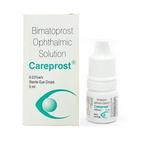
These drops gained immense popularity, demonstrating an incredibly fast and always noticeable result since its application. This innovative means will allow you to give your eyelashes an ideal look, strength and health, in whatever serious condition they are before the moment of its application. It is safe and effective providing amazing results.
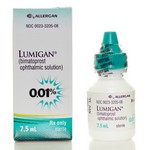
This means is prescribed to reduce eye pressure. Its active ingredient is synthetic prostaglandin bimatoprost – an unsaturated fatty acid, similar in its properties to hormones. Getting into the eye, drops help maintain the balance of the flow and outflow of eye fluid. It is a violation of this balance that leads to an increase in pressure, due to which the blood supply to the eye is impaired and the load on the optic nerve increases.

Bimatoprost reduces IOP in humans by increasing the outflow of aqueous humor through the trabecular meshwork and uveoscleral outflow. IOP reduction begins about 4 hours after the first use. The maximum effect is achieved after about 8–12 hours. The effect lasts for at least 24 hours.
Side Effects of Boric Acid Eye Drops
Boric acid eye drops are a popular choice for many individuals suffering from dry and irritated eyes. These eye drops are made with a mild antiseptic solution that can help soothe eye discomfort and promote eye health. However, like any medication, boric acid eye drops can have side effects that users should be aware of.
Common Side Effects
The most common side effects of boric acid eye drops are mild and usually go away on their own. These side effects may include:
- Stinging or burning sensations when applying the eye drops
- Temporary blurred vision
- Eye redness or irritation
These side effects are typically temporary and not a cause for concern. However, if they persist or worsen, it is advisable to consult with a healthcare professional.
Rare or Serious Side Effects
While rare, some individuals may experience more serious side effects from using boric acid eye drops. These side effects may include:
- Allergic reactions, such as swelling or hives
- Severe eye pain or discomfort
- Blurred vision that does not improve with time
If any of these rare or serious side effects occur, it is important to seek medical attention immediately. These side effects may indicate an allergic reaction or a more severe underlying eye condition that requires prompt attention.
It is worth noting that the information provided here is not intended to be a substitute for professional medical advice. If you have concerns or questions about using boric acid eye drops or any other medication, it is best to consult with a healthcare professional.
Sources:
5. Finding the right allergy eye drops
Allergy eye drops are a common treatment option for individuals who experience eye-related symptoms due to allergies. These eye drops work by reducing inflammation and relieving itching, redness, and watering of the eyes. There are several types of allergy eye drops available, each with its own set of benefits and considerations. To find the right allergy eye drops for your needs, considering the following factors:
1. Type of Allergy Eye Drops
There are several types of allergy eye drops available, including antihistamine eye drops, mast cell stabilizer eye drops, nonsteroidal anti-inflammatory drug (NSAID) eye drops, and combination eye drops. Each type works differently to alleviate allergy symptoms.
- Antihistamine Eye Drops: These eye drops block the effects of histamines, which are chemicals released by the body in response to an allergic reaction. Antihistamine eye drops can help relieve itching, redness, and watering of the eyes.
- Mast Cell Stabilizer Eye Drops: These eye drops prevent mast cells from releasing histamines, thereby reducing allergic inflammation. Mast cell stabilizer eye drops are effective in preventing and managing allergy symptoms.
- NSAID Eye Drops: Nonsteroidal anti-inflammatory drug eye drops help reduce inflammation in the eyes. They can help alleviate redness, swelling, and itching associated with allergies.
- Combination Eye Drops: Combination eye drops contain a combination of antihistamines and mast cell stabilizers, providing both quick relief and long-term management of allergy symptoms.
Consult with your healthcare provider or pharmacist to determine which type of allergy eye drops is best suited for your specific allergy symptoms and needs.
2. Potential Side Effects
While allergy eye drops are generally safe, they may cause some side effects. Common side effects include stinging or burning sensations, temporary blurred vision, and mild eye irritation. It is important to read the product label and follow the instructions carefully to minimize the risk of side effects.
If you experience severe or persistent side effects, discontinue use and consult your healthcare provider. They can recommend an alternative eye drop or provide further guidance based on your individual situation.
3. Individual Needs and Preferences
Consider your individual needs and preferences when choosing allergy eye drops. Factors to consider include convenience, frequency of use, and personal preference for preservative-free or multi-dose options.
If you wear contact lenses, it is important to choose eye drops that are compatible with contact lens use. Some eye drops are specifically formulated for contact lens wearers and are labeled as such. Be sure to check the product label or consult with your eye care professional for guidance.
4. Reviews and Recommendations
Reading reviews and recommendations from other individuals who have used allergy eye drops can be helpful in making an informed decision. Look for reputable sources or websites that provide unbiased reviews and ratings for different brands and types of allergy eye drops.
Additionally, consider seeking recommendations from your healthcare provider or pharmacist, as they can provide personalized advice based on your specific allergy symptoms and medical history.
Overall, finding the right allergy eye drops involves considering the type of eye drops, potential side effects, individual needs and preferences, and seeking reviews and recommendations. By taking these factors into account, you can select an allergy eye drop that effectively alleviates your allergy symptoms and provides relief.
Treating Bell’s palsy with eye drops
Bell’s palsy is a condition that affects the facial nerve, causing weakness or paralysis of the muscles on one side of the face. This can lead to drooping eyelids, difficulty closing the eye, and other eye-related symptoms. In order to manage these symptoms and protect the affected eye, the use of eye drops can be recommended as part of the treatment plan.
1. Lubricating eye drops
One of the main issues faced by individuals with Bell’s palsy is the inability to fully close the affected eye, which can lead to dryness and irritation. Lubricating eye drops can help provide relief by moisturizing the eye and preventing dryness.
When choosing lubricating eye drops, it is important to look for preservative-free options. Preservatives in eye drops can sometimes cause irritation or allergic reactions, which can further exacerbate the symptoms of Bell’s palsy. It is also advisable to look for eye drops that are specifically formulated for dry eyes.
2. Artificial tears
Artificial tears are another type of eye drops that can be beneficial for individuals with Bell’s palsy. They work by mimicking the composition of natural tears, providing the eyes with moisture and lubrication.
When selecting artificial tears, it is important to consider the severity of dryness and choose drops that provide long-lasting relief. Some artificial tears may need to be applied more frequently than others. It is also advisable to consult with an ophthalmologist or healthcare provider to determine the most suitable option.
3. Steroid eye drops
In some cases, steroid eye drops may be prescribed for individuals with Bell’s palsy to help reduce inflammation and swelling. Steroid eye drops work by suppressing the immune response, which can be beneficial in managing the symptoms of Bell’s palsy. These eye drops can help decrease eyelid swelling and improve eye closure.
It is important to note that the use of steroid eye drops for Bell’s palsy should be done under the guidance and supervision of a healthcare provider. A prescription is required to obtain steroid eye drops, as they are not available over the counter.
4. Antibiotic eye drops
In cases where there is concern about the increased risk of eye infections due to the inability to fully close the eye, antibiotic eye drops may be recommended. These eye drops help prevent or treat bacterial infections that can occur when the eye is not adequately protected.
Antibiotic eye drops should be used as prescribed by a healthcare provider. It is important to complete the full course of treatment, even if symptoms improve, to ensure that the infection is fully resolved.
It is worth mentioning that the use of eye drops for the treatment of Bell’s palsy is just one aspect of the overall management plan. Other treatments, such as physical therapy, medication, and lifestyle adjustments, may also be recommended to improve the prognosis and minimize complications.
Consultation with a healthcare provider, ideally a neurologist or ophthalmologist, is crucial for an accurate diagnosis and to determine the most appropriate treatment options for Bell’s palsy.
Additionally, individuals with Bell’s palsy should follow up with their healthcare provider regularly to monitor their progress and modify the treatment plan if necessary.
Conclusion and Final Thoughts
In conclusion, eye drops are a common and effective treatment for various eye conditions and symptoms. Whether you are dealing with eye inflammation, allergic reactions, lazy eye, or Bell’s palsy, there is likely an eye drop option available to help manage your symptoms.
It is important to consult with your healthcare provider or ophthalmologist for personalized advice on using eye drops. They can assess your specific condition and recommend the best eye drop option for you.
When using eye drops, it is crucial to follow the instructions provided by the manufacturer and your healthcare provider. Be sure to wash your hands thoroughly before applying the eye drops and avoid touching the tip of the bottle to prevent contamination.
If you experience any adverse reactions or side effects while using eye drops, stop using them immediately and seek medical attention. Common side effects may include mild discomfort such as stinging or burning sensations, but there may also be rare or serious side effects that require medical intervention.
For additional information about eye drops and their usage, reliable sources such as the American Academy of Ophthalmology (link: https://www.aao.org/) and the National Eye Institute (link: https://www.nei.nih.gov/) can provide valuable insights.
Remember, everyone’s eye health and condition are unique, so what works for one person may not work for another. It may require some trial and error to find the right eye drop option that provides optimal relief and symptom management.