1. Overview of Genticyn Eye Drops
Genticyn eye drops are a medication used to treat various eye conditions and infections. They contain the active ingredient gentamicin sulfate, which belongs to a class of medications called aminoglycoside antibiotics. These eye drops are primarily used to treat bacterial eye infections, including conjunctivitis (pink eye) and corneal ulcers.
When applied to the affected eye(s), Genticyn eye drops work by killing the bacteria causing the infection, reducing redness and inflammation, and relieving pain and discomfort. These eye drops are commonly prescribed by healthcare professionals to help with conditions such as:
- Conjunctivitis (pink eye)
- Corneal ulcers
- Bacterial keratitis
- Blepharitis
- Meibomian gland dysfunction
It is important to note that Genticyn eye drops should only be used as prescribed by a healthcare professional and for the duration recommended. Completing the full course of treatment is crucial to effectively treat the underlying infection and prevent its recurrence.
Instructions for using Genticyn eye drops properly
Proper administration is key
When it comes to using Genticyn eye drops, it is essential to follow the proper administration instructions to ensure maximum effectiveness and reduce the risk of potential side effects. Here is a step-by-step guide on how to properly apply Genticyn eye drops:
- Wash your hands: Before applying the eye drops, make sure to thoroughly wash your hands with soap and water to prevent any contamination or infection.
- Tilt your head back: Gently tilt your head back, or lie down in a comfortable position, to create a clear and convenient pathway for the eye drops to enter your eyes.
- Gently pull down your lower eyelid: Using your index finger, gently pull down your lower eyelid to create a small pocket.
- Squeeze the bottle: Holding the Genticyn eye drop bottle upside down, use your other hand to squeeze the bottle and release a single drop of the medication into the small pocket created by pulling down your lower eyelid.
- Close your eyes: Close your eyes gently and keep them closed for a few moments to allow the eye drops to spread across the surface of your eyes.
- Wipe away excess: If there is any excess liquid around your eyes, use a clean tissue or cotton swab to gently dab it away. Be careful not to rub your eyes.
- Replace the cap: Make sure to tightly close the cap of the Genticyn eye drop bottle to prevent any contamination or leakage.
- Keep a regular schedule: Follow the recommended dosage and frequency of Genticyn eye drops as prescribed by your healthcare professional. Do not skip doses or use more than instructed.
It is important to note that these instructions are general guidelines and may vary depending on the specific instructions provided by your healthcare professional or the manufacturer of Genticyn eye drops. Always read the packaging information and consult with a healthcare professional if you have any questions or concerns regarding the proper administration of Genticyn eye drops.
For more information on proper administration techniques, you can visit the Mayo Clinic website or the American Academy of Ophthalmology website.
Remember: Always follow the instructions provided by your healthcare professional and do not hesitate to reach out to them with any questions or concerns you may have. Proper administration of Genticyn eye drops is crucial for optimal eye health and treatment outcomes.
Can you use too much lubricating eye drops?
Lubricating eye drops, also known as artificial tears, are commonly used to relieve dryness and irritation in the eyes. While they can provide temporary relief and comfort, it is important to use them as directed and not exceed the recommended dosage. Using too much lubricating eye drops can have potential risks and side effects.
Risks and side effects of excessive use
Using an excessive amount of lubricating eye drops can cause several issues. Some of the potential risks and side effects include:
- Overhydration: Overuse of lubricating eye drops can lead to overhydration of the eye. This can disrupt the natural balance of tears in the eye, causing the eyes to become dependent on the drops for moisture.
- Increased redness: Paradoxically, using too many lubricating eye drops can actually lead to increased redness in the eyes. This is known as rebound redness and occurs when the blood vessels in the eyes dilate in response to the frequent use of eye drops.
- Blurred vision: Excessive use of lubricating eye drops can cause temporary blurred vision. This can make it difficult to perform tasks that require clear vision, such as reading or driving.
- Allergic reactions: Some individuals may have allergic reactions to certain ingredients in lubricating eye drops. Symptoms of an allergic reaction may include redness, itching, swelling, and watery eyes. If you experience any of these symptoms, it is important to discontinue use and consult a healthcare professional.
Preventing overuse of lubricating eye drops
To prevent overuse of lubricating eye drops, it is important to follow the recommended dosage and frequency as instructed by a healthcare professional. Here are some tips to help prevent overuse:
- Read the label: Carefully read the instructions on the packaging of the eye drops to understand the recommended dosage and frequency.
- Use as needed: Only use lubricating eye drops when you are experiencing symptoms of dryness or irritation. Using them excessively when not needed can disrupt the natural tear production in the eyes.
- Consult a healthcare professional: If you frequently experience dry eyes or if your symptoms persist despite using lubricating eye drops, it is important to consult a healthcare professional. They can evaluate your condition and provide appropriate guidance and treatment options.
- Avoid sharing eye drops: Eye drops are typically meant for individual use only. Sharing eye drops with others can increase the risk of contamination and infection.
Overall, while lubricating eye drops can provide relief for dry and irritated eyes, it is important to use them judiciously and follow the recommended dosage and frequency. If you have any concerns or experience adverse effects, consult a healthcare professional for guidance.

Bimat eye drops are used to treat hypotrichosis, short, weak eyelashes. Bimat increases the length, thickness and enhances the color of eyelashes. These substances are also used to lower intraocular pressure in patients with a diagnosis of glaucoma. By reducing the pressure, the risk of blindness is significantly decreased.
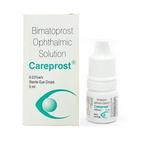
These drops gained immense popularity, demonstrating an incredibly fast and always noticeable result since its application. This innovative means will allow you to give your eyelashes an ideal look, strength and health, in whatever serious condition they are before the moment of its application. It is safe and effective providing amazing results.
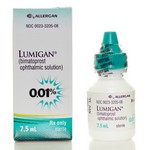
This means is prescribed to reduce eye pressure. Its active ingredient is synthetic prostaglandin bimatoprost – an unsaturated fatty acid, similar in its properties to hormones. Getting into the eye, drops help maintain the balance of the flow and outflow of eye fluid. It is a violation of this balance that leads to an increase in pressure, due to which the blood supply to the eye is impaired and the load on the optic nerve increases.

Bimatoprost reduces IOP in humans by increasing the outflow of aqueous humor through the trabecular meshwork and uveoscleral outflow. IOP reduction begins about 4 hours after the first use. The maximum effect is achieved after about 8–12 hours. The effect lasts for at least 24 hours.
A Nurse’s Perspective on Caring for a Client Receiving Mydriatic Eye Drops
As a nurse, I have had the opportunity to care for numerous patients who are receiving mydriatic eye drops. Mydriatic eye drops are a type of medication that is used to dilate the pupil of the eye. They are commonly used during eye examinations to allow for a better view of the interior of the eye.
When administering mydriatic eye drops to a patient, it is crucial to follow the proper administration technique to ensure the safety and efficacy of the medication. Here is an overview of my experience and some important considerations when caring for a client receiving mydriatic eye drops:
1. Proper Administration:
Before applying mydriatic eye drops, it is essential to wash hands thoroughly to maintain proper hygiene. A gentle approach should be taken to avoid any injury or discomfort to the patient. It is important to inform the patient about the procedure and explain any potential side effects or sensations they may experience.
The recommended dosage and frequency of mydriatic eye drops differ depending on the specific medication and the individual’s condition. Therefore, it is crucial to carefully read the instructions provided by the prescribing healthcare professional.
The application of mydriatic eye drops typically involves the following steps:
- Have the patient tilt their head back while sitting or lying down.
- Gently pull down the lower eyelid to create a small pocket.
- Hold the medication bottle upright, close to the eye but without touching it.
- Squeeze the prescribed number of drops into the lower eyelid pocket.
- Instruct the patient to keep their eyes closed for a few minutes to allow the medication to distribute evenly.
- Afterward, ask the patient to wipe away any excess medication using a clean tissue.
It is crucial to ensure that the patient does not touch their eyes or rub them after application to prevent any accidental contamination or injury to the eye.
2. Monitoring and Side Effects:
Monitoring the patient’s response to mydriatic eye drops is an important part of nursing care. After administration, it is necessary to observe the patient for any adverse reactions or side effects. Common side effects may include temporary blurred vision, sensitivity to light, and stinging or burning sensations.
In some cases, mydriatic eye drops can cause systemic effects such as increased heart rate or dry mouth. These side effects should be reported to the healthcare provider for further evaluation.
In rare instances, mydriatic eye drops may lead to more severe complications such as increased intraocular pressure or allergic reactions. If a patient experiences severe eye pain, changes in vision, or signs of an allergic reaction such as swelling or difficulty breathing, it is crucial to seek immediate medical attention.
3. Patient Education:
As a nurse, I find it vital to educate my patients about their medication and the importance of following the prescribed regimen. Patients should be informed about the potential side effects, the duration of their effects, and any precautions they need to take when using mydriatic eye drops.
Moreover, it is crucial to emphasize the importance of attending follow-up appointments with their healthcare provider to monitor their eye health and adjust the treatment plan if necessary.
In conclusion, caring for clients receiving mydriatic eye drops requires attention to detail and adherence to proper administration techniques. It is essential for nurses to educate patients about their medication, monitor for adverse reactions, and remain vigilant for any possible complications. By providing comprehensive care, nurses can contribute to ensuring the safety and well-being of their patients during eye examinations and treatments.
Benefits and Considerations of Using Moxi Brom Eye Drops
Moxi Brom eye drops are a type of medication that is commonly used for various eye conditions. These drops contain an active ingredient called moxifloxacin, which is an antibiotic that helps to fight bacteria in the eyes.
Benefits of Moxi Brom Eye Drops:
- Treatment of Bacterial Conjunctivitis: Moxi Brom eye drops are often prescribed for the treatment of bacterial conjunctivitis, also known as pink eye. This condition is caused by a bacterial infection and is characterized by redness, itching, and discharge from the eyes. Moxi Brom helps to eliminate the bacteria and alleviate the symptoms, promoting faster healing.
- Reduction of Eye Inflammation: Moxi Brom eye drops have anti-inflammatory properties, which can help to reduce inflammation in the eyes. This can be beneficial for conditions such as uveitis or iritis, which involve inflammation of the uvea (the middle layer of the eye).
- Prevention of Eye Infections: Moxi Brom eye drops are sometimes used as a prophylactic treatment to prevent eye infections after certain eye surgeries, such as cataract surgery. The drops help to reduce the risk of infection and promote proper healing.
Considerations and Precautions:
While Moxi Brom eye drops can provide benefits for various eye conditions, it is important to use them correctly and follow the instructions provided by your healthcare professional. Here are some considerations and precautions to keep in mind:
- Consult with your doctor: Before using Moxi Brom eye drops, it is important to consult with your doctor or eye specialist. They will assess your specific condition and determine if Moxi Brom is the appropriate treatment for you.
- Follow the prescribed dosage: Use the recommended dosage of Moxi Brom eye drops as prescribed by your healthcare professional. Do not exceed the recommended dosage or use the drops for a longer period than instructed.
- Proper administration: Follow the proper technique for administering the eye drops. Wash your hands thoroughly before applying the drops and tilt your head back slightly while pulling down your lower eyelid to create a small pocket. Squeeze the prescribed amount of drops into the pocket and then close your eyes gently, allowing the drops to spread evenly over the surface of the eye.
- Avoid contact with contact lenses: If you wear contact lenses, remove them before using Moxi Brom eye drops. Wait at least 15 minutes after applying the drops before reinserting your contact lenses. This will help to prevent any interaction between the eye drops and your lenses.
- Possible side effects: Like any medication, Moxi Brom eye drops may cause side effects in some individuals. Common side effects may include temporary stinging, burning, or redness in the eyes. If you experience any severe or persistent side effects, such as severe eye pain or vision changes, seek medical attention immediately.
It is important to note that the information provided in this article is for informational purposes only and should not replace professional medical advice. Always consult with your healthcare professional or eye specialist for personalized guidance and treatment options for your specific eye condition.
Possible Side Effects or Allergic Reactions to Eye Drops
Using eye drops can provide relief from various eye conditions, but it’s important to be aware of possible side effects and allergic reactions that may occur. While many people tolerate eye drops well, some individuals may experience adverse effects. Here are some potential side effects and allergic reactions to watch out for:
- Minor Irritation: It is common to experience mild irritation or stinging in the eyes immediately after applying eye drops. This generally subsides quickly and is not typically a cause for concern.
- Redness or Itching: Eye drops may sometimes cause temporary redness or itching in the eyes. If these symptoms persist or worsen, it is advisable to consult a healthcare professional to rule out any underlying issues.
- Dryness or Burning Sensation: Some eye drops may cause temporary dryness or a burning sensation in the eyes. If this persists or becomes uncomfortable, seek medical advice.
- Allergic Reactions: In rare cases, individuals may experience an allergic reaction to certain eye drops. Symptoms may include swelling, redness, itching, or difficulty breathing. If you experience any of these symptoms after using eye drops, seek immediate medical attention.
- Changes in Vision: Eye drops, particularly those that dilate the pupil, may temporarily affect vision. This could include blurred vision or increased sensitivity to light. These effects are usually temporary and should resolve on their own. If they persist or are concerning, consult your healthcare professional.
- Systemic Side Effects: Some eye drops that contain certain medications, such as steroids, may have the potential for systemic side effects. These can include increased intraocular pressure, glaucoma, or cataract development. It is important to follow the prescribed dosage and monitor for any unusual symptoms.
If you experience any concerning side effects or allergic reactions while using eye drops, it is essential to consult a healthcare professional. They can provide proper guidance and determine the best course of action to address any issues that may arise.
When using eye drops, always read and follow the instructions provided by the manufacturer or healthcare professional. Additionally, adhere to the recommended dosage and frequency of use. If you have any questions or concerns, don’t hesitate to reach out to a healthcare professional for clarification or guidance.
Remember, properly caring for your eyes and using eye drops appropriately can help maintain good eye health and prevent complications. Trusting reputable sources for information and seeking professional advice when needed will ensure you make informed decisions regarding your eye care.
Conclusion and Final Thoughts on Eye Drops
In conclusion, eye drops are a commonly used form of medication for various eye conditions. Whether it’s Genticyn eye drops, lubricating eye drops, mydriatic eye drops, or Moxi Brom eye drops, it is crucial to use them as directed and seek proper medical advice when needed.
Throughout this article, we have explored the benefits, instructions for use, and possible side effects of different eye drops. It is important to remember that while many eye drops can provide relief and improve eye health, they can also have potential risks and limitations.
To ensure the safe and effective use of eye drops, it is essential to consult a healthcare professional, such as an ophthalmologist or optometrist. These professionals can accurately diagnose your specific eye condition and provide tailored advice on the appropriate eye drops to use.
When using eye drops, always follow the instructions provided by your healthcare professional, including the recommended dosage and frequency of use. Proper administration of eye drops is vital to ensure their effectiveness and minimize the risk of complications.
If you experience any concerning symptoms or side effects while using eye drops, do not hesitate to seek medical advice. Common side effects may include irritation, redness, burning, or temporary vision changes. However, some individuals may experience more severe allergic reactions, such as swelling, itching, or difficulty breathing. If any of these occur, it is important to stop using the eye drops and consult a healthcare professional.
While the information provided in this article serves as a guide, it is always best to consult reputable sources and consult with a medical professional for personalized advice. Eye health is crucial, and the correct use of eye drops can be an important part of maintaining good eye care.
Remember, eye drops should be used as a supplement to proper eye care practices, including regular eye examinations and practicing good eye hygiene. By working closely with a healthcare professional and following their advice, you can ensure that you are using eye drops correctly and effectively for optimal eye health.