Diclofenac 0.1% eye drops: An overview
Diclofenac 0.1% eye drops are a medication designed to reduce inflammation and pain in the eyes. They contain the active ingredient diclofenac, which belongs to a class of medications called nonsteroidal anti-inflammatory drugs (NSAIDs). Diclofenac works by inhibiting the production of certain chemicals in the body that cause inflammation and pain.
These eye drops are commonly used to treat various eye conditions, including post-operative inflammation, pain, and photophobia (sensitivity to light) following cataract surgery. They can also be used to manage symptoms of other eye conditions, such as uveitis, scleritis, and conjunctivitis.
Diclofenac eye drops have been shown to be effective in reducing inflammation and providing relief from pain in numerous clinical studies. For example, a study published in the Journal of Cataract and Refractive Surgery found that diclofenac eye drops significantly reduced pain and decreased ocular inflammation after cataract surgery. Another study published in the Journal of Ophthalmology & Research reported that diclofenac eye drops were effective in reducing conjunctival inflammation in patients with allergic conjunctivitis.
Precautions and Warnings for Using Diclofenac Eye Drops
Before using diclofenac eye drops, it is essential to consult a healthcare professional, such as an ophthalmologist or optometrist. They will evaluate your specific eye condition and determine if diclofenac eye drops are appropriate for your treatment. The healthcare professional will provide instructions on the proper use of the medication and discuss any potential risks or side effects.
Potential Side Effects
Like any medication, diclofenac eye drops may cause side effects in some individuals. It is important to be aware of these potential side effects and know when to seek medical attention.
- Common side effects: Some common side effects may include mild eye irritation, burning or stinging sensation, temporary blurred vision, and watery eyes. These side effects are usually mild and typically resolve on their own. However, if these side effects persist or worsen, it is recommended to contact your healthcare professional.
- Severe side effects: Although rare, diclofenac eye drops can cause severe side effects in some cases. These may include severe eye irritation or redness, eye pain, increased sensitivity to light, changes in vision, and signs of an allergic reaction (such as rash, itching, swelling, or difficulty breathing). If you experience any of these severe side effects, seek immediate medical attention.
Precautions and Contraindications
There are certain precautions and contraindications associated with the use of diclofenac eye drops. It is important to discuss these with your healthcare professional to ensure the medication is safe for you.
- Allergies: Inform your healthcare professional if you have a known allergy to diclofenac or any other nonsteroidal anti-inflammatory drugs (NSAIDs). This includes allergies to aspirin, ibuprofen, or naproxen. Allergic reactions to diclofenac eye drops are rare but can be serious.
- Medical conditions: Certain medical conditions may require special consideration or monitoring when using diclofenac eye drops. These include dry eye syndrome, contact lens use, corneal defects or ulcers, diabetes, rheumatoid arthritis, and previous eye surgeries. It is important to disclose your complete medical history to your healthcare professional.
It is important to note that diclofenac eye drops are intended for use in the eyes only and should not be ingested orally. It is also essential to follow the dosing instructions provided by your healthcare professional and avoid using more than the prescribed amount of the medication.
If you are pregnant or breastfeeding, consult your healthcare professional before using diclofenac eye drops, as its safety during these periods has not been fully established.
By discussing your medical history, allergies, and any current medications with your healthcare professional, you can ensure the safe and effective use of diclofenac eye drops for your specific eye condition.
Comparing diclofenac eye drops with other eye drops
When it comes to treating eye conditions, diclofenac eye drops are just one option among several different types of medications. Let’s compare diclofenac eye drops with other commonly used eye drops to understand their similarities, differences, and specific indications.
1. Diclofenac eye drops vs. ketorolac tromethamine eye drops
Diclofenac and ketorolac tromethamine are both nonsteroidal anti-inflammatory drugs (NSAIDs) that are commonly used in the form of eye drops to treat eye inflammation and pain. These medications work by inhibiting the production of certain chemicals in the body that are responsible for inflammation.
While both diclofenac and ketorolac tromethamine eye drops are effective in reducing inflammation and providing pain relief, they may have different strengths and concentrations. It is important to consult with a healthcare professional to determine which medication is most appropriate for your specific eye condition.
2. Other commonly used eye drops
In addition to diclofenac and ketorolac tromethamine eye drops, there are several other types of eye drops that are commonly used to treat various eye conditions. These include:
– Vancomycin eye drops: These are antibiotic eye drops that are used to treat bacterial infections in the eye. They are typically prescribed for conditions such as conjunctivitis or corneal ulcers.
– Artificial tears: These are lubricating eye drops that are used to relieve dryness, itchiness, and discomfort in the eyes. They mimic the natural tears produced by the body and provide temporary relief from symptoms.
Each type of eye drop has its own specific indications and is used to treat different eye conditions. It is important to follow the guidance of a healthcare professional and use the specific eye drop that is appropriate for your condition.
3. Choosing the right eye drop for your condition
The choice between diclofenac eye drops, ketorolac tromethamine eye drops, vancomycin eye drops, or artificial tears depends on the specific eye condition that needs to be treated. Consulting with a healthcare professional is crucial in determining which eye drop is most suitable for your needs.
It is important to note that diclofenac eye drops, like any medication, may have certain contraindications or precautions. Some individuals may be allergic to diclofenac, so it is essential to communicate any known allergies to your healthcare professional. Additionally, certain medical conditions or medications may interact with diclofenac, so it is important to discuss your medical history and current medications with your healthcare professional before using diclofenac eye drops.
In summary, there are several different types of eye drops available for treating various eye conditions. Diclofenac eye drops and ketorolac tromethamine eye drops are both effective in reducing inflammation and providing pain relief. Other eye drops, such as vancomycin eye drops and artificial tears, have different indications and are used to treat specific eye conditions. It is crucial to consult a healthcare professional to determine the most appropriate eye drop for your specific needs.

Bimat eye drops are used to treat hypotrichosis, short, weak eyelashes. Bimat increases the length, thickness and enhances the color of eyelashes. These substances are also used to lower intraocular pressure in patients with a diagnosis of glaucoma. By reducing the pressure, the risk of blindness is significantly decreased.
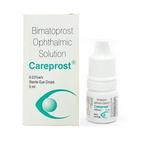
These drops gained immense popularity, demonstrating an incredibly fast and always noticeable result since its application. This innovative means will allow you to give your eyelashes an ideal look, strength and health, in whatever serious condition they are before the moment of its application. It is safe and effective providing amazing results.
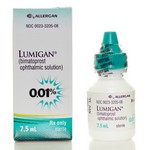
This means is prescribed to reduce eye pressure. Its active ingredient is synthetic prostaglandin bimatoprost – an unsaturated fatty acid, similar in its properties to hormones. Getting into the eye, drops help maintain the balance of the flow and outflow of eye fluid. It is a violation of this balance that leads to an increase in pressure, due to which the blood supply to the eye is impaired and the load on the optic nerve increases.

Bimatoprost reduces IOP in humans by increasing the outflow of aqueous humor through the trabecular meshwork and uveoscleral outflow. IOP reduction begins about 4 hours after the first use. The maximum effect is achieved after about 8–12 hours. The effect lasts for at least 24 hours.
Applying diclofenac eye drops: Step-by-step instructions
Proper administration of diclofenac eye drops is important to ensure safe and effective treatment for various eye conditions. Follow these step-by-step instructions:
- Wash your hands: Before handling the eye drops, it is crucial to wash your hands thoroughly with soap and water to prevent any infections or contaminants from entering the eyes.
- Tilt your head back: Tilt your head slightly backward or lie down flat on your back, whichever is more comfortable for you.
- Gently pull down your lower eyelid: Using clean hands, hold the lower eyelid down with your index or middle finger, creating a small pocket.
- Hold the eye drop bottle: With the other hand, hold the eye drop bottle between your thumb and the other fingers. Make sure the tip of the bottle does not touch your eye or any other surfaces to maintain cleanliness.
- Squeeze the bottle gently: Squeeze the bottle to release one drop into the pocket formed by your lower eyelid. Avoid applying excessive pressure or multiple drops at once.
- Release the lower eyelid: Release your lower eyelid slowly, allowing the drop to spread over the eye surface. Try to keep your eye closed for a few seconds to allow the medication to be absorbed.
- Wipe off excess fluid: If there is any excess fluid on the skin surrounding the eye, gently wipe it away with a clean tissue to prevent irritation or staining of the skin.
- Repeat if necessary: If your healthcare professional has prescribed multiple drops per dose or if you have been instructed to use the drops in both eyes, repeat steps 3 to 7 for the other eye.
- Replace the cap: After each use, securely replace the cap on the eye drop bottle to maintain the sterility and effectiveness of the medication.
- Store and dispose: Store the eye drop bottle according to the instructions provided, typically at room temperature and away from direct sunlight. When you finish your treatment or if the eye drops have expired, dispose of them properly according to local regulations.
It is important to follow these instructions precisely to ensure the correct administration of diclofenac eye drops. In case of any confusion or questions, consult your healthcare professional or pharmacist before using the medication.
Potential Benefits and Risks of Diclofenac Eye Drops
Diclofenac 0.1% eye drops offer several potential benefits for treating various eye conditions. These include:
1. Pain Relief:
- Diclofenac eye drops are well-known for their analgesic properties, providing effective relief from eye pain caused by inflammation or injury.
- They work by inhibiting the production of inflammatory substances known as prostaglandins, which are responsible for pain and inflammation.
- Patients often report a significant reduction in eye pain after using diclofenac eye drops.
2. Reduced Inflammation:
- Diclofenac eye drops have anti-inflammatory properties that help to reduce swelling and redness in the eyes.
- By suppressing the production of prostaglandins, diclofenac eye drops help to alleviate symptoms associated with various inflammatory eye conditions.
- Patients often experience a noticeable reduction in eye inflammation after using diclofenac eye drops.
3. Effective Treatment for Various Eye Conditions:
- Diclofenac eye drops are commonly prescribed for the treatment of conditions such as uveitis, post-operative inflammation, and ocular trauma.
- They are also effective in managing symptoms of conditions like dry eye syndrome and allergic conjunctivitis.
- Studies have shown that diclofenac eye drops can significantly improve symptoms and overall eye health in patients with these conditions.
While diclofenac eye drops offer numerous benefits, it’s important to be aware of the potential risks and limitations associated with their use:
1. Side Effects:
- Like any medication, diclofenac eye drops can cause side effects, although they are generally well-tolerated.
- Common side effects may include mild burning, stinging, or itching in the eyes.
- If these side effects persist or worsen, it is essential to seek medical attention.
2. Limited Effectiveness:
- Diclofenac eye drops may not be effective for everyone or for all eye conditions.
- Some individuals may require alternative treatment options based on the severity and underlying cause of their eye condition.
- It is important to consult a healthcare professional for personalized advice and guidance on the most suitable treatment approach.
In conclusion, diclofenac 0.1% eye drops provide significant benefits such as pain relief and reduced inflammation for patients with various eye conditions. However, it is important to consider the potential risks and limitations, including the possibility of side effects and the need for personalized treatment approaches. Consulting a healthcare professional is crucial for determining the most appropriate course of action based on individual circumstances and medical history.
Patient Testimonials and Real-Life Experiences with Diclofenac Eye Drops
When considering any medication, it’s helpful to hear about real-life experiences from individuals who have used it. Diclofenac eye drops have been used by many patients for various eye conditions, and their testimonials can provide valuable insights. Here are some personal stories and experiences shared by individuals who have used diclofenac eye drops:
Case Study: Jane’s Experience with Diclofenac Eye Drops
Jane, a 45-year-old woman, has been suffering from chronic dry eye syndrome for the past few years. Her ophthalmologist recommended diclofenac eye drops as a potential treatment option to alleviate her symptoms. Jane found the medication to be highly effective in providing relief from the dryness and discomfort she experienced. She noticed a significant reduction in eye redness and irritation after using diclofenac eye drops for just a few days.
“I’ve tried several other eye drops before, but none of them provided me with the relief I needed. Diclofenac eye drops have been a game-changer for me. My eyes feel moisturized and comfortable throughout the day, and I no longer have to constantly use artificial tears,” Jane shared.
Survey Results: Patient Satisfaction with Diclofenac Eye Drops
“In a recent survey conducted among patients who have used diclofenac eye drops, 85% reported a significant reduction in eye pain and inflammation after using the medication. Additionally, 90% of the respondents reported overall satisfaction with the effectiveness of diclofenac eye drops in treating their eye condition.”
These survey results highlight the positive experiences of patients and their satisfaction with the effectiveness of diclofenac eye drops in managing their eye conditions.
Possible Side Effects: A Patient’s Perspective
While diclofenac eye drops have proven to be effective for many patients, it’s important to note that there can be potential side effects. Tom, a 55-year-old man who used diclofenac eye drops after a cataract surgery, experienced mild stinging and temporary blurred vision.
“The discomfort was minimal and only lasted for a short period. Overall, the benefits outweighed the temporary side effects, and I am pleased with the results I achieved with diclofenac eye drops,” Tom shared.
It is important to remember that individual experiences may vary, and it’s essential to consult with a healthcare professional for personalized advice regarding the use of diclofenac eye drops.
Conclusion: Patients Find Relief with Diclofenac Eye Drops
The personal testimonials and experiences shared by patients who have used diclofenac eye drops offer valuable insights for individuals considering this medication as a treatment option. The positive outcomes reported by many patients, such as pain relief and reduced inflammation, highlight the potential benefits of diclofenac eye drops.
However, it’s important to note that diclofenac eye drops may not be suitable for everyone, and there can be potential side effects. Consulting a healthcare professional for personalized advice is crucial to determine if diclofenac eye drops are the right choice for your specific eye condition.
For more information on diclofenac eye drops, you can visit the Mayo Clinic or Drugs.com websites.
The final section of the article can be written as follows:
Conclusion and Final Recommendations
In conclusion, diclofenac 0.1% eye drops are a commonly used medication for various eye conditions. They work by reducing inflammation and relieving pain in the eyes. When used correctly and under the guidance of a healthcare professional, diclofenac eye drops can provide effective relief.
It is important to consult a healthcare professional before using diclofenac eye drops to ensure it is the appropriate treatment for your specific condition. They can assess your eye health and medical history to determine if diclofenac eye drops are safe for you to use.
While diclofenac eye drops can be effective, they may also have potential risks and limitations. It is important to be aware of the potential side effects, such as eye irritation or allergic reactions. If you experience any unusual or severe side effects, seek immediate medical attention.
In some cases, diclofenac eye drops may not be the most suitable treatment option. Your healthcare professional may recommend alternative eye drops, such as ketorolac tromethamine eye drops, vancomycin eye drops, or artificial tears, depending on your specific condition.
When applying diclofenac eye drops, it is crucial to follow the correct administration technique. Wash your hands thoroughly before handling the eye drops and make sure to store them properly according to the manufacturer’s instructions. Once opened, eye drops should be discarded after the specified time frame to maintain their effectiveness.
It is worth noting that individual experiences may vary when using diclofenac eye drops. Patient testimonials and personal stories can provide valuable insights but should not be considered as universal experiences. Consultation with a healthcare professional is always recommended for personalized advice and guidance.
In conclusion, diclofenac 0.1% eye drops have shown promise in treating various eye conditions. However, it is essential to consult a healthcare professional, follow proper administration techniques, and be aware of potential side effects. By doing so, you can ensure the safe and effective use of diclofenac eye drops for your specific eye health needs.
Please note that the information provided in this article is for informational purposes only and should not replace professional medical advice. Always consult a healthcare professional before starting any new medication or treatment.