Overview of Azopt Eye Drops and Their Uses
Azopt eye drops are a prescription medication used to treat glaucoma, a condition characterized by increased intraocular pressure. The active ingredient in Azopt eye drops is brinzolamide, which belongs to a class of drugs known as carbonic anhydrase inhibitors.
Carbonic anhydrase inhibitors work by reducing the production of fluid in the eye, thereby lowering intraocular pressure. By decreasing the pressure in the eye, Azopt eye drops help prevent damage to the optic nerve and preserve vision.
Azopt eye drops are typically used as a long-term treatment for glaucoma and are available in the form of a sterile ophthalmic solution. The drops are administered directly into the affected eye(s), usually one drop three times a day.
Uses of Azopt Eye Drops:
- Treatment of open-angle glaucoma: Azopt eye drops are commonly prescribed to manage open-angle glaucoma, a type of glaucoma where the drainage angle in the eye is open, but fluid does not flow out of the eye properly.
- Treatment of ocular hypertension: Azopt eye drops may also be used to reduce intraocular pressure in individuals with ocular hypertension, a condition characterized by higher than normal pressure in the eye but without any damage to the optic nerve.
Azopt eye drops are not suitable for everyone, and it is important to consult with a healthcare professional before starting treatment. They should not be used by individuals with a known allergy to brinzolamide or sulfa drugs.
It is also important to note that Azopt eye drops are not a cure for glaucoma, but rather a management tool to control intraocular pressure and prevent further damage to vision. Regular monitoring by an eye care professional is necessary to ensure that the eye drops are effective and to adjust the dosage if needed.
Common Side Effects of Azopt Eye Drops
Azopt eye drops are commonly used to treat glaucoma by reducing intraocular pressure. While they are generally well-tolerated, some individuals may experience side effects. It is important to be aware of these potential side effects before using the medication.
Potential Side Effects
The following are some of the common side effects of Azopt eye drops:
- Blurred Vision: In some cases, Azopt eye drops may cause temporary blurred vision. This can range from mild blurriness to more severe impairment. If your vision becomes significantly affected, consult your healthcare provider immediately.
- Eye Discomfort: Some individuals may experience mild eye discomfort or irritation after using Azopt eye drops. This can manifest as a gritty or foreign body sensation in the eyes. If the discomfort is persistent or severe, seek medical attention.
- Eye Dryness: Azopt eye drops can cause dryness in the eyes, leading to discomfort and a sensation of dryness or itchiness. If you experience prolonged dryness or discomfort, consult your healthcare provider.
- Bitter or Unpleasant Taste: Due to the nature of the eye drops, it is possible to experience a bitter or unpleasant taste shortly after instilling the medication. This taste should subside quickly, but if it persists or becomes bothersome, consult your healthcare provider.
It is important to note that not everyone will experience these side effects, and the severity and frequency of side effects can vary from person to person. Some individuals may experience no side effects at all.
Precautions to Minimize Side Effects
To minimize the risk of side effects when using Azopt eye drops, consider the following precautions:
- Follow the prescribed dosage and frequency of administration as instructed by your healthcare provider.
- Ensure that your hands are clean before instilling the eye drops to minimize the risk of introducing bacteria into the eyes.
- Avoid touching your eyes or rubbing them after instilling the eye drops to prevent further irritation.
- If you experience any concerning or severe side effects, contact your healthcare provider for further guidance.
These precautions can help reduce the likelihood and severity of side effects while using Azopt eye drops.
Comparison with other eye drops for glaucoma
When it comes to treating glaucoma, there are several options available, including various eye drops that can help lower intraocular pressure. While Azopt eye drops are a popular choice, it’s always helpful to compare them with other alternatives to make an informed decision.
1. Lumigan eye drops
Lumigan eye drops are another commonly prescribed medication for glaucoma. They contain the active ingredient bimatoprost, which belongs to a class of medications called prostaglandin analogs. Like Azopt, Lumigan works by increasing the outflow of fluid from the eye, thereby reducing intraocular pressure.
One benefit of Lumigan is its once-daily dosing, as opposed to Azopt, which may need to be used more frequently throughout the day. However, Lumigan may cause side effects such as eye redness, eye itching, or changes in iris color, which might be concerning for some individuals.
2. Xalatan eye drops
Xalatan eye drops, also known by its generic name latanoprost, is another prostaglandin analog commonly used to treat glaucoma. Similar to Azopt and Lumigan, Xalatan works by increasing the drainage of fluid from the eye, thus reducing intraocular pressure.
One advantage of Xalatan is its once-daily dosing, which can improve convenience and compliance for some patients. However, some individuals may experience side effects such as blurred vision, eye discomfort, or eye color changes. It is essential to discuss potential side effects with a healthcare provider before starting Xalatan.
3. Travatan eye drops
Travatan eye drops, or travoprost, are another option for individuals with glaucoma. Like other prostaglandin analogs, it helps lower intraocular pressure by increasing the drainage of fluid from the eye.
One potential benefit of Travatan is its potential for a lower risk of side effects compared to other prostaglandin analogs. However, it is important to note that individuals may still experience side effects such as eye redness, eye itching, or changes in iris color.
Real-life examples
Many individuals have shared their experiences using different eye drops for glaucoma treatment. For example, John, a 65-year-old patient with glaucoma, found Azopt to be highly effective in reducing his intraocular pressure with minimal side effects.
On the other hand, Sarah, a 55-year-old glaucoma patient, prefers Xalatan due to its once-daily dosing and has not experienced any significant side effects during her treatment.
It is important to note that individual experiences may vary, and it’s always best to consult with a healthcare provider to determine the most suitable eye drop for glaucoma treatment.

Bimat eye drops are used to treat hypotrichosis, short, weak eyelashes. Bimat increases the length, thickness and enhances the color of eyelashes. These substances are also used to lower intraocular pressure in patients with a diagnosis of glaucoma. By reducing the pressure, the risk of blindness is significantly decreased.
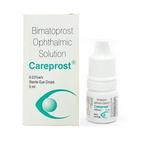
These drops gained immense popularity, demonstrating an incredibly fast and always noticeable result since its application. This innovative means will allow you to give your eyelashes an ideal look, strength and health, in whatever serious condition they are before the moment of its application. It is safe and effective providing amazing results.
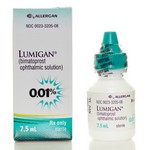
This means is prescribed to reduce eye pressure. Its active ingredient is synthetic prostaglandin bimatoprost – an unsaturated fatty acid, similar in its properties to hormones. Getting into the eye, drops help maintain the balance of the flow and outflow of eye fluid. It is a violation of this balance that leads to an increase in pressure, due to which the blood supply to the eye is impaired and the load on the optic nerve increases.

Bimatoprost reduces IOP in humans by increasing the outflow of aqueous humor through the trabecular meshwork and uveoscleral outflow. IOP reduction begins about 4 hours after the first use. The maximum effect is achieved after about 8–12 hours. The effect lasts for at least 24 hours.
Use of Murine Eye Drops as a Potential Alternative
Murine eye drops are a popular option for individuals seeking relief from symptoms of dry, itchy, and swollen eyes. These eye drops are designed to provide temporary relief and can be an alternative to prescription medications like Azopt eye drops for certain conditions. Here is a closer look at murine eye drops and how they can be used:
What are Murine Eye Drops?
Murine eye drops are over-the-counter eye drops that are widely available in most drugstores and pharmacies. They are specifically formulated to provide relief from common eye irritations, such as dryness, redness, itching, and swelling. These eye drops are often used by individuals who experience discomfort due to environmental factors, seasonal allergies, or prolonged screen time.
How Do Murine Eye Drops Work?
Murine eye drops typically contain active ingredients such as tetrahydrozoline hydrochloride or naphazoline hydrochloride. These ingredients work by constricting the blood vessels in the eye, which helps reduce redness and swelling. Additionally, murine eye drops often have soothing properties that help alleviate dryness and itching.
Effectiveness of Murine Eye Drops
Many individuals find murine eye drops to be effective in providing temporary relief from eye irritations. They can offer quick relief and help restore comfort, especially for those experiencing dry eyes or mild irritation. However, it is important to note that murine eye drops are not intended to treat underlying eye conditions or long-term issues such as glaucoma.
When using murine eye drops, it is recommended to follow the instructions provided on the packaging or consult a healthcare professional for guidance. If symptoms persist or worsen, it is important to seek further medical advice.
Possible Side Effects and Precautions
While murine eye drops are generally considered safe for most individuals, there are some potential side effects and precautions to be aware of. These may include temporary stinging or burning sensations upon application, temporary blurred vision, eye redness, or increased eye dryness. It is important to read the product label and consult a healthcare professional if any concerns arise.
Conclusion
Murine eye drops can provide temporary relief for common eye irritations such as dryness, redness, itching, and swelling. However, it is important to differentiate between their use for symptom relief and prescription eye drops used to treat specific eye conditions like glaucoma. As always, it is recommended to consult a healthcare professional for personalized advice and guidance on the appropriate use of eye drops.
Safety of Visine Eye Drops while Breastfeeding
When it comes to using Visine eye drops while breastfeeding, many mothers have concerns about the safety of these eye drops and whether the active ingredients in them can pass into breast milk and potentially affect their baby. It’s important for nursing mothers to prioritize both their eye health and the well-being of their baby, so understanding the safety considerations of Visine eye drops is crucial.
Can the active ingredients in Visine eye drops pass into breast milk?
Visine eye drops typically contain active ingredients such as tetrahydrozoline hydrochloride or naphazoline hydrochloride, which work by constricting the blood vessels in the eye to reduce redness and relieve irritation. While there is limited research specifically on the transfer of these active ingredients into breast milk, it is generally considered that only a small amount may pass through.
According to the American Academy of Pediatrics (AAP), if used as directed, Visine eye drops are unlikely to be absorbed systemically in significant amounts to cause harm to a breastfeeding baby. This means that the amount of active ingredients that may pass into breast milk is minimal and is not expected to affect the baby.
Reputable sources or studies on the topic
While there may not be many studies specifically on the transfer of Visine eye drops’ active ingredients into breast milk, it’s always important to rely on reputable sources for information. The AAP and the National Library of Medicine are trusted sources that can provide guidance and information on the safety of medications and treatments during breastfeeding.
It’s important to note that each individual may respond differently to medications, and it’s always a good idea to consult with a healthcare professional, such as a doctor or lactation consultant, before using any medication while breastfeeding.
Conclusion
Based on the information available, using Visine eye drops as directed while breastfeeding is generally considered safe. The minimal amount of active ingredients that may pass into breast milk is not expected to harm the baby. However, it is always recommended to consult with a healthcare professional to address any concerns and ensure the safety and well-being of both the mother and the baby.
Tips for Purchasing Wholesale Visine Eye Drops
When it comes to buying eye drops in bulk, finding a reliable wholesale supplier is essential. Here are some tips to help you purchase wholesale Visine eye drops:
- Research Wholesale Suppliers: Start by researching wholesalers who specialize in pharmaceutical products. Look for suppliers that have a good reputation and positive reviews from customers. It’s important to find a supplier that sells genuine Visine eye drops to ensure the quality and effectiveness of the product.
- Check for Certifications: Ensure that the wholesale supplier has the necessary certifications and licenses to distribute pharmaceutical products. Look for certifications such as Good Manufacturing Practices (GMP) or ISO certification, which indicate that the supplier follows strict quality control standards.
- Compare Prices: Obtain quotes from multiple wholesale suppliers to compare prices. While cost savings are important, make sure to consider other factors such as shipping costs, minimum order quantities, and delivery timelines. It’s also worth noting if the supplier offers any discounts or promotions for bulk orders.
- Verify Product Authenticity: To ensure the authenticity of the Visine eye drops, ask the supplier for product documentation such as batch numbers, expiration dates, and proof of origin. You can also inquire about any specific markings or holograms that authenticate the product.
- Consider Shipping and Storage: Take into account the supplier’s shipping process and storage conditions. Eyedrops are sensitive to temperature and light, so it’s important to choose a supplier that has appropriate packaging and shipping methods in place to maintain product integrity. Additionally, inquire about the supplier’s return policy in case of damaged or expired products.
- Research Customer Satisfaction: Look for feedback or testimonials from other customers who have purchased Visine eye drops from the wholesale supplier. This can help you gauge the supplier’s reliability, customer service, and the overall satisfaction of previous buyers.
- Consider Diversifying Suppliers: It may be beneficial to work with multiple wholesale suppliers to ensure a consistent supply of Visine eye drops. This can help prevent any disruptions in your inventory in case one supplier experiences delays or stock shortages.
By following these tips, you can find a trusted wholesale supplier of Visine eye drops that offers competitive prices, high-quality products, and reliable service. Remember to always prioritize authenticity and quality when purchasing eye drops in bulk for your needs.
Conclusion and Final Thoughts on Azopt Eye Drops and Related Topics
In conclusion, Azopt eye drops are a commonly used treatment for glaucoma, a condition characterized by high intraocular pressure. These eye drops contain the active ingredient brinzolamide, which works by reducing the production of fluid in the eye, thereby lowering the pressure. Azopt eye drops have proven to be effective in managing glaucoma and helping to prevent vision loss. However, like any medication, they do come with potential side effects.
Some of the common side effects of Azopt eye drops include blurred vision, eye discomfort, and eye dryness. While these side effects are generally mild and temporary, it is important to be aware of them. If you experience any severe or persistent side effects, it is recommended to consult your healthcare provider for further guidance. To minimize the risk of side effects, it is important to follow the instructions provided by your doctor and not to exceed the recommended dosage.
When considering treatment options for glaucoma, it is important to compare Azopt eye drops to other available alternatives. Some popular alternatives include Xalatan, Lumigan, and Trusopt. Each of these options has its own set of benefits and drawbacks, and the choice will depend on individual circumstances and preferences. Consulting with your doctor or ophthalmologist will help determine the most suitable option for your specific needs.
For those who experience symptoms of dry, itchy, and swollen eyes but do not have glaucoma, murine eye drops can provide temporary relief. Murine eye drops work by lubricating the eyes and relieving discomfort. While murine eye drops are generally safe and well-tolerated, it is always advisable to read the instructions and consult with a healthcare professional if you have any concerns or specific medical conditions.
One topic of interest for breastfeeding mothers is the safety of using Visine eye drops while nursing. While there is limited research on this specific topic, it is generally recommended to avoid using Visine eye drops while breastfeeding, as they may contain active ingredients that can potentially pass into breast milk and affect the baby. It is advisable to consult with a healthcare provider for alternative options that are safe for use during breastfeeding.
When it comes to purchasing wholesale Visine eye drops, there are a few tips to keep in mind. First, it is important to find reputable wholesale suppliers who provide authentic and high-quality products. Researching and reading customer reviews can help identify reliable suppliers. Buying eye drops in bulk can be cost-effective and convenient, especially for those who regularly use them or need a larger supply.
In conclusion, Azopt eye drops are a valuable treatment option for glaucoma, and their benefits in managing the condition should be weighed against potential side effects. When considering alternatives, it is important to consult with a healthcare professional to determine the most suitable option for individual needs. For individuals without glaucoma but experiencing various eye discomforts, murine eye drops can provide temporary relief. However, caution should be exercised, and it is always best to consult with a healthcare professional for personalized advice. For breastfeeding mothers, it is advisable to avoid using Visine eye drops and seek alternative options that are safe for use during lactation. And finally, for those interested in purchasing wholesale Visine eye drops, finding reputable suppliers is crucial for ensuring the authenticity and quality of the product.