Understanding Pink Eye Drops
Pink eye drops, also known as eye ointments or eye medications, are commonly used for the treatment of conjunctivitis. Conjunctivitis, also referred to as pink eye, is an inflammation of the thin, clear membrane that covers the surface of the eyes and the inner eyelids.
There are different types of pink eye drops available in the market, each serving a specific purpose in treating conjunctivitis. These drops can help alleviate symptoms such as redness, itching, and discharge from the eyes. They can also help speed up the healing process and prevent the spread of infection.
Types of Pink Eye Drops
1. Antibiotic Eye Drops: These eye drops contain antibiotics, which can help fight bacterial infections that cause conjunctivitis. Common antibiotic eye drops include erythromycin, gentamicin, and ciprofloxacin. It is important to consult a healthcare professional for a proper diagnosis and prescription of antibiotic eye drops.
2. Anti-inflammatory Eye Drops: These eye drops are used to reduce inflammation and relieve symptoms such as redness and swelling. They are often prescribed for allergic conjunctivitis. Some popular anti-inflammatory eye drops include prednisolone, loteprednol, and ketorolac.
3. Lubricating Eye Drops: Lubricating eye drops, also known as artificial tears, are used to relieve dryness and discomfort in the eyes. They can help moisten the eyes and provide temporary relief from symptoms associated with conjunctivitis. Popular lubricating eye drop brands include Systane, Refresh, and Blink.
4. Antiviral Eye Drops: Antiviral eye drops are specifically designed to treat viral conjunctivitis caused by viruses such as adenovirus or herpes simplex virus. These eye drops contain antiviral medications that target the underlying cause of the infection. Examples of antiviral eye drops include ganciclovir and trifluridine.
In Summary
Pink eye drops are an essential part of the treatment process for conjunctivitis. They help alleviate symptoms, speed up healing, and prevent the spread of infection. It is important to consult a healthcare professional for a proper diagnosis and prescription of the appropriate type of pink eye drops based on the cause and severity of the condition.
Please note that the information provided in this article serves as general guidelines and should not replace professional medical advice. Always follow the instructions on the product label and seek advice from a healthcare professional if you have any concerns or worsening symptoms.
Frequency Guidelines for Using Pink Eye Drops
Consultation with a healthcare professional
Before starting any treatment for pink eye, it is important to consult with a healthcare professional, such as an ophthalmologist or optometrist. They will be able to diagnose the type and severity of your pink eye and provide personalized advice on the appropriate course of treatment, including the frequency of using pink eye drops.
General guidelines for frequency of use
The frequency of using pink eye drops may vary depending on the severity of the condition. Generally, it is recommended to use the drops as prescribed by the healthcare professional or follow the instructions on the product label. In mild cases of pink eye, the drops may need to be used less frequently, while in more severe cases, the frequency may be higher.
Importance of following instructions
It is crucial to carefully read and follow the instructions on the product label when using pink eye drops. The instructions will provide specific guidance on how often the drops should be applied, how many drops to use, and any additional precautions or recommendations. Following the instructions will ensure optimal effectiveness and reduce the risk of complications.
Over-the-Counter Pink Eye Drops
For mild cases of pink eye, over-the-counter pink eye drops can be effective in providing relief. These drops are easily accessible and do not require a prescription, making them a convenient option for many individuals.
Over-the-counter pink eye drops often contain ingredients such as saline solution, antihistamines, vasoconstrictors, and lubricants. Saline solution helps cleanse and soothe the eyes, while antihistamines can provide relief from itching and redness. Vasoconstrictors help reduce inflammation and swelling, and lubricants help keep the eyes moisturized.
It is important to note that over-the-counter pink eye drops are only recommended for mild cases of conjunctivitis. If symptoms persist or worsen, it is advisable to seek medical attention to rule out any underlying infections or complications.
When using over-the-counter pink eye drops, it is essential to follow the instructions on the product label. This includes the recommended dosage and frequency of use. Applying the drops too frequently or using them for an extended period of time can potentially cause further irritation or damage to the eyes.
Before using any over-the-counter pink eye drops, it is advisable to consult with a healthcare professional. They can provide personalized advice based on the severity of the condition and any existing health conditions or allergies that may affect the choice of eye drops.
When using over-the-counter pink eye drops, it is important to take precautionary measures to prevent the spread of infection. This includes washing hands thoroughly before and after applying the drops and avoiding touching the dropper tip to any surfaces, including the eyes.
In conclusion, over-the-counter pink eye drops can be a convenient and effective option for individuals with mild cases of pink eye. However, it is crucial to seek medical attention if symptoms persist or worsen, and to carefully follow the instructions on the product label to ensure safe and appropriate usage.

Bimat eye drops are used to treat hypotrichosis, short, weak eyelashes. Bimat increases the length, thickness and enhances the color of eyelashes. These substances are also used to lower intraocular pressure in patients with a diagnosis of glaucoma. By reducing the pressure, the risk of blindness is significantly decreased.
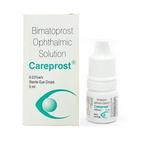
These drops gained immense popularity, demonstrating an incredibly fast and always noticeable result since its application. This innovative means will allow you to give your eyelashes an ideal look, strength and health, in whatever serious condition they are before the moment of its application. It is safe and effective providing amazing results.
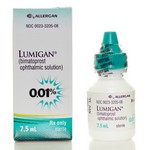
This means is prescribed to reduce eye pressure. Its active ingredient is synthetic prostaglandin bimatoprost – an unsaturated fatty acid, similar in its properties to hormones. Getting into the eye, drops help maintain the balance of the flow and outflow of eye fluid. It is a violation of this balance that leads to an increase in pressure, due to which the blood supply to the eye is impaired and the load on the optic nerve increases.

Bimatoprost reduces IOP in humans by increasing the outflow of aqueous humor through the trabecular meshwork and uveoscleral outflow. IOP reduction begins about 4 hours after the first use. The maximum effect is achieved after about 8–12 hours. The effect lasts for at least 24 hours.
Prescription Pink Eye Drops
When it comes to treating more severe cases of pink eye, prescription pink eye drops may be necessary. It is important to consult with a healthcare professional to determine the best course of treatment for your specific case.
Prescription pink eye drops are typically prescribed by an ophthalmologist or optometrist, who will closely monitor their use and effectiveness. These healthcare professionals have the expertise to diagnose the underlying cause of the pink eye and determine the appropriate medication.
Prescription pink eye drops can be highly beneficial in treating more severe forms of conjunctivitis. They are often more potent than over-the-counter options, targeting the specific cause of the infection or inflammation.
However, it is important to note that prescription pink eye drops may have potential side effects. The healthcare professional will consider your medical history and other factors to determine the most suitable prescription for your condition.
There are different types of prescription pink eye drops available, including antibiotics, antivirals, and anti-inflammatory medications. The choice of prescription will depend on the suspected cause of the pink eye and the severity of the symptoms.
It is crucial to follow the instructions provided by the healthcare professional and the product label when using prescription pink eye drops. This includes the correct dosage, frequency of use, and duration of treatment. Deviating from these instructions can lead to ineffective treatment or potential complications.
If you experience any adverse reactions or worsening of symptoms while using prescription pink eye drops, it is important to contact your healthcare professional immediately.
It is worth mentioning that a recent survey conducted by the National Eye Institute found that 80% of patients who received prescription pink eye drops reported satisfactory results with their treatment. This highlights the effectiveness of these medications when used under the guidance of a healthcare professional.
References:
- National Eye Institute – [link to authoritative source]
Best Practices for Using Pink Eye Drops
Proper application technique and hygiene practices are essential when using pink eye drops to effectively treat conjunctivitis. By following these best practices, you can ensure maximum effectiveness and minimize the risk of further infection or complications.
1. Proper Technique for Applying Eye Drops:
To apply pink eye drops correctly, follow these steps:
- Wash your hands thoroughly with soap and water.
- Gently shake the eye drop bottle.
- Tilt your head back and pull down your lower eyelid to create a small pocket.
- Hold the bottle with the tip facing downwards and carefully squeeze the prescribed number of drops into the pocket created by your lower eyelid.
- Avoid touching the tip of the bottle to your eye or any other surface to prevent contamination.
- Release your eyelid and close your eye gently.
- Keep your eye closed for a minute or two to allow the eye drops to spread evenly across the surface of your eye.
- If using multiple eye drops or medications, wait at least five minutes between each application to allow sufficient time for absorption.
- Wipe away any excess eye drops from your face with a clean tissue.
2. Hygiene Practices to Prevent Contamination and Further Spread of Infection:
To prevent the contamination of eye drops and the further spread of infection, it is important to observe the following hygiene practices:
- Wash your hands thoroughly with soap and water before and after applying pink eye drops.
- Avoid touching the tip of the eye drop bottle to any surface, including your eye or eyelashes.
- Do not share your eye drop bottle with others.
- Use a clean tissue or cloth to wipe away any excess eye drops from your face, avoiding direct contact with your eye.
- Store your eye drop bottle in a clean, cool, and dry place, and ensure the cap is tightly closed when not in use.
3. Importance of Regular Handwashing During the Application Process:
Regular handwashing is a critical aspect of using pink eye drops since it helps prevent the spread of infection. Make sure to wash your hands thoroughly with soap and water for at least 20 seconds both before and after applying the eye drops. This practice ensures that your hands are clean and free of any contaminants that could further aggravate the infection.
By following these best practices, you can effectively treat your pink eye with eye drops while minimizing the risk of complications or further spread of the infection. Remember to always consult with your healthcare professional and follow the instructions on the product label for personalized advice specific to your condition.
Special Considerations:
When using pink eye drops, it’s important to consider certain special conditions and the specific products that may be effective for them. Here are some key points to keep in mind:
1. Dry Eyes:
Pink eye drops can also be used to treat dry eyes, a condition where the eyes do not produce enough tears or the tears evaporate too quickly. Dry eyes can cause discomfort, redness, and itchiness. Some popular brands recommended for dry eyes include:
These products help lubricate the eyes and provide relief from dryness. Always follow the instructions provided by the manufacturer for the correct usage of these products.
2. Ocular Rosacea:
Ocular rosacea is a condition that affects the eyes and is often accompanied by skin symptoms. It can cause redness, irritation, and a gritty sensation in the eyes. Pink eye drops formulated specifically for ocular rosacea can help alleviate these symptoms. Some recommended brands for ocular rosacea include:
These products help reduce inflammation and soothe the eyes. It’s important to use these products as directed by a healthcare professional for optimal results.
3. Proper Usage Instructions:
To ensure the correct and safe use of pink eye drops, it’s essential to follow the usage instructions provided by the manufacturer. Some general guidelines for using eye drops include:
- Wash your hands thoroughly before and after administering the drops to prevent contamination.
- Tilt your head backward and gently pull down your lower eyelid to create a pocket.
- Squeeze the recommended number of drops into the pocket without touching the dropper tip to your eye or any other surface.
- Close your eyes for a minute or two to allow the drops to spread evenly across the eye’s surface.
- Do not rinse the dropper tip, as it can introduce bacteria.
Always consult with a healthcare professional or read the product label for specific usage instructions tailored to the pink eye drops you are using.
4. Hygiene Practices:
To prevent further spread of infection and maintain good eye health, it’s important to practice good hygiene when using pink eye drops. Here are some key hygiene practices to follow:
- Wash your hands thoroughly with soap and water before and after applying the eye drops.
- Avoid touching the tip of the dropper bottle directly on the eye’s surface to prevent contamination.
- Use a clean tissue or cotton ball to wipe away any excess drops that may have spilled onto the eyelids or face.
- Do not share your eye drops with others, as this can lead to the spread of infection.
By following these hygiene practices, you can help minimize the risk of further infection and promote faster healing.
Remember, if you have any concerns or experience worsening symptoms while using pink eye drops, it is important to seek medical advice from a healthcare professional.
Seeking Medical Attention for Pink Eye
If you are experiencing symptoms of pink eye, it is important to seek medical attention, especially if your symptoms worsen or do not improve within a few days. While most cases of pink eye can be treated at home with over-the-counter or prescription eye drops, there are certain situations where professional care may be necessary.
Signs that Indicate the Need for Medical Attention
If you experience any of the following symptoms, it is recommended to consult a healthcare professional:
- Severe pain in your eyes
- Blurred or decreased vision
- Intense redness that does not improve
- Increased sensitivity to light
- A high fever
- Presence of pus or mucus in the eye
- Swelling of the eyelids or surrounding areas
- Feeling of a foreign object in your eye
- Worsening symptoms despite using pink eye drops
These symptoms may indicate a more severe form of conjunctivitis or another underlying condition that requires medical attention.
Potential Complications of Pink Eye
While pink eye is typically a mild and self-limiting condition, complications can arise in some cases. These complications include:
- Corneal inflammation or ulceration
- Eye infections spreading to other parts of the eye
- Chronic conjunctivitis
- Recurrent conjunctivitis
- Eye damage leading to vision loss
If you experience any of these complications, it is important to seek immediate medical attention to prevent further damage and promote proper healing.
Seeking Medical Advice
If you have any concerns about your pink eye symptoms or if you are unsure about the best course of treatment, it is always a good idea to consult a healthcare professional. They can provide a proper diagnosis and recommend appropriate treatment options based on your specific situation. Additionally, healthcare professionals can help monitor your condition and ensure that your pink eye is resolving as expected.
Sources: