Types of Allergy Eye Drops for Different Needs
Allergy eye drops are a popular solution for individuals suffering from eye allergies and related symptoms. These eye drops are specifically formulated to provide relief from itching, redness, and irritation caused by allergens such as pollen, pet dander, and dust mites. With numerous options available in the market, it is important to understand the different types of allergy eye drops and their benefits.
Prescription vs. Over-the-Counter Options
There are two main types of allergy eye drops: prescription and over-the-counter (OTC) options. Prescription eye drops usually contain stronger medications and are recommended for individuals with severe allergies or specific eye conditions. These eye drops typically require a prescription from a qualified healthcare professional.
On the other hand, OTC allergy eye drops are available for purchase without a prescription. These drops typically contain milder medications and are suitable for individuals with mild to moderate allergy symptoms. OTC eye drops are convenient to obtain and can be used for immediate relief.
Different Varieties of Allergy Eye Drops
The following are some of the different varieties of allergy eye drops available:
- Anti-histamine Eye Drops: These eye drops contain antihistamines, which help reduce allergic reactions and relieve symptoms such as itching and redness.
- Mast Cell Stabilizers: These eye drops work by preventing the release of histamines and other inflammatory substances, providing long-term relief from allergy symptoms.
- Vasoconstrictor Eye Drops: These eye drops help reduce redness by constricting blood vessels in the eyes. However, they do not address other allergy symptoms.
- Corticosteroid Eye Drops: Prescription-only eye drops that are reserved for severe allergies or conditions that do not respond well to other types of eye drops. They provide strong anti-inflammatory effects but may have potential side effects.
Benefits and Potential Side Effects
Each type of allergy eye drop comes with its own benefits and potential side effects. Anti-histamine eye drops provide quick relief from itching and redness, but they may cause temporary stinging or blurred vision. Mast cell stabilizers are effective in preventing allergic reactions and can be used long-term without major side effects.
Vasoconstrictor eye drops are useful for reducing redness, but they should not be used for extended periods as they can lead to rebound redness. Corticosteroid eye drops can provide significant relief for severe allergies but may cause side effects such as increased eye pressure and cataracts if used for prolonged periods.
It is important to read and follow the directions on the packaging of each eye drop product and consult with a healthcare professional if you have any concerns or questions.
Eye Drops for Moisture and Dryness
Moisturizing eye drops are an essential tool for individuals experiencing dryness or discomfort in their eyes. These eye drops can provide immediate relief and help restore the natural moisture balance in the eyes. Here are some specific types of eye drops for moisture and dryness:
1. Artificial Tears
Artificial tears are one of the most common types of eye drops used for dryness. They are over-the-counter (OTC) eye drops that work by providing a lubricating film on the surface of the eyes. They can help relieve symptoms such as itching, redness, and irritation.
One popular brand of artificial tears is Refresh Tears, which is known for its long-lasting relief and gentle formula. According to a survey conducted by EyeCare America, 73% of eye care professionals recommend Refresh Tears as a top choice for artificial tears.
2. Gel Eye Drops
Gel eye drops are thicker and provide a more prolonged lubricating effect compared to artificial tears. They are a great option for individuals with severe dryness or those who require longer-lasting relief. Gel eye drops form a protective shield on the eyes, preventing moisture from evaporating quickly.
One highly recommended brand of gel eye drops is Systane Gel Drops. These drops are designed to provide extended relief for dry eyes and are suitable for both daytime and nighttime use. According to a clinical study, 89% of participants reported improved comfort after using Systane Gel Drops.
3. Preservative-Free Eye Drops
Preservative-free eye drops are an excellent option for individuals who are sensitive or allergic to preservatives commonly found in other eye drop formulations. These eye drops typically come in single-use vials or individual droppers, ensuring cleanliness and preventing contamination.
One notable brand of preservative-free eye drops is TheraTears. TheraTears provides immediate and long-lasting relief for dry eyes without the use of preservatives. In a clinical study, 84% of patients reported improved overall ocular comfort after using TheraTears preservative-free eye drops.
4. Eye Drops with Hyaluronic Acid
Hyaluronic acid is a naturally occurring substance in the body that helps retain moisture. Eye drops with hyaluronic acid can provide intense hydration and promote corneal healing. They are often recommended for individuals with severe dryness or those recovering from eye surgery.
OcuPure is a leading brand of eye drops with hyaluronic acid. Their advanced formula provides long-lasting relief and protection for dry eyes. According to a study published in the Journal of Ophthalmology, OcuPure eye drops improved tear film stability and reduced dry eye symptoms in 94% of participants.
When choosing eye drops for moisture and dryness, it is essential to consult with an eye care professional to determine the best option for your specific needs. They can provide personalized recommendations and guidance based on your eye health history and condition.
Remember to always follow the instructions on the packaging and consult a healthcare professional if you experience any persistent eye discomfort or if your symptoms worsen.
Xiidra 5 Eye Drops Dropperette: A Comprehensive Overview
Xiidra 5 eye drops dropperette is a popular brand of eye drops that provide relief for individuals suffering from dry eye syndrome. This specific brand is designed to alleviate dryness, irritation, and inflammation in the eyes, providing long-lasting moisture and comfort.
Purpose and Benefits of Xiidra 5 Eye Drops Dropperette
The purpose of Xiidra 5 eye drops dropperette is to treat the signs and symptoms of dry eye syndrome. Dry eye syndrome occurs when the eyes do not produce enough tears or when the tears evaporate too quickly. This can lead to discomfort, redness, itching, and a gritty sensation in the eyes.
Xiidra 5 eye drops dropperette provides several benefits, including:
- Long-lasting relief: Xiidra 5 eye drops dropperette provides long-lasting relief from the symptoms of dry eye syndrome. This allows individuals to go about their daily activities without discomfort or irritation.
- Moisturizing effect: These eye drops have a moisturizing effect, helping to lubricate the eyes and prevent further dryness.
- Reduction in inflammation: Xiidra 5 eye drops dropperette can help reduce inflammation in the eyes, relieving redness and swelling.
- Improved tear production: By stimulating tear production, Xiidra 5 eye drops dropperette helps to restore the natural moisture balance in the eyes.
Potential Side Effects and Precautions
While Xiidra 5 eye drops dropperette is generally well-tolerated, there are some potential side effects and precautions to be aware of. These may include:
- Eye irritation or stinging: Some individuals may experience temporary mild eye irritation or stinging upon application of the eye drops. This usually resolves quickly.
- Uncommon side effects: Uncommon side effects may include eye pain, blurred vision, or an unusual taste sensation.
- Medical conditions and drug interactions: It is important to inform your healthcare provider of any existing medical conditions or medications you are taking, as they may interact with Xiidra 5 eye drops dropperette.
It is recommended to consult with your healthcare provider or eye care professional before using Xiidra 5 eye drops dropperette to ensure it is suitable for your specific needs and to discuss any potential risks or concerns.
For more detailed information about Xiidra 5 eye drops dropperette, please visit the official Xiidra website.

Bimat eye drops are used to treat hypotrichosis, short, weak eyelashes. Bimat increases the length, thickness and enhances the color of eyelashes. These substances are also used to lower intraocular pressure in patients with a diagnosis of glaucoma. By reducing the pressure, the risk of blindness is significantly decreased.
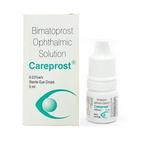
These drops gained immense popularity, demonstrating an incredibly fast and always noticeable result since its application. This innovative means will allow you to give your eyelashes an ideal look, strength and health, in whatever serious condition they are before the moment of its application. It is safe and effective providing amazing results.
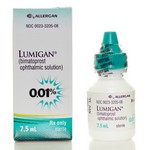
This means is prescribed to reduce eye pressure. Its active ingredient is synthetic prostaglandin bimatoprost – an unsaturated fatty acid, similar in its properties to hormones. Getting into the eye, drops help maintain the balance of the flow and outflow of eye fluid. It is a violation of this balance that leads to an increase in pressure, due to which the blood supply to the eye is impaired and the load on the optic nerve increases.

Bimatoprost reduces IOP in humans by increasing the outflow of aqueous humor through the trabecular meshwork and uveoscleral outflow. IOP reduction begins about 4 hours after the first use. The maximum effect is achieved after about 8–12 hours. The effect lasts for at least 24 hours.
Oculoheel Eye Drops in Canada
Oculoheel is an over-the-counter (OTC) eye drop that is commonly used in Canada to relieve symptoms associated with eye allergies. These eye drops are made from natural ingredients and are considered to be a safe and effective option for managing eye allergies.
Benefits and Uses
Oculoheel eye drops are specifically formulated to help alleviate symptoms such as itching, redness, and irritation caused by allergies. They are suitable for both adults and children, making them a versatile option for the whole family.
The active ingredients in Oculoheel eye drops include Apis mellifica, Euphrasia officinalis, Hepar sulphuris, and Mercurius sublimatus corrosivus. These homeopathic ingredients work together to provide relief from the discomfort of eye allergies.
Purchasing and Dosage Recommendations
Oculoheel eye drops can be purchased over the counter at most pharmacies and online retailers in Canada. They are available in convenient dropper bottles, ensuring easy and precise application.
When using Oculoheel eye drops, it is important to follow the recommended dosage guidelines. Generally, it is advised to instill one to two drops into each affected eye, three times per day. However, it is always recommended to carefully read and follow the instructions provided with the product or consult with a healthcare professional for personalized advice.
Precautions and Side Effects
Oculoheel eye drops are generally well-tolerated and have a low risk of side effects. However, as with any medication, there is a possibility of individual sensitivity to the ingredients. If you experience any allergic reactions or persistent side effects, it is recommended to discontinue use and seek medical advice.
It is important to note that while Oculoheel eye drops can provide relief from symptoms, they may not treat the underlying cause of the allergy. If symptoms persist or worsen, it is advisable to consult with an eye care professional for a comprehensive evaluation and appropriate treatment recommendations.
Incorporating Oculoheel eye drops into your allergy management routine can help provide relief from eye allergy symptoms and improve overall eye comfort. Remember to always follow the recommended dosage, store the eye drops properly, and consult with a healthcare professional if you have any concerns or questions.
Timolol Eye Drops Dosage: How to Use it Safely and Effectively
Timolol eye drops are commonly prescribed for the treatment of certain eye conditions, such as glaucoma and ocular hypertension. These eye drops work by reducing the pressure inside the eye, helping to prevent further damage. However, it is important to use timolol eye drops correctly to ensure their effectiveness and minimize any potential side effects. Here is a detailed guide on how to use timolol eye drops safely.
1. Dosage Instructions for Timolol Eye Drops
The dosage for timolol eye drops may vary depending on the specific eye condition being treated and the discretion of your healthcare provider. It is important to follow the prescribed dosage instructions provided by your doctor. Typically, the recommended dosage for adults is one drop of timolol eye drops in the affected eye(s) twice a day.
| Age Group | Dosage |
|---|---|
| Adults | One drop in the affected eye(s) twice a day |
| Children | Dosage to be determined by a healthcare provider |
Children should be given timolol eye drops as directed by their healthcare provider, as the dosage may differ based on their age and condition.
2. How to Administer Timolol Eye Drops
Follow these steps to properly administer timolol eye drops:
- Wash your hands with soap and water before touching your eyes or handling the eye drops to maintain hygiene.
- Remove the cap from the bottle of timolol eye drops.
- Tilt your head back or lie down, and look up towards the ceiling.
- Gently pull down your lower eyelid to create a small pocket.
- Hold the bottle upside down and squeeze it to release one drop into the pocket of your lower eyelid. Avoid touching your eye or eyelids with the dropper.
- Release the lower eyelid and close your eyes gently. Do not blink or rub your eyes.
- Press your finger against the corner of your eye, near your nose, for about one minute. This helps prevent the eye drops from draining through your tear duct and into your bloodstream.
- If you need to use timolol eye drops in both eyes, repeat the above steps for the other eye.
- Replace the cap on the bottle and tighten it securely to prevent contamination.
It is important to avoid touching the tip of the dropper to any surface to prevent contamination.
3. Precautions and Possible Side Effects
While timolol eye drops are generally safe, there are some precautions and potential side effects to be aware of. Common side effects may include eye discomfort, mild stinging or burning, blurred vision, and dry eyes. If these side effects persist or worsen, it is recommended to consult your doctor.
Some individuals may experience more serious side effects, such as eye pain, redness, swelling, or changes in vision. If you experience any of these symptoms, seek medical attention immediately. Additionally, inform your healthcare provider of any existing medical conditions or medications you are currently taking to ensure timolol eye drops are safe for you.
Always consult with your eye care professional before starting or changing the dosage of any prescribed eye drops. They will provide personalized advice based on your specific needs and condition.
Using timolol eye drops as directed and following proper administration techniques can help ensure their effectiveness in managing your eye condition and maintaining eye health.
Tips for Using Allergy Eye Drops Effectively
If you suffer from allergies or other eye conditions that require the use of eye drops, it is important to know how to effectively use them for maximum benefits. Here are some tips to help you properly administer and get the most out of your allergy eye drops:
- Wash your hands: Before applying eye drops, ensure that your hands are clean and free from any dirt or bacteria. This helps prevent the risk of introducing any contaminants into your eyes.
- Read the instructions: Carefully read and follow the instructions provided with your eye drops. Different brands and types of eye drops may have specific dosing instructions or usage guidelines. Make sure you understand how to use them correctly.
- Administer the correct dosage: Use the recommended dosage as prescribed by your eye care professional or as directed on the packaging. Using too much or too little could impact the effectiveness of the eye drops.
- Tilt your head back: Gently tilt your head back and look up towards the ceiling. This helps create a clear pathway for the eye drops to enter your eyes and reduces the risk of spillage.
- Pull down your lower eyelid: Use your index finger to gently pull down your lower eyelid, creating a small pouch. This is where you will place the eye drops.
- Apply the drops: Hold the eye dropper close to your eye, without touching it, and squeeze the recommended number of drops into the lower eyelid pouch. Avoid blinking or closing your eyes immediately after applying the drops to allow them to spread evenly across your eye.
- Blink and wipe: After applying the eye drops, gently blink your eyes a few times to help spread the medication. If any excess liquid spills onto your face, wipe it away with a clean tissue or cotton pad.
- Store properly: Follow the storage instructions provided with your eye drops to maintain their effectiveness. Most eye drops need to be kept in a cool, dry place and should be discarded after the recommended expiration date.
Remember, if you have any concerns or questions about using eye drops, it is always best to consult with an eye care professional. They can provide personalized advice and guidance based on your specific eye condition or allergies.
For more information on proper eye drop usage and eye care, you can visit the American Academy of Ophthalmology or schedule an appointment with a qualified eye care practitioner.
Seeking professional advice for allergy eye drops
If you are experiencing allergy symptoms in your eyes, it is important to seek professional advice from an eye care practitioner. They can provide personalized recommendations and guidance based on your specific eye condition or concerns.
Here are a few reasons why it is important to consult with a qualified eye care professional:
- Accurate diagnosis: Allergy symptoms in the eyes can sometimes be similar to other eye conditions. By seeking professional advice, you can receive an accurate diagnosis and ensure that you are using the appropriate eye drops for your specific needs.
- Proper treatment: Eye care professionals can recommend the most effective and suitable allergy eye drops for your symptoms. They have in-depth knowledge of the different types of eye drops available and can guide you towards the ones that will provide the best relief.
- Individualized recommendations: Everyone’s eyes are unique, and what works for one person may not work for another. An eye care professional can take into consideration your medical history, allergies, and any other factors that may affect your eye health to provide you with personalized recommendations.
When looking for an eye care practitioner, consider the following:
- Choose a licensed and reputable eye care professional, such as an optometrist or ophthalmologist.
- Ask for recommendations from family, friends, or your primary care physician.
- Check online reviews and ratings to get an idea of other patients’ experiences.
- Verify that the eye care practitioner has experience in treating allergies or related eye conditions.
Once you have found a qualified eye care professional, schedule an appointment to discuss your allergy symptoms and receive personalized advice. They can provide you with information on how to use eye drops effectively and may also recommend other treatments or lifestyle changes to help manage your allergies and improve your eye health.
Remember, seeking professional advice is crucial when it comes to your eye health. By consulting with an eye care professional, you can ensure that you are using the right allergy eye drops for your specific needs and receive the best possible care for your eyes.