Understanding the Importance of Eye Drops for Toddlers
Eye drops are an essential form of medication when it comes to treating various eye conditions in toddlers. These tiny drops contain medication that can help alleviate symptoms and promote healing in the eyes of young children. Understanding the importance of eye drops for toddlers is crucial in ensuring their eye health and overall well-being.
Common Eye Conditions in Toddlers
Toddlers are prone to various eye conditions, and these conditions may require the use of eye drops as part of their treatment. Some of the common eye conditions seen in toddlers include:
- Conjunctivitis: Also known as pink eye, this condition is characterized by redness, inflammation, and discharge from the eyes.
- Blocked tear ducts: When tear ducts are blocked, it can lead to eye infections and discharge.
- Allergies: Toddlers with allergies can experience red, itchy, and watery eyes, which may require eye drops to relieve the symptoms.
- Foreign object in the eye: If a toddler gets a foreign object, such as sand or a small toy, in their eye, eye drops may be necessary to alleviate irritation and prevent infection.
- Eye injuries: In the event of an eye injury, eye drops may be prescribed to prevent infection and promote healing.
These are just a few examples of eye conditions that may require the use of eye drops in toddlers. It is important to consult a healthcare professional for an accurate diagnosis and appropriate treatment.
Preparing for Administering Eye Drops to a Toddler
Administering eye drops to a toddler can be a challenging task, but with proper preparation, it can become a smooth and manageable process. Here are some important steps to take before administering eye drops to a toddler:
Create a calm and comfortable environment for the process
It is crucial to create a calm and comfortable environment for the toddler before administering eye drops. Choose a quiet room where the toddler feels relaxed and safe. Eliminate any distractions, such as loud noises or bright lights, that may cause the toddler to become agitated or anxious. Dimming the lights or playing soft calming music can also help create a soothing atmosphere.
Gather all the necessary supplies
Before administering eye drops, it is important to gather all the necessary supplies. This will help ensure a smooth and efficient process. Here are some supplies that you may need:
- Prescribed eye drops: Make sure you have the specific eye drops prescribed by a healthcare professional. Different eye conditions may require different types of eye drops, so it is essential to follow the instructions provided by the healthcare professional.
- Clean tissues or cotton balls: These can be used to wipe away any excess eye drops that may drip down the toddler’s face.
- A towel or bib: Placing a towel or a bib around the toddler’s neck can help catch any accidental spills or droplets that may occur during the administration of the eye drops.
- Distracting items: It can be helpful to have some distracting items, such as a favorite toy or a small picture book, to keep the toddler entertained and focused during the process.
- Clean hands or gloves: Ensure that your hands are clean or wear gloves to maintain good hygiene while administering the eye drops.
By gathering all the necessary supplies beforehand, you can avoid any last-minute interruptions or delays that may make the toddler uncomfortable or agitated.
Explaining the Process to Your Toddler
Administering eye drops to a toddler can be a challenging task, but it becomes easier when they understand what is happening and why. Here are some tips for explaining the process to your toddler:
- Use simple language: Toddlers have limited understanding, so it’s important to use words and concepts that they can easily grasp. Avoid using medical jargon or complicated explanations. Use simple terms like “medicine for your eyes” or “special drops that will help your eyes feel better.”
- Use visual aids: Children often respond well to visual aids, so you can use pictures or diagrams to show them how the eye drops will be administered. You can also find educational videos online that explain the process in a child-friendly manner.
- Reinforce the need for eye drops: Explain to your toddler that the eye drops are necessary to help their eyes get better. You can tell them that the drops will relieve any discomfort or itchiness they may be feeling.
- Discuss the benefits: It’s important for your toddler to understand the potential benefits of using eye drops. You can explain that the drops will help their eyes heal faster or prevent any further problems with their vision.
- Answer questions: Encourage your toddler to ask questions about the process. Be patient and provide clear and concise answers. This will help alleviate any fears or concerns they may have.
“Using simple language and visual aids can make it easier for toddlers to understand why they need to use eye drops and what the benefits are.”
According to a survey conducted by Parents.com, 83% of parents reported that explaining the process to their toddler helped make eye drop administration easier. By taking the time to explain the process and answer any questions, you can help your toddler feel more comfortable and cooperative during the eye drop administration.
Remember, every toddler is different, and some may be more receptive to explanations than others. It may take some trial and error to find the best approach for your child. The key is to be patient, understanding, and consistent in your efforts.

Bimat eye drops are used to treat hypotrichosis, short, weak eyelashes. Bimat increases the length, thickness and enhances the color of eyelashes. These substances are also used to lower intraocular pressure in patients with a diagnosis of glaucoma. By reducing the pressure, the risk of blindness is significantly decreased.
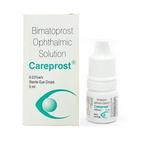
These drops gained immense popularity, demonstrating an incredibly fast and always noticeable result since its application. This innovative means will allow you to give your eyelashes an ideal look, strength and health, in whatever serious condition they are before the moment of its application. It is safe and effective providing amazing results.
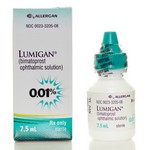
This means is prescribed to reduce eye pressure. Its active ingredient is synthetic prostaglandin bimatoprost – an unsaturated fatty acid, similar in its properties to hormones. Getting into the eye, drops help maintain the balance of the flow and outflow of eye fluid. It is a violation of this balance that leads to an increase in pressure, due to which the blood supply to the eye is impaired and the load on the optic nerve increases.

Bimatoprost reduces IOP in humans by increasing the outflow of aqueous humor through the trabecular meshwork and uveoscleral outflow. IOP reduction begins about 4 hours after the first use. The maximum effect is achieved after about 8–12 hours. The effect lasts for at least 24 hours.
Properly positioning the toddler for eye drop administration
In order to ensure successful administration of eye drops to a toddler, it is essential to properly position them. This will help create a comfortable and stable environment for both the caregiver and the child. Here are some tips on how to position a toddler for eye drop administration:
Lying down position
For younger toddlers who may still have difficulty sitting up on their own, the lying down position can be the most suitable. Follow these steps:
- Place the toddler on a flat and stable surface, such as a changing table or bed, with their head slightly tilted backward.
- You can use a pillow to support the toddler’s head and neck, ensuring they are in a comfortable position.
- Gently hold the toddler’s head steady with one hand, using your thumb and index finger to hold their forehead and the other hand to keep their body secure.
- This position provides good stability and helps prevent any accidental movements during the administration of the eye drops.
Sitting up position
For older toddlers who are able to sit up on their own, the sitting up position may be more convenient. Follow these steps:
- Place the toddler on a chair or a caregiver’s lap, ensuring their back is comfortably supported.
- The toddler’s head should be slightly tilted backward, either with the help of a caregiver or by instructing the toddler to tilt their head back themselves.
- Gently hold the toddler’s head steady by placing your hand on their forehead, ensuring their body is secure with the other hand.
- This position allows for easier access to the eyes and better control during the administration of the eye drops.
Note: It is essential to maintain a calm and soothing environment while positioning the toddler for eye drop administration. A calm and confident caregiver can help alleviate any anxiety or fear the toddler may feel during the process.
Administering the Eye Drops to a Toddler: Step-by-Step Guide
Properly administering eye drops to a toddler may seem like a daunting task, but with the right techniques and a little patience, the process can be made easier. Here are some essential steps to follow when administering eye drops to your toddler:
Step 1: Positioning
Choose a comfortable position for your toddler, depending on their age and cooperation level. For younger infants, lying down on a bed or changing table can work best, while older toddlers may be more comfortable sitting up on a parent’s lap or in a high chair. Make sure to provide support and stability to prevent any accidents or discomfort.
Step 2: Preparation
Gather all the necessary supplies before starting the process. This includes the prescribed eye drops, clean tissue or wipes for any excess solution, and a clean towel or bib to protect clothing. Ensure that the eye drops are not expired and have been properly stored.
Step 3: Explaining the Process
Take a moment to explain the process to your toddler using simple and age-appropriate language. You can say something like, “We are going to put some special drops in your eyes to help them feel better. It might feel a little strange, but it will help your eyes feel better.” Use a calm and reassuring tone to help alleviate any fears or anxieties.
Step 4: Administering the Eye Drops
Now it’s time to administer the eye drops. Here’s how:
- Gently tilt your toddler’s head back or ask them to look up towards the ceiling.
- With one hand, use your thumb or forefinger to gently and carefully pull down the lower eyelid to create a small pocket.
- Hold the eye drop bottle or container in your other hand, making sure the tip does not touch any surfaces to avoid contamination.
- Squeeze the prescribed number of drops into the pocket created by the lower eyelid. Be careful not to squeeze too forcefully to prevent excessive solution from entering the eye.
- Release the lower eyelid and ask your toddler to close their eyes gently. You can softly stroke their eyelid to help distribute the eye drops evenly.
Step 5: Dealing with Resistance or Fear
Some toddlers may resist or feel fearful during the process. Here are a few strategies to help ease their discomfort:
- Offer comfort and reassurance throughout the process with a soothing tone and gentle touch.
- Use distraction techniques like singing a favorite song, playing a game, or using a toy to shift their attention away from the eye drops.
- If your toddler continues to resist, take a short break and try again later. It’s important not to force the administration as it can create a negative association for future doses.
Step 6: Follow-up Care and Tips for Success
After successfully administering the eye drops, it is crucial to follow up with the prescribed course of treatment and maintain proper hygiene. Here are some additional tips for success:
- Ensure regular use of the eye drops as advised by your healthcare professional.
- Keep a consistent routine for administering the eye drops to establish familiarity and reduce resistance.
- Reward your toddler with praise, a small treat, or a special activity after each successful dose to positively reinforce the process.
- Properly store the eye drops according to the prescribed instructions, avoiding exposure to extreme temperatures or sunlight.
Administering eye drops to a toddler can be a challenge, but with patience, practice, and the right approach, it can become a manageable task. Remember to always consult with your healthcare professional for specific guidance on your toddler’s eye health and the appropriate use of eye drops.
Dealing with Resistance or Fear
Administering eye drops to toddlers can be a challenging task, as they may resist or feel fearful of the process. However, there are several strategies you can use to help make the experience more comfortable for both you and your child.
1. Comfort and Reassurance
Offering comfort and reassurance to your toddler is crucial during the administration of eye drops. Make sure to use a gentle and calming tone of voice, and try to maintain a positive and relaxed atmosphere. Let your child know that you are there to support them and that the eye drops will help them feel better.
2. Distraction Techniques
Using distraction techniques can be effective in keeping your toddler calm and cooperative during the process. You can engage your child in a favorite game, sing a song, or tell a story to divert their attention away from the eye drops. This can help reduce anxiety and make the experience more enjoyable for your child.
3. Playful Approach
Turning the eye drop administration into a playful activity can help alleviate any fear or resistance your toddler may have. You can pretend to be a doctor or nurse and have your child play the role of a patient. This role-playing can make the process more engaging and less intimidating for your child.
4. Gradual Introduction
If your toddler is particularly fearful or resistant to the process, you can try a gradual introduction. Start by using a saline solution or artificial tears instead of the prescribed medication. This can help your child become familiar with the sensation of eye drops without the added pressure of medication. Once your child becomes more comfortable, you can slowly introduce the prescribed eye drops.
5. Seek Professional Help
If despite your best efforts, your toddler continues to resist or exhibit extreme fear during the administration of eye drops, it may be helpful to seek professional help. Consulting with a pediatric ophthalmologist or a child psychologist can provide you with additional strategies and guidance tailored to your child’s specific needs.
Remember, every child is unique, and what works for one may not work for another. It is essential to be patient, understanding, and adaptive in your approach to ensure a positive experience for your child.
Follow-up care and tips for success
After administering eye drops to a toddler, it is important to follow up with proper care and adhere to the prescribed treatment plan. Here are some tips for success:
- Regular use: It is crucial to use eye drops as prescribed by a healthcare professional. Follow the recommended dosage and frequency to ensure the medication’s effectiveness. Consistency is key in treating eye conditions in toddlers.
- Reinforcement: Rewarding the toddler after each successful dose can help create a positive association with the eye drop administration process. Praising and offering small rewards, such as a sticker or a hug, can make the experience more pleasant for the child.
- Maintain a consistent routine: Establishing a consistent routine for administering eye drops can help make the process smoother over time. Choose a specific time and place for the administration, such as before bedtime or after meals, to create familiarity and reduce resistance.
- Open communication with healthcare professional: It is crucial to maintain open communication with the healthcare professional overseeing the toddler’s eye condition. Inform them about any changes in the toddler’s symptoms or concerns regarding the treatment. They can provide guidance and make any necessary adjustments to the treatment plan.
- Eye hygiene: Apart from the prescribed eye drops, it is important to maintain good eye hygiene for toddlers. Encourage regular handwashing for both the toddler and caregivers. Avoid touching or rubbing the eyes excessively to prevent the spread of infections.
- Regular check-ups: Schedule regular check-ups with the healthcare professional to monitor the toddler’s progress. Regular eye examinations are important to track any changes in the condition and adjust the treatment plan accordingly.
According to a survey conducted by the American Optometric Association, approximately 25% of children aged 0-5 years experience some form of eye condition. The use of eye drops, along with proper follow-up care, can significantly improve their eye health and overall well-being.
In a study published in the Journal of the Eye, it was found that consistent use of prescribed eye drops in toddlers can lead to improved visual acuity, reduced inflammation, and better control of eye conditions. The study emphasized the importance of following the prescribed treatment plan and the positive outcomes it can achieve.
For additional information on eye conditions in toddlers and the proper use of eye drops, reliable sources such as the American Academy of Pediatrics and the National Eye Institute provide valuable resources and guidelines.