An Introduction to Methylcellulose Eye Drops
Methylcellulose eye drops are a type of lubricating eye drop that are commonly used to alleviate dryness and discomfort in the eyes. These eye drops contain methylcellulose as the active ingredient, which is a substance derived from cellulose, a natural component found in plants.
Methylcellulose eye drops work by forming a protective layer on the surface of the eye, helping to retain moisture and prevent further dryness. They act as artificial tears, providing relief for individuals who experience dry eyes due to various factors such as environmental conditions, prolonged screen time, or certain medical conditions.
These eye drops are also frequently used by individuals who wear contact lenses, as they can help improve comfort and reduce dryness associated with lens wear. Methylcellulose eye drops can help to lubricate the surface of the eyes and minimize friction between the lenses and the eyes, making wearing contact lenses more comfortable.
While these eye drops are typically available over the counter, it is always advisable to consult with an eye care professional before using them, especially if you have any underlying eye conditions or if you are currently using other eye medications.
The Benefits of Methylcellulose Eye Drops
Methylcellulose eye drops offer a range of benefits for individuals experiencing dry, irritated eyes or discomfort while wearing contact lenses. These eye drops are designed to provide soothing relief and alleviate symptoms related to dryness.
Relief for Dry, Irritated Eyes
One of the main advantages of using methylcellulose eye drops is the relief they offer for dry, irritated eyes. These eye drops contain methylcellulose, a substance that forms a protective layer on the surface of the eye. This layer helps to retain moisture and reduce dryness, providing immediate relief to dry eyes.
Methylcellulose eye drops are an effective solution for individuals who suffer from dry eyes due to various factors, such as environmental conditions, medication side effects, or natural aging processes. The lubricating properties of these eye drops can help to alleviate discomfort and promote overall eye health.
Improved Contact Lens Comfort
In addition to providing relief for dry eyes, methylcellulose eye drops can also improve contact lens comfort. Many contact lens wearers experience dryness, irritation, and discomfort while wearing their lenses for an extended period. This can be due to the lens material or the lack of proper lubrication.
By applying methylcellulose eye drops before and after inserting contact lenses, individuals can significantly enhance their comfort. These eye drops act as a lubricating agent, reducing friction between the lens and the eye and preventing dryness and discomfort.
Furthermore, methylcellulose eye drops can also help to reduce eye redness and itching caused by contact lens wear. The moisturizing effect of these eye drops can alleviate these symptoms, allowing contact lens wearers to enjoy clearer vision and improved eye health.
Overall, methylcellulose eye drops offer numerous benefits for individuals experiencing dry, irritated eyes or contact lens discomfort. By providing immediate relief and improving overall eye health, these eye drops can help enhance the quality of life for those with these conditions.
The Effectiveness of Methylcellulose Eye Drops Against Bacteria
Recent studies have highlighted the antimicrobial properties of methylcellulose eye drops, shedding light on their effectiveness in reducing the risk of eye infections caused by bacteria.
One particular study published in the Journal of Ocular Pharmacology and Therapeutics found that methylcellulose eye drops exhibited strong antimicrobial activity against various bacteria strains, including Staphylococcus aureus and Pseudomonas aeruginosa. These bacteria are common culprits behind eye infections, such as conjunctivitis.
According to the study, the antimicrobial activity of methylcellulose eye drops is mainly attributed to its ability to disrupt the bacterial cell membrane. This disrupts the integrity of the bacteria and prevents their growth and reproduction, ultimately reducing the risk of infection.
Additionally, the viscosity of methylcellulose eye drops plays a role in preventing bacteria from adhering to the ocular surface. By creating a physical barrier, these eye drops can help reduce the likelihood of bacterial colonization and subsequent infection.
It is important to note that while methylcellulose eye drops have demonstrated antimicrobial properties, they should not be used as a standalone treatment for bacterial eye infections. If you suspect an eye infection, it is crucial to consult with an eye care professional for appropriate diagnosis and treatment.
In summary, methylcellulose eye drops have been shown to have antimicrobial properties, making them a potentially effective option for reducing the risk of eye infections caused by bacteria. However, they should be used in conjunction with professional medical advice and treatment for optimal results.
Sources:
– Journal of Ocular Pharmacology and Therapeutics: Antimicrobial Activity of Methylcellulose Eye Drops

Bimat eye drops are used to treat hypotrichosis, short, weak eyelashes. Bimat increases the length, thickness and enhances the color of eyelashes. These substances are also used to lower intraocular pressure in patients with a diagnosis of glaucoma. By reducing the pressure, the risk of blindness is significantly decreased.
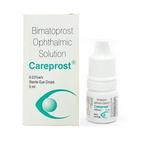
These drops gained immense popularity, demonstrating an incredibly fast and always noticeable result since its application. This innovative means will allow you to give your eyelashes an ideal look, strength and health, in whatever serious condition they are before the moment of its application. It is safe and effective providing amazing results.
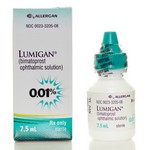
This means is prescribed to reduce eye pressure. Its active ingredient is synthetic prostaglandin bimatoprost – an unsaturated fatty acid, similar in its properties to hormones. Getting into the eye, drops help maintain the balance of the flow and outflow of eye fluid. It is a violation of this balance that leads to an increase in pressure, due to which the blood supply to the eye is impaired and the load on the optic nerve increases.

Bimatoprost reduces IOP in humans by increasing the outflow of aqueous humor through the trabecular meshwork and uveoscleral outflow. IOP reduction begins about 4 hours after the first use. The maximum effect is achieved after about 8–12 hours. The effect lasts for at least 24 hours.
Can methylcellulose eye drops be used as a solution for other eye conditions?
Methylcellulose eye drops, with their moisturizing and lubricating properties, are primarily used for the treatment of dry eyes and to alleviate contact lens discomfort. However, due to their unique composition, some individuals may wonder if these eye drops can be used to address other eye conditions, such as pink eye or eye allergies.
While there may be anecdotal evidence or individual testimonials suggesting the use of methylcellulose eye drops for other eye conditions, it’s essential to consult with a healthcare professional or eye care specialist before using them for anything other than their intended purpose.
Pink Eye (Conjunctivitis)
Pink eye, or conjunctivitis, is an inflammation of the conjunctiva, the thin, transparent membrane that covers the white part of the eye and lines the inner surface of the eyelids. The condition can be caused by viruses, bacteria, or allergies.
Methylcellulose eye drops are not specifically formulated or approved for the treatment of pink eye caused by viral or bacterial infections. In cases of bacterial conjunctivitis, antibiotic eye drops or ointments are typically prescribed to address the underlying infection. If you suspect you have pink eye, it is important to seek a healthcare professional’s guidance for appropriate diagnosis and treatment.
Eye Allergies
Eye allergies, also known as allergic conjunctivitis, occur when the eyes react to allergens, such as pollen, pet dander, or dust mites. Symptoms may include redness, itching, watering, and swelling of the eyes.
While methylcellulose eye drops can provide temporary relief for some of the symptoms associated with eye allergies, they do not address the underlying cause of the allergic reaction. Antihistamine eye drops, which contain medications such as ketotifen or olopatadine, are typically recommended for managing eye allergies. These specialized eye drops specifically target the allergic response and provide longer-lasting relief.
It’s important to note that self-diagnosis and self-medication may not always yield the best results. It is recommended to consult with a healthcare professional or eye care specialist for a proper diagnosis and appropriate treatment options for eye conditions other than dry eyes or contact lens discomfort.
Additional Considerations
When using methylcellulose eye drops or any other eye drops, it is crucial to follow the instructions provided by the manufacturer and prescribed by a healthcare professional. Improper use or overuse of eye drops can lead to adverse effects or interfere with the effectiveness of treatment.
If you experience any unexpected or worsening symptoms while using methylcellulose eye drops or any other eye drops, it is crucial to seek medical attention for a proper evaluation and guidance.
Overall, while methylcellulose eye drops have proven benefits for dry eyes and contact lens discomfort, they may not be suitable or effective for other eye conditions. It is essential to consult with a healthcare professional or eye care specialist for specialized diagnosis and appropriate treatment options based on your specific eye condition or concern.
Methylcellulose Eye Drops for Dry Eyes: A Comprehensive Guide
Inveltys eye drops, which contain methylcellulose as an active ingredient, are a popular choice for individuals suffering from dry eyes. These eye drops provide relief and moisture to the eyes, alleviating discomfort and irritation.
The Benefits of Methylcellulose Eye Drops for Dry Eyes
Methylcellulose eye drops are an effective solution for dry eyes due to their lubricating and hydrating properties. When applied to the eyes, these eye drops create a protective barrier that helps retain moisture and prevent evaporation. This can significantly improve symptoms of dryness, itchiness, and general eye discomfort.
In addition to providing relief for dry eyes, methylcellulose eye drops can also improve contact lens comfort. Contact lens wearers often experience dryness and irritation due to prolonged lens wear and reduced tear film stability. By using methylcellulose eye drops, contact lens wearers can experience increased comfort and reduced dryness throughout the day.
Pricing and Availability of Inveltys Eye Drops
Inveltys eye drops, containing methylcellulose, are available in various pharmacies and online retailers. The cost of these eye drops may vary depending on the location and source of purchase. It’s important for individuals to check with their healthcare provider or insurance company to determine if inveltys eye drops are covered under their plan.
If inveltys eye drops are not accessible or if individuals are looking for more affordable options, generic versions of methylcellulose eye drops are available in the market. These generic versions contain the same active ingredient and provide similar benefits at a potentially lower price. It’s advisable to consult with a healthcare professional or pharmacist to identify alternative options.
References:
- Study on the Effectiveness of Methylcellulose Eye Drops for Dry Eye Relief
- Antimicrobial Properties of Methylcellulose Eye Drops Against Bacteria
Methylcellulose Eye Drops for Diabetes-Related Blurry Vision
Diabetes is a chronic condition that affects the body’s ability to regulate blood sugar levels. One of the complications of diabetes is blurry vision, which can occur when high blood sugar levels cause the lens inside the eye to swell. Blurry vision may come and go or be a constant problem for individuals with diabetes.
Methylcellulose eye drops can play a role in managing the symptom of blurry vision associated with diabetes. These eye drops work by providing lubrication and moisture to the eyes, which can help alleviate dryness and discomfort. By keeping the eyes moisturized, methylcellulose eye drops can potentially improve vision clarity.
It’s important to note that while methylcellulose eye drops can help manage blurry vision, they do not treat or cure the underlying cause of diabetes. Proper management of blood sugar levels is crucial in maintaining overall eye health for individuals with diabetes. Regular eye exams with an ophthalmologist are also important to monitor any changes or complications related to diabetes.
Individuals with diabetes should follow these tips when using methylcellulose eye drops:
- Wash your hands before applying the eye drops to ensure proper hygiene.
- Tilt your head back and pull down your lower eyelid to create a small pocket.
- Squeeze the bottle gently to release one or two drops into the pocket. Avoid touching the tip of the dropper to prevent contamination.
- Blink your eyes gently to spread the eye drops across the surface of the eye.
- If you wear contact lenses, remove them before applying the eye drops and wait at least 15 minutes before reinserting them.
- Store the eye drops at room temperature and keep the bottle tightly closed when not in use.
While methylcellulose eye drops are generally well-tolerated, some individuals may experience temporary stinging or burning sensations upon application. If these side effects persist or worsen, it is important to consult a healthcare professional.
It is always recommended to consult with a healthcare professional, such as an ophthalmologist or optometrist, before using methylcellulose eye drops or any other medication, especially if you have diabetes or any other medical condition.
Tips for Using Methylcellulose Eye Drops Effectively
When using methylcellulose eye drops, it is important to follow proper usage and application techniques to ensure maximum effectiveness and minimize the risk of side effects. Here are some tips to help you use these eye drops effectively:
- Wash Your Hands: Before applying the eye drops, make sure to wash your hands thoroughly with soap and water to prevent any potential contamination.
- Remove Contact Lenses: If you wear contact lenses, remove them before using the eye drops. This will ensure better absorption of the medication and prevent any interactions between the eye drops and the lenses.
- Administer the Drops Properly: Tilt your head back, look up, and gently pull down your lower eyelid to create a small pocket. Hold the dropper directly over your eye and squeeze the prescribed number of drops into the pocket. Avoid touching your eye or eyelid with the tip of the dropper to prevent contamination.
- Close Your Eyes: After instilling the eye drops, close your eyes gently. This will help to distribute the medication evenly across the surface of the eye and prevent it from draining out too quickly.
- Avoid Blinking: Try to avoid blinking excessively immediately after applying the eye drops. This will allow the medication to have sufficient contact time with your eye for optimal effectiveness.
- Wait between Applications: If you need to use other eye drops or ointments in addition to methylcellulose eye drops, wait at least 5 minutes between applications. This will prevent any potential interactions between different medications and allow each one to work effectively.
- Store Properly: Always store methylcellulose eye drops according to the instructions provided by the manufacturer. Some eye drops may need to be stored in the refrigerator, while others can be stored at room temperature. Be sure to check the expiration date and discard any expired eye drops.
- Watch for Side Effects: While side effects with methylcellulose eye drops are rare, it is important to be aware of any potential adverse reactions. If you experience any persistent or severe side effects, such as eye irritation, redness, or vision changes, consult your healthcare provider.
By following these tips, you can ensure proper usage and maximize the benefits of methylcellulose eye drops. As always, it is recommended to consult with your healthcare provider or eye care professional for personalized advice and guidance on using these eye drops.